Apr 14,2026
How Automated Billing Improves Financial Accuracy
Logistics companies manage shipments and partners through standardized workflows, digital coordination tools, and centralized data systems. Modern logistics operations rely on structured platforms rather than fragmented communication methods such as emails and spreadsheets. This approach ensures operational visibility, reduces delays, and improves collaboration across stakeholders.
In complex logistics environments involving multiple carriers, agents, and warehouses, structured coordination is essential for efficiency and scalability.
Common Operational Challenges in Shipment Management

Managing shipments across regions and partners introduces operational complexity. Logistics companies typically face challenges such as:
Multiple stakeholders across different time zones
Multi-leg shipments with different transport modes
Document handling and milestone tracking
Information silos across departments
Heavy reliance on manual communication
Without structured systems, shipment updates and coordination can become inconsistent and error-prone.
How Shipment Management Is Structured in Practice
Logistics companies manage shipments using a combination of process standardization and digital systems.
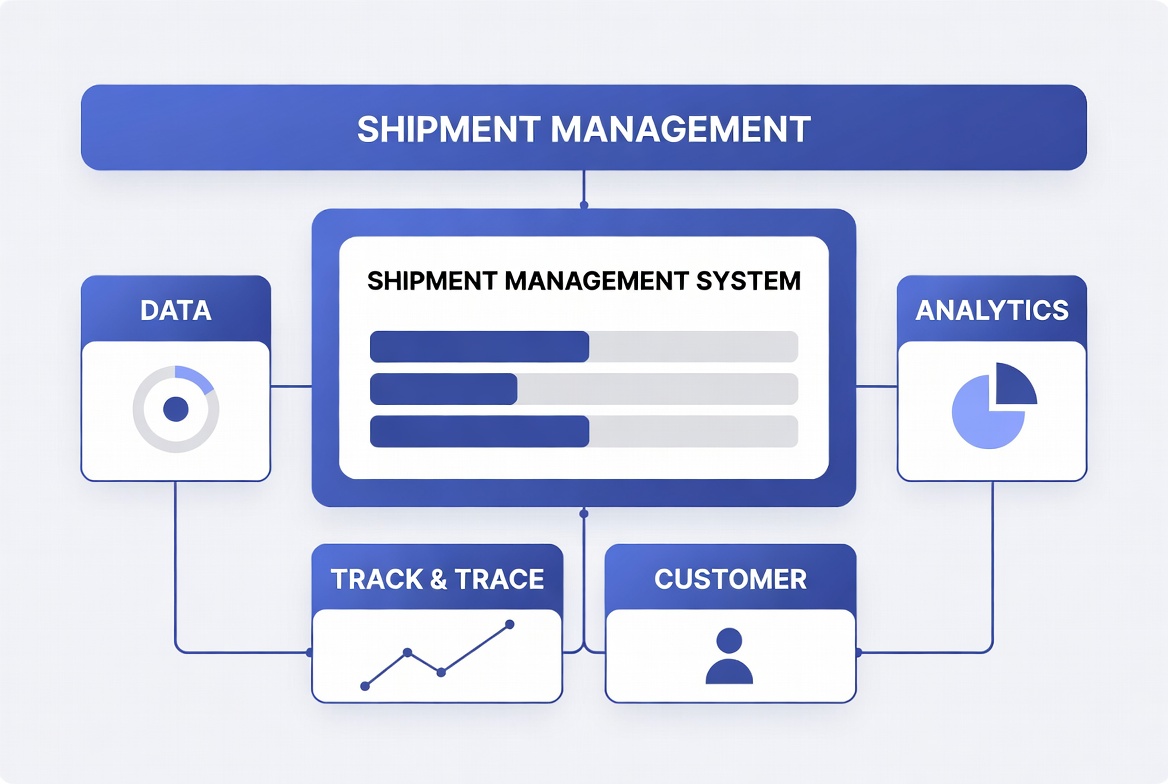
1. Centralized Shipment Management
All shipment information is stored within a centralized system. This includes order details, routing information, service requirements, and assigned partners.
Centralization ensures that all teams work from the same dataset rather than maintaining separate spreadsheets or communication threads.
2. Digital Partner Coordination
Logistics operations require coordination with carriers, warehouses, agents, and customers.
Instead of relying solely on email exchanges, companies increasingly use structured workflow systems where partners can update status, confirm tasks, and align on operational milestones.
This reduces miscommunication and ensures accountability.
3. Real-Time Tracking and Status Visibility
Shipment status is continuously updated within the system. Milestones such as departure, arrival, customs clearance, and delivery are recorded in real time.
This visibility enables internal teams and external stakeholders to monitor progress without manual follow-ups.
4. Shared Operational Data Across Teams
Different teams—operations, customer service, finance—access the same shipment data.
This shared visibility improves cross-department coordination and ensures that customer inquiries, billing, and reporting are aligned with operational status.
Role of Logistics Management Systems in Shipment and Partner Coordination
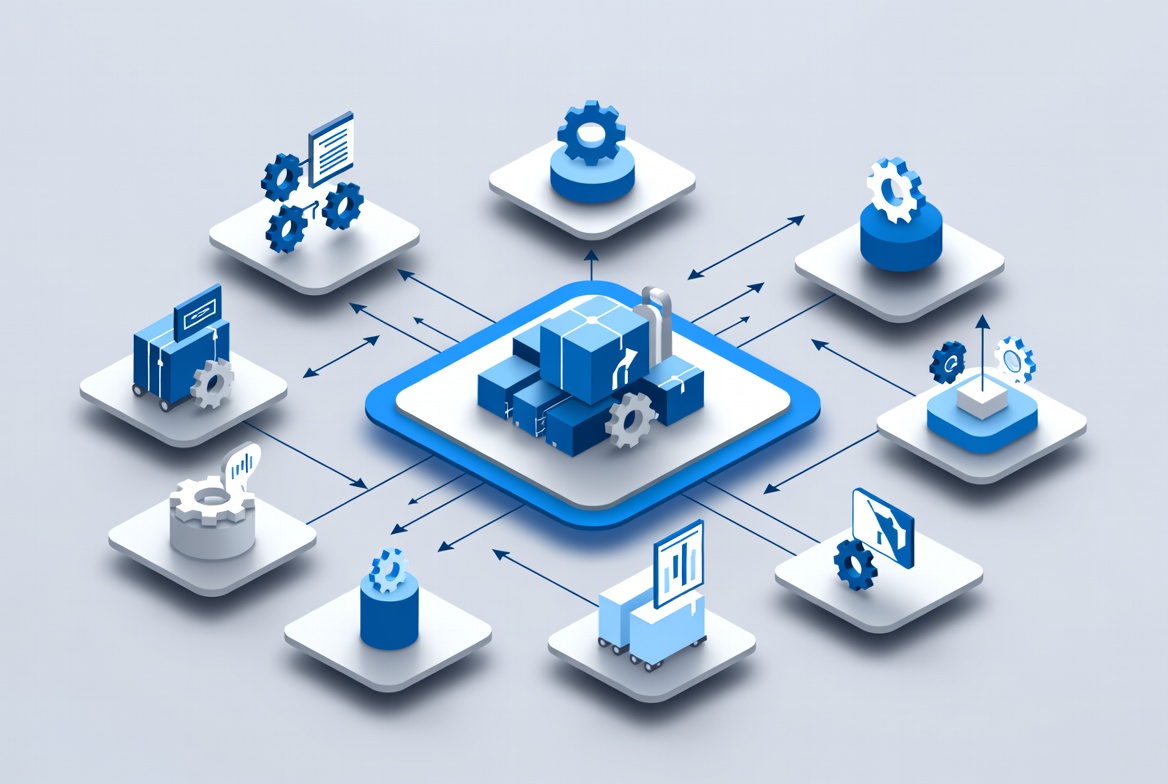
While logistics companies may use various tools, modern operations typically rely on logistics management systems to structure and automate these processes.
Such systems support:
Job-based shipment execution
Workflow standardization
Partner collaboration
Milestone tracking
Operational reporting
By consolidating coordination into a unified platform, logistics companies reduce manual workload and improve consistency.
How This Differs from Traditional Coordination Methods

Historically, logistics companies relied heavily on email chains, spreadsheets, and phone calls.
Digital logistics systems replace fragmented communication with structured process management, ensuring:
Clear task ownership
Centralized updates
Reduced duplication of work
Improved transparency
For a detailed explanation of how logistics systems operate at a structural level, see:
→ How does a logistics management system work?
Related Questions
If you are evaluating how logistics operations are structured, you may also find these helpful:
→ How does logistics software support collaboration and visibility?
→ What system do freight forwarders typically use?
→ What is a logistics management system?
From Coordination to System Selection
Understanding how logistics companies manage shipments and partners is an important step in evaluating suitable software solutions.
→ Explore logistics system use cases by business type
About Logistics System Providers
Platforms such as WallTech provide logistics management systems designed to support freight forwarders, 3PL providers, and cross-border logistics teams by standardizing workflows, enabling collaboration, and improving operational visibility.

.webp "Application of Integrated Logistics Management System in Southeast Asia")