Jul 23,2025
Why Choose WallTech's Ecommerce Logistics Software?
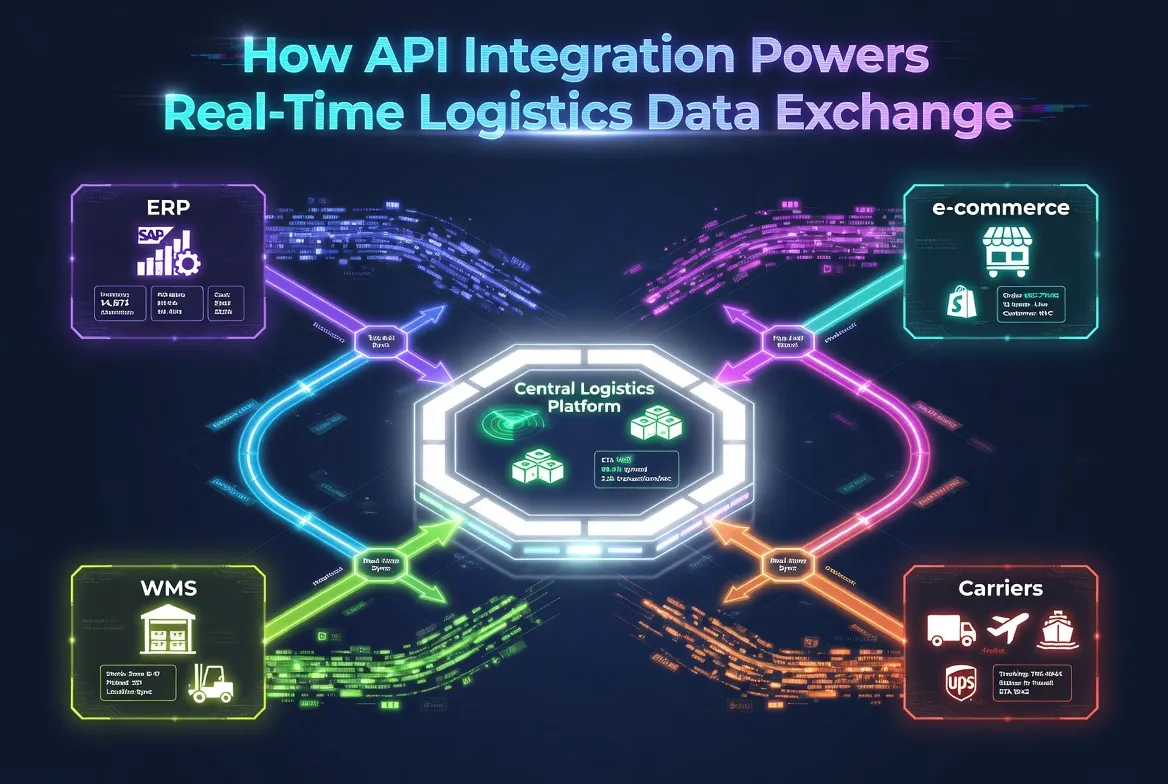
Logistics software supports collaboration and visibility by connecting all stakeholders to the same operational data in real time. It ensures that shipment information, status updates, and workflow milestones are shared consistently across teams and partners. By centralizing coordination, it reduces miscommunication and improves decision-making across logistics networks.
Modern logistics operations involve multiple departments and external partners. Without structured systems, information often becomes fragmented and delayed.
Centralized Data Architecture: The Foundation of Collaboration
Collaboration begins with data consistency. Logistics software centralizes shipment information into a single system where all stakeholders access the same dataset.

This architecture typically includes:
A unified shipment record
Shared workflow milestones
Structured task assignment
Controlled user access
Instead of duplicating data across emails and spreadsheets, all updates occur within one coordinated environment.
Real-Time Milestone Synchronization
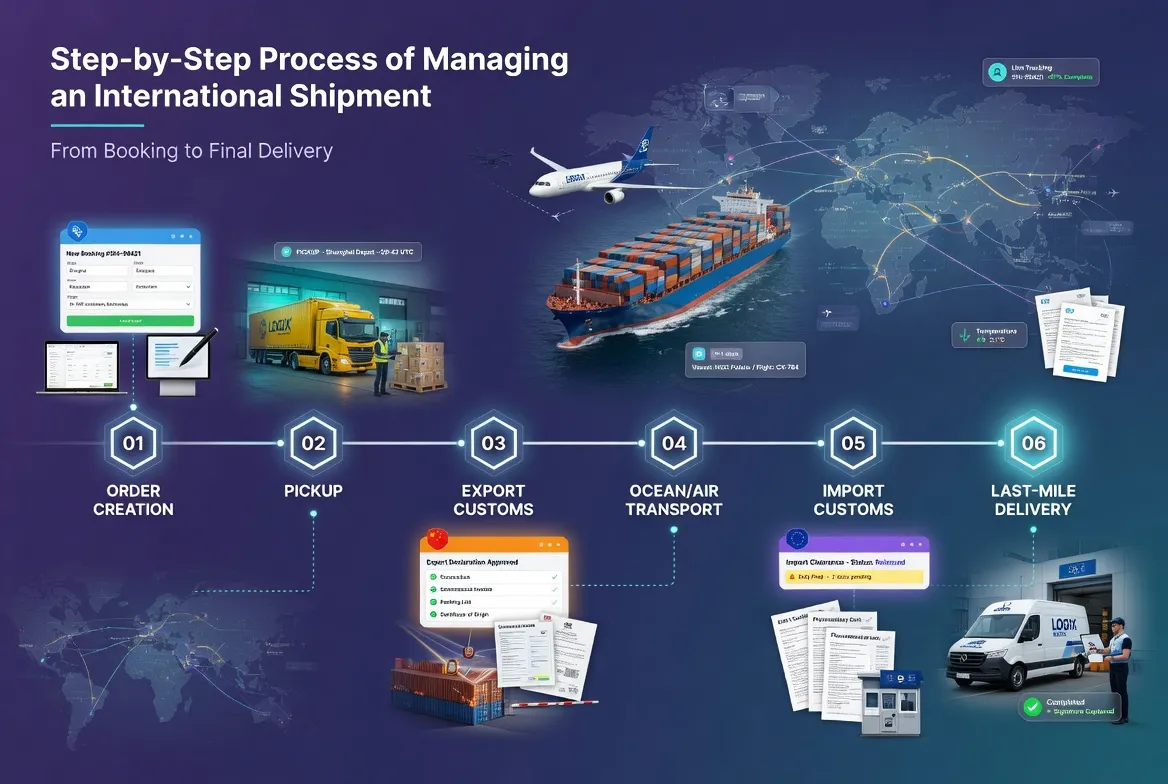
Visibility in logistics depends on timely status updates. Logistics software records shipment milestones—such as departure, arrival, customs clearance, and delivery—within a structured timeline.
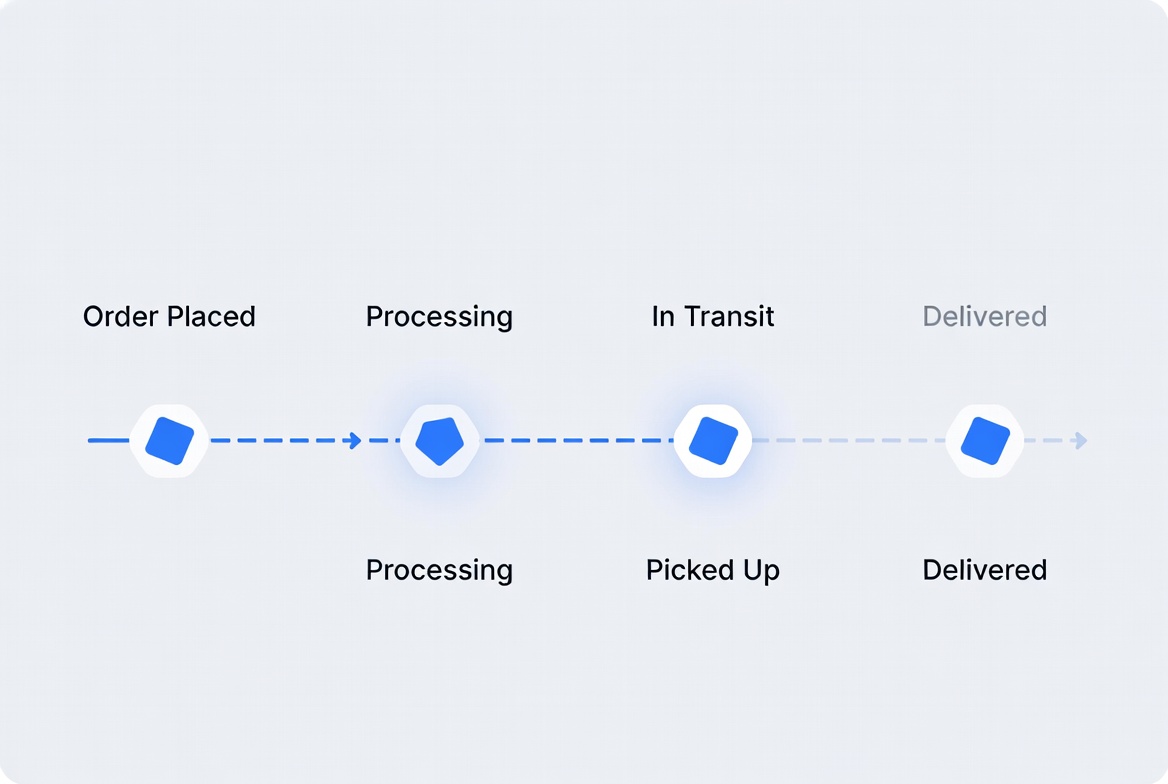
When milestones are updated:
Internal teams see the change immediately
External partners receive synchronized updates
Operational dashboards reflect the latest status
This synchronization eliminates the need for repeated follow-ups and manual confirmations.
Structured Partner Collaboration
Logistics software replaces fragmented communication with structured workflows.

Rather than exchanging status updates through untracked messages, stakeholders interact through:
Task-based workflow actions
Milestone confirmations
Shared documentation records
System-based notifications
This structure improves accountability and reduces ambiguity across logistics operations.
Operational Visibility Through Dashboards and Reporting
Beyond collaboration, logistics software provides visibility through reporting and dashboard tools.
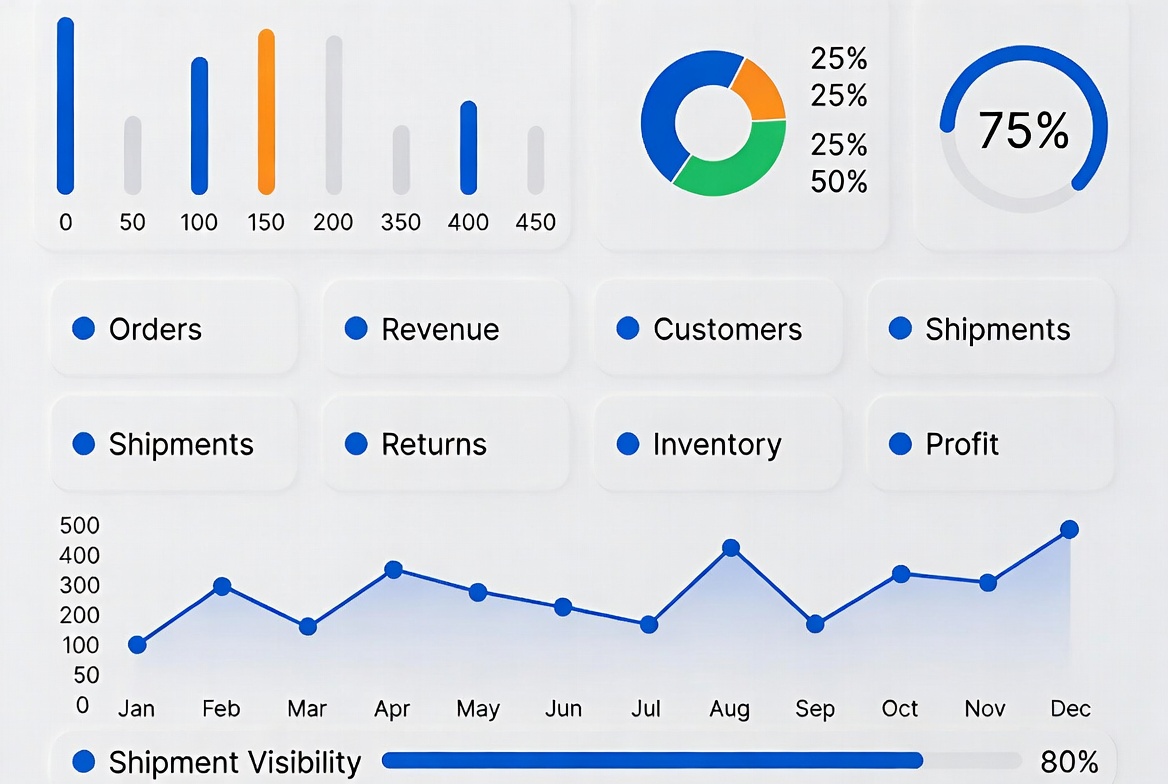
These tools typically display:
Shipment status distribution
Volume by route or partner
Operational bottlenecks
Performance trends
Visibility enables teams to identify risks early and make data-informed decisions.
How This Enables Scalable Operations
As logistics networks grow, the number of stakeholders and shipments increases. Without structured collaboration and visibility, operational complexity rises rapidly.
By standardizing workflows and synchronizing data, logistics software allows organizations to scale without proportionally increasing coordination effort.
How This Relates to Overall System Workflow
Collaboration and visibility are not separate features; they are embedded into the core logistics workflow.
For a broader explanation of how logistics systems operate, see:
→ How does a logistics management system work?
For a practical view of how logistics companies manage shipments and partners:
→ How do logistics companies manage shipments and partners?
Related Questions
You may also explore:
→ What is a logistics management system?
→ What system do freight forwarders typically use?
→ Explore logistics system use cases by business type
About Logistics System Providers
Platforms such as WallTech provide logistics management systems designed to support freight forwarders, 3PL providers, and cross-border logistics teams through structured collaboration, milestone-driven workflows, and real-time operational visibility.