.webp "How Supply Chain Collaboration Supports Global Supply Chains")
Mar 13,2026
How Supply Chain Collaboration Supports Global Supply Chains
How CargoWare and eTower Enable Scalable, Secure, and Transparent Logistics Operations
As logistics networks expand across regions and borders, operational complexity grows exponentially. Multiple branches, diverse departments, and specialized roles often rely on fragmented tools, manual coordination, and inconsistent processes. The result is familiar across the industry: duplicated work, delayed responses, unclear accountability, and limited visibility.
CargoWare and eTower are designed to address this challenge at its core—by enabling structured collaboration across branches, departments, and roles within a single unified system.
One Platform for Multi-Branch Collaboration
Both CargoWare and eTower support centralized management with decentralized execution. Headquarters, regional offices, and overseas branches operate on the same platform, sharing standardized data structures while maintaining operational independence where required.
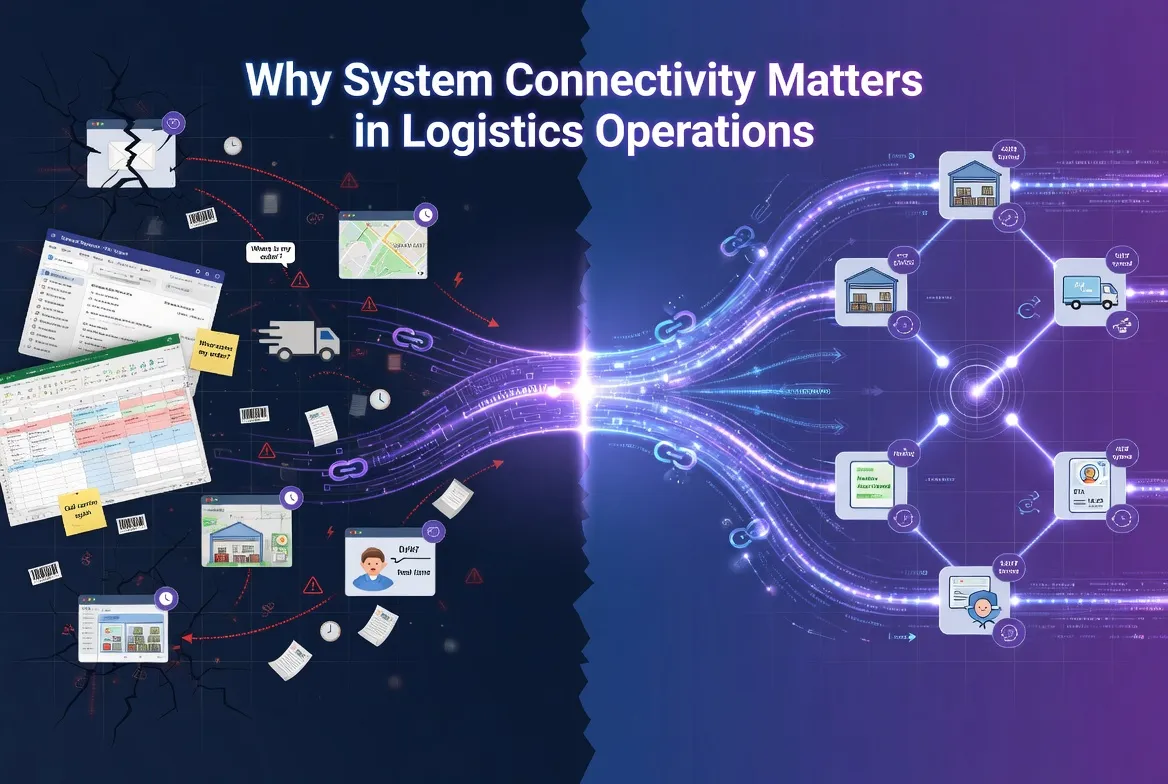
This unified architecture ensures that business data, operational milestones, and collaboration records remain consistent across the organization. Instead of relying on emails, spreadsheets, or disconnected systems, teams collaborate in real time on the same workflow—reducing information gaps and improving execution efficiency.
Department and Role-Based Access Control by Design
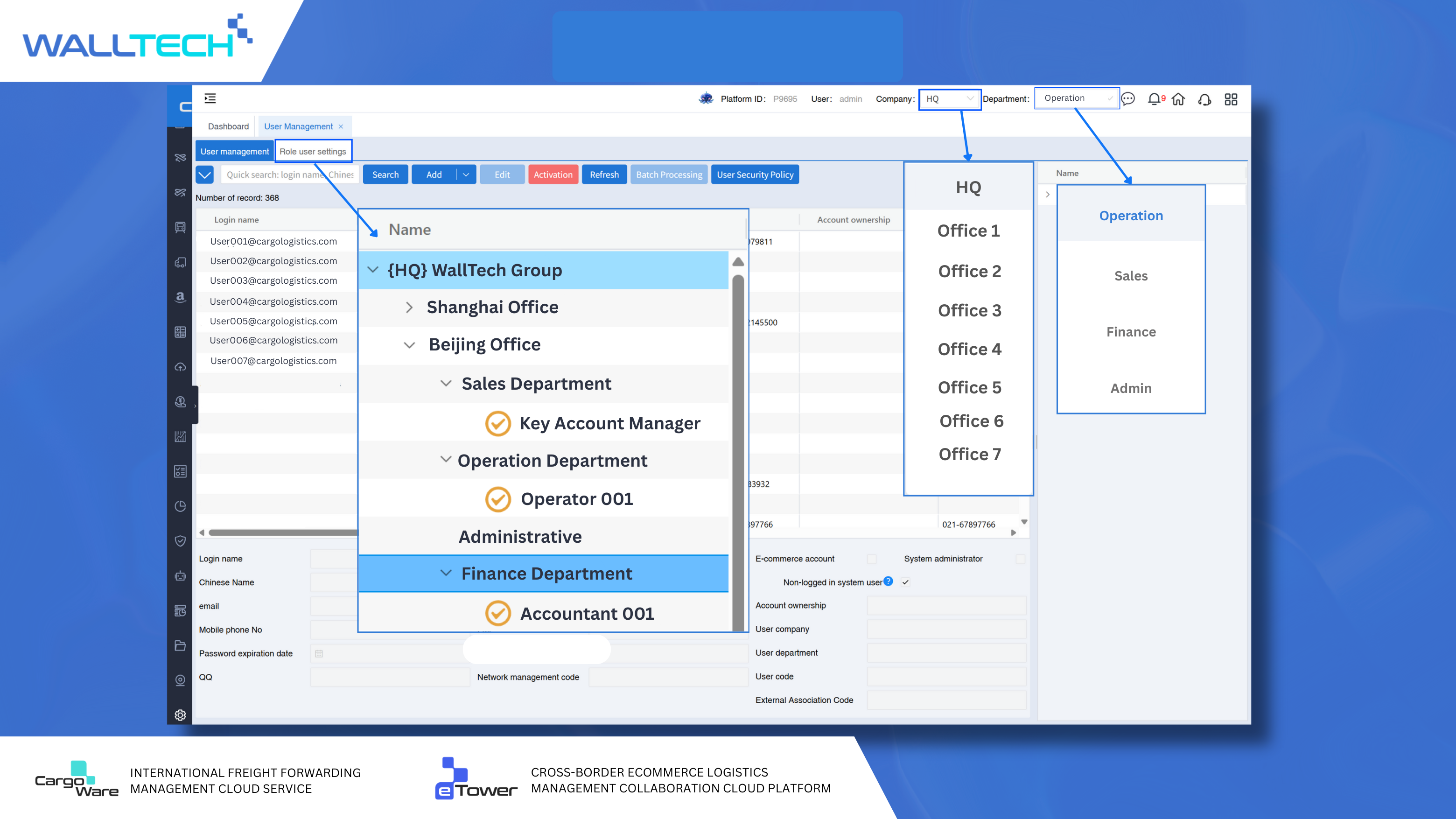
True collaboration requires clarity—not just connectivity. Beyond basic account allocation, CargoWare and eTower allow enterprises to model their real organizational structure directly within the system.
Branches can define multiple departments, such as operations, documentation, finance, sales, customer service, or management. Within each department, different roles can be created to reflect actual responsibilities. Each role is assigned precise permissions, determining:
Which modules and functions are accessible
What data can be viewed, edited, or exported
Which operational actions can be performed
This role-based access control ensures that every user sees exactly what they need—no more, no less. Sensitive data remains protected, responsibilities are clearly defined, and internal governance is strengthened without adding complexity to daily operations.
Data Visualization Tailored to Each Role
Collaboration is most effective when information is presented with purpose. CargoWare and eTower provide role-based dashboards and data visualization, allowing each department and role to focus on what matters most.
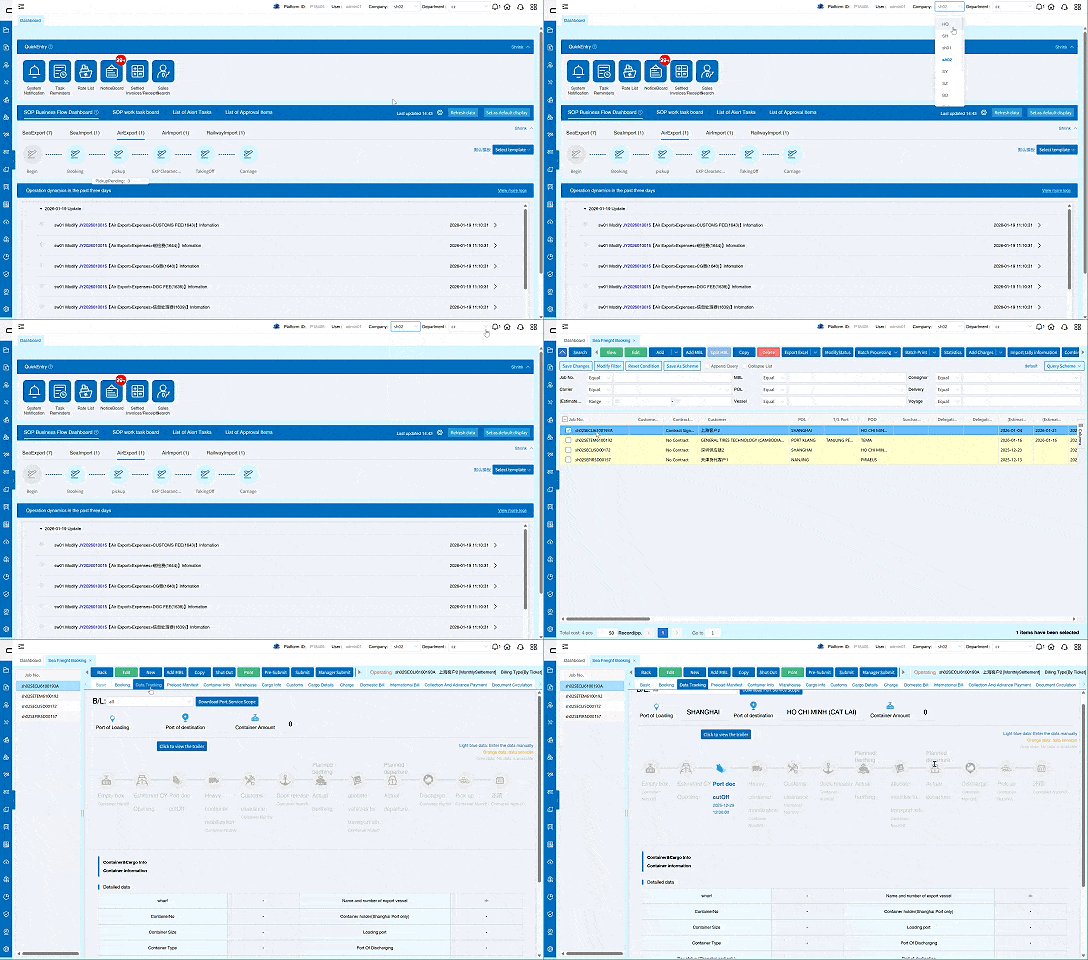
Ø Operations teams track shipment milestones and exceptions.
Ø Sales teams monitor customer activity and quotations.
Ø Management gains a high-level overview of performance and risks.
By aligning data visibility with responsibility, the system reduces cognitive overload and enables faster, more informed decision-making across the organization.
Multilingual Support for Global Teams
For international logistics enterprises, language should never be a barrier to collaboration. CargoWare and eTower support multiple languages, enabling global teams to work in their local language while operating on the same standardized workflows and data structures.
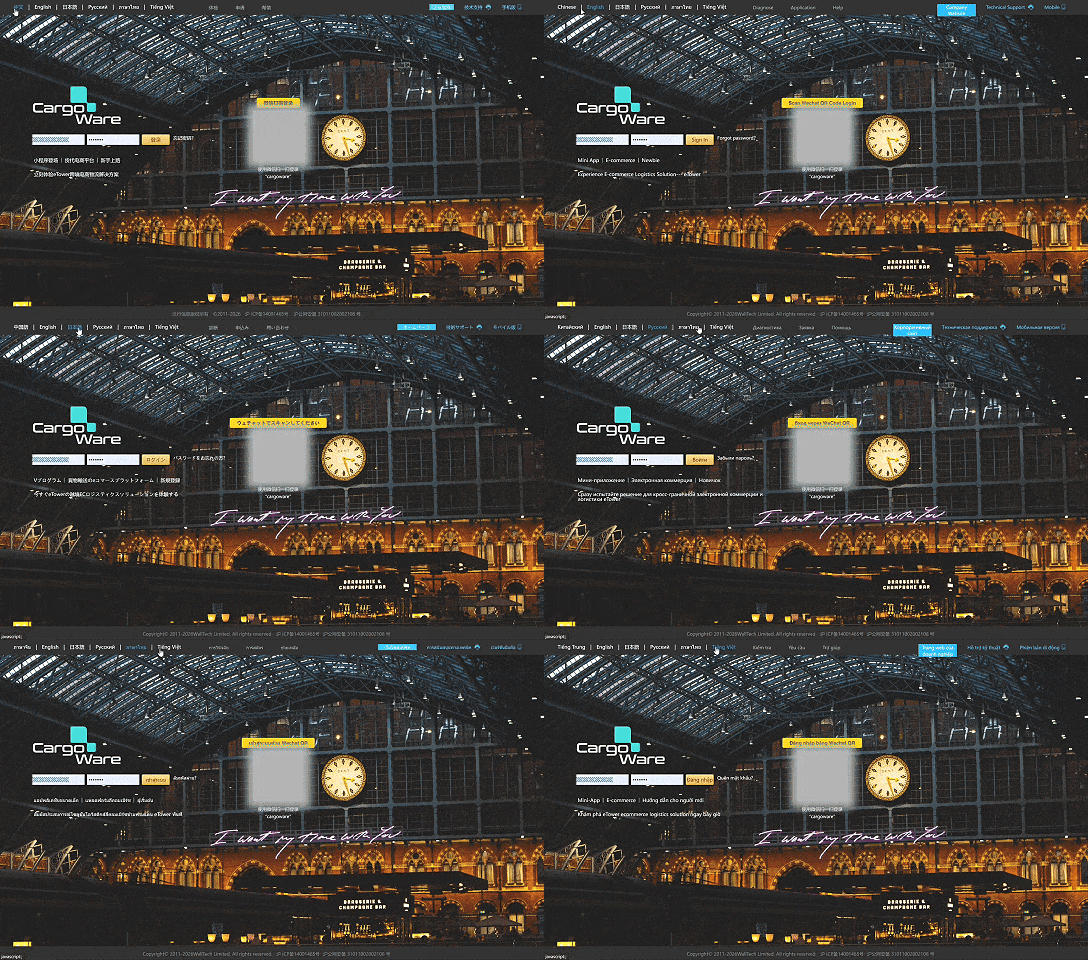
This capability significantly reduces training costs, improves adoption rates across regions, and ensures consistent execution regardless of geographic location.
SOP-Driven Collaboration with Automation and Alerts
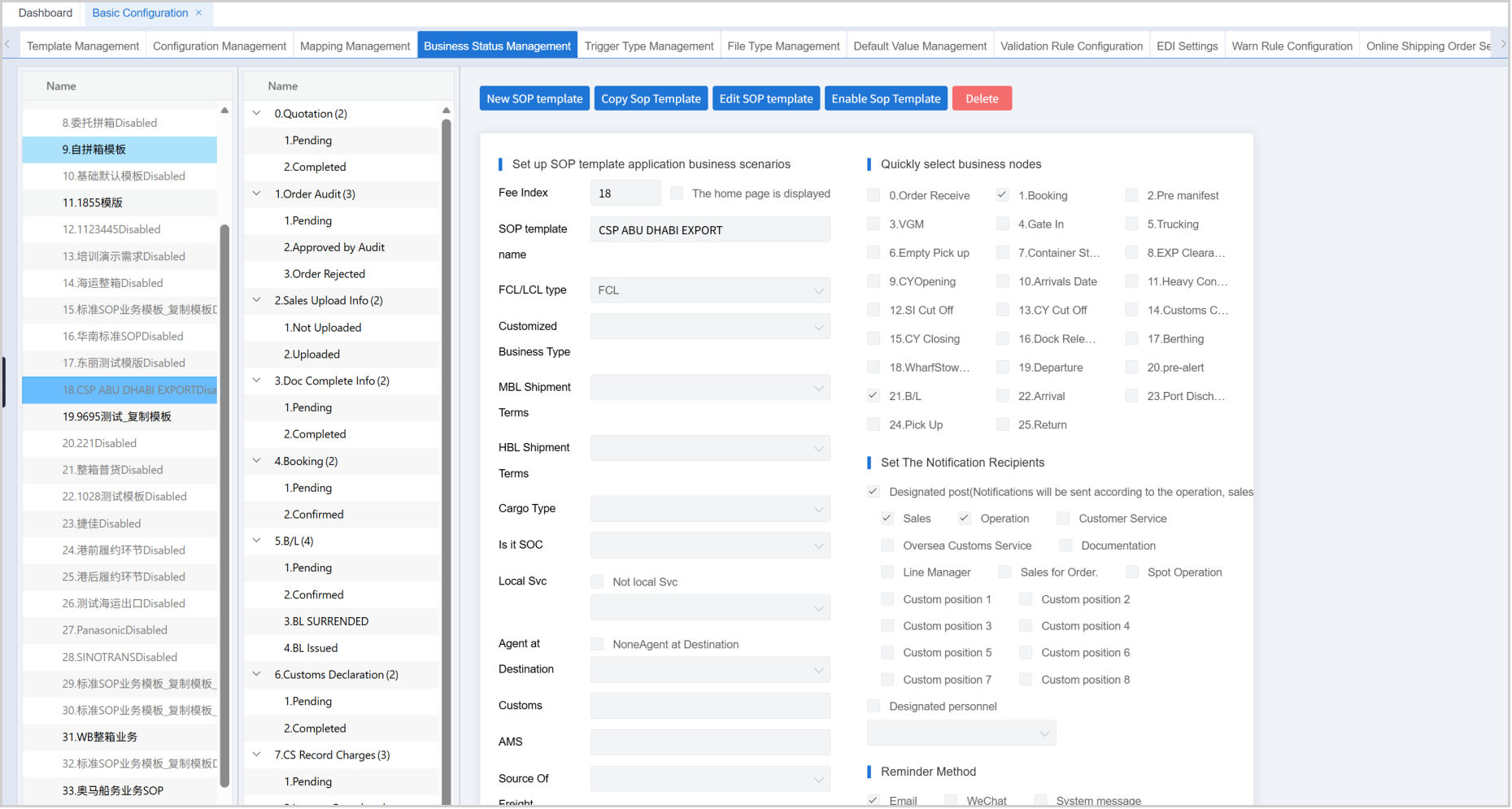
Structured collaboration is reinforced through built-in SOP management and automated reminders. Standard operating procedures can be embedded directly into workflows, guiding users step by step through each process.
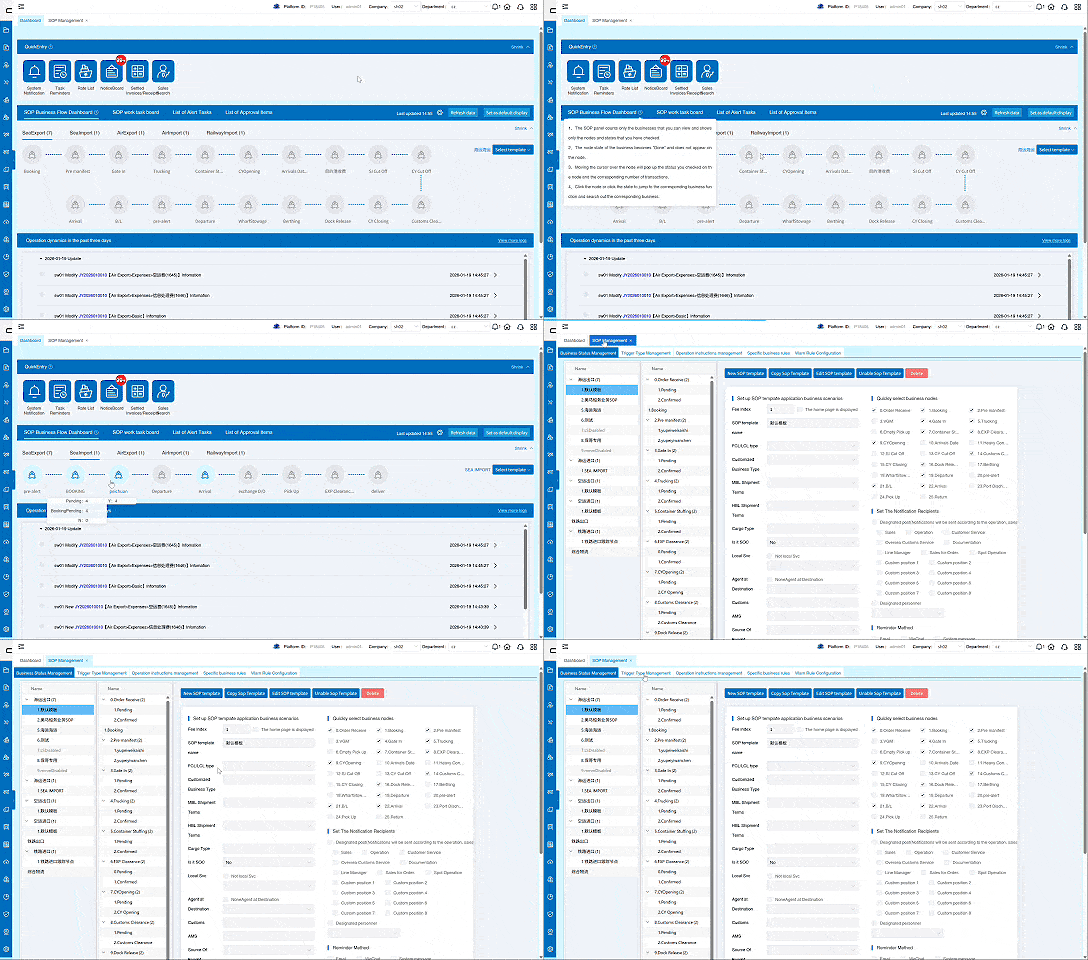
Automated alerts notify relevant roles when actions are required, deadlines approach, or exceptions occur. This minimizes reliance on manual follow-ups and ensures that responsibilities are clearly triggered and traceable—especially in cross-department and cross-branch scenarios.
Collaboration That Scales with the Business
CargoWare and eTower are not built for a fixed organizational model. As companies grow, add branches, or restructure teams, the system adapts accordingly. New departments, roles, and permissions can be configured without disrupting existing operations.
This flexibility allows logistics enterprises to scale confidently, knowing their collaboration framework will evolve alongside their business.
Conclusion
Effective collaboration in modern logistics is not about giving everyone access—it is about giving everyone the right access, supported by clear structure, visibility, and automation.
Through multi-branch collaboration, department and role-based permissions, tailored data visualization, multilingual support, and SOP-driven automation, CargoWare and eTower provide a scalable foundation for transparent, secure, and efficient logistics operations.
Designed for complexity. Built for collaboration.