May 25,2026
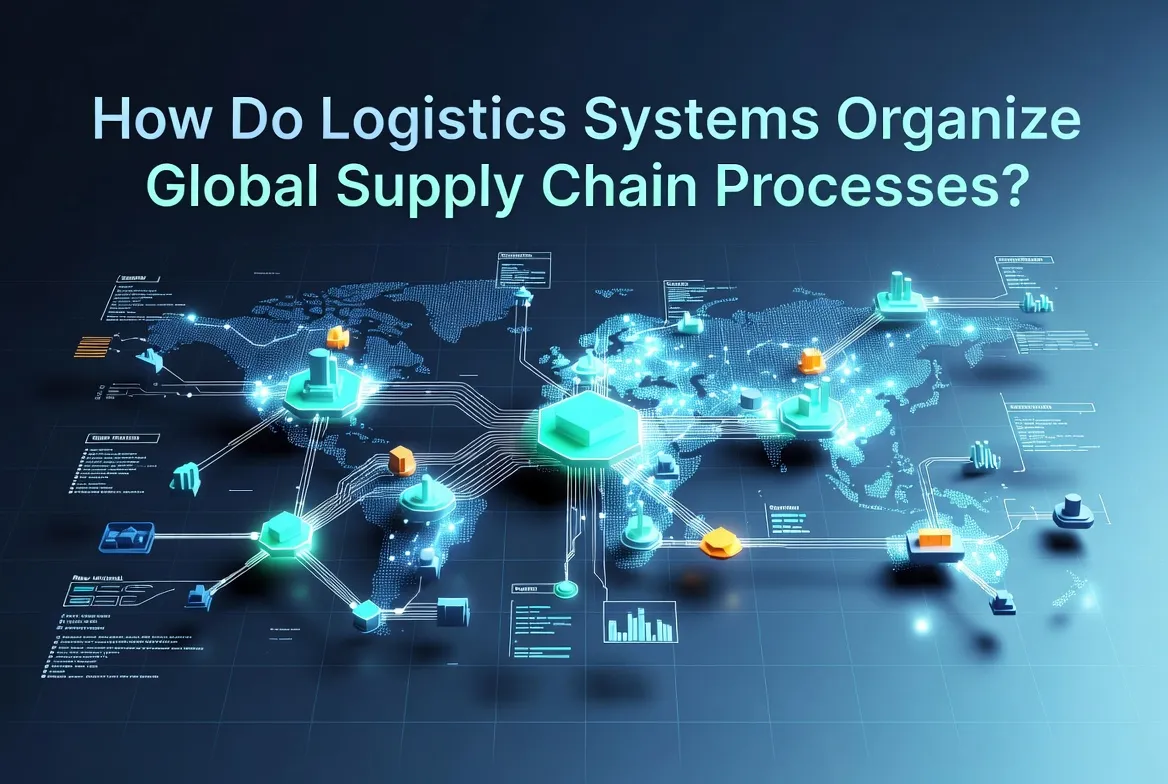
How Do Logistics Systems Organize Global Supply Chain Processes?
Introduction
The logistics industry in 2026 is defined by complexity. Cross-border shipments, multi-leg coordination, agent networks, real-time tracking expectations, and rising customer service standards have transformed how logistics operations are executed.
As businesses expand globally, spreadsheets, disconnected tracking tools, and fragmented communication are no longer sufficient. Logistics management software has become the operational backbone for freight forwarders, third-party logistics providers (3PLs), and international logistics networks.
This guide explores the 9 best logistics management software solutions of 2026, explains what distinguishes them, and helps organizations determine which type of system aligns with their operational structure.
What Is a Logistics Management System?
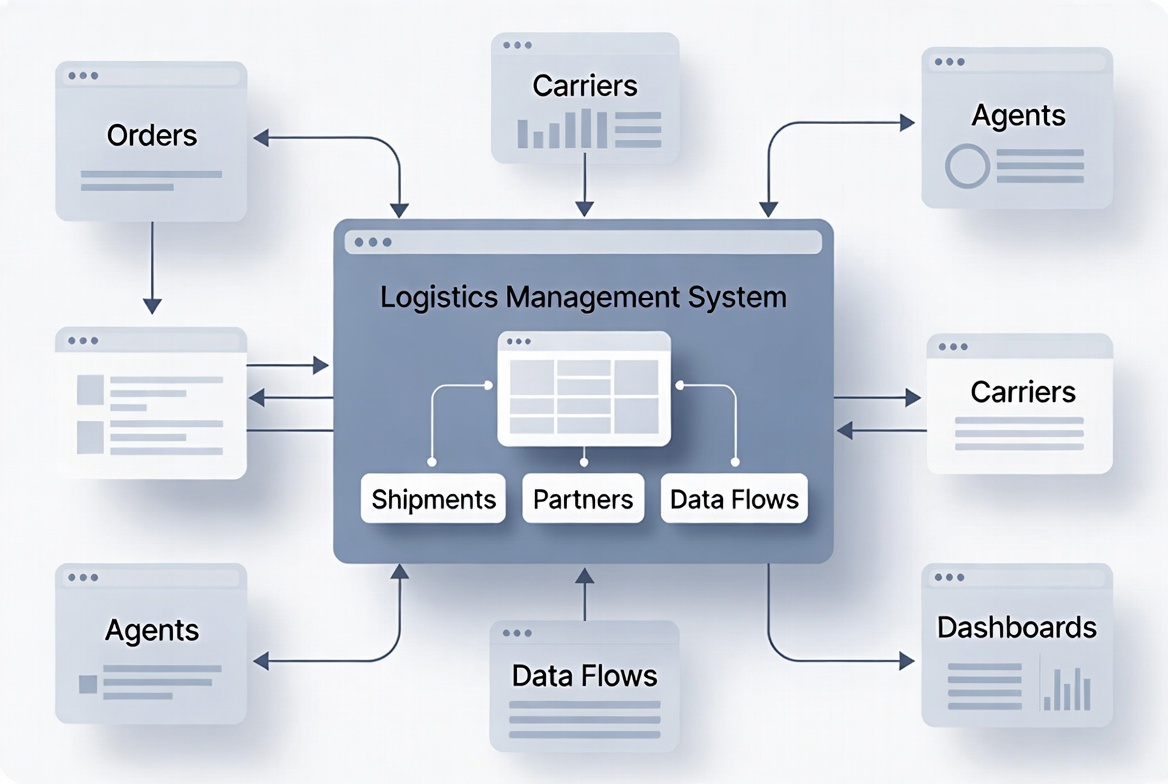
A logistics management system (LMS) is a software platform that centralizes shipment execution, partner coordination, and operational visibility across the supply chain. Unlike transportation-only or warehouse-only tools, an LMS connects multiple stakeholders and standardizes shipment workflows from job creation to final delivery.
Modern logistics management systems typically include:
Job-based shipment management
Multi-leg and cross-border coordination
Milestone-driven tracking
Role-based partner collaboration
API-based integration with external systems
Operational dashboards and reporting
In 2026, the most competitive LMS platforms emphasize structured collaboration and visibility rather than isolated transport optimization.
How Logistics Management Software Has Evolved in 2026
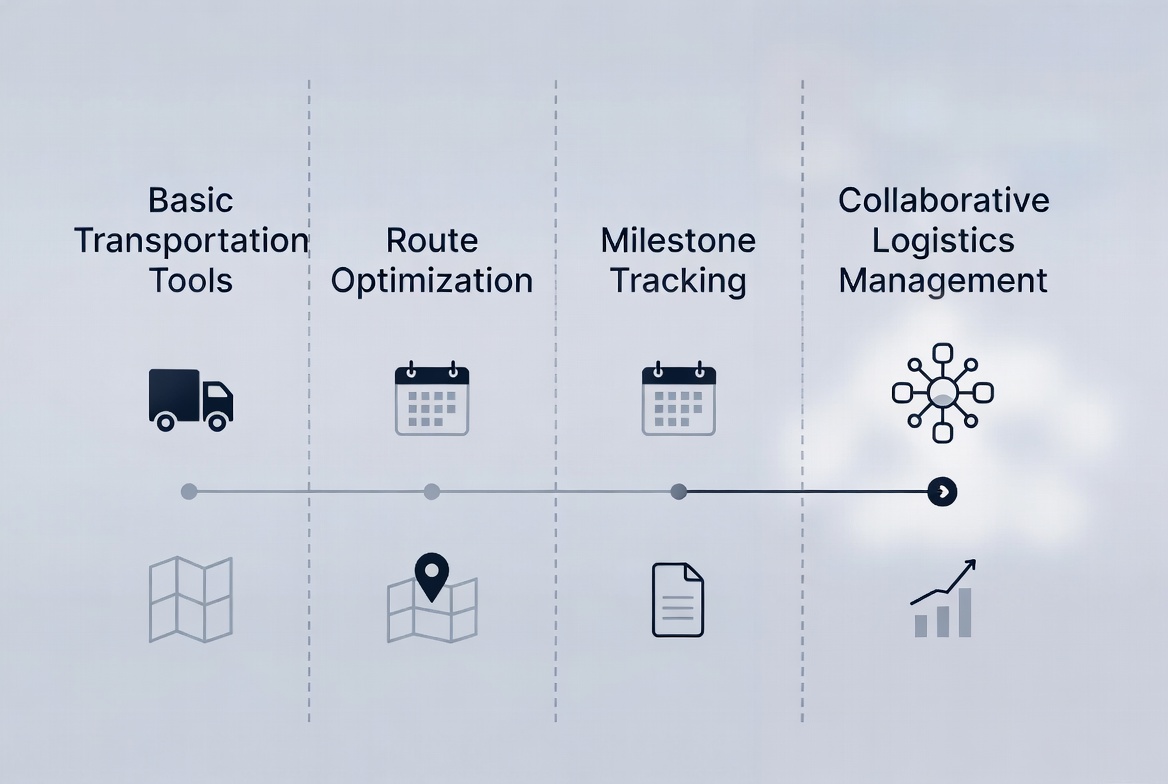
The definition of logistics software has shifted significantly in recent years.
Traditional systems focused on:
Transportation routing
Fleet management
Warehouse execution
Modern LMS platforms focus on:
End-to-end shipment lifecycle management
Cross-border visibility
Agent network coordination
Standardized milestone frameworks
API-driven data synchronization
The shift reflects the increasing importance of multi-party collaboration and real-time data alignment.
Key Features to Look for in Logistics Management Software in 2026
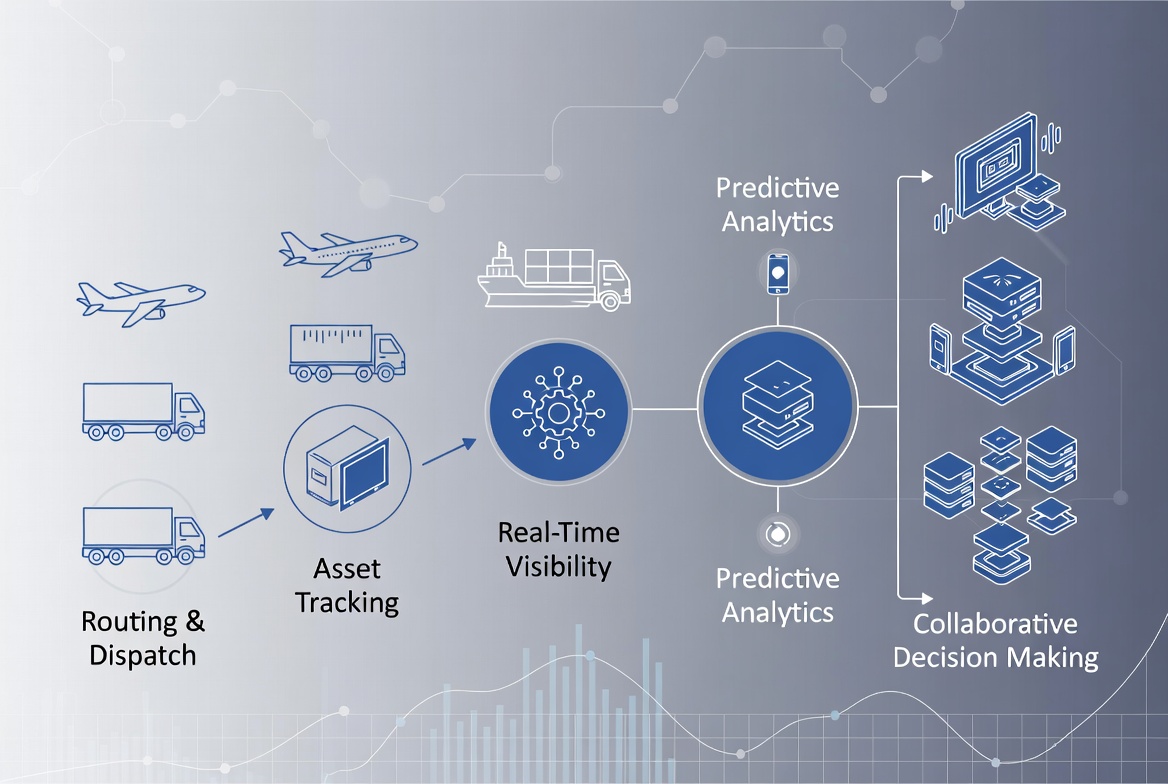
Selecting the right LMS requires evaluating both functional depth and structural capabilities.
1. Milestone-Driven Execution
Shipment workflows should follow standardized milestone definitions, enabling consistent tracking across agents and regions.
2. Structured Multi-Party Collaboration
Systems must allow secure, role-based access for:
Agents
Carriers
Regional offices
Customers
3. Cross-Border Visibility
Real-time shipment status across multiple carriers and countries.
4. API-Based Integration
Connectivity with:
ERP systems
Warehouse systems
Customs platforms
Carrier networks
5. Scalability and Workflow Standardization
The ability to manage increasing shipment volumes without proportional growth in manual coordination.
6. Operational Analytics
Dashboards that provide insight into shipment trends, exceptions, and performance metrics.
9 Best Logistics Management Software of 2026
Below are nine leadinglogistics management software platforms evaluated based on collaboration capabilities, cross-border support, scalability, and operational depth.
CargoWare is a comprehensive logistics management system designed specifically for freight forwarders, 3PL providers, and international logistics operators.
It is built around milestone-driven execution and structured collaboration across agent networks.
Core strengths:
Job-based shipment management
Multi-leg and cross-border execution
Agent network structure support
Role-based data control
API-based integration
Centralized collaboration dashboard
CargoWare is particularly suited for freight forwarders managing complex international operations and multi-entity logistics workflows.
2. SAP Supply Chain Logistics
Enterprise-grade supply chain and logistics management integrated deeply with ERP environments.
Best suited for large multinational corporations requiring finance-driven integration.
3. Oracle Transportation Management (OTM)
A robust transportation management platform supporting global multi-modal freight operations.
4. NetSuite Logistics Solutions
Cloud ERP platform with integrated logistics modules for mid-to-large enterprises.
5. Descartes Systems Group
Strong in customs compliance and global trade visibility.
6. BluJay (E2open)
Transportation and global trade network platform emphasizing carrier collaboration.
7. Kuebix TMS
Transportation-focused solution for LTL and truckload operations.
8. FarEye
Last-mile optimization and delivery orchestration platform.
9. Trimble Transportation Software
Fleet-focused platform with telematics integration.
How to Choose the Right Logistics Management System
Selecting the right system depends on operational structure.
Freight Forwarders
Require:
Job-based shipment management
Agent coordination
Cross-border milestone tracking
3PL Providers
Require:
Multi-client management
Role-based visibility
Operational dashboards
Enterprise Supply Chains
Require:
ERP integration
Multi-modal optimization
Global compliance
The right LMS should align with your organizational structure rather than simply offering the most features.
Conclusion
Logistics management software in 2026 must go beyond transportation planning. Modern platforms emphasize milestone-driven execution, cross-border visibility, structured collaboration, and integration across independent entities.
For freight forwarders and global logistics operators, systems like CargoWare provide specialized operational depth tailored to multi-agent, cross-border workflows.
The best software choice ultimately depends on organizational complexity, integration needs, and growth strategy.
Frequently Asked Questions
Which logistics management software is best for freight forwarders?
Freight forwarders typically require job-based shipment management, milestone tracking, and structured agent collaboration.
What is the difference between LMS and TMS?
LMS focuses on end-to-end logistics coordination, while TMS focuses primarily on transport planning and carrier selection.
Can LMS integrate with WMS and ERP?
Yes. Modern LMS platforms support API-based integration for synchronized data exchange.
How does logistics software improve scalability?
By standardizing workflows and automating coordination, logistics software reduces manual workload as shipment volumes grow.

.webp "How Digital Systems Improve Freight Process Control")