.webp "What Is Logistics Exception Management and How It Works")
Mar 30,2026
What Is Logistics Exception Management and How It Works
Introduction
Compliance automation reduces cross-border risks by systematically managing regulatory requirements, validating documentation, and ensuring that logistics processes adhere to international trade laws. By embedding compliance rules into logistics systems, companies can minimize errors, avoid penalties, and ensure smooth cross-border operations.
In global logistics—where shipments move across multiple jurisdictions with varying regulations—manual compliance processes are often inefficient and error-prone. Automation provides a structured and reliable way to manage these complexities.
What is Compliance Automation in Logistics
Compliance automation in logistics refers to the use of software systems to automatically enforce regulatory requirements, validate documentation, and manage compliance-related workflows in cross-border shipping.
It typically includes:
automated document verification
regulatory rule enforcement
customs compliance checks
audit trails and reporting
exception alerts for non-compliance
These systems ensure that logistics operations align with international trade regulations and local requirements.
Why Compliance Automation Matters
Cross-border logistics involves multiple compliance challenges, including:
varying customs regulations across countries
complex documentation requirements
frequent regulatory updates
risk of shipment delays or penalties
lack of visibility into compliance status
Manual compliance processes often lead to:
missing or incorrect documentation
delays in customs clearance
financial penalties and fines
operational disruptions
Compliance automation reduces these risks by ensuring consistent and accurate adherence to regulations.
How Compliance Automation Works
Compliance automation systems operate by embedding regulatory logic into logistics workflows and continuously validating data.
1. Rule-Based Compliance Engine
The system maintains a library of regulatory rules, including:
country-specific import/export requirements
documentation standards
customs declaration rules
These rules are applied automatically during shipment processing.
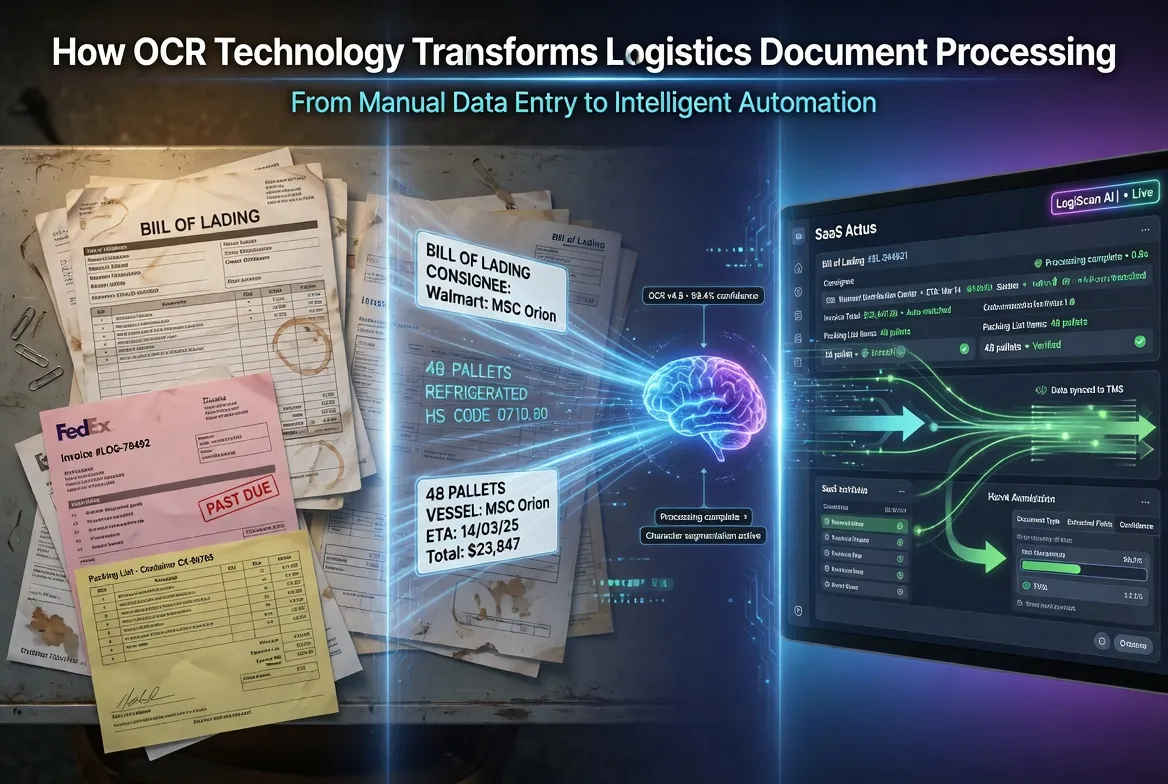
2. Automated Document Validation
Documents such as invoices, packing lists, and shipping instructions are:
automatically checked for completeness
validated against required formats
cross-referenced with shipment data
This ensures that documentation meets compliance requirements before submission.
3. Integration with Operational Workflows
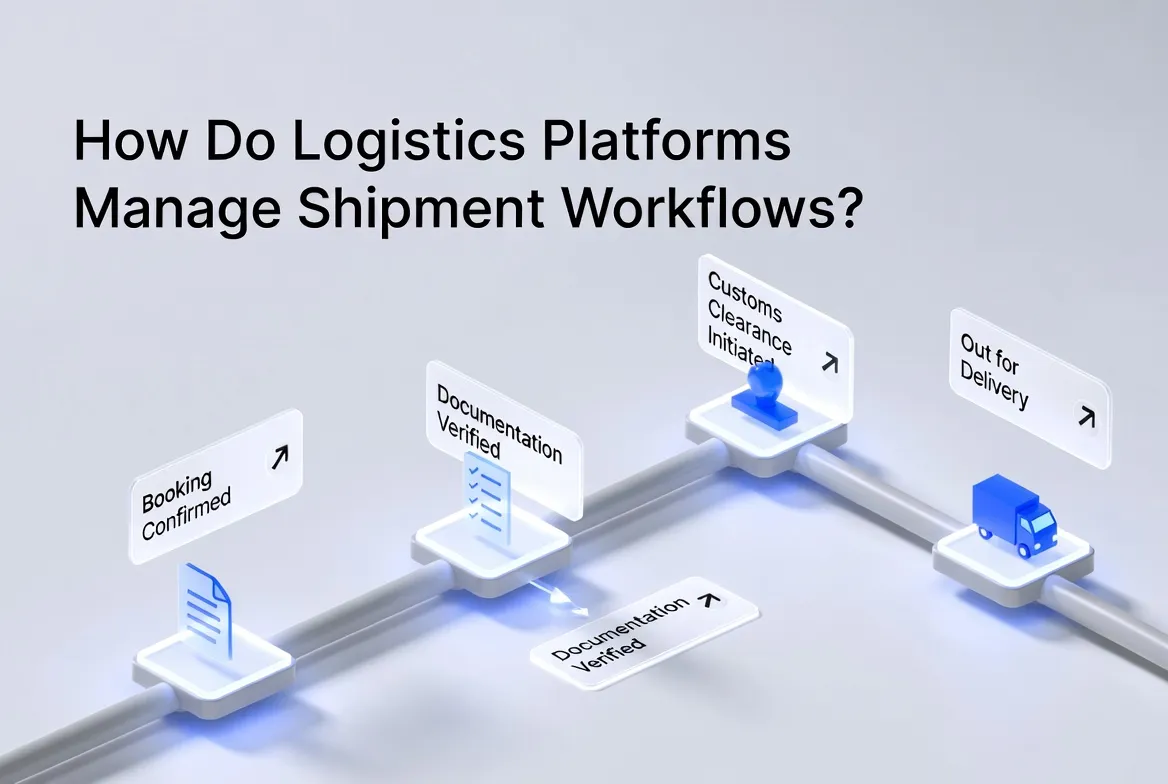
Compliance checks are embedded into logistics processes, such as:
order creation
documentation preparation
customs declaration
shipment release
This ensures that compliance is enforced at every stage of the shipment lifecycle.
4. Real-Time Alerts and Exception Handling
The system identifies compliance issues and triggers:
alerts for missing or incorrect data
workflow actions for resolution
escalation processes when necessary
This enables proactive management of compliance risks.
5. Audit Trails and Reporting
Compliance automation systems maintain detailed records of:
document submissions
regulatory checks
approval processes
This supports audits and improves transparency.
Key Features / Key Capabilities
Modern compliance automation systems include:
Regulatory rule engine
automated enforcement of compliance requirementsDocument validation and verification
ensures accuracy and completenessWorkflow integration
compliance embedded into operational processesReal-time alerts and exception management
proactive issue resolutionAudit trails and reporting
full visibility into compliance activitiesIntegration with customs systems
streamlined declaration and clearance processes
Benefits for Logistics Companies
1. Reduced Compliance Risks
fewer errors in documentation
lower risk of penalties and fines
improved regulatory adherence
2. Faster Customs Clearance
accurate and complete documentation
reduced delays
smoother shipment processing
3. Improved Operational Efficiency
automated compliance checks
reduced manual workload
streamlined workflows
4. Enhanced Visibility and Control
real-time insight into compliance status
better tracking of regulatory processes
improved decision-making
5. Stronger Customer Trust
reliable and compliant operations
fewer disruptions
improved service quality
Best Practices / Use Cases
1. Cross-Border E-Commerce Logistics
Automate compliance for high-volume shipments across multiple countries.
2. Freight Forwarding Operations
Ensure accurate documentation and compliance across multi-leg international shipments.
3. Customs Declaration Management
Automate validation and submission of customs documentation to reduce errors and delays.
4. Multi-Country Logistics Networks
Manage varying regulatory requirements efficiently across different regions.
Best Practices for Implementation
maintain up-to-date regulatory rule libraries
integrate compliance checks into operational workflows
automate document validation processes
implement real-time alerts for exceptions
ensure auditability and reporting capabilities
Conclusion
Compliance automation is essential for managing the complexities of cross-border logistics. By embedding regulatory logic into logistics systems and automating validation processes, companies can reduce risks, improve efficiency, and ensure smooth international operations.
As global trade continues to evolve, compliance automation provides the structure and reliability needed to navigate regulatory challenges and maintain operational excellence.
Frequently Asked Questions
What is compliance automation in logistics?
It is the use of software systems to automatically enforce regulatory requirements and validate documentation in logistics operations.
How does compliance automation reduce risks?
It ensures accurate documentation, enforces regulatory rules, and identifies issues early, reducing errors and penalties.
Why is compliance important in cross-border logistics?
Compliance ensures shipments meet international trade regulations, preventing delays, fines, and operational disruptions.
What are the benefits of compliance automation?
Benefits include reduced risks, faster customs clearance, improved efficiency, and better visibility.
Can compliance automation handle multiple countries?
Yes, modern systems support multi-country regulatory requirements and adapt to different compliance rules.
About WallTech
WallTech provides digital logistics solutions designed to support efficient and compliant global operations. Its platforms enable end-to-end logistics collaboration across multiple roles and partners, while offering real-time shipment visibility through milestone-based tracking. By integrating workflow automation, AI-driven data recognition, and automated financial processes, WallTech helps logistics companies streamline compliance management, reduce operational risks, and improve efficiency across complex cross-border networks.
If you're exploring ways to improve your logistics operations, feel free to connect with us to learn more about our solutions and system capabilities.