
Dec 17,2024
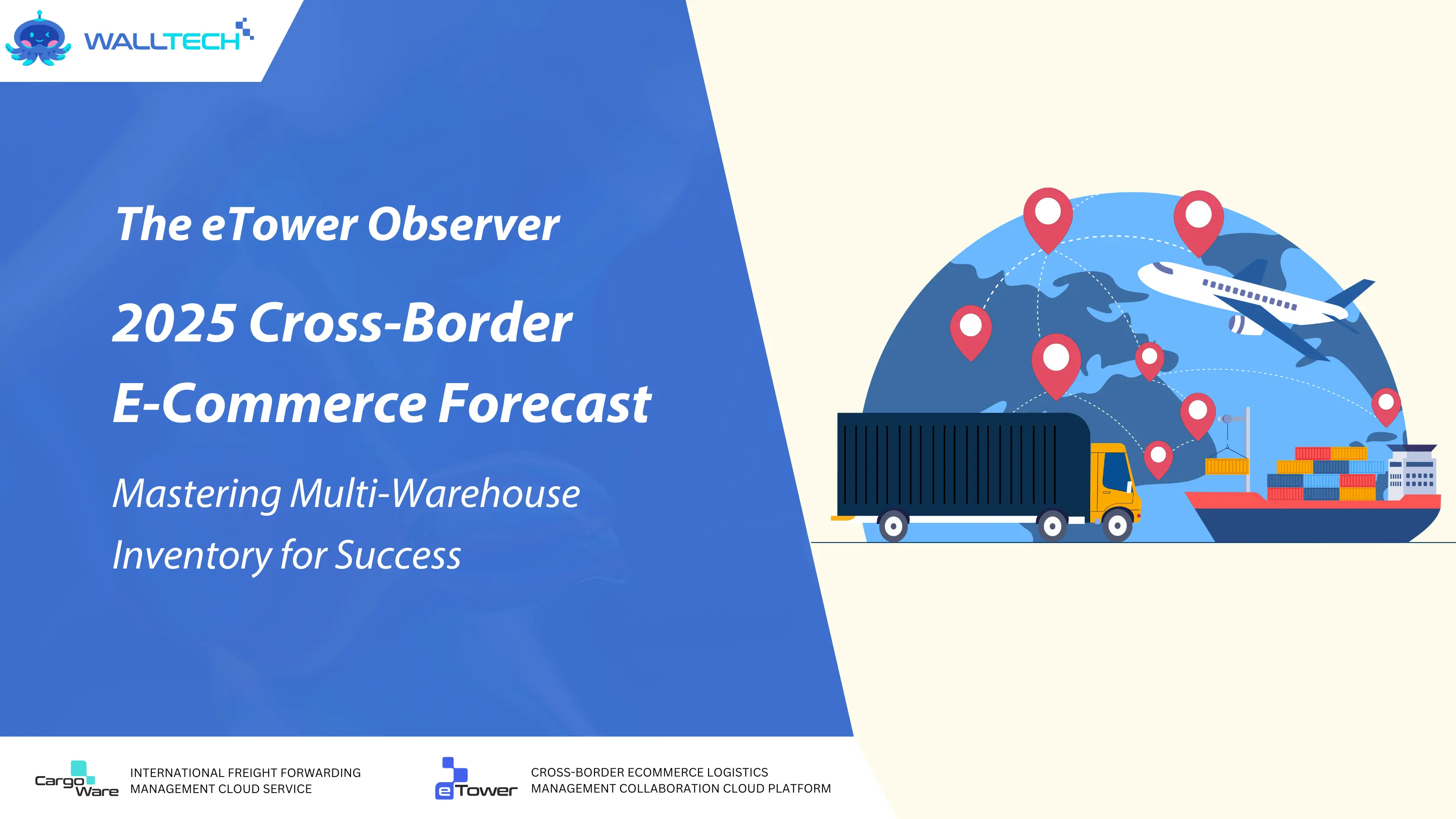
2025 Cross-Border E-Commerce: Mastering Multi-Warehouse Inventory for Success
Introduction
Logistics visibility platforms are digital systems that provide real-time tracking, milestone monitoring, and operational transparency across the supply chain. These platforms help logistics companies, freight forwarders, 3PL providers, and cross-border eCommerce operators monitor cargo movement, coordinate stakeholders, and manage exceptions more efficiently.
In global logistics operations, fragmented systems and disconnected workflows often create delays, communication gaps, and limited shipment transparency. A logistics visibility platform centralizes shipment data, connects multiple parties, and creates a unified operational view from origin to final delivery.
As supply chains become increasingly global and multi-partner dependent, logistics visibility platforms are becoming essential infrastructure for improving operational efficiency, customer experience, and supply chain resilience.
What is a Logistics Visibility Platform
A logistics visibility platform is a software solution designed to provide end-to-end shipment tracking and operational transparency throughout the logistics lifecycle.
The platform typically aggregates data from:
Carriers
Freight forwarders
Ports and terminals
Customs systems
Warehouses
ERP and eCommerce platforms
Transportation providers
The objective is to create a unified timeline of shipment events and operational milestones.
Typical shipment milestones include:
Booking confirmation
Cargo pickup
Warehouse inbound
Customs clearance
Departure and arrival events
Transshipment
Last-mile delivery
Proof of delivery
Modern visibility platforms also support multi-role collaboration, enabling shippers, logistics providers, suppliers, and customers to access shared shipment information in real time.
Why Logistics Visibility Platforms Matter
1. Global Supply Chains Are Increasingly Complex
International logistics operations often involve:
Multiple transportation modes
Multiple service providers
Different countries and customs regulations
Various disconnected systems
Without centralized visibility, logistics teams rely heavily on emails, spreadsheets, and manual status updates.
This creates operational inefficiencies and increases the risk of delays and communication errors.
2. Customers Expect Real-Time Updates
Cross-border eCommerce and modern B2B logistics customers expect:
Real-time shipment tracking
Accurate estimated arrival times
Fast exception handling
Transparent logistics information
Visibility platforms help logistics companies meet these expectations with automated tracking updates and unified shipment timelines.
3. Manual Tracking Is Not Scalable
Traditional shipment tracking processes often require operators to:
Check carrier websites manually
Send emails for updates
Reconcile milestone information across systems
Update customers individually
A logistics visibility platform automates these processes and significantly reduces operational workload.
4. Supply Chain Disruptions Require Faster Response
Port congestion, customs delays, weather disruptions, and carrier schedule changes can affect shipment timelines.
Visibility platforms help companies detect operational abnormalities early and respond proactively.
How Logistics Visibility Platforms Work
Logistics visibility platforms work by collecting, standardizing, and displaying logistics data from multiple operational sources.
The typical workflow includes:
Step 1: Data Integration
The platform integrates with:
TMS systems
WMS systems
ERP platforms
Carrier APIs
eCommerce systems
Customs platforms
IoT and tracking providers
API integration enables real-time synchronization of shipment information.
Step 2: Event Collection
The system captures shipment events from different logistics stages, including:
Pickup scans
Warehouse operations
Customs updates
Flight or vessel milestones
Delivery scans
Some platforms also support AI-based document recognition and automated event extraction from shipping documents and emails.
Step 3: Milestone Standardization
Because different carriers and systems use different event formats, the platform standardizes data into a unified milestone structure.
For example:
“Departed terminal”
“Vessel sailed”
“Flight departed”
may all map to a standardized “In Transit” milestone.
Step 4: Unified Visibility Dashboard
Users can monitor shipments through centralized dashboards showing:
Real-time shipment status
Delays and exceptions
Estimated arrival times
Operational KPIs
Financial status
Partner coordination activities
Step 5: Exception Alerts and Collaboration
The system automatically sends alerts for:
Delayed shipments
Missing milestones
Customs issues
Inventory shortages
Delivery exceptions
Relevant stakeholders can collaborate directly within the operational workflow.
Key Features of Logistics Visibility Platforms
End-to-End Shipment Tracking
Visibility platforms provide continuous tracking across the entire shipment lifecycle.
This includes:
Ocean freight
Air freight
Trucking
Rail transportation
Last-mile delivery
Milestone-Based Tracking
Modern logistics operations rely heavily on milestone tracking rather than simple location tracking.
Key milestones provide operational clarity and improve customer communication.
Unified Timeline Management
A centralized shipment timeline helps operators and customers understand the complete shipment journey in one interface.
Multi-Role Collaboration
Visibility platforms support collaboration among:
Freight forwarders
Overseas agents
Warehouses
Suppliers
Customers
Carriers
This improves operational coordination and reduces communication fragmentation.
Automated Notifications
Automated alerts and notifications reduce manual follow-ups and improve responsiveness.
Notifications may include:
Delay alerts
Customs clearance updates
Delivery confirmations
SLA warnings
Workflow Automation
Modern platforms increasingly include workflow automation capabilities such as:
Automated billing generation
Automated reconciliation
Task assignment
Exception escalation
Operational SOP management
AI Data Recognition
AI technologies can help identify and process:
Shipping documents
Invoice information
Carrier events
Order details
This reduces manual data entry and operational errors.
Benefits for Logistics Companies
Improved Operational Efficiency
Automation and centralized visibility reduce repetitive manual tasks and improve productivity.
Better Customer Experience
Real-time tracking and proactive communication improve customer satisfaction and transparency.
Faster Exception Handling
Visibility platforms help teams identify delays and operational risks earlier.
Enhanced Collaboration
Upstream and downstream logistics partners can collaborate more effectively through shared operational data.
Scalable Operations
As shipment volume grows, centralized visibility becomes critical for maintaining operational control.
Improved Financial Accuracy
Integrated operational and financial workflows help reduce billing discrepancies and reconciliation delays.
Best Practices and Use Cases
Freight Forwarders
Freight forwarders use visibility platforms to manage:
Multi-leg international shipments
Overseas agent coordination
Milestone synchronization
Customer tracking portals
Cross-Border eCommerce Logistics
Cross-border logistics providers use visibility systems for:
Parcel tracking
Last-mile coordination
Customs status updates
Carrier performance monitoring
3PL Providers
3PL operators benefit from:
Warehouse visibility
Inventory synchronization
Transportation coordination
Customer-facing dashboards
Overseas Warehouse Operations
Visibility platforms can integrate warehouse operations with transportation tracking to provide unified inventory and shipment visibility.
Financial and Operational Integration
Combining visibility with billing automation and reconciliation workflows improves operational and financial alignment.
Conclusion
Logistics visibility platforms have become a core component of modern global supply chain operations. They help logistics companies improve shipment transparency, automate operational workflows, and strengthen collaboration across complex logistics networks.
As international supply chains continue to expand, companies that rely on fragmented systems and manual coordination face increasing operational challenges. Visibility platforms provide the centralized infrastructure needed to manage shipments efficiently, respond to disruptions faster, and deliver better customer experiences.
For freight forwarders, 3PL providers, and cross-border logistics operators, visibility is no longer optional — it is a foundational capability for scalable and competitive logistics operations.
Frequently Asked Questions
What is a logistics visibility platform?
A logistics visibility platform is a digital system that provides real-time shipment tracking, milestone monitoring, and supply chain transparency across logistics operations. It centralizes data from multiple logistics partners and systems.
How do logistics visibility platforms work?
They integrate with carriers, warehouses, ERP systems, and transportation providers to collect shipment events and display them through a unified operational dashboard.
Why are logistics visibility platforms important?
They improve shipment transparency, reduce manual tracking work, enhance collaboration, and help logistics companies respond faster to operational disruptions.
What are the benefits of logistics visibility platforms?
Key benefits include real-time tracking, operational efficiency, automated workflows, exception management, and improved customer experience.
Who uses logistics visibility platforms?
Freight forwarders, 3PL providers, cross-border eCommerce logistics companies, warehouses, and supply chain operators commonly use these platforms.
About WallTech
WallTech provides digital logistics solutions designed for freight forwarders, cross-border logistics providers, and global supply chain operators. Its platforms support end-to-end logistics collaboration, real-time shipment visibility, milestone-based tracking, and operational coordination across multiple stakeholders.
WallTech solutions also help companies improve efficiency through workflow automation, financial management, automated billing and reconciliation, AI-assisted data processing, and integrated operational management. By connecting upstream and downstream logistics partners within unified digital workflows, logistics companies can improve scalability, operational transparency, and customer service performance.
If you're exploring ways to improve your logistics operations, feel free to connect with us to learn more about our solutions and system capabilities.


.webp "How Digital Shipping Documents Support Global Supply Chains")