.webp "What Is a Cross-Border Parcel Management System?")
Mar 02,2026
What Is a Cross-Border Parcel Management System?
Introduction
Freight tracking systems are digital platforms that help logistics companies monitor shipments, containers, parcels, and transportation events throughout the supply chain. These systems provide real-time shipment visibility, milestone tracking, status updates, and operational coordination across multiple transportation partners.
In modern international logistics, freight tracking systems have become essential for freight forwarders, 3PL providers, and cross-border eCommerce logistics companies. As global supply chains become more complex, businesses need centralized shipment monitoring tools to reduce delays, improve customer visibility, automate workflows, and coordinate operations across carriers, warehouses, customs brokers, and last-mile providers.
This guide explains what freight tracking systems are, why they matter, how they work, and the key capabilities logistics companies should consider when implementing shipment monitoring technology.
What is a Freight Tracking System
A freight tracking system is a logistics technology platform used to monitor cargo movement and shipment events across the transportation lifecycle.
The system collects tracking data from multiple sources, including:
Ocean carriers
Airlines
Trucking providers
Rail operators
Warehouses
Customs systems
IoT devices
GPS tracking tools
Manual operational updates
The purpose of the system is to create a unified shipment timeline that allows logistics teams and customers to view shipment status in real time.
Freight tracking systems are commonly used for:
International freight forwarding
Cross-border eCommerce logistics
Multimodal transportation
Warehouse distribution
Last-mile delivery management
Supply chain visibility operations
Modern platforms also support collaboration between multiple stakeholders, including shippers, consignees, suppliers, agents, overseas partners, and logistics operators.
Why Freight Tracking Systems Matter
Global logistics operations involve multiple transportation stages, countries, systems, and service providers. Without centralized tracking visibility, logistics companies often face operational inefficiencies and communication gaps.
Common challenges include:
Fragmented tracking information
Manual status updates
Delayed shipment notifications
Inconsistent milestone tracking
Poor coordination between upstream and downstream partners
Customer complaints caused by lack of visibility
Difficulty identifying delays or exceptions
Freight tracking systems help solve these issues by consolidating shipment information into a single operational view.
For freight forwarders and 3PL companies, shipment visibility directly impacts:
Customer experience
Operational efficiency
SLA performance
Internal collaboration
Exception management
Financial accuracy
Real-time monitoring also helps logistics companies proactively respond to disruptions before they become larger operational problems.
How Freight Tracking Systems Work
Freight tracking systems operate by collecting, standardizing, and displaying shipment event data from different logistics sources.
The process typically includes the following steps:
1. Shipment Data Creation
Shipment information enters the system through:
API integrations
EDI connections
ERP systems
WMS platforms
TMS systems
Manual order creation
eCommerce platform integrations
Basic shipment details may include:
Shipment number
Container number
Tracking number
Flight or vessel information
Origin and destination
Cargo details
Carrier information
2. Event Collection
The system continuously gathers tracking events from multiple transportation segments.
Examples include:
Cargo pickup
Warehouse inbound
Customs clearance
Flight departure
Port arrival
Container discharge
Delivery completion
Modern systems often support automatic event subscription and multi-source tracking synchronization.
3. Milestone Standardization
Because different carriers use different tracking formats, freight tracking systems normalize event data into standardized logistics milestones.
For example:
“Departed Facility”
“Loaded on Vessel”
“Arrived at Port”
“Out for Delivery”
This creates a consistent tracking experience across multiple logistics providers.
4. Unified Timeline Visibility
All shipment events are displayed in a centralized timeline.
This enables:
Operations monitoring
Customer self-service tracking
Internal coordination
Delay analysis
Performance management
Many logistics platforms also allow different departments and partners to collaborate directly within the shipment workflow.
5. Exception Monitoring and Alerts
Advanced systems can automatically detect abnormal shipment situations such as:
Delayed departures
Customs holds
Missing milestones
Delivery exceptions
Long transit times
Automated notifications can then be sent through email, messaging platforms, or internal workflow systems.
Key Features of Freight Tracking Systems
Modern freight tracking platforms typically include the following capabilities.
Real-Time Shipment Visibility
The system provides continuous shipment status updates across transportation stages.
This helps logistics teams reduce manual tracking work and improve customer transparency.
End-to-End Milestone Tracking
Tracking systems monitor the full shipment lifecycle, including:
Pickup
Consolidation
Main transportation
Customs clearance
Warehousing
Last-mile delivery
Unified milestone tracking improves operational consistency.
Multi-Source Event Integration
Modern logistics operations require data collection from multiple systems and carriers.
Tracking platforms often integrate with:
Carrier APIs
Tracking platforms
Warehouse systems
Customs systems
eCommerce platforms
This creates a centralized operational control tower.
Collaboration Across Roles
Freight operations involve multiple parties.
Tracking systems help coordinate:
Sales teams
Customer service
Operations teams
Overseas agents
Carriers
Warehouse operators
Customers
Shared visibility reduces communication delays and improves execution efficiency.
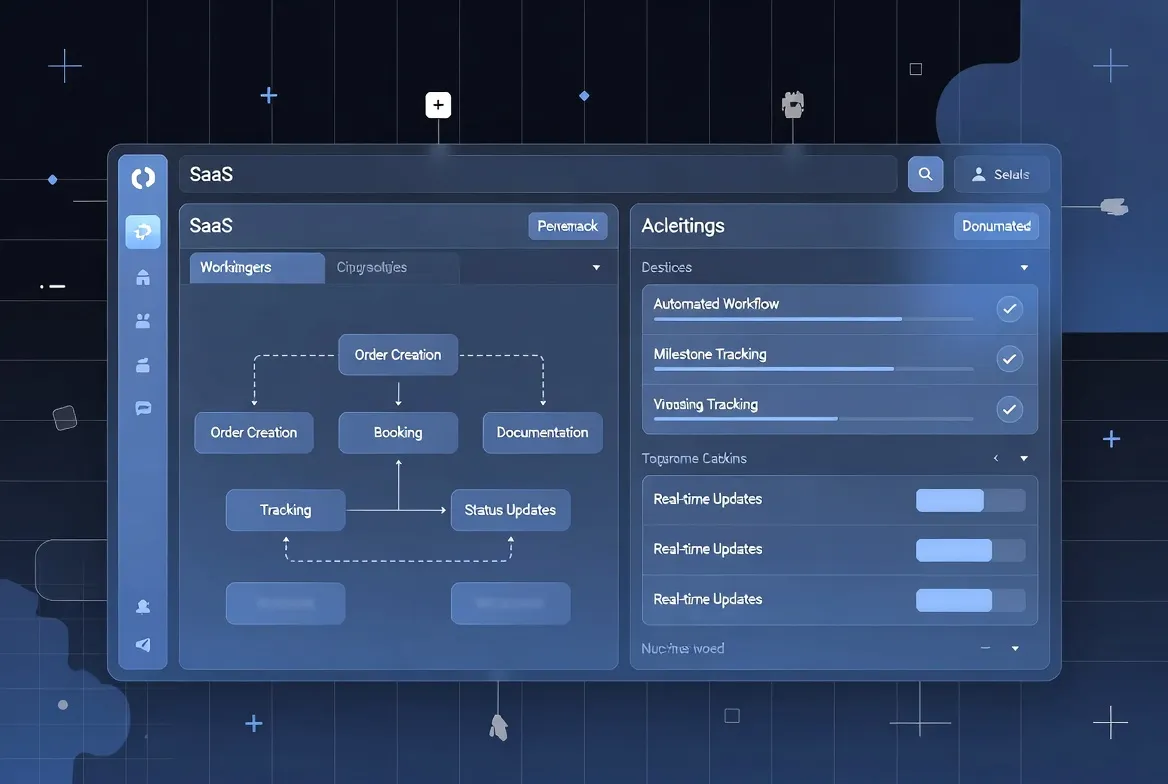
Automated Workflow Management
Many modern systems automate repetitive operational tasks such as:
Status synchronization
Tracking subscriptions
Notification pushing
Billing triggers
Reconciliation workflows
Some platforms also use AI-based data recognition to process shipment documents and logistics data more efficiently.
Exception Alerts and Monitoring
Automatic warning rules help teams identify risks earlier.
Examples include:
Transit delays
Missed milestones
Abnormal warehouse dwell times
Delivery failures
Proactive monitoring improves service reliability.
Benefits for Logistics Companies
Freight tracking systems deliver operational and commercial advantages for logistics organizations.
Improved Customer Experience
Customers increasingly expect real-time shipment visibility.
Self-service tracking portals reduce inquiry volumes while improving customer satisfaction.
Higher Operational Efficiency
Centralized monitoring reduces:
Manual follow-ups
Spreadsheet tracking
Repeated communication
Data duplication
Operations teams can focus on exception handling instead of routine status checking.
Better Supply Chain Coordination
Unified tracking visibility improves collaboration between upstream and downstream logistics partners.
This is especially important for international forwarding networks and cross-border eCommerce fulfillment.
Faster Exception Response
Real-time alerts allow logistics companies to respond to disruptions quickly.
Early intervention can reduce service failures and prevent escalation.
Enhanced Financial Accuracy
Integrated tracking milestones can support automated billing and reconciliation processes.
This reduces financial disputes and improves operational transparency.
Scalable Global Operations
As logistics businesses expand globally, tracking systems help standardize operations across regions, branches, and transportation modes.
Best Practices and Use Cases
Companies implementing freight tracking systems should focus on operational standardization and integration.
Standardize Shipment Milestones
Use consistent milestone definitions across all transportation providers.
This improves reporting and customer visibility.
Integrate Multiple Data Sources
Tracking visibility becomes more valuable when connected with:
ERP systems
Warehouse systems
Carrier APIs
Customs systems
Financial systems
Integration reduces data silos.
Enable Customer Self-Service
Customer-facing tracking portals reduce repetitive inquiry work and improve transparency.
Automate Notification Workflows
Automatic updates improve operational responsiveness while reducing manual communication workloads.
Use Tracking Data for Performance Analysis
Historical shipment data can help evaluate:
Carrier performance
Transit time reliability
Delivery accuracy
Operational bottlenecks
This supports continuous logistics optimization.
Conclusion
Freight tracking systems have become a core component of modern logistics operations. They provide real-time shipment monitoring, milestone visibility, operational coordination, and exception management across increasingly complex global supply chains.
For freight forwarders, 3PL providers, and cross-border eCommerce logistics companies, shipment visibility is no longer optional. Customers expect transparency, while logistics operators require centralized monitoring tools to improve efficiency and scalability.
As logistics networks continue evolving, freight tracking systems will play an increasingly important role in digital supply chain management, collaboration, and automation.
Frequently Asked Questions
What is a freight tracking system in logistics?
A freight tracking system is a digital platform used to monitor shipment status, transportation milestones, and cargo movement across the supply chain. It provides real-time visibility for logistics companies and customers.
How do freight tracking systems work?
Freight tracking systems collect shipment data from carriers, warehouses, customs systems, and logistics platforms. The system then standardizes and displays shipment events in a unified timeline.
Why are freight tracking systems important?
They improve shipment visibility, operational coordination, customer service, and exception management. They also reduce manual tracking work and improve supply chain transparency.
What are the benefits of freight tracking systems?
Key benefits include real-time visibility, faster issue resolution, improved collaboration, workflow automation, customer satisfaction improvement, and operational efficiency.
Can freight tracking systems support multimodal transportation?
Yes. Modern systems can monitor sea freight, air freight, trucking, rail transportation, and last-mile delivery within a unified shipment tracking platform.
About WallTech
WallTech provides digital logistics solutions designed for freight forwarders, 3PL providers, and cross-border logistics companies. Its platforms support end-to-end logistics collaboration, real-time shipment visibility, milestone-based tracking, and operational workflow management across global supply chain networks.
The solutions also help logistics companies improve operational efficiency through automation capabilities such as AI-based data recognition, financial settlement support, automated billing workflows, and multi-role coordination between customers, partners, warehouses, and carriers. WallTech focuses on helping logistics organizations build scalable and connected digital logistics operations for international transportation and supply chain management.
If you're exploring ways to improve your logistics operations, feel free to connect with us to learn more about our solutions and system capabilities.
Scan the QR code or contact our team directly for further discussion.
.webp "How Modern Platforms Enable Operational Collaboration")