Jun 05,2023
What Technologies can a Company Use to Safeguard Information
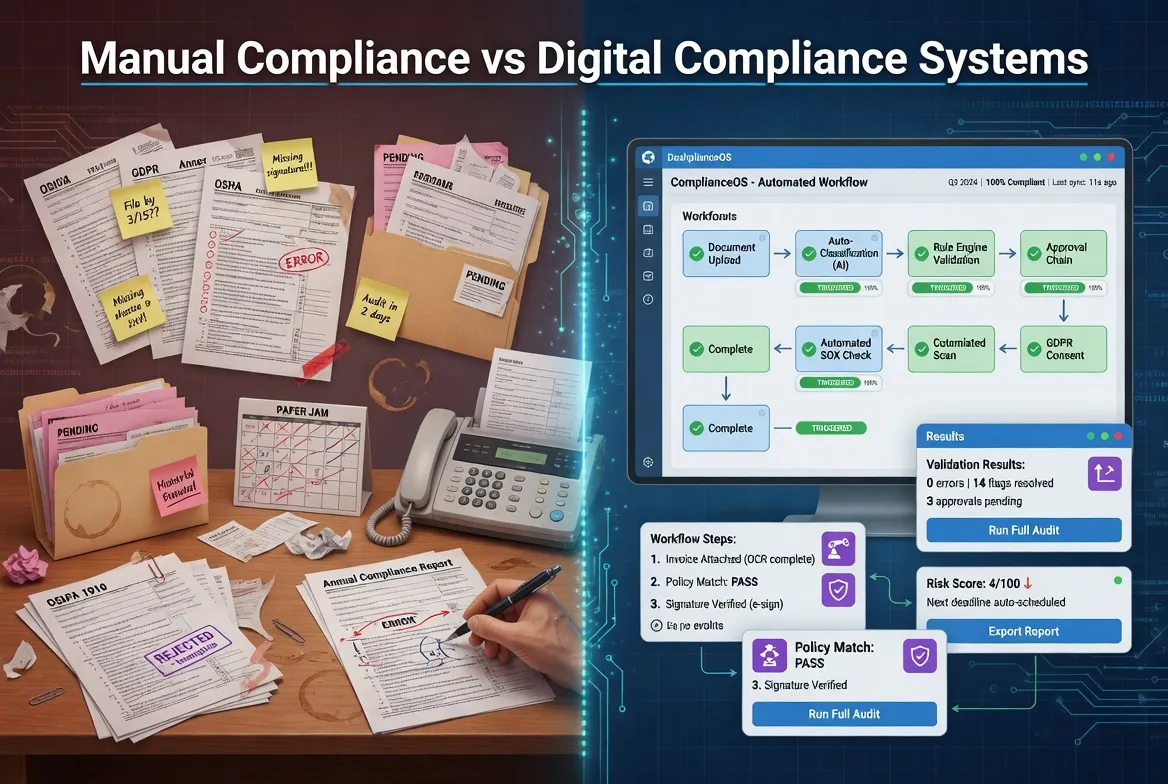
Freight forwarding operations involve complex processes that span multiple teams, locations, and service providers. Each shipment may require coordination between sales teams, operations staff, customs brokers, carriers, warehouses, and customers. In such environments, maintaining consistent operational procedures is essential to ensure efficiency and reliability.
Many logistics companies historically rely on employee experience and informal practices to manage operations. While experienced staff can handle complex cases, this approach often leads to inconsistent processes, operational errors, and difficulties when scaling the business. When employees leave or new staff join, operational knowledge may be lost or inconsistently applied.
Digital freight platforms address this challenge by standardizing operational procedures through system-driven workflows. By embedding Standard Operating Procedures (SOPs) directly into logistics software, companies can guide teams through structured processes, reduce reliance on manual experience, and ensure consistent execution across operations. Modern freight platforms increasingly incorporate SOP engines that automate operational triggers, task assignments, and milestone tracking across shipments.
CargoWare Introduction - EN - 2…
Why SOP Standardization Is Critical in Freight Forwarding
Standard Operating Procedures play a vital role in logistics operations because freight forwarding involves multiple sequential steps. From quotation and booking to documentation, customs clearance, and delivery coordination, each shipment follows a process that requires accurate execution.
Without standardized procedures, operational teams may handle shipments differently depending on individual preferences or local practices. This inconsistency can result in missed milestones, incorrect documentation, or delays in shipment processing. In global logistics networks where multiple branches collaborate, such inconsistencies become even more challenging to manage.
Standardizing SOPs ensures that every shipment follows the same operational structure. By defining clear processes for tasks such as booking confirmation, documentation preparation, and milestone updates, logistics companies can reduce operational variability and improve service reliability.
Challenges of Experience-Based Operations
Many logistics companies operate using knowledge accumulated by experienced employees rather than structured digital processes. While this approach can work in small teams, it often creates operational risks as companies grow.
One major challenge is knowledge dependency. Operational expertise may reside with a small number of experienced employees who understand specific trade routes, documentation requirements, or carrier procedures. When these individuals are unavailable, other team members may struggle to replicate the same operational decisions.
Another challenge is process inconsistency across branches or departments. Different offices may develop their own ways of managing shipments, leading to fragmented operational practices. This can complicate cross-branch collaboration and create difficulties when trying to standardize reporting or operational performance metrics.
Digital freight platforms help overcome these limitations by embedding operational processes directly into system workflows.
Key Capabilities of SOP Management in Logistics Platforms
Modern freight platforms provide several capabilities that support SOP standardization within logistics companies.
One key capability is workflow automation. Systems can define operational steps that must occur during different stages of shipment management. For example, once a booking is confirmed, the system may automatically trigger tasks related to documentation preparation, customer notifications, or cargo readiness verification.
Another important feature is milestone tracking. Logistics platforms can define milestone events such as booking confirmation, cargo departure, customs clearance, and final delivery. These milestones allow operations teams to monitor shipment progress in a structured way while ensuring that required tasks are completed at the appropriate stage.
Role-based task management also improves SOP implementation. Systems assign tasks to specific roles or departments, ensuring that each operational step is handled by the appropriate team member. This reduces confusion and improves accountability within logistics operations.
How SOP Workflows Operate in Digital Freight Systems
In digital freight platforms, SOP workflows are typically structured around shipment lifecycle stages. Each stage of the shipment triggers specific tasks and notifications that guide operational teams through the process.
The workflow usually begins when a shipment is created in the system. At this stage, basic shipment information such as cargo details, routing, and service type is entered into the platform. Based on this information, the system may activate a predefined SOP workflow relevant to that shipment type.
As the shipment progresses, the system automatically prompts operational staff to complete required tasks. For example, once cargo booking is confirmed, the system may request documentation preparation or cargo pickup coordination. These tasks are displayed in user dashboards or operational worklists.
If a milestone is delayed or incomplete, the platform can generate alerts or reminders. This proactive monitoring helps operations teams identify issues early and ensure that shipments remain on schedule.
Operational Benefits of SOP Standardization
Implementing standardized SOP workflows through digital freight platforms brings several operational advantages for logistics companies.
First, operational consistency improves across teams and locations. When processes are embedded in the system, all users follow the same workflow regardless of location or experience level. This ensures that shipments are handled according to company standards.
Second, onboarding new employees becomes easier. Instead of relying on lengthy training or shadowing experienced staff, new team members can follow system-driven workflows that guide them through operational tasks step by step.
Third, standardized workflows help reduce operational errors. Automated reminders, milestone tracking, and task assignments ensure that critical steps are not overlooked during shipment processing.
These improvements contribute to more reliable logistics operations and better service quality for customers.
Best Practices for Implementing SOP Automation
For logistics companies adopting digital freight platforms, several best practices can help ensure successful SOP standardization.
One important practice is mapping existing operational processes before implementing automation. Companies should clearly document their workflows, identifying key tasks, responsibilities, and dependencies across shipment stages.
Another best practice is designing flexible SOP configurations. Logistics operations vary depending on transport modes, trade lanes, and customer requirements. Systems should allow companies to configure different SOP workflows for different shipment types.
Finally, regular process reviews are important. As logistics networks evolve and new services are introduced, SOP workflows may need adjustments. Continuous optimization ensures that operational procedures remain aligned with business requirements.
Conclusion
Standard Operating Procedures are essential for maintaining efficiency and consistency in freight forwarding operations. However, relying solely on employee experience to manage operational workflows can create risks as logistics companies grow and expand across multiple locations.
Digital freight platforms help address this challenge by embedding SOP workflows directly into logistics systems. Through automated task assignments, milestone tracking, and role-based responsibilities, these platforms guide operational teams through structured shipment processes.
By standardizing operational procedures within digital systems, freight forwarding companies can improve operational consistency, reduce errors, and scale their logistics operations more effectively in increasingly complex global supply chains.