May 07,2026
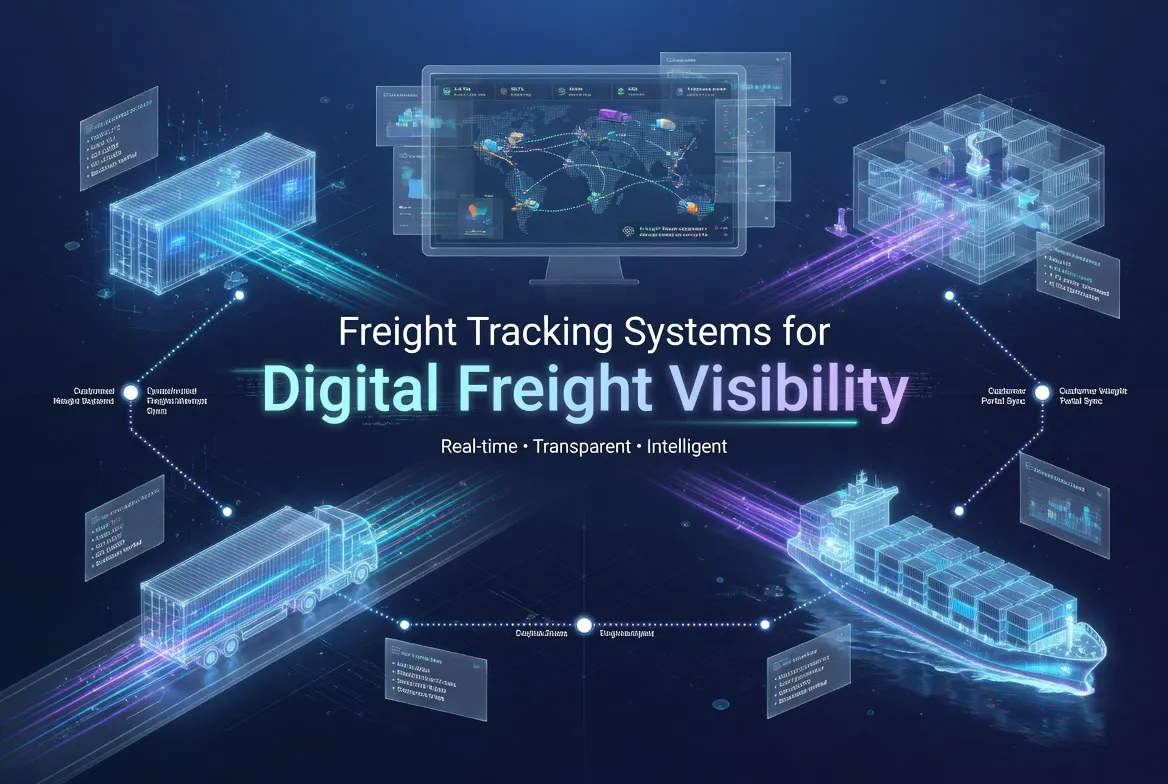
Freight Tracking Systems for Digital Freight Visibility
An air freight management system is a digital platform designed to manage air cargo operations, including booking coordination, airway bill processing, flight tracking, cost calculation, and financial settlement. It centralizes operational and financial workflows for international air freight within a structured and automated system.
Why Is Air Freight Management Unique?
Air freight differs from ocean freight due to:
Shorter transit times
Strict flight schedules
Weight and volumetric pricing rules
Frequent rate updates
Higher urgency and service expectations
Air cargo operations require fast coordination between airlines, ground handlers, customs authorities, and inland transport providers. Manual processes can lead to documentation errors, missed cut-offs, and pricing mistakes.
An air freight management system standardizes and accelerates these workflows.
Core Functions of an Air Freight Management System
Flight & Booking Management
Manage airline bookings, flight schedules, and airway bill information. The system records:
MAWB (Master Air Waybill) details
HAWB (House Air Waybill) details
ETD and ETA
Airline and route information
All booking data is linked to shipment records.
Weight & Volume Calculation
Automatically calculate:
Chargeable weight
Volumetric weight
Rate per kilogram
Fuel surcharges
Security fees
This ensures accurate quotation and billing.
Airway Bill & Documentation Handling
Generate and manage:
Air waybills
Cargo manifests
Customs documentation
Handling instructions
Documents are centrally stored and connected to operational workflows.
Real-Time Flight Tracking
Track shipment progress across:
Airport departure
Transit hubs
Final arrival
Delivery handover
Flight status updates support milestone monitoring and delay management.
Cost & Profit Control
Manage:
Airline costs
Handling charges
Inland transportation fees
Additional service fees
Shipment-level profit can be calculated automatically based on actual costs and billed revenue.
Financial Integration
Integrate operational data with:
Accounts receivable
Accounts payable
Invoice generation
Multi-currency settlement
This ensures financial transparency across air freight operations.
How Is It Different from a General Freight System?
A general freight system may manage multiple transport modes without detailed air cargo logic.
An air freight management system focuses specifically on:
Flight scheduling constraints
Chargeable weight rules
Airline-specific rate structures
Airway bill management
Rapid operational turnaround
It is optimized for time-sensitive cargo operations.
Who Uses an Air Freight Management System?
Typical users include:
Air freight forwarders
Express cargo operators
Multimodal logistics providers
Freight companies handling time-critical shipments
Organizations managing frequent international air cargo benefit most from specialized air freight systems.
Business Benefits
Implementing an air freight management system can:
Improve booking accuracy
Reduce manual weight calculation errors
Accelerate documentation processing
Increase shipment visibility
Improve profit transparency
Support fast operational response
It enables structured and efficient management of time-sensitive air cargo.
Conclusion
An air freight management system is a specialized digital platform for coordinating international air cargo operations. By integrating booking management, flight tracking, documentation control, and financial workflows, it supports efficient, accurate, and scalable air freight management.