
Feb 12,2026
International Parcel Tracking Systems: Driving Visibility, Efficiency & Growth in Cross-Border Logistics
Introduction
A logistics platform for cross-border e-commerce sellers is a centralized system that manages order fulfillment, shipment tracking, carrier selection, and operational coordination across international markets. It works by integrating order sources, logistics providers, and tracking data into a unified workflow, enabling sellers to manage global fulfillment efficiently. This is essential because cross-border e-commerce involves fragmented systems, multiple carriers, and high operational complexity that cannot be handled effectively with manual processes alone.
What is a Logistics Platform for Cross-Border E-Commerce Sellers
A logistics platform for cross-border e-commerce sellers is a digital system designed to support the full logistics lifecycle of international online orders.
It typically covers:
Order ingestion from multiple sales channels (e.g., marketplaces, DTC websites)
Warehouse and fulfillment coordination
Carrier selection and shipment execution
Customs clearance handling
Last-mile delivery management
End-to-end shipment tracking
Financial settlement and cost control
Unlike traditional logistics tools, these platforms are built specifically to handle high-volume, multi-country, and multi-carrier operations common in cross-border e-commerce.
They also enable coordination between sellers, warehouses, logistics providers, and customers within a single system.
Why It Matters
Cross-border e-commerce logistics is significantly more complex than domestic fulfillment due to:
Multiple sales channels and order sources
Diverse international shipping routes and carriers
Varying customs regulations across countries
High order volumes with tight delivery expectations
Frequent customer inquiries about shipment status
Without a dedicated platform, sellers often rely on disconnected tools such as:
Spreadsheets for order management
Carrier portals for tracking
Emails for coordination
Separate systems for finance and operations
This leads to:
Inefficient order processing
Lack of visibility across shipment stages
Increased operational errors
Poor customer experience
A logistics platform solves these issues by:
Centralizing all logistics operations
Providing real-time visibility across shipments
Enabling seamless collaboration between stakeholders
Automating repetitive processes
For growing e-commerce sellers, adopting such a platform is critical to scaling operations while maintaining service quality.
How a Logistics Platform Works
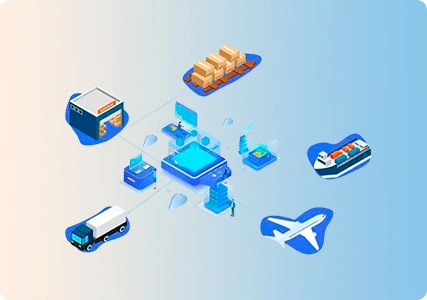
A cross-border e-commerce logistics platform operates by connecting order data, logistics processes, and tracking systems into a unified workflow.
1. Order Integration and Management
Orders are automatically imported from multiple sources:
E-commerce marketplaces (e.g., Amazon, Shopify)
Brand websites
ERP or OMS systems
The platform consolidates all orders into one system, eliminating the need for manual data entry.
2. Intelligent Fulfillment Coordination
The system determines how each order should be fulfilled based on:
Warehouse location
Inventory availability
Delivery destination
Service-level requirements
Orders are then routed to the appropriate warehouse or fulfillment center.
3. Multi-Carrier Shipment Execution
The platform supports integration with multiple logistics providers, enabling:
Carrier selection based on rules or preferences
Label generation and shipment creation
Coordination across first-mile, line-haul, and last-mile delivery
This ensures flexibility and optimization across different shipping scenarios.
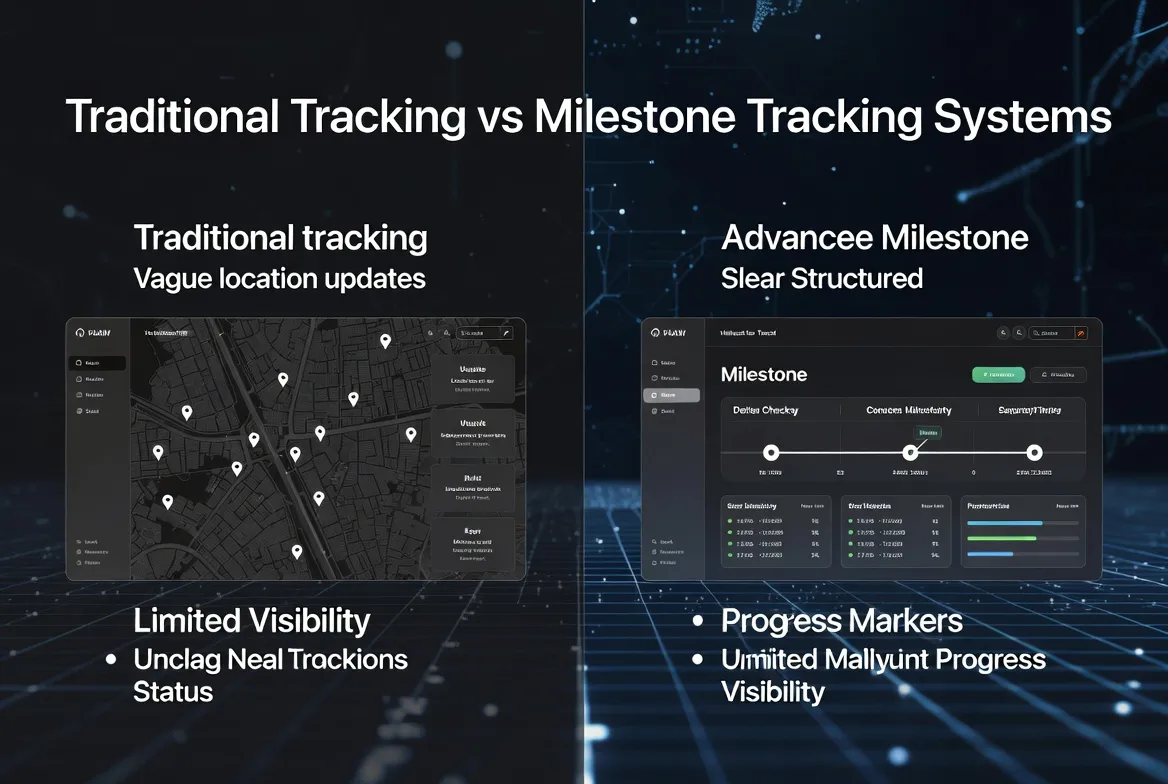
4. End-to-End Tracking and Visibility
Tracking data from different carriers and logistics partners is aggregated into a unified timeline.
This includes:
Warehouse processing updates
Carrier tracking events
Customs clearance status
Delivery milestones
Milestone-based tracking ensures consistent visibility across all shipment stages.
5. Exception Management
The system monitors shipments for delays or issues and triggers alerts when:
Shipments deviate from expected timelines
Tracking updates are missing
Delivery exceptions occur
This allows teams to take proactive action.
6. Financial and Settlement Integration
The platform automates financial processes such as:
Cost calculation per shipment
Automated billing and invoicing
Reconciliation with logistics providers
This ensures financial accuracy and reduces manual workload.
Key Features / Key Capabilities
A modern logistics platform for cross-border e-commerce sellers includes:
Multi-channel order integration
Consolidates orders from various sales platformsEnd-to-end shipment visibility
Provides real-time tracking across all logistics stagesMulti-carrier management
Supports multiple logistics providers and delivery optionsMilestone-based tracking system
Standardizes shipment progress across different carriersWorkflow automation
Automates order processing, tracking updates, and billingException monitoring and alerts
Identifies and flags shipment issues in real timeCustomer-facing tracking portal
Enables customers to track orders independentlyData synchronization across systems
Integrates with ERP, WMS, and other business systems
Benefits for Logistics Companies and Sellers
1. Improved Operational Efficiency
Automation reduces manual work and accelerates order processing.
2. Enhanced Visibility
Real-time tracking provides full transparency across all shipments.
3. Better Customer Experience
Customers can access accurate tracking information, reducing inquiry volume.
4. Scalable Operations
The platform supports high order volumes without increasing operational complexity.
5. Reduced Errors and Costs
Standardized workflows and automated processes minimize mistakes and inefficiencies.
Best Practices / Use Cases
1. Centralize All Order Data
Ensure all orders flow into a single system to avoid fragmentation.
2. Optimize Carrier Selection
Use rule-based logic to select the most suitable carrier for each shipment.
3. Enable Real-Time Tracking
Provide visibility to both internal teams and customers.
4. Automate High-Volume Processes
Focus on automating repetitive tasks such as label generation and billing.
5. Integrate Systems Across the Workflow
Connect e-commerce platforms, warehouses, and logistics providers for seamless operations.
Practical Use Cases
Cross-border e-commerce sellers managing global fulfillment
3PL providers handling multi-client e-commerce logistics
Logistics operators supporting marketplace sellers
Brands scaling international direct-to-consumer (DTC) operations
Conclusion
A logistics platform for cross-border e-commerce sellers is essential for managing the complexity of global fulfillment. By integrating order management, shipment execution, tracking, and financial processes into a single system, it enables efficient, scalable, and transparent operations. As cross-border e-commerce continues to grow, adopting such platforms is key to maintaining competitiveness and delivering a consistent customer experience.
Frequently Asked Questions
What is a logistics platform for cross-border e-commerce?
It is a system that manages order fulfillment, shipment execution, tracking, and financial processes for international e-commerce operations.
How does a logistics platform work for e-commerce sellers?
It integrates order data, coordinates fulfillment and shipping, aggregates tracking information, and automates operational workflows.
Why is a logistics platform important for cross-border sellers?
It reduces operational complexity, improves visibility, and enables scalable growth across multiple markets.
What are the benefits of using such a platform?
Benefits include improved efficiency, better tracking visibility, enhanced customer experience, and reduced operational errors.
About WallTech
WallTech provides digital logistics solutions tailored for cross-border e-commerce operations. Its platforms enable end-to-end logistics collaboration by connecting sellers, warehouses, carriers, and partners within a unified system. With real-time shipment visibility, milestone-based tracking, and integrated operational and financial workflows, businesses can manage complex international fulfillment processes more efficiently. The system also incorporates automation capabilities such as AI-assisted data processing, workflow automation, and automated billing to support scalable growth.
If you're exploring ways to improve your logistics operations, feel free to connect with us to learn more about our solutions and system capabilities.
.webp "What Is a Logistics Customer Portal and How It Works")