


.webp "Best Practices for Managing Shipping Document Workflows")
Mar 18,2026
Best Practices for Managing Shipping Document Workflows
Introduction
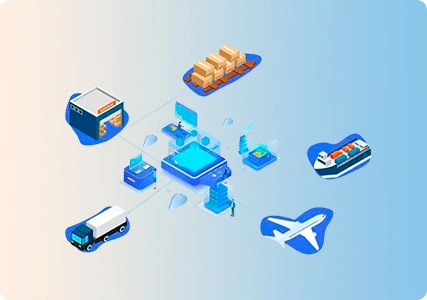
A logistics partner network system is a digital platform that connects logistics companies with external partners such as carriers, agents, warehouses, and service providers. These systems allow companies to coordinate shipment operations, exchange data, and manage logistics partnerships within a unified environment.
What Is a Logistics Partner Network System?
A logistics partner network system is designed to support collaboration across a network of logistics partners. In international logistics operations, shipments often require coordination between multiple companies operating in different locations.
Freight forwarders may work with overseas agents, trucking providers, ocean carriers, warehouse operators, customs brokers, and last-mile delivery companies. Managing these relationships manually can become difficult as logistics networks grow.
Partner network systems address this challenge by providing a centralized platform where companies can connect with partners, share shipment information, and coordinate operational activities.
Why Logistics Companies Build Partner Networks
Modern supply chains rely on extensive logistics networks rather than isolated service providers. By building structured partner networks, logistics companies can expand their service capabilities and operate across more regions.
Partner network systems allow companies to collaborate with multiple service providers while maintaining operational control through a centralized platform.
These systems help logistics companies coordinate activities across the network and maintain consistent shipment visibility even when operations are handled by different partners.
Key Functions of Logistics Partner Network Systems
1. Centralized Partner Management
Partner network systems allow companies to manage relationships with multiple logistics partners within one platform. Information about agents, carriers, warehouses, and service providers can be recorded and organized centrally.
This simplifies partner management and helps logistics teams maintain a structured view of their network.
2. Shared Shipment Data
One of the most important functions is enabling partners to access shipment information through a shared system. Orders, shipment milestones, and operational updates can be synchronized across participating partners.
This ensures that all companies involved in the shipment process are working with consistent data.
3. Operational Coordination
Partner network systems support coordination between multiple service providers during shipment operations. Transportation segments, warehouse operations, and delivery processes can be managed through connected workflows.
This helps logistics companies maintain better control over multi-stage transportation processes.
4. Integrated Tracking and Updates
Many partner network systems provide shipment tracking capabilities. Operational events generated by carriers or logistics partners can be captured within the platform and displayed in a unified tracking timeline.
This provides better visibility across the logistics network.
Benefits for Logistics Companies
Using logistics partner network systems provides several operational advantages.
First, these systems improve coordination between logistics partners. Instead of relying on manual communication channels, partners can exchange operational information through a shared platform.
Second, shipment visibility improves because tracking updates from different partners are consolidated within one system.
Third, logistics companies can scale their operations more easily. As new partners join the network, they can be integrated into existing workflows without significantly increasing operational complexity.
Finally, partner networks help companies expand service coverage. By working with reliable partners in different regions, logistics providers can offer global services without building physical operations everywhere.
Best Practices for Managing Logistics Partner Networks
To successfully implement partner network systems, companies should focus on building structured collaboration processes.
First, companies should standardize shipment data and operational workflows so that partners follow consistent procedures.
Second, system integration is important. Partner network platforms should connect with existing logistics systems such as transportation management systems, warehouse systems, and tracking platforms.
Third, companies should define clear access permissions for partners to ensure that each participant can view and manage only relevant operational information.
Finally, partner onboarding and training are essential to ensure that network participants can effectively use the system.
Conclusion
Logistics partner network systems play an important role in modern supply chain operations. As logistics networks expand globally, companies must coordinate activities across multiple service providers and operational regions.
By connecting partners through centralized platforms, these systems improve operational coordination, shipment visibility, and collaboration across the logistics ecosystem. For logistics companies managing complex global operations, partner network systems have become an essential component of digital logistics infrastructure.