.webp "What Is a Freight Operations System?")
Mar 04,2026
What Is a Freight Operations System?
Introduction
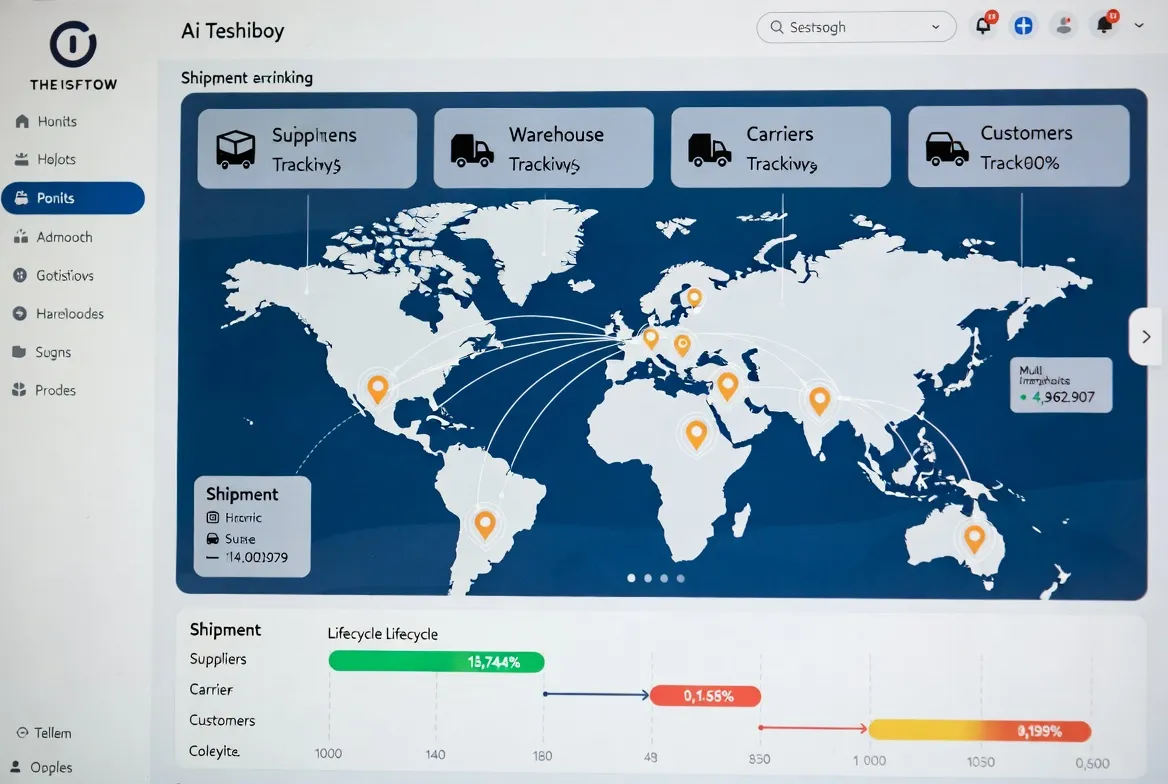
AI is transforming global logistics operations by automating data processing, improving decision-making, and enhancing efficiency across complex supply chains. From document recognition to predictive analytics, AI enables logistics companies to operate faster, more accurately, and at scale.
What Is AI in Logistics
AI in logistics refers to the use of machine learning, data analysis, and automation technologies to optimize logistics processes.
Common applications include:
Document data extraction (OCR)
Shipment prediction and optimization
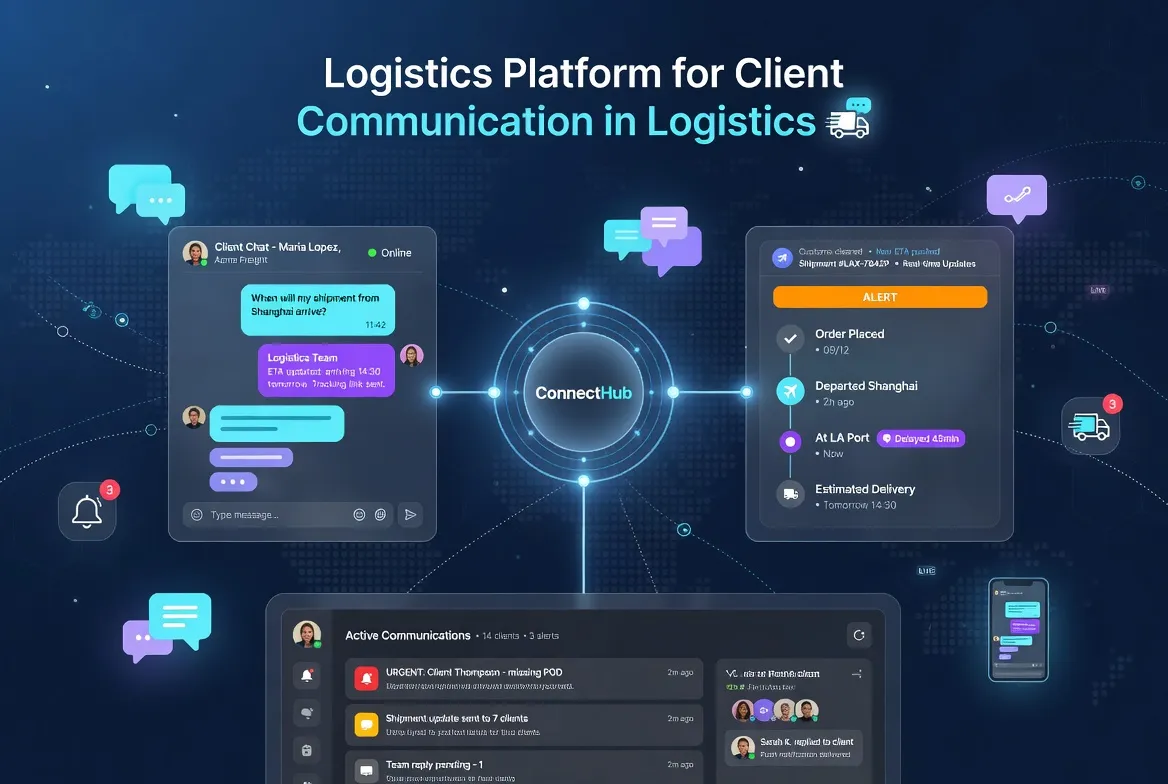
Automated customer communication
Intelligent pricing and rate management
Why AI Matters in Logistics
Logistics operations generate large volumes of data and involve repetitive processes. Without AI:
Data entry is time-consuming
Errors are more frequent
Decision-making is slower
Operations are harder to scale
AI helps address these challenges by automating and optimizing processes.
How AI Works in Logistics Operations
Data Recognition and Extraction
AI extracts key data from documents such as invoices and shipping instructions.Workflow Automation
AI triggers tasks based on patterns and predefined rules.Predictive Analytics
AI analyzes historical data to forecast delays or demand.Real-Time Decision Support
AI provides insights to improve operational decisions.
Key Features
AI-powered OCR for logistics documents
Intelligent workflow automation
Predictive shipment tracking and alerts
Data-driven insights and analytics
Integration with logistics platforms
Benefits for Logistics Companies
Reduced manual workload
Improved data accuracy
Faster decision-making
Enhanced operational efficiency
Best Practices / Use Cases
Automating document processing in freight forwarding
Using AI for shipment delay prediction
Applying AI in pricing and rate management
Conclusion
AI is becoming a key driver of transformation in global logistics. By automating processes and enhancing decision-making, it enables logistics companies to improve efficiency and scalability in increasingly complex operations.
Frequently Asked Questions
What is AI in logistics?
It is the use of artificial intelligence to automate and optimize logistics processes.
How does AI improve logistics operations?
By reducing manual work, improving accuracy, and enabling predictive insights.
What are common AI use cases?
Document recognition, workflow automation, and predictive analytics.
What are the benefits?
Efficiency, accuracy, and scalability.
About WallTech
WallTech integrates AI capabilities into its logistics platforms to support smarter operations. With features such as AI-driven data recognition, automated workflows, and real-time visibility, WallTech helps logistics companies improve efficiency, reduce manual work, and make better operational decisions across global supply chains.
If you're exploring ways to improve your logistics operations, feel free to connect with us to learn more about our solutions and system capabilities.