.webp "The Role of Supply Chain Tracking in Modern Logistics")
Mar 13,2026
The Role of Supply Chain Tracking in Modern Logistics
Introduction
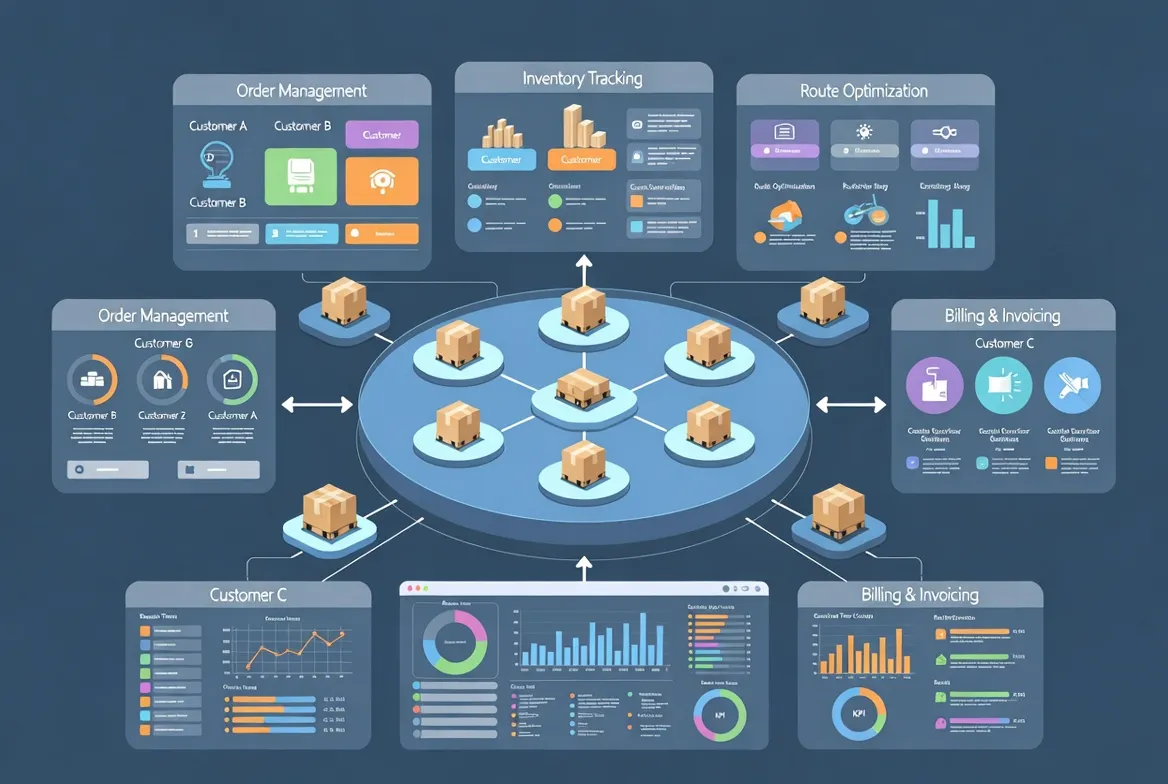
Logistics companies manage global shipment data by centralizing information within digital platforms, standardizing data structures, and automating data capture and processing across the entire shipment lifecycle. These systems integrate data from multiple sources—such as carriers, warehouses, customs systems, and partners—and present it through a unified interface for real-time access and decision-making.
In global logistics operations, shipment data is generated across multiple countries, systems, and stakeholders. Without a centralized approach, data becomes fragmented, inconsistent, and difficult to manage. Modern logistics platforms address this challenge by creating a single source of truth, enabling efficient data management, visibility, and operational control.
What is Global Shipment Data?
Global shipment data refers to all information associated with the movement of goods across international borders. This includes:
Shipment details (origin, destination, cargo type, volume)
Transportation information (carriers, routes, schedules)
Documentation (invoices, packing lists, bills of lading)
Customs and compliance data
Tracking events and status updates
Financial data (costs, billing, payments)
For freight forwarders and 3PL providers, managing this data accurately is essential for ensuring smooth operations and regulatory compliance.
Why Managing Global Shipment Data Matters
Effective data management is critical in global logistics due to the scale and complexity of operations.
Key challenges include:
Data fragmentation: Information is stored across multiple systems and formats
Manual data entry: Increases workload and error rates
Inconsistent data standards: Difficult to synchronize across regions
Limited visibility: Disconnected data reduces operational transparency
Compliance risks: Inaccurate data can lead to customs issues
Without proper data management, logistics companies face inefficiencies, delays, and financial discrepancies.
How Logistics Companies Manage Global Shipment Data
Logistics companies use digital systems to manage global shipment data through several key processes:
1. Centralized Data Platform
All shipment-related data is stored in a single system, ensuring consistency and accessibility across the organization.
2. Data Standardization
The system enforces standardized formats and templates for data input, ensuring uniformity across regions and stakeholders.
3. Automated Data Capture
AI-based technologies extract data from documents such as invoices and shipping instructions, reducing manual input.
4. Real-Time Data Synchronization
Data is updated in real time as shipments progress, ensuring that all stakeholders have access to the latest information.
5. Multi-Party Data Sharing
Different stakeholders—including internal teams, customers, and partners—can access relevant data based on role permissions.
6. Integration with External Systems
The platform integrates with ERP, WMS, carrier systems, and customs platforms to ensure seamless data exchange.
Key Features / Key Capabilities
Logistics platforms provide several capabilities for managing global shipment data effectively:
1. Unified Data Management
Centralized storage of all shipment data
Elimination of data silos
Consistent data across regions and systems
2. End-to-End Visibility
Real-time tracking of shipment data
Unified timeline of shipment events
Transparent access for stakeholders
3. Multi-Role Collaboration
Shared data access across internal and external stakeholders
Improved communication and coordination
Upstream and downstream data connectivity
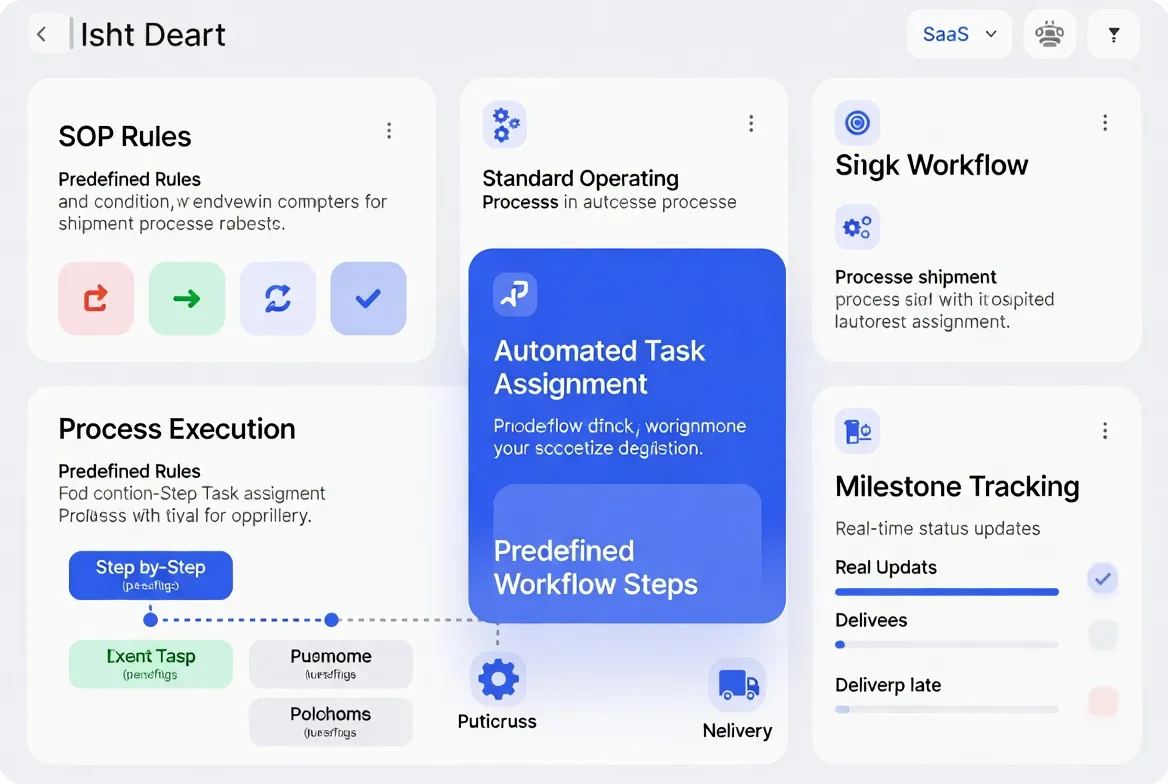
4. Workflow Automation
Automated data entry and validation
AI-driven document recognition
Reduced manual processing
5. Financial Data Integration
Linking operational data with billing and cost management
Automated invoicing and reconciliation
Improved financial accuracy
6. Data Security and Access Control
Role-based permissions
Secure data sharing across partners
Compliance with data protection requirements
Benefits for Logistics Companies
By effectively managing global shipment data, logistics companies can achieve:
Improved data accuracy: Reduced errors through automation and standardization
Enhanced visibility: Real-time access to shipment information
Increased efficiency: Faster processing and reduced manual workload
Better decision-making: Data-driven insights for operational optimization
Scalability: Ability to handle large volumes of shipment data
These benefits are especially important for freight forwarders and cross-border eCommerce logistics providers managing complex international operations.
Best Practices / Use Cases
To effectively manage global shipment data, companies should adopt the following best practices:
1. Implement a Centralized Data System
Use a unified platform to manage all shipment data instead of multiple disconnected tools.
2. Standardize Data Formats
Define consistent data structures to ensure compatibility across systems and regions.
3. Automate Data Capture and Processing
Leverage AI technologies to reduce manual data entry and improve accuracy.
4. Enable Real-Time Data Sharing
Allow stakeholders to access and update data within the system.
5. Integrate Systems Across the Ecosystem
Ensure seamless data exchange between logistics platforms, carriers, and external systems.
6. Link Data with Operational Workflows
Ensure that shipment data drives operational processes and decision-making.
Conclusion
Managing global shipment data is a foundational aspect of modern logistics operations. By centralizing, standardizing, and automating data management, logistics companies can transform fragmented information into a powerful asset for efficiency and decision-making.
As global logistics networks continue to grow in complexity, companies that invest in advanced data management systems will be better positioned to improve performance, reduce risks, and scale their operations.
Frequently Asked Questions
What is global shipment data?
Global shipment data includes all information related to the movement of goods across international borders, such as shipment details, tracking events, and financial data.
How do logistics companies manage shipment data?
They use digital platforms to centralize, standardize, and automate data management across the shipment lifecycle.
Why is data management important in logistics?
It ensures accuracy, improves visibility, and supports efficient operations and decision-making.
What are the key features of shipment data management systems?
Key features include centralized data storage, real-time updates, automation, and system integration.
What are the benefits of managing shipment data effectively?
Benefits include improved accuracy, enhanced visibility, increased efficiency, and scalable operations.
About WallTech
WallTech provides digital logistics solutions that help companies manage global shipment data through integrated, cloud-based platforms. Its systems enable end-to-end collaboration by connecting internal teams with external partners across the logistics ecosystem. With real-time shipment visibility and milestone-based tracking, companies can access and manage data across all stages of the shipment lifecycle. In addition, workflow automation and financial automation—such as automated billing and reconciliation—help reduce manual workload and improve data accuracy. These capabilities support logistics providers in optimizing data management and scaling their global operations efficiently.
If you're exploring ways to improve your logistics operations, feel free to connect with us to learn more about our solutions and system capabilities.