May 07,2026
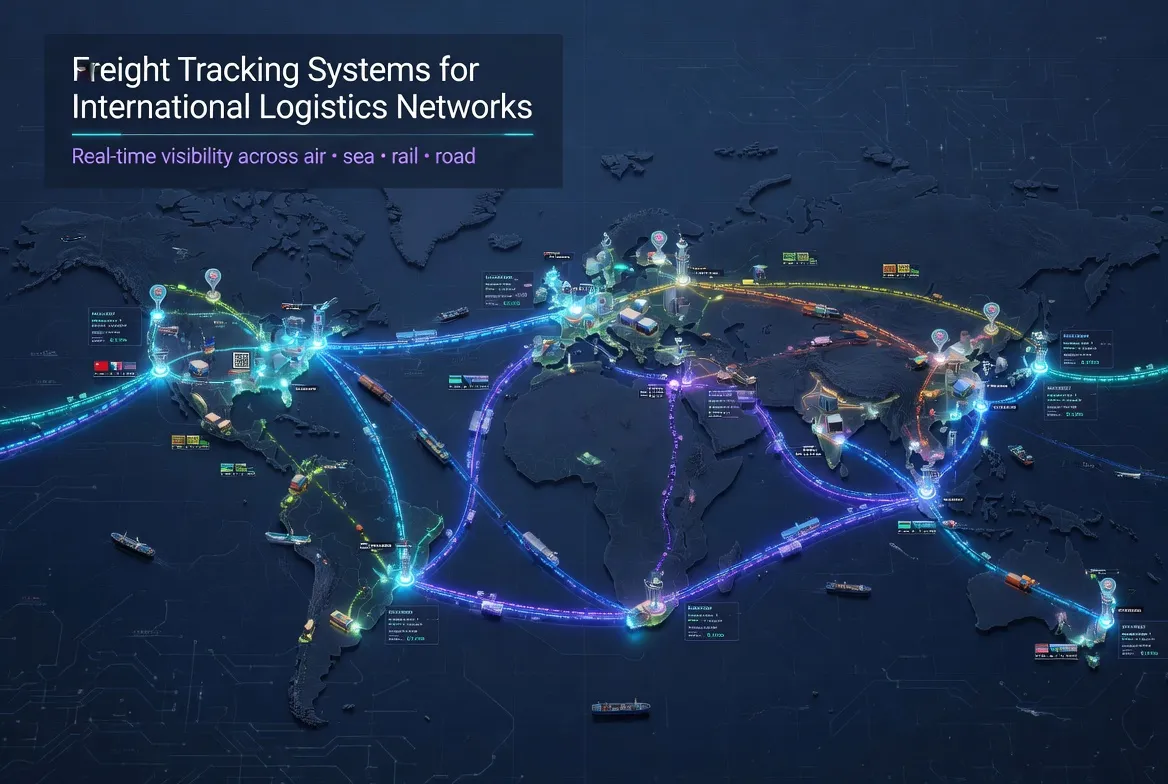
Freight Tracking Systems for International Logistics Networks
Introduction
The key features of logistics customer portals include real-time shipment tracking, self-service access, document management, automated notifications, and secure data access. These features enable customers to independently manage shipments, access information, and interact with logistics providers through a centralized digital platform.
For freight forwarders, 3PLs, and cross-border logistics companies, customer portals are no longer optional—they are essential tools for delivering transparency, improving efficiency, and meeting modern customer expectations.
What Are Logistics Customer Portals
A logistics customer portal is a digital interface that connects customers directly to a logistics system.
Through the portal, customers can:
Track shipments in real time
Access documents and invoices
Submit booking or quotation requests
Monitor shipment progress and exceptions
Communicate with logistics providers
It serves as a self-service platform that reduces reliance on manual communication and improves operational transparency.
Why Customer Portal Features Matter
1. Improves Customer Experience
Customers expect instant access to shipment information and services.
2. Reduces Operational Workload
Self-service capabilities reduce repetitive inquiries and manual tasks.
3. Enhances Transparency
Customers can monitor shipments and access data directly.
4. Supports Scalable Operations
Digital portals allow logistics companies to manage more customers efficiently.
5. Strengthens Collaboration
Shared data improves coordination between customers and logistics teams.
How Logistics Customer Portals Work
1. Integration with Core Logistics Systems
Customer portals connect directly to logistics platforms, enabling access to:
Shipment data
Tracking updates
Financial information
Documents and records
2. Real-Time Data Synchronization
As shipment events occur, the system updates the portal automatically, ensuring data accuracy and consistency.
3. Secure User Access
Customers log in through secure authentication, with role-based permissions controlling data visibility.
4. Workflow Integration
Customer actions, such as booking requests or inquiries, trigger internal workflows within the logistics system.
5. Automation and AI Support
Modern portals include:
AI-driven data recognition
Automated notifications
Workflow automation linked to shipment milestones
Key Features of Logistics Customer Portals
1. Real-Time Shipment Tracking
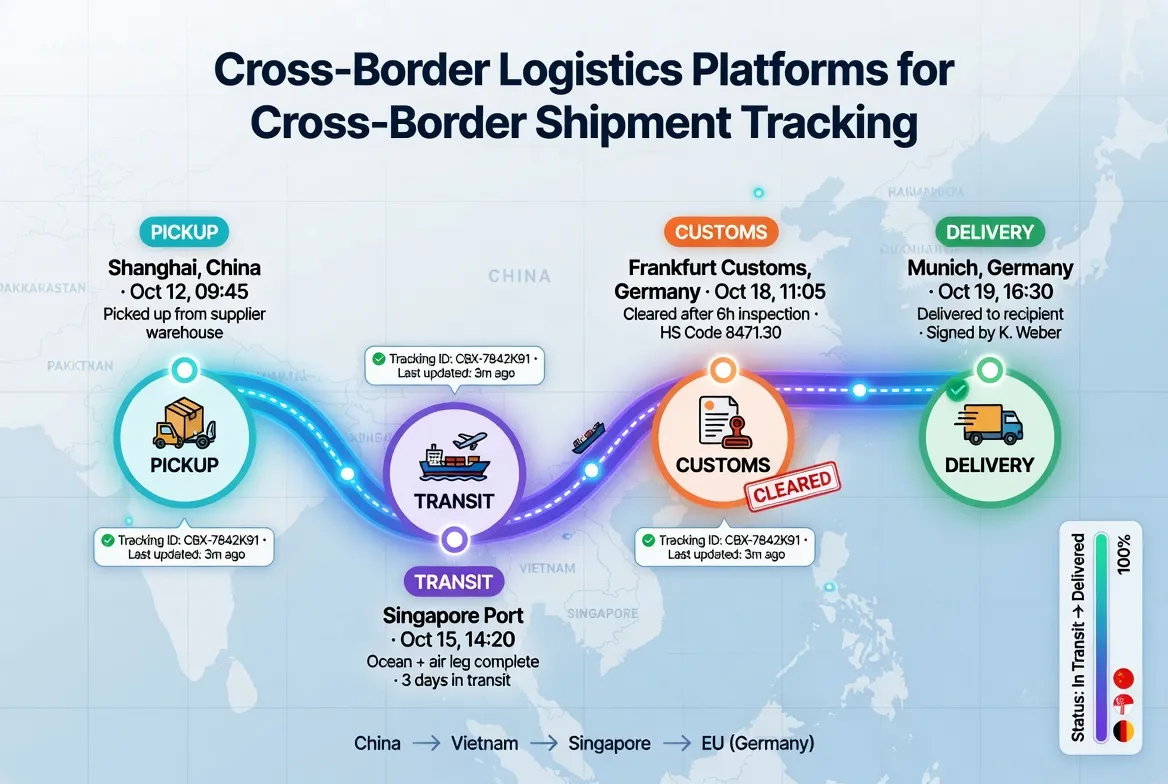
End-to-end visibility across ocean, air, land, and express shipments
Milestone-based tracking for structured updates
Unified shipment timeline
2. Self-Service Access
Customers can independently track shipments
Access information without contacting support
Manage bookings and requests
3. Document Management
Access to shipping documents such as invoices, bills of lading, and packing lists
Centralized document storage
Easy download and sharing
4. Automated Notifications and Alerts
Real-time updates for shipment milestones
Alerts for delays, exceptions, or issues
Proactive communication without manual effort
5. Order and Booking Management
Ability to submit booking or quotation requests
View order details and history
Track shipment progress from booking to delivery
6. Financial Visibility
Access to invoices and billing status
Visibility into costs and charges
Integration with financial processes
7. Multi-Role Collaboration
Shared platform for customers and internal teams
Alignment across sales, operations, documentation, and finance
Improved communication and coordination
8. Secure Access Control
Role-based permissions
Data privacy and protection
Controlled access to sensitive information
Benefits for Logistics Companies
1. Reduced Customer Inquiries
Customers can access information independently, reducing support workload.
2. Improved Data Accuracy
Data is pulled directly from the system, minimizing errors.
3. Enhanced Customer Satisfaction
Transparency and convenience improve overall experience.
4. Increased Efficiency
Automation reduces manual tasks and speeds up workflows.
5. Scalable Customer Management
Portals enable companies to manage growing customer bases without additional resources.
Best Practices / Use Cases
1. Implement End-to-End Tracking
Provide customers with full visibility across all shipment stages.
2. Enable Self-Service Functionality
Allow customers to access data and perform actions independently.
3. Automate Notifications
Send real-time updates to keep customers informed proactively.
4. Integrate Financial Data
Provide visibility into billing and financial processes.
5. Ensure Data Security
Implement strong access control and data protection measures.
Conclusion
Logistics customer portals are essential tools for modern logistics operations. By offering features such as real-time tracking, self-service access, and automated communication, they improve transparency, efficiency, and customer satisfaction.
As customer expectations continue to evolve, logistics companies that invest in advanced portal capabilities will be better positioned to compete and scale.
Frequently Asked Questions
What are logistics customer portals?
They are digital platforms that allow customers to track shipments, access documents, and interact with logistics providers.
What are the key features of customer portals?
Real-time tracking, self-service access, document management, notifications, and secure access control.
Why are customer portals important in logistics?
They improve transparency, reduce workload, and enhance customer experience.
How do customer portals improve efficiency?
By automating processes and reducing manual communication.
What are the benefits of using customer portals?
Improved customer satisfaction, reduced errors, increased efficiency, and scalable operations.
About WallTech
WallTech provides digital logistics solutions that include advanced customer portal capabilities designed to enhance transparency and efficiency. Its platforms enable end-to-end shipment visibility through milestone-based tracking, allowing customers to monitor shipments in real time. By connecting customers, internal teams, and partners within a unified system, WallTech supports seamless multi-role collaboration. The system also incorporates automation features such as AI-driven data recognition, workflow automation, and automated billing and reconciliation, helping logistics companies improve operational efficiency while delivering a modern and scalable customer experience.
If you're exploring ways to improve your logistics operations, feel free to connect with us to learn more about our solutions and system capabilities.