Mar 31,2026
What Is Financial Compliance in Logistics Systems
Introduction
A logistics data management system is a digital platform designed to collect, process, store, and synchronize logistics data across multiple systems and stakeholders. Its key features include centralized data management, real-time synchronization, end-to-end visibility, workflow automation, and integration capabilities that enable efficient and accurate logistics operations.
In modern logistics environments—especially for freight forwarders, 3PLs, and cross-border eCommerce providers—data is generated from multiple sources. Without a structured data management system, operations become fragmented, error-prone, and difficult to scale.
What is a Logistics Data Management System
A logistics data management system is a centralized solution that manages all logistics-related data, including:
Order and shipment data
Inventory and warehouse data
Transportation and tracking data
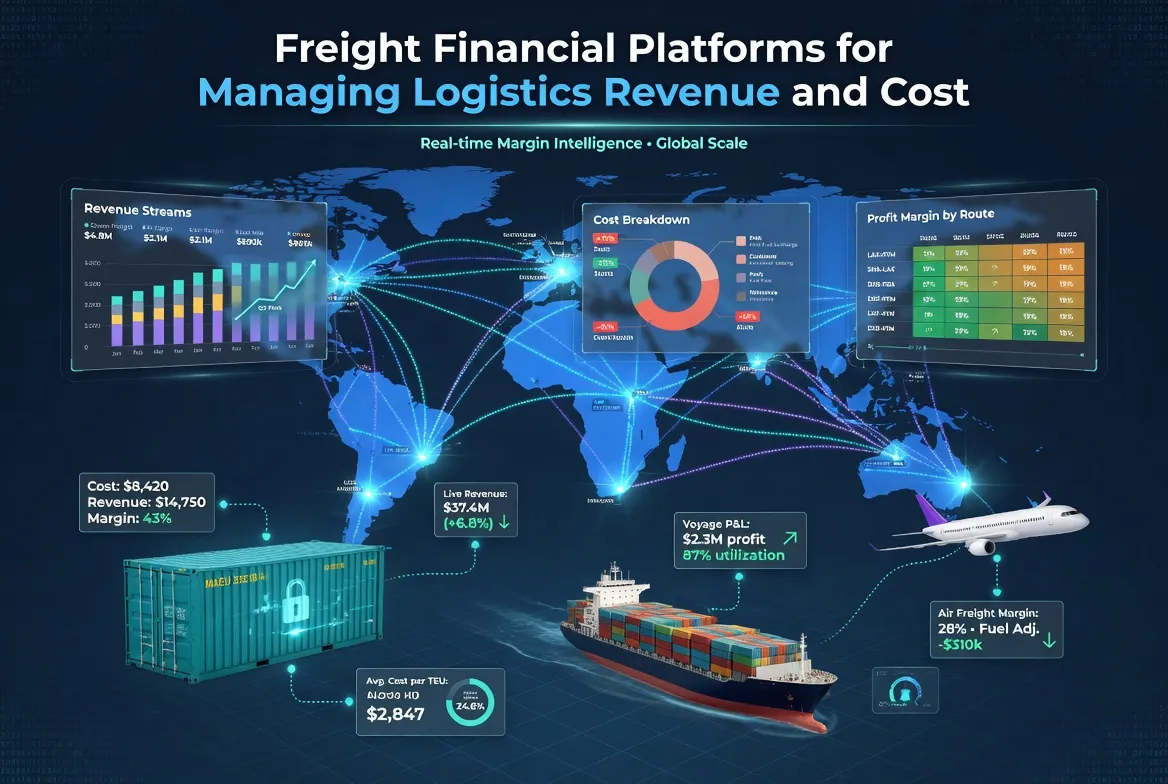
Financial and billing data
Partner and customer information
It acts as the data backbone of logistics operations, ensuring that all systems and stakeholders access consistent and up-to-date information.
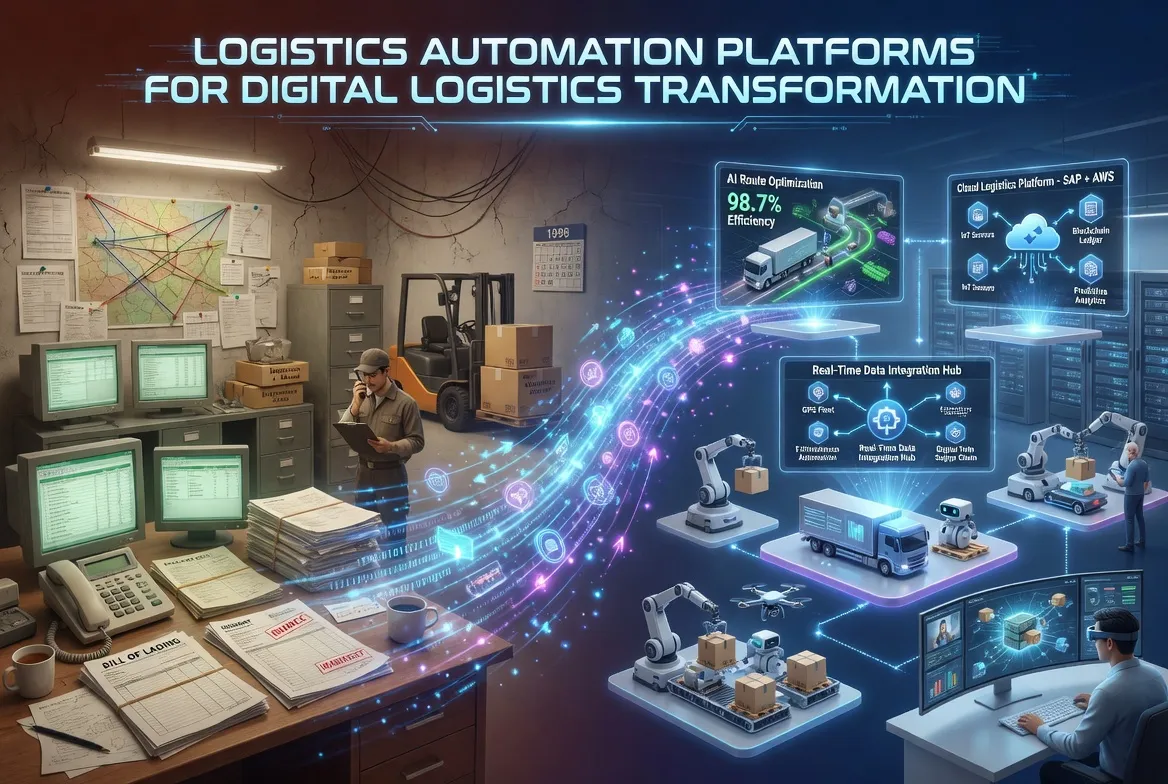
Unlike traditional systems where data is scattered across spreadsheets and disconnected tools, a data management system provides:
A single source of truth
Structured and standardized data
Seamless data flow across systems
Why Logistics Data Management Matters
1. Eliminates Data Silos
In many logistics companies, data is stored across:
Multiple systems
Emails and spreadsheets
Different departments
This leads to inconsistencies and inefficiencies. A data management system centralizes data for unified access.
2. Improves Data Accuracy
Manual data entry often results in:
Duplicate records
Incorrect information
Missing data
A structured system ensures data consistency and validation.
3. Enables Real-Time Visibility
Accurate data is essential for visibility. A data management system supports:
Real-time shipment tracking
Milestone-based updates
Unified operational dashboards
4. Supports Automation
Automation depends on reliable data. With structured data, systems can:
Trigger workflows automatically
Generate documents and invoices
Perform financial calculations
5. Enhances Collaboration
Shared data enables coordination across:
Internal teams (sales, operations, finance)
External partners (carriers, warehouses, agents)
How Logistics Data Management Systems Work
1. Data Collection
Data is collected from multiple sources:
Internal systems (ERP, WMS, TMS)
External platforms (eCommerce, carriers)
Manual inputs and documents
2. Data Standardization
The system standardizes data through:
Field mapping
Data validation rules
Format normalization
This ensures consistency across all systems.
3. Data Storage
Data is stored in a centralized database, allowing:
Easy access
Secure storage
Historical data tracking
4. Data Synchronization
Data is synchronized across systems:
Real-time updates
Batch processing where needed
5. Data Utilization
The system uses data to:
Drive workflows
Generate reports and analytics
Support decision-making
Key Features of Logistics Data Management Systems
1. Centralized Data Repository
Single source of truth for all logistics data
Unified access across departments
2. Real-Time Data Synchronization
Instant updates across systems
Consistent data across platforms
3. End-to-End Visibility
Tracking data from order creation to delivery
Milestone-based shipment monitoring
4. Data Integration Capabilities
API connectivity with external systems
Integration with ERP, WMS, and carrier systems
5. Workflow Automation
Automated data-driven workflows
Trigger-based actions across operations
6. AI-Driven Data Processing
OCR for document data extraction
Automated data entry and validation
7. Data Security and Access Control
Role-based access permissions
Data protection and compliance
8. Reporting and Analytics
Operational dashboards
Financial and performance analysis
Benefits for Logistics Companies
1. Improved Operational Efficiency
Reduced manual data handling
Faster processing of orders and shipments
2. Higher Data Accuracy
Consistent and validated data
Reduced errors and discrepancies
3. Enhanced Visibility
Real-time tracking and monitoring
Better control over operations
4. Better Decision-Making
Access to accurate and timely data
Improved forecasting and planning
5. Stronger Collaboration
Shared data across teams and partners
Improved coordination and communication
6. Scalable Operations
Ability to handle increasing data volumes
Easy integration with new systems and partners
Best Practices / Use Cases
1. Freight Forwarding Operations
Data management systems enable:
Centralized shipment data
Unified tracking across multiple modes
Improved coordination across departments
2. Cross-Border eCommerce Logistics
These systems support:
High-volume order data processing
Integration with multiple platforms
Real-time tracking across carriers
3. Financial Data Management
Structured data enables:
Automated billing
Accurate cost allocation
Real-time profit analysis
4. Document Management
Systems can:
Store all shipment documents centrally
Use AI to extract and process data
Improve document accessibility
5. Exception Management
Reliable data allows systems to:
Detect anomalies
Trigger alerts
Automate resolution workflows
Conclusion
Logistics data management systems are essential for modern logistics operations. By centralizing and standardizing data, these systems enable visibility, automation, and efficient collaboration across the supply chain.
As logistics operations become more complex and data-driven, effective data management is a critical foundation for operational excellence and scalable growth.
Frequently Asked Questions
What is a logistics data management system?
It is a system that collects, stores, and manages logistics data, ensuring consistency, accuracy, and accessibility across operations.
How does a logistics data management system work?
It collects data from multiple sources, standardizes and stores it centrally, synchronizes it across systems, and uses it to drive workflows and analytics.
Why is data management important in logistics?
It improves accuracy, enables real-time visibility, supports automation, and enhances collaboration across teams and partners.
What are the benefits of logistics data management systems?
Benefits include improved efficiency, better data accuracy, enhanced visibility, stronger collaboration, and scalable operations.
About WallTech
WallTech provides digital logistics solutions with robust data management capabilities, enabling companies to centralize and synchronize logistics data across systems and partners. Its platforms support multi-role collaboration and ensure seamless data flow throughout the shipment lifecycle. With real-time visibility, milestone-based tracking, and automation features such as AI-driven data recognition, automated billing, and reconciliation, WallTech helps logistics companies improve data accuracy and operational efficiency. By integrating operational and financial data, it enables scalable, data-driven logistics management.
If you're exploring ways to improve your logistics operations, feel free to connect with us to learn more about our solutions and system capabilities.
.webp "How Modern Platforms Enable Freight Compliance Documentation")