Apr 06,2026
What Is Multi-Role Coordination in Logistics Platforms
Introduction
Global supply chains rely heavily on documentation to ensure the smooth movement of goods across borders. From shipping instructions to customs declarations, documents play a critical role in coordinating logistics operations.
However, traditional paper-based documentation and fragmented digital processes often lead to delays, errors, and limited visibility.
Digital shipping documents are transforming global logistics by enabling faster processing, real-time collaboration, and improved operational control.
What are Digital Shipping Documents
Digital shipping documents refer to the electronic creation, storage, processing, and sharing of logistics-related documents within a digital system.
These documents include:
Bills of lading (B/L)
Air waybills (AWB)
Commercial invoices
Packing lists
Customs documentation
Delivery confirmations
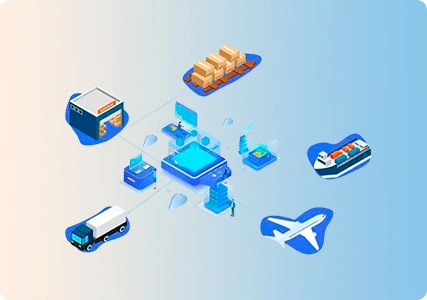
Instead of relying on physical paperwork, digital documents are managed within integrated logistics platforms, allowing seamless access and updates.
Why Digital Shipping Documents are Important
1. Supporting Global Operations
International logistics involves multiple countries, regulations, and stakeholders. Digital documents enable faster and more reliable cross-border coordination.
2. Reducing Delays and Errors
Manual document handling often results in missing or incorrect information. Digital systems ensure accuracy and completeness.
3. Improving Supply Chain Visibility
Digital documents provide real-time access to shipment information, improving transparency across the supply chain.
4. Enhancing Compliance
Standardized digital documentation helps ensure compliance with international trade regulations.
How Digital Shipping Documents Work
1. Digital Data Capture and Integration
Shipment data is captured once and automatically applied across all related documents, ensuring consistency.
2. Automated Document Generation
Systems generate documents based on predefined templates and operational data.
Platforms support custom document templates and export functions, enabling efficient and standardized document creation .
3. Real-Time Document Sharing
Digital documents can be shared instantly with all stakeholders, including logistics providers, customs authorities, and customers.
4. Multi-System Synchronization
Digital documentation systems integrate with ERP, WMS, and other logistics platforms, ensuring real-time data synchronization.
5. Workflow Automation
Documents move through automated workflows such as creation, approval, and release, reducing manual intervention.
6. Tracking and Audit Management
All document activities are recorded, providing full traceability and supporting compliance requirements.
Key Features of Digital Shipping Document Systems
1. Centralized Document Repository
All documents are stored in a single platform, linked to shipment records.
2. Automated Document Processing
Reduces manual input and accelerates document handling.
3. Real-Time Visibility
Users can track document status and access updated information instantly.
4. Role-Based Access Control
Ensures secure and controlled access to sensitive documents.
5. Integration with Logistics Ecosystems
Connects with carriers, customs systems, and third-party platforms.
6. Multi-Format Export and Sharing
Supports different document formats and communication channels.
Benefits of Digital Shipping Documents in Global Supply Chains
1. Faster Cross-Border Operations
Digital documents reduce processing time and accelerate customs clearance.
2. Improved Accuracy and Consistency
Data-driven processes eliminate duplication and reduce errors.
3. Enhanced Collaboration
Stakeholders can access and share documents in real time.
4. Greater Operational Efficiency
Automation reduces manual workload and improves productivity.
5. Stronger Compliance and Risk Control
Standardized processes ensure regulatory requirements are met.
Conclusion
Digital shipping documents are a fundamental component of modern global supply chains.
By replacing manual processes with automated, integrated systems, companies can achieve faster operations, improved accuracy, and better visibility.
As global logistics continues to evolve, adopting digital documentation solutions will be essential for building efficient, resilient, and scalable supply chains.