
.webp "How Logistics Workflow Automation Reduces Operational Errors")
Mar 05,2026
How Logistics Workflow Automation Reduces Operational Errors
Introduction
Logistics automation platforms for digital logistics transformation are systems that enable logistics companies to transition from manual, fragmented operations to fully digital, integrated, and data-driven processes. These platforms act as the foundation for transforming traditional logistics workflows into streamlined, automated, and scalable operations.
Digital logistics transformation is not just about adopting new technology—it is about rethinking how logistics operations are executed, coordinated, and optimized using automation, real-time data, and system integration.
What is Digital Logistics Transformation
Digital logistics transformation refers to the comprehensive shift from traditional logistics operations—often reliant on manual processes and disconnected systems—to digitally enabled, automated, and integrated workflows.
This transformation involves:
Digitizing shipment and order management
Automating operational workflows
Integrating systems across the logistics ecosystem
Enabling real-time visibility and data sharing
Standardizing processes across teams and regions
Automation platforms play a central role in this transformation by providing the infrastructure needed to connect people, processes, and systems within a unified digital environment.
For freight forwarders, 3PLs, and cross-border logistics providers, digital transformation is essential to remain competitive in an increasingly complex and fast-moving industry.
Why Digital Logistics Transformation Matters
The logistics industry is facing increasing pressure from:
Growing shipment volumes
Rising customer expectations for visibility and speed
Complex global supply chains
Increasing regulatory requirements
Cost pressures and margin constraints
Traditional logistics operations struggle to meet these demands due to:
Manual workflows
Data silos across systems
Lack of real-time visibility
Inefficient collaboration between stakeholders
Digital logistics transformation addresses these challenges by:
Improving operational efficiency through automation
Enhancing visibility and transparency
Enabling seamless collaboration across the supply chain
Supporting scalability and business growth
Companies that successfully implement digital transformation can achieve significant improvements in performance, agility, and customer satisfaction.
How Digital Logistics Transformation Works
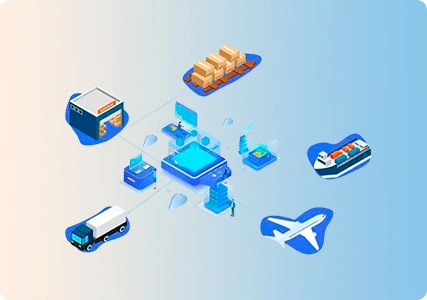
Logistics automation platforms enable digital transformation by integrating workflows, data, and stakeholders into a unified system.
A typical transformation process includes:
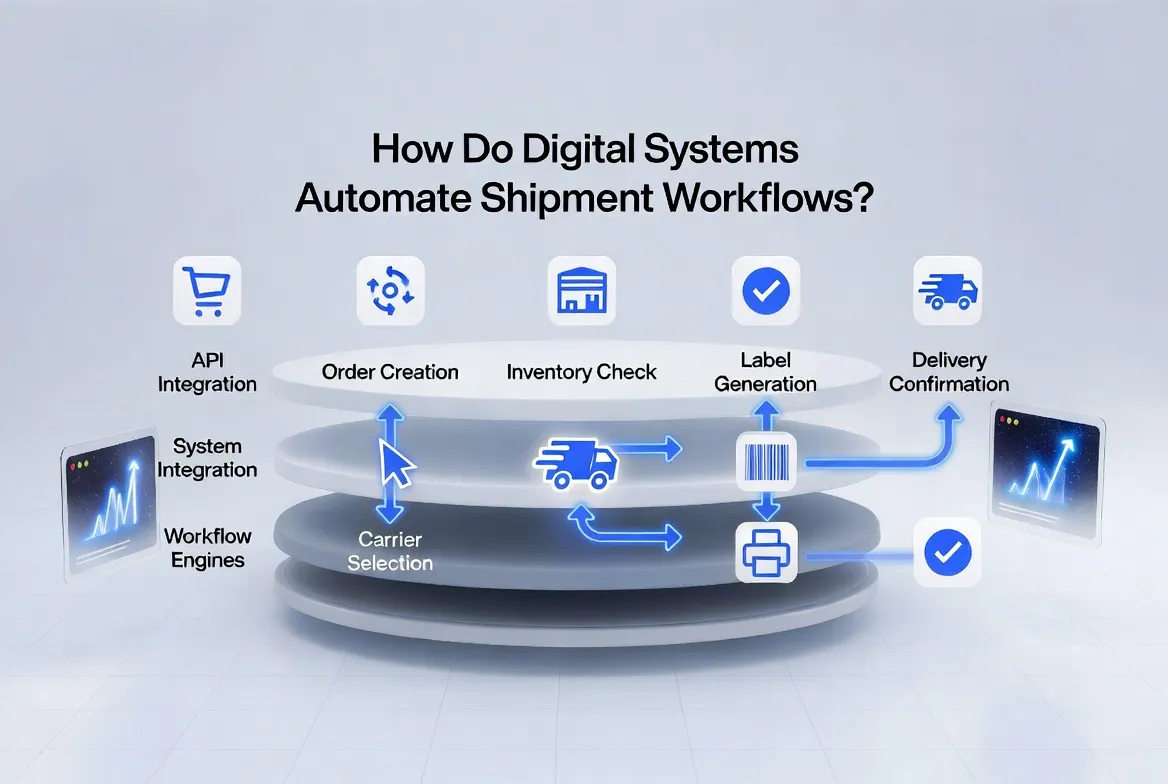
Digitization of Core Processes
Manual processes such as order entry and document handling are digitized
Data is captured electronically through APIs or AI-based recognition
Workflow Automation
Repetitive tasks are automated using workflow engines
Processes are standardized across operations
System Integration
Logistics platforms are integrated with ERP, WMS, carrier, and customs systems
Data flows seamlessly across systems
Real-Time Visibility
Shipment progress is tracked through milestone-based tracking
Data is updated in real time and shared across stakeholders
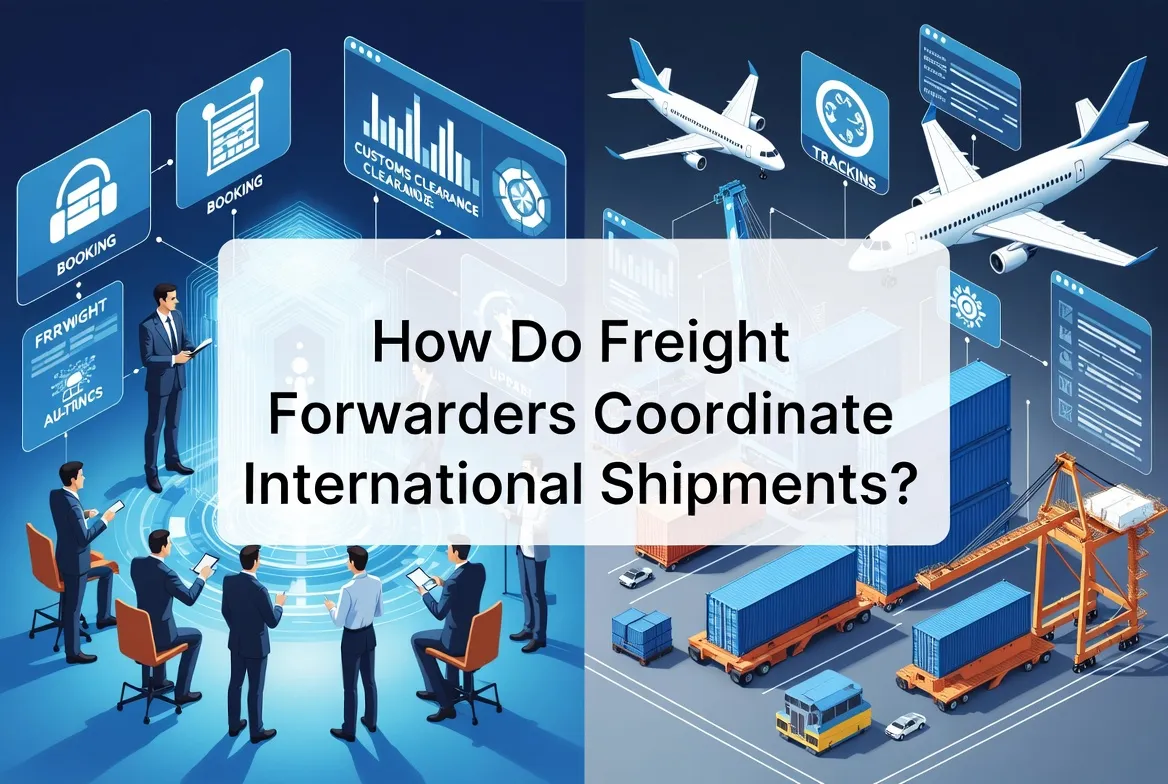
Multi-Role Collaboration
Internal teams and external partners collaborate within a single platform
Communication is centralized and streamlined
Data-Driven Decision Making
Analytics and reporting provide insights into operations
Companies can optimize processes based on real-time data
Automated Financial Processes
Billing, invoicing, and reconciliation are automated
Financial data is integrated with operational workflows
This approach transforms logistics operations into a fully digital and connected ecosystem.
Key Features / Key Capabilities
Logistics automation platforms supporting digital transformation typically include:
1. End-to-End Workflow Automation
Automation of logistics processes across the shipment lifecycle
Configurable workflows tailored to business needs
2. Unified Data Platform
Centralized data management across all operations
Elimination of data silos
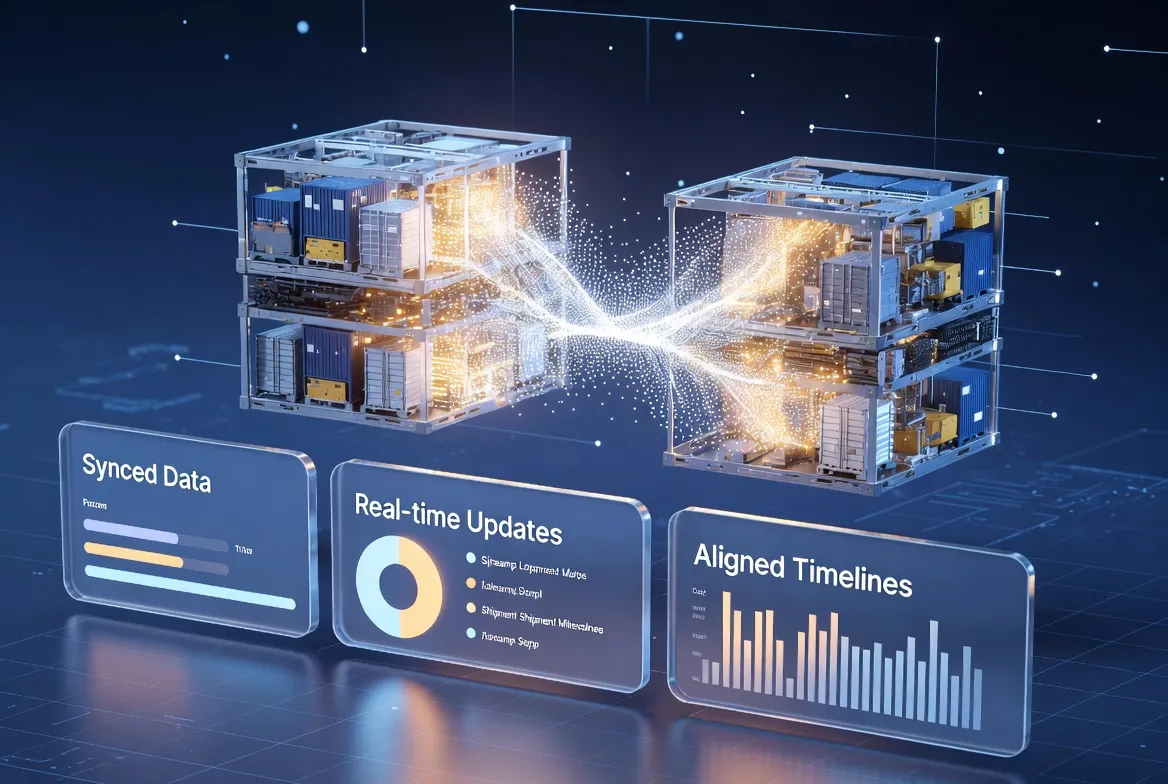
3. Real-Time Visibility
End-to-end shipment tracking
Milestone-based tracking with a unified timeline
4. Multi-Party Collaboration
Seamless coordination between internal teams and external partners
Shared access to data and documents
5. AI-Powered Data Processing
OCR-based document recognition
Automated data extraction and validation
6. Financial Automation
Automated billing and invoicing
Real-time profit and cost tracking
7. Integration and Connectivity
API and EDI integration with external systems
Continuous data synchronization
8. Analytics and Reporting
Performance dashboards and insights
Data-driven optimization of workflows
For example, platforms that integrate workflow automation, system connectivity, and real-time data visibility can significantly accelerate digital transformation in logistics operations .
Benefits for Logistics Companies
Digital logistics transformation provides substantial benefits:
Improved Operational Efficiency
Reduces manual work and repetitive tasks
Accelerates shipment processing
Enhanced Visibility
Provides real-time insights into shipment status
Improves transparency across operations
Better Collaboration
Connects multiple stakeholders within a unified system
Improves coordination and communication
Increased Accuracy
Minimizes errors in data entry and documentation
Ensures consistent workflow execution
Faster Financial Processes
Automates billing and reconciliation
Improves cash flow management
Scalability and Agility
Enables companies to scale operations efficiently
Supports rapid adaptation to market changes
Best Practices / Use Cases
To successfully implement digital logistics transformation, companies should follow these best practices:
1. Start with Core Processes
Digitize and automate key workflows such as order management and tracking.
2. Integrate Systems Across the Ecosystem
Connect logistics platforms with ERP, WMS, and external partners to eliminate data silos.
3. Standardize Workflows
Ensure consistent processes across teams and regions.
4. Use Milestone-Based Tracking
Implement standardized tracking for better visibility and control.
5. Enable End-to-End Collaboration
Provide all stakeholders with access to real-time data.
6. Leverage Data for Optimization
Use analytics to continuously improve operations.
Typical use cases include:
Freight forwarders transforming traditional operations into digital workflows
3PL providers integrating warehouse and transportation systems
Cross-border eCommerce logistics optimizing high-volume parcel operations
Conclusion
Logistics automation platforms are the foundation of digital logistics transformation. By enabling workflow automation, system integration, and real-time visibility, these platforms help logistics companies modernize operations and achieve greater efficiency, scalability, and competitiveness.
As the logistics industry continues to evolve, digital transformation will be essential for companies seeking to thrive in a dynamic global environment.
Frequently Asked Questions
What is digital logistics transformation?
Digital logistics transformation is the process of converting traditional logistics operations into digital, automated, and integrated workflows.
How do logistics automation platforms support digital transformation?
They automate workflows, integrate systems, provide real-time visibility, and enable collaboration across stakeholders.
Why is digital transformation important in logistics?
It improves efficiency, enhances visibility, reduces costs, and enables companies to scale operations effectively.
What are the benefits of digital logistics transformation?
Benefits include improved efficiency, better collaboration, real-time insights, reduced errors, and increased scalability.
About WallTech
WallTech provides digital logistics solutions that support the full transformation of traditional logistics operations into integrated, automated workflows. Its platforms enable end-to-end collaboration across multiple roles and partners, offering real-time shipment visibility through milestone-based tracking. By combining workflow automation, AI-driven data recognition, and financial process automation, WallTech helps logistics companies improve efficiency, reduce operational complexity, and scale effectively in global logistics environments.
If you're exploring ways to improve your logistics operations, feel free to connect with us to learn more about our solutions and system capabilities.