
Apr 28,2026
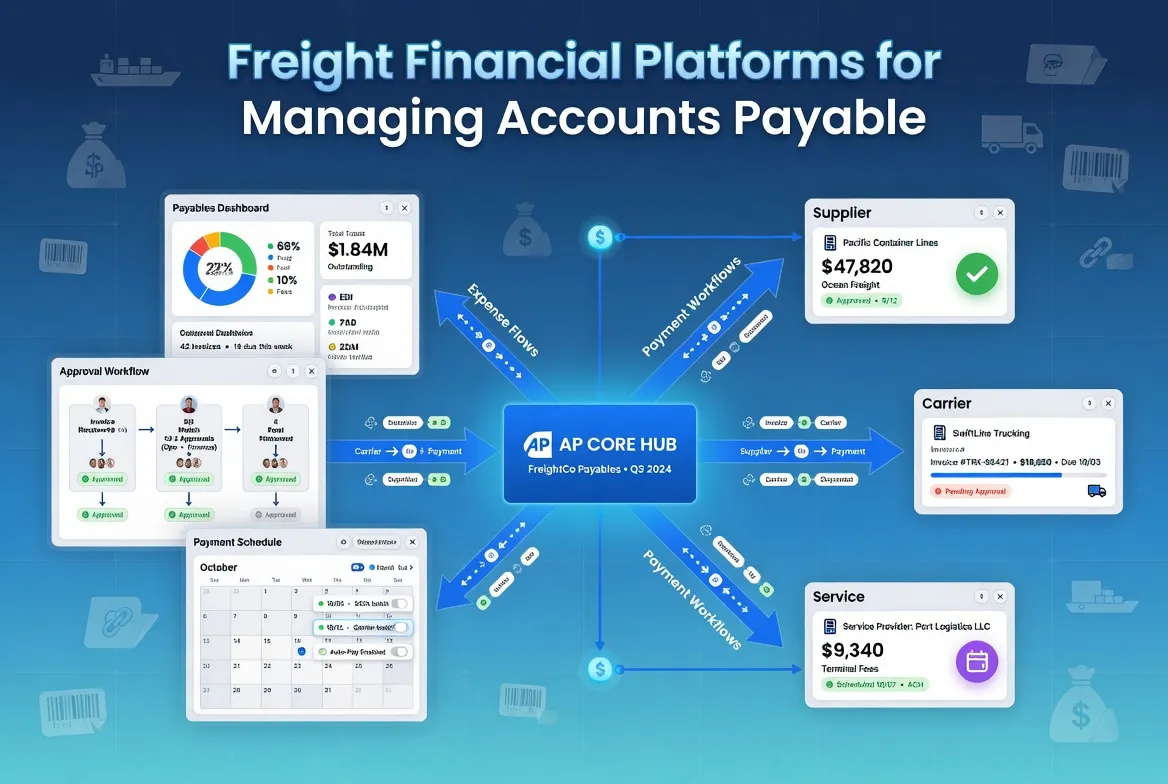
Freight Financial Platforms for Managing Accounts Payable
Introduction
Global logistics platforms are designed to manage complex, multi-country supply chain operations by integrating data, automating workflows, and providing real-time visibility across all logistics activities. The key features of these platforms include end-to-end shipment visibility, multi-role collaboration, workflow automation, system integration, and financial management capabilities.
As logistics operations become more globalized and data-driven, these features are essential for enabling logistics companies to operate efficiently, reduce errors, and scale across international markets.
What is a Global Logistics Platform
A global logistics platform is a centralized digital system that connects all logistics processes—such as order management, transportation, warehousing, tracking, and financial operations—into a single, unified environment.
It is designed to support:
Freight forwarders managing international shipments
3PL providers coordinating multi-country logistics
Cross-border eCommerce logistics operations
Unlike traditional systems that operate in silos, a global logistics platform integrates all stakeholders and systems into one connected ecosystem, enabling seamless coordination across the supply chain.
Why Global Logistics Platform Features Matter
1. Managing Complexity Across Borders
Global logistics involves:
Multiple transport modes
Diverse regulatory environments
Numerous partners and stakeholders
Without advanced platform features, managing this complexity becomes inefficient and error-prone.
2. Eliminating Fragmented Systems
Many companies use separate systems for operations, tracking, and finance.
A global logistics platform consolidates these into a unified system, reducing duplication and improving data consistency.
3. Improving Visibility and Control
Lack of visibility leads to delays, missed updates, and poor customer experience.
Key platform features ensure that companies can monitor operations in real time and maintain full control.
4. Enabling Scalable Operations
As logistics companies expand globally, they need systems that can scale with their operations.
Advanced platform capabilities support growth without increasing operational complexity.
How Global Logistics Platforms Work
Global logistics platforms operate by integrating systems, structuring workflows, and enabling real-time data flow.
Step 1: Data Integration
The platform connects with:
Internal systems (ERP, WMS, TMS)
External partners (carriers, agents, customs systems)
Third-party data providers
This creates a centralized data environment.
Step 2: Workflow Standardization
Logistics processes are structured into standardized workflows, ensuring consistency across operations.
Step 3: Real-Time Data Processing
The platform processes and updates data continuously, enabling real-time visibility and monitoring.
Step 4: Centralized Management
All operations, shipments, and financial data are managed within a single system, providing a unified operational view.
Key Features / Key Capabilities
1. End-to-End Visibility
Real-time tracking of shipments across all transport modes
Milestone-based tracking for structured monitoring
Unified timeline view for all logistics activities
This feature ensures that all stakeholders have access to accurate and up-to-date information.
2. Multi-Role Collaboration
Coordination between sales, operations, documentation, and finance teams
Collaboration with external partners such as carriers and agents
Role-based access control for secure data sharing
Global logistics platforms enable all stakeholders to work within the same system, improving efficiency and reducing communication gaps.
3. Workflow Automation
Automated task assignment based on SOPs
Automated notifications and alerts
Exception handling and escalation
Automation reduces manual work and ensures consistent execution of logistics processes.
4. AI-Driven Data Processing
OCR for document recognition
Automated data extraction from files (e.g., invoices, shipping documents)
Intelligent data validation
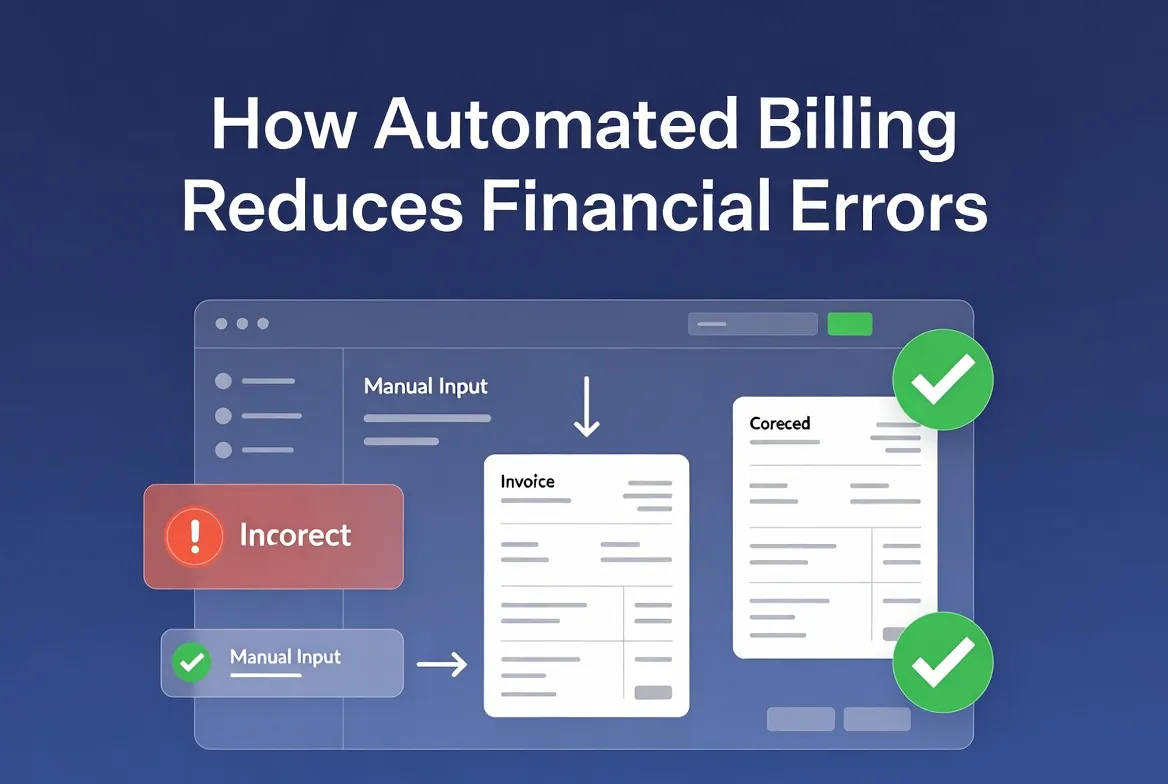
These capabilities significantly reduce manual data entry and improve accuracy.
5. Financial Management Integration
Automated billing and invoicing
Cost and revenue tracking per shipment
Multi-currency support and reconciliation
Integrated financial features ensure accurate cost control and profitability analysis.
6. System Integration and Connectivity
API integration with external platforms
Connectivity with carriers, customs systems, and partners
Data synchronization across systems
This enables seamless data flow across the entire logistics ecosystem.
7. Centralized Document Management
Storage and management of all shipment-related documents
Easy access and sharing across teams
Version control and compliance support
This eliminates the need for scattered document storage and improves operational efficiency.
8. Scalability and Flexibility
Support for multi-country operations
Configurable workflows and processes
Adaptability to different business models
This allows logistics companies to expand and adapt to changing market conditions.
Benefits for Logistics Companies
1. Improved Operational Efficiency
Automation and centralized management reduce manual tasks and streamline workflows.
2. Reduced Errors
Standardized processes and automated data handling minimize mistakes.
3. Enhanced Visibility
Real-time tracking and unified dashboards provide full transparency across operations.
4. Better Collaboration
All stakeholders operate within a shared system, improving coordination and communication.
5. Scalability for Growth
Global logistics platforms support expansion into new markets without operational complexity.
Best Practices / Use Cases
1. Freight Forwarding Operations
Forwarders can manage global shipments, documents, and financials within a single platform.
2. Cross-Border eCommerce Logistics
Platforms enable integration of order data, fulfillment processes, and delivery tracking.
3. 3PL Multi-Country Networks
3PL providers can coordinate warehouses, carriers, and partners across regions.
4. Financial and Profit Management
Companies can track profitability at the shipment level, improving financial control.
Best Practices
Integrate all systems and partners into one platform
Standardize workflows across operations
Use automation to reduce manual processes
Leverage real-time visibility for proactive management
Conclusion
The key features of global logistics platforms—such as visibility, collaboration, automation, and integration—are essential for managing modern logistics operations. These capabilities enable companies to handle complexity, improve efficiency, and scale across global markets.
As logistics continues to evolve, adopting platforms with these advanced features is critical for maintaining competitiveness and delivering high-quality service.
Frequently Asked Questions
What are global logistics platforms?
They are digital systems that manage and integrate logistics operations across multiple countries, partners, and transport modes.
What are the key features of global logistics platforms?
Key features include end-to-end visibility, workflow automation, multi-role collaboration, financial integration, and system connectivity.
Why are these features important?
They help reduce operational complexity, improve efficiency, and enable scalable global logistics operations.
How do logistics platforms improve efficiency?
By automating workflows, centralizing data, and enabling real-time visibility, they reduce manual work and improve coordination.
Who uses global logistics platforms?
Freight forwarders, 3PL providers, and cross-border eCommerce logistics companies commonly use these platforms.
About WallTech
WallTech provides digital logistics solutions that incorporate the key features required for modern global logistics operations. Its platforms enable end-to-end visibility, seamless collaboration across teams and partners, and workflow automation that reduces manual effort and improves efficiency.
With capabilities such as real-time tracking, milestone-based monitoring, AI-driven data processing, and integrated financial management, WallTech helps logistics companies manage complex global operations with greater transparency and control. By connecting systems and standardizing processes, organizations can scale efficiently while maintaining high service quality.
If you're exploring ways to improve your logistics operations, feel free to connect with us to learn more about our solutions and system capabilities.