
Dec 16,2022
What is Parcel Management?
Introduction
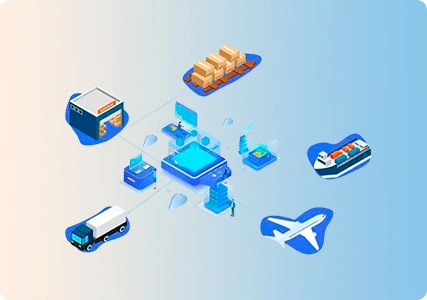
Logistics collaboration platforms for shipment coordination are digital systems that enable multiple stakeholders to plan, execute, and monitor shipments within a unified environment. These platforms provide real-time visibility, structured workflows, and synchronized communication across all parties involved in shipment execution.
In modern logistics—where a single shipment may involve multiple transport modes, regions, and service providers—effective coordination is critical. Collaboration platforms ensure that all stakeholders remain aligned throughout the shipment lifecycle, reducing delays, errors, and operational inefficiencies.
What is a Logistics Collaboration Platform for Shipment Coordination
A logistics collaboration platform for shipment coordination is a centralized system that connects all stakeholders responsible for executing a shipment, including:
Freight forwarders and logistics operators
Carriers (ocean, air, land, express)
Warehouses and distribution centers
Customs brokers
Last-mile delivery providers
The platform allows these participants to coordinate activities, share updates, and manage shipment data in real time.
Unlike traditional coordination methods—such as emails, spreadsheets, and phone calls—a collaboration platform provides a single operational view of each shipment, ensuring consistency and transparency.
Why Logistics Collaboration Platforms Matter
Shipment coordination is one of the most complex aspects of logistics operations. Common challenges include:
Multiple stakeholders working in different systems
Lack of real-time visibility into shipment status
Delays in communication between partners
Manual coordination of shipment stages
Difficulty managing multi-leg transportation
These challenges often lead to:
Missed deadlines
Increased operational costs
Inefficient resource utilization
Poor customer experience
A logistics collaboration platform addresses these issues by centralizing coordination and enabling real-time synchronization across all shipment activities.
How Logistics Collaboration Platforms Work
1. Centralized Shipment Management
All shipment data is created and managed within a single platform, including:
Order details
Routing information
Carrier assignments
Documentation
This ensures that all stakeholders work with consistent and up-to-date information.
2. Multi-Party Coordination
Different participants collaborate on the same shipment:
Operators manage execution
Carriers update transport status
Warehouses handle inbound and outbound processes
Customers track shipment progress
Role-based access ensures each party can perform their responsibilities efficiently.
3. Milestone-Based Tracking
Shipments are tracked through predefined milestones, such as:
Pickup
Departure
Transit checkpoints
Customs clearance
Delivery
All updates are reflected in a unified timeline, providing end-to-end visibility.
4. Real-Time Data Synchronization
The platform integrates with external systems to capture real-time data from:
Carrier tracking systems
Warehouse operations
Customs platforms
This ensures continuous updates without manual input.
5. Workflow Automation
Automation is applied to key coordination processes:
Task assignment
Status updates
Exception alerts
Document processing (including AI-based recognition)
This reduces manual workload and improves operational accuracy.
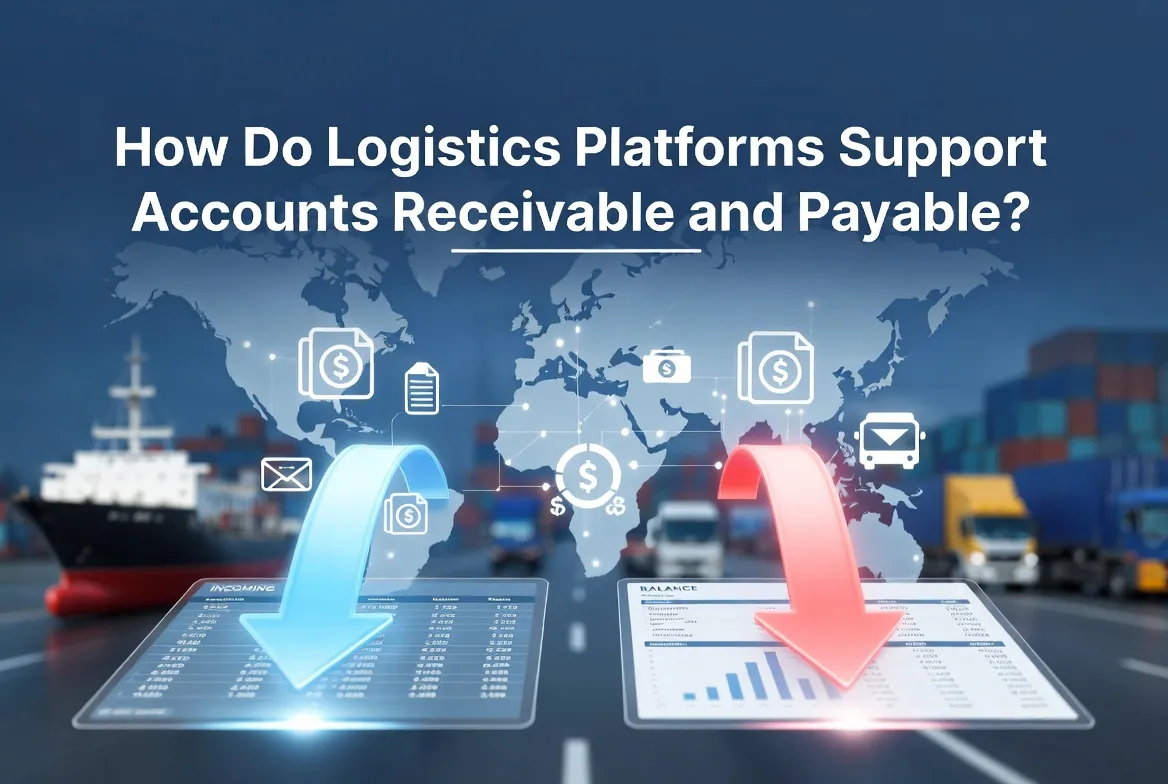
6. Financial Integration
Shipment coordination is directly linked to financial processes, enabling:
Automated billing based on shipment events
Cost allocation across shipment stages
Reconciliation of receivables and payables
Key Features / Key Capabilities
End-to-End Shipment Visibility
Real-time tracking across all transport stages
Unified shipment timeline
Multi-source data integration
Multi-Role Collaboration
Coordination between internal teams and external partners
Upstream and downstream connectivity
Role-based system access
Workflow Automation
Automated task assignment
Exception alerts and notifications
AI-driven document recognition
Multi-Modal Shipment Management
Support for ocean, air, land, and express transport
Coordination across multiple shipment segments
Financial Automation
Automated billing and invoicing
Cost tracking and allocation
Reconciliation processes
Benefits for Logistics Companies
Improved Coordination Efficiency
Reduced manual communication
Faster execution of shipment tasks
Streamlined workflows
Enhanced Visibility
Real-time insight into shipment status
Better control over operations
Faster identification of delays and issues
Reduced Operational Errors
Consistent data across stakeholders
Automated processes minimize manual mistakes
Improved compliance with operational standards
Faster Response to Exceptions
Real-time alerts enable quick action
Better coordination during disruptions
Reduced impact of delays
Scalability
Ability to manage high shipment volumes
Easy onboarding of new partners
Support for global logistics operations
Best Practices / Use Cases
Use Case 1: Multi-Leg International Shipments
Freight forwarders coordinate shipments involving multiple transport modes and regions within a single platform.
Use Case 2: Cross-Border eCommerce Fulfillment
Platforms enable coordination between sellers, warehouses, carriers, and last-mile providers for seamless delivery.
Use Case 3: Carrier and Warehouse Synchronization
Logistics companies coordinate inbound and outbound processes with real-time updates from carriers and warehouses.
Best Practices
Define clear shipment milestones
Standardize workflows across all stakeholders
Automate repetitive coordination tasks
Ensure real-time data integration
Provide controlled access to all participants
Conclusion
Logistics collaboration platforms for shipment coordination are essential for managing the complexity of modern logistics operations. By centralizing shipment data, enabling real-time collaboration, and automating workflows, these platforms help logistics companies improve efficiency, reduce errors, and deliver better service.
As supply chains become more dynamic and interconnected, effective shipment coordination will be a key driver of operational success.
Frequently Asked Questions
What is a logistics collaboration platform for shipment coordination?
It is a digital system that enables multiple stakeholders to coordinate shipment activities, share data, and track progress within a unified platform.
How does it improve shipment coordination?
It centralizes data, provides real-time visibility, and automates workflows, ensuring all stakeholders are aligned throughout the shipment lifecycle.
Why is shipment coordination important in logistics?
Effective coordination ensures timely delivery, reduces operational errors, and improves overall efficiency in logistics operations.
What are the benefits of these platforms?
They improve efficiency, enhance visibility, reduce errors, and enable better collaboration between logistics partners.
Who uses these platforms?
Freight forwarders, 3PL providers, carriers, warehouses, and cross-border eCommerce logistics companies use these platforms.
About WallTech
WallTech provides digital logistics solutions that support efficient shipment coordination through integrated collaboration, real-time visibility, and workflow automation. Its systems enable logistics companies to manage shipments across multiple stakeholders with unified timelines and milestone-based tracking. By connecting operational processes with financial automation—such as billing and reconciliation—WallTech helps organizations reduce manual work, improve accuracy, and scale their logistics operations effectively.
If you're exploring ways to improve your logistics operations, feel free to connect with us to learn more about our solutions and system capabilities.