
May 18,2026
How Do Logistics Platforms Support Accounts Receivable and Payable?
Introduction
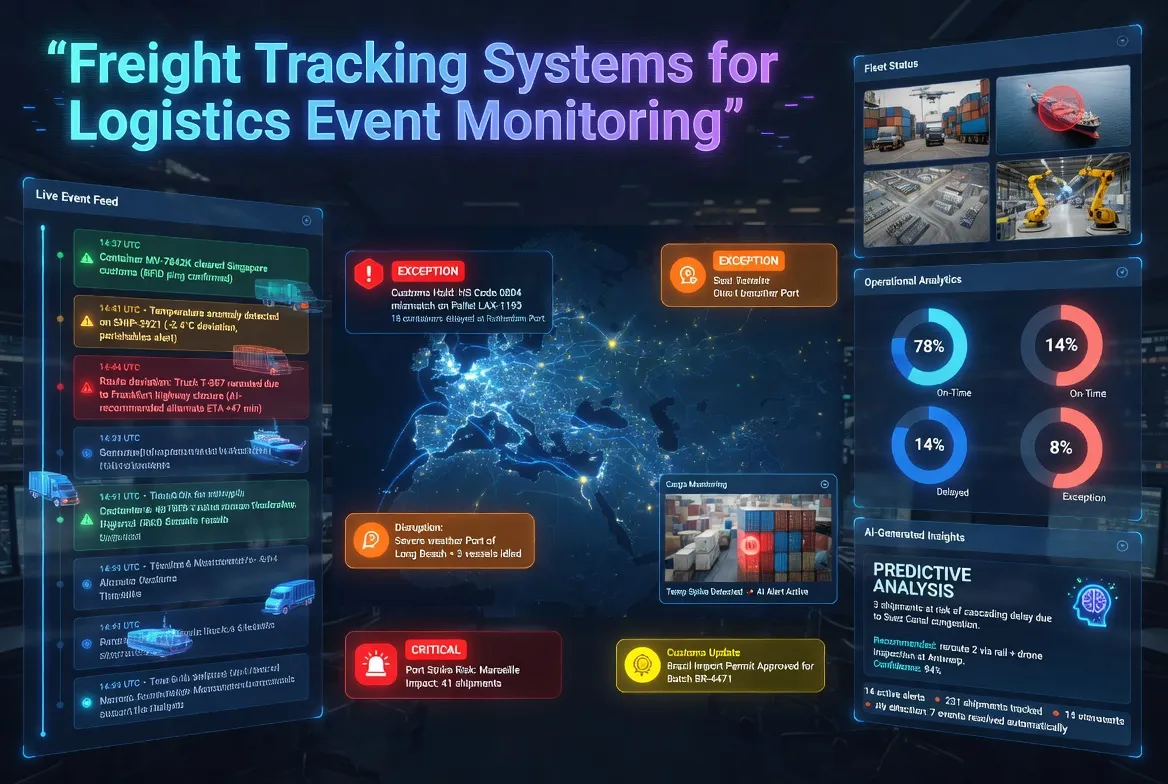
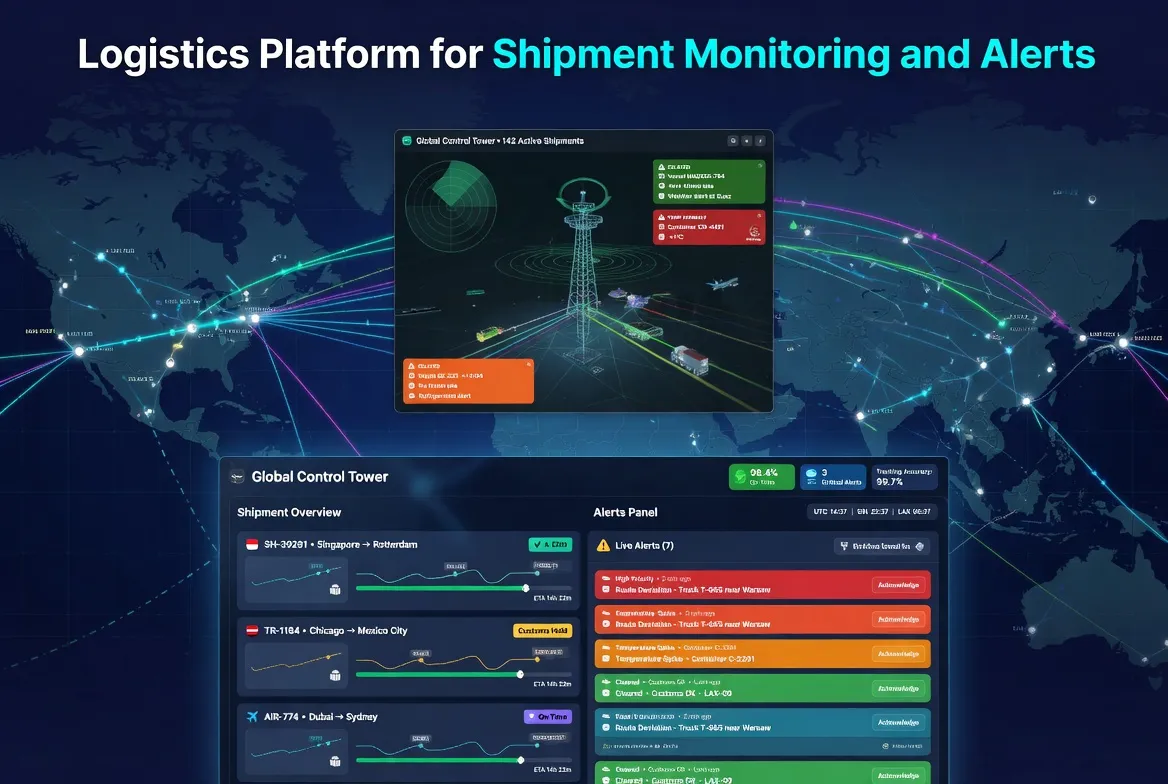
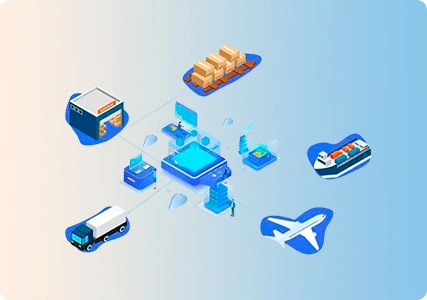
Freight platforms coordinate multiple logistics partners by centralizing communication, standardizing workflows, and enabling real-time data sharing across all stakeholders involved in shipment execution. These platforms act as a digital hub where carriers, agents, warehouses, and customers can collaborate efficiently through a unified system.
In global logistics, shipments often involve multiple service providers across regions and transport modes. Without a coordinated system, communication becomes fragmented, leading to delays, errors, and inefficiencies. Freight platforms solve this challenge by creating a connected ecosystem that aligns all partners throughout the shipment lifecycle.
What is Multi-Partner Coordination in Logistics?
Multi-partner coordination in logistics refers to the management and synchronization of activities among various stakeholders involved in moving goods.
These partners typically include:
Freight forwarders
Ocean carriers, airlines, and trucking providers
Origin and destination agents
Warehouses and distribution centers
Customs brokers
Last-mile delivery providers
Coordination ensures that each party performs its role at the right time, with accurate information and aligned expectations.
Why Multi-Partner Coordination Matters
Global logistics operations depend heavily on the seamless interaction between multiple partners.
Key challenges include:
Communication silos: Each partner uses different tools and channels
Data inconsistency: Information is duplicated or outdated across systems
Lack of visibility: Difficult to track activities across different providers
Operational misalignment: Delays due to poor coordination between stages
These issues can result in:
Shipment delays and missed connections
Increased operational costs
Poor customer experience
Limited scalability
Effective coordination ensures that all partners operate within a synchronized framework, improving overall supply chain performance.
How Freight Platforms Coordinate Multiple Logistics Partners
Freight platforms enable coordination by integrating processes, data, and communication into a single system.
1. Centralized Data Sharing
All shipment data is stored in one platform
Partners access the same information in real time
Eliminates data duplication and inconsistencies
2. Unified Communication Framework
Communication is embedded within the platform rather than external tools
Updates, notifications, and status changes are shared instantly
Reduces reliance on emails and manual follow-ups
3. Role-Based Access and Responsibilities
Each partner has defined roles and permissions
Tasks are assigned based on responsibilities
Ensures accountability and clarity in execution
4. Workflow-Driven Coordination
Standardized workflows guide each stage of the shipment
Tasks are triggered automatically based on events
Partners are notified when action is required
5. Milestone-Based Tracking
Shipment progress is tracked through key milestones
All partners can view the same unified timeline
Delays or exceptions are identified early
6. Integration with External Systems
Platforms connect with carrier systems, ERP, and warehouse systems
Data flows seamlessly between systems
Reduces manual data entry and improves efficiency
7. Automated Financial Coordination
Costs and charges are calculated automatically
Billing is linked to operational milestones
Reconciliation between partners is streamlined
Key Features / Key Capabilities
Freight platforms provide essential capabilities to support multi-partner coordination.
1. End-to-End Visibility
Real-time tracking across all partners and shipment stages
Unified view of operations
Improved transparency for all stakeholders
2. Multi-Role Collaboration
Seamless coordination between internal teams and external partners
Shared data environment
Reduced communication gaps
3. Workflow Automation
Automated task creation and execution
Event-driven process management
Reduced manual coordination
4. AI-Driven Data Processing
Automatic data extraction from documents
Data validation and standardization
Faster information flow across partners
5. Financial Automation
Automated billing and cost allocation
Integration between operational and financial data
Improved accuracy and efficiency
Benefits for Logistics Companies
Coordinating multiple partners through digital platforms provides significant advantages:
Improved efficiency: Faster coordination and reduced delays
Enhanced visibility: Real-time insight into partner activities
Better collaboration: Stronger alignment across the supply chain
Reduced errors: Consistent data and automated processes
Scalability: Ability to manage complex partner networks
These benefits enable logistics companies to deliver reliable and high-quality services.
Best Practices / Use Cases
1. Build a Connected Partner Ecosystem
Integrate all key partners into a single platform to ensure consistent communication.
2. Standardize Data and Processes
Define uniform data formats and workflows across all partners.
3. Enable Real-Time Updates
Ensure that all partners can access and share updates instantly.
4. Automate Coordination Tasks
Use automation to trigger actions and notifications based on events.
5. Monitor Performance Through Milestones
Track partner performance using milestone-based metrics.
Use Case Example:
A freight forwarder managing global shipments can:
Coordinate with origin agents for pickup
Work with ocean carriers for main transport
Collaborate with destination agents for customs clearance
Manage last-mile delivery providers
All partners operate within the same platform, ensuring smooth transitions and real-time visibility.
Conclusion
Freight platforms play a critical role in coordinating multiple logistics partners by creating a unified, data-driven environment. Through centralized communication, workflow automation, and real-time visibility, these platforms enable seamless collaboration across complex supply chains.
As logistics networks continue to expand, effective multi-partner coordination will be essential for maintaining efficiency, reliability, and scalability.
Frequently Asked Questions
What is multi-partner coordination in logistics?
It is the process of managing and aligning multiple stakeholders involved in shipment execution across the supply chain.
How do freight platforms coordinate logistics partners?
They centralize data, standardize workflows, and enable real-time communication between all parties.
Why is coordination important in global logistics?
It ensures smooth operations, reduces delays, and improves overall efficiency.
What challenges exist in coordinating multiple partners?
Challenges include communication silos, data fragmentation, and lack of visibility.
How does automation improve partner coordination?
Automation triggers tasks, updates, and notifications, reducing manual effort and improving accuracy.
About WallTech
WallTech provides digital logistics solutions designed to help companies coordinate complex networks of logistics partners more effectively. Its platforms enable end-to-end collaboration across multiple roles and stakeholders, offer real-time shipment visibility through milestone-based tracking, and support workflow and financial automation. By connecting upstream and downstream partners within a unified system, WallTech helps logistics companies improve coordination efficiency, reduce communication gaps, and scale their global operations with greater control.
If you're exploring ways to improve your logistics operations, feel free to connect with us to learn more about our solutions and system capabilities.