Jul 19,2022
Streamline the Shipping Process with Multi-Carrier Shipping Software
In modern logistics operations, data is generated at every stage of the supply chain. Shipment orders, warehouse activities, transportation updates, financial transactions, and customer communications all produce valuable operational data.
However, when this information is stored across multiple disconnected systems, it becomes difficult for logistics companies to manage operations efficiently. Teams may need to manually transfer data between systems, which increases the risk of errors and delays.
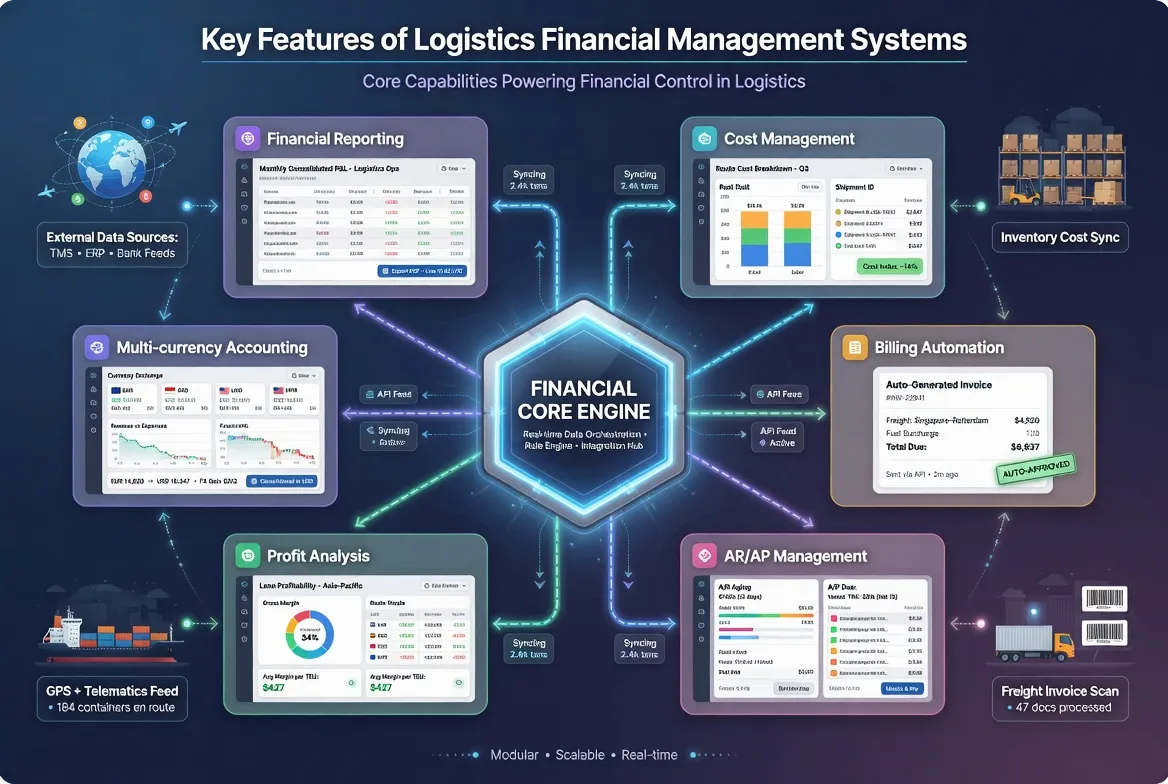
Logistics data integration helps solve this challenge by connecting different software systems and enabling seamless data exchange across the logistics ecosystem.
Connecting Multiple Systems Within the Supply Chain
Logistics companies often rely on various systems to manage different business functions. These may include order management systems, warehouse management systems, financial platforms, customer portals, and external tracking services.
Data integration allows these systems to communicate with each other. Instead of entering the same information multiple times, data can be automatically synchronized across connected platforms.
For example, when a shipment order is created in one system, the relevant information can be automatically transmitted to warehouse systems, tracking platforms, or billing modules.
Reducing Manual Data Entry
Manual data entry is one of the most common sources of inefficiency in logistics operations. When information must be re-entered across multiple systems, it increases workload and introduces the risk of inconsistencies.
Data integration eliminates much of this duplication. Once shipment information is entered into the system, it can be reused across different operational processes, including documentation generation, tracking updates, and financial processing.
Reducing repetitive data entry allows logistics teams to focus more on operational management rather than administrative tasks.
Improving Data Accuracy and Consistency
Disconnected systems often lead to inconsistent data across different departments. For example, shipment details recorded in operational systems may not match financial records if updates are not synchronized.
With integrated systems, data updates occur automatically across connected platforms. When shipment information changes, the updated data becomes available throughout the system environment.
This synchronization ensures that all departments work with accurate and consistent information.
Enhancing Operational Visibility
Data integration also improves visibility across logistics operations. When operational data from multiple systems is consolidated, companies gain a more comprehensive view of their supply chain activities.
Logistics managers can monitor shipment progress, warehouse operations, and financial transactions from a centralized platform. This unified view helps identify operational bottlenecks and supports faster decision-making.
Improved visibility also allows companies to respond more quickly to disruptions in the supply chain.
Supporting Collaboration with External Partners
Logistics networks often involve collaboration with external partners such as carriers, warehouses, customs brokers, and overseas agents.
Data integration enables logistics platforms to exchange information with partner systems automatically. Tracking updates, shipment events, and operational data can be transmitted between systems without manual communication.
This connectivity helps ensure that all participants in the logistics process have access to relevant operational information.
Enabling Scalable Logistics Operations
As logistics companies grow, managing larger volumes of shipments and operational data becomes increasingly complex. Without system integration, operational processes may become inefficient and difficult to scale.
Integrated logistics platforms provide the digital infrastructure needed to manage growing operational demands. By connecting different systems and automating data exchange, logistics companies can maintain efficient workflows even as shipment volumes increase.
Building a Connected Logistics Ecosystem
In modern supply chains, efficiency depends on how effectively information flows between systems and organizations.
Logistics data integration creates a connected environment where operational data can move seamlessly across platforms and partners. This connectivity improves data accuracy, reduces administrative workload, and enhances overall operational efficiency.
For logistics companies operating in complex global supply chains, strong data integration capabilities have become essential for maintaining efficient and reliable logistics operations.
.webp "What Is a Freight Operations System?")
.webp "What Is a Freight Rate Management System?")