


Mar 25,2026
How AI Is Transforming Global Logistics Operations
Cargo tracking platforms provide logistics companies with the ability to monitor shipments throughout the transportation lifecycle. By collecting and organizing tracking events from multiple sources, these platforms help improve operational visibility and allow logistics teams to manage cargo movements more effectively.
Real-Time Shipment Tracking
One of the most important features of cargo tracking platforms is real-time shipment tracking. These systems capture transportation events such as cargo pickup, departure, arrival at ports or warehouses, customs clearance, and final delivery.
Instead of manually checking multiple carrier systems, logistics teams can view shipment progress within a centralized interface. This allows companies to monitor cargo movement more efficiently and maintain better operational awareness across transportation networks.
Real-time tracking is especially important for international shipments, where multiple transportation stages and partners are involved.
Multi-Source Data Integration
Cargo tracking platforms typically integrate tracking data from various sources. These sources may include ocean carriers, airlines, trucking companies, warehouse systems, and third-party tracking providers.
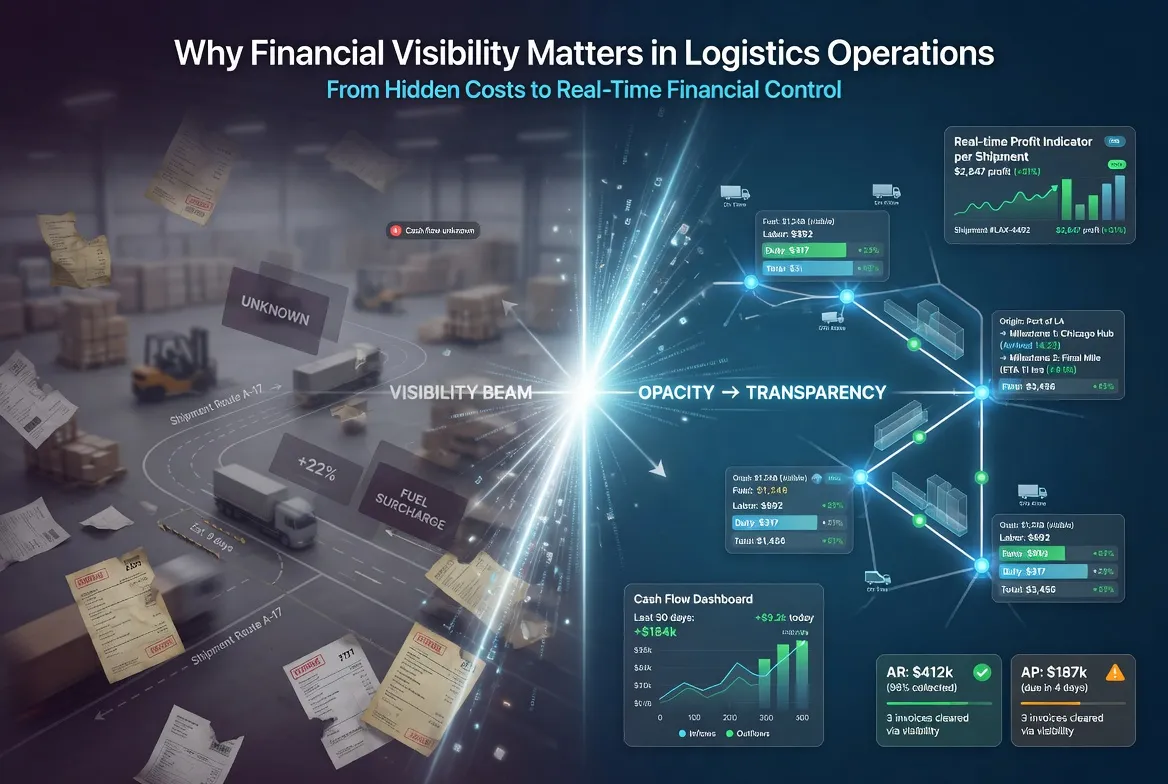
By aggregating tracking events from multiple systems, the platform creates a unified shipment timeline. This ensures that logistics teams can access complete and consistent tracking information without switching between different platforms.
Multi-source integration also improves the accuracy and completeness of shipment monitoring.
Centralized Shipment Dashboard
A centralized shipment dashboard allows logistics teams to view the status of multiple shipments simultaneously. Instead of tracking shipments individually, users can monitor cargo operations across an entire logistics network.
Dashboards typically display key information such as shipment status, transportation milestones, estimated arrival times, and potential delays.
This overview helps logistics managers prioritize operational tasks and identify shipments that require attention.
Event-Based Monitoring and Alerts
Cargo tracking platforms often include event monitoring and alert features. These tools allow logistics teams to receive notifications when important shipment milestones occur or when potential disruptions are detected.
For example, alerts may be triggered when a shipment arrives at a port, experiences a delay, or fails to reach a scheduled milestone.
Event-based alerts help logistics teams respond quickly to operational changes and maintain better control over cargo movements.
Data Analysis and Performance Monitoring
Beyond real-time tracking, cargo tracking platforms also store historical shipment data. Logistics companies can analyze this information to evaluate transportation performance, identify recurring delays, and improve operational planning.
Performance monitoring tools allow companies to review carrier performance, transit times, and route efficiency.
This analytical capability supports data-driven decision-making and helps improve long-term logistics operations.
Conclusion
Cargo tracking platforms play a key role in modern logistics operations by providing real-time shipment monitoring, multi-source data integration, and centralized operational visibility. These capabilities allow logistics companies to manage cargo movements more effectively and respond quickly to operational changes.
If you want to learn more about cargo tracking platform solutions, feel free to contact WallTech. Since 2011, we have been dedicated to helping international logistics companies simplify operational management processes and improve efficiency through software solutions.
.webp "How Logistics Platforms Centralize Shipment Data Across Multiple Systems")