_20260311111434.webp "How Modern Platforms Enable Freight Workflow Management")
Mar 11,2026
How Modern Platforms Enable Freight Workflow Management
Introduction
A logistics platform for Amazon sellers is a digital system that integrates order management, warehouse operations, transportation coordination, and shipment tracking into a unified workflow. It enables sellers to manage inventory, fulfill orders, coordinate with carriers, and monitor shipments in real time. By replacing fragmented tools and manual processes, such platforms improve efficiency, accuracy, and scalability in Amazon-focused logistics operations.
For cross-border eCommerce sellers operating on Amazon, logistics complexity increases rapidly with order volume, global fulfillment requirements, and strict delivery expectations. A dedicated logistics platform helps streamline these operations and ensures consistent service performance.
What is a Logistics Platform for Amazon Sellers
A logistics platform for Amazon sellers is a system designed to manage the full lifecycle of eCommerce orders, from order synchronization to final delivery.
It typically supports:
Order integration from Amazon marketplaces
Inventory and warehouse management
Fulfillment operations (FBA and FBM)
Carrier coordination and shipping execution
Real-time shipment tracking
Returns and exception management
Financial tracking and billing
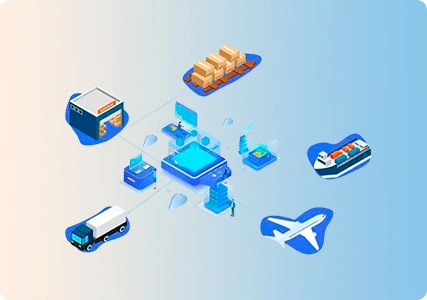
The platform acts as a central hub that connects:
Amazon storefronts
Warehouses and fulfillment centers
Logistics providers and carriers
Internal operational teams
Why Logistics Platforms Matter for Amazon Sellers
1. High Order Volume and Speed Requirements
Amazon sellers often handle:
Large volumes of orders
Short processing timelines
Strict delivery SLAs
Manual workflows cannot keep up with these demands.
2. Cross-Border Complexity
Global Amazon operations involve:
Multiple countries and regions
Customs compliance
Different carriers and service levels
A platform helps standardize and manage these complexities.
3. Inventory Visibility Across Channels
Sellers must track inventory across:
Amazon FBA warehouses
Third-party warehouses
Local distribution centers
Without centralized visibility, stock imbalances and delays occur.
4. Multi-Carrier Coordination
Different carriers are used for:
First-mile pickup
International transport
Last-mile delivery
A unified system ensures seamless coordination.
5. Customer Experience Expectations
Amazon customers expect:
Fast delivery
Accurate tracking
Reliable service
Real-time visibility and automation are essential.
How It Works
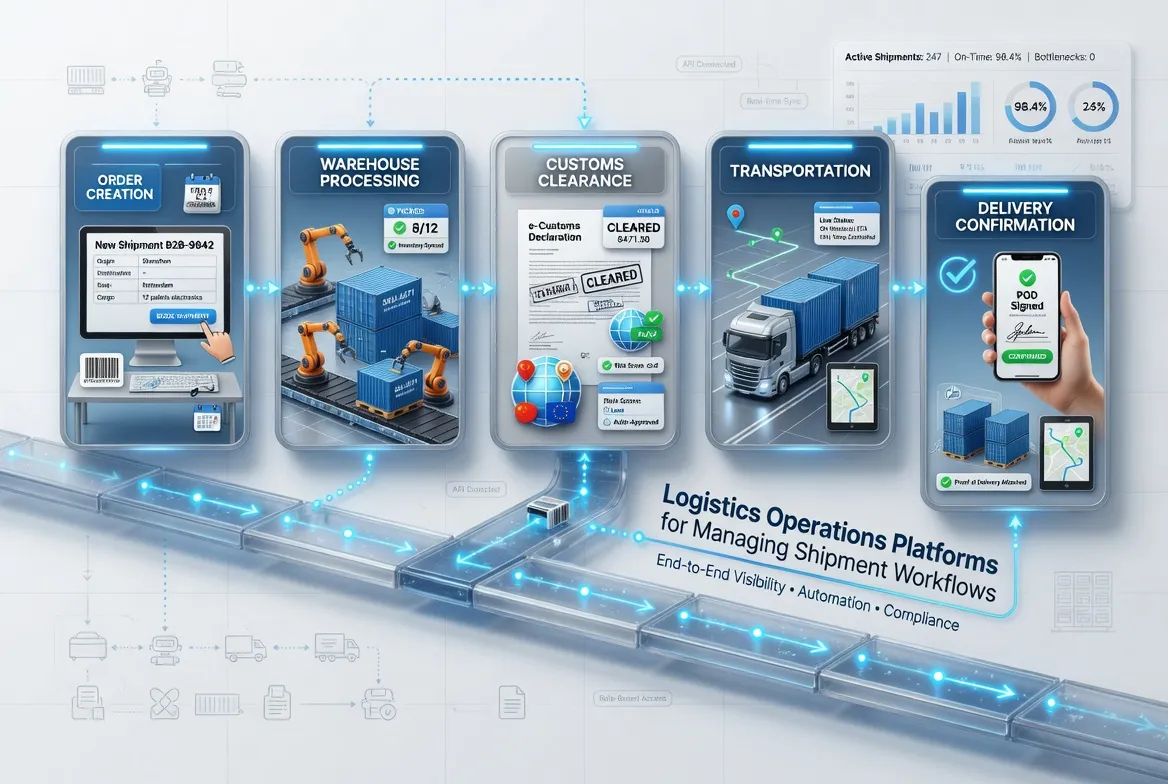
A logistics platform for Amazon sellers operates through an integrated workflow:
1. Order Synchronization
Orders are automatically pulled from Amazon via API
Order data is validated and standardized
Orders are assigned to appropriate fulfillment workflows
This eliminates manual order entry.
2. Inventory and Warehouse Management
Inventory is tracked across multiple locations
Stock levels are updated in real time
Fulfillment instructions are generated automatically
Platforms can integrate with warehouse systems to synchronize inbound, storage, and outbound processes efficiently .
3. Fulfillment Execution
Depending on the fulfillment model:
FBA (Fulfillment by Amazon):
Manage inbound shipments to Amazon warehousesFBM (Fulfillment by Merchant):
Process picking, packing, and shipping from own warehouses
The system ensures correct handling of each order type.
4. Carrier Assignment and Shipping
Select carriers based on rules (cost, speed, destination)
Generate shipping labels and documentation
Coordinate pickup and delivery
5. Shipment Tracking and Visibility
Collect tracking data from carriers
Standardize events into milestones
Provide a unified tracking timeline
This ensures end-to-end visibility for both sellers and customers.
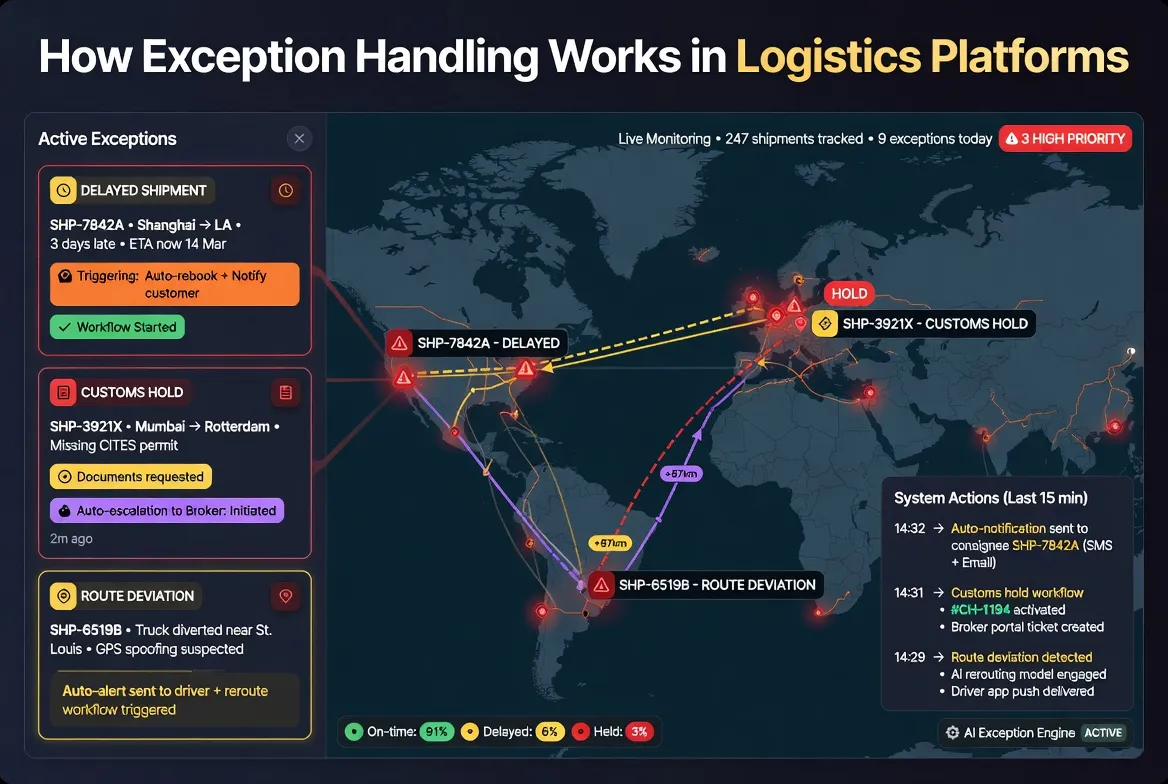
6. Exception and Returns Management
Detect delays or delivery issues
Trigger alerts and workflows
Manage returns and reverse logistics
7. Financial and Performance Tracking
Track shipping costs and revenues
Analyze fulfillment performance
Generate reports for decision-making
Key Features / Key Capabilities
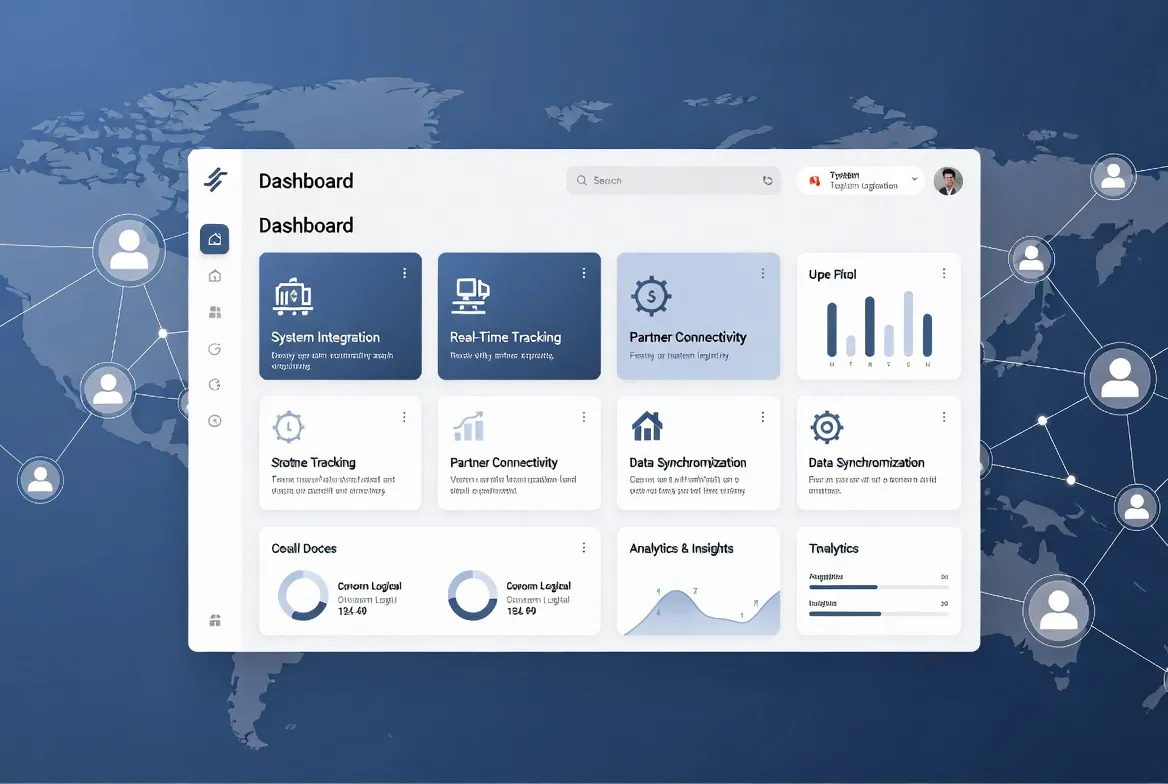
Modern logistics platforms for Amazon sellers include:
Amazon API integration
Automatic order synchronization and updatesMulti-warehouse management
Centralized inventory tracking across locationsMulti-carrier coordination
Flexible carrier selection and routingEnd-to-end shipment visibility
Unified tracking across all shipment stagesMilestone-based tracking
Standardized shipment lifecycle eventsWorkflow automation
Automated order processing and task executionAI-assisted data processing
Reduce manual input for documents and dataReturns and exception management
Handle disruptions and reverse logisticsFinancial automation
Billing, cost tracking, and reconciliationCollaboration tools
Connect internal teams, warehouses, and partners
Benefits for Logistics Companies
1. Faster Order Processing
Automate order intake and validation
Reduce processing time
Increase throughput
2. Improved Operational Efficiency
Eliminate manual tasks
Standardize workflows
Reduce errors
3. Enhanced Visibility
Monitor shipments in real time
Track inventory across locations
Improve decision-making
4. Better Customer Experience
Provide accurate tracking updates
Improve delivery reliability
Reduce delays and issues
5. Scalability
Handle growing order volumes
Expand to new markets
Integrate additional partners and carriers
Best Practices / Use Cases
Use Case 1: Cross-Border Amazon Sellers
Sellers shipping internationally use platforms to:
Manage customs documentation
Coordinate multiple carriers
Track shipments across regions
Use Case 2: FBA Inventory Replenishment
Platforms help:
Plan shipments to Amazon warehouses
Track inbound deliveries
Optimize stock levels
Use Case 3: FBM Fulfillment Operations
Sellers managing their own fulfillment benefit from:
Automated picking and packing workflows
Real-time inventory updates
Integrated shipping execution
Best Practices
Integrate directly with Amazon APIs
Use automation to handle high order volumes
Standardize workflows across fulfillment types
Monitor performance metrics regularly
Ensure real-time visibility for all stakeholders
Conclusion
A logistics platform is essential for Amazon sellers looking to scale their operations efficiently. By integrating order management, warehouse operations, transportation coordination, and tracking into a single system, sellers can streamline workflows, improve visibility, and enhance customer experience.
As cross-border eCommerce continues to grow, adopting a unified logistics platform becomes a key factor in maintaining competitiveness and operational efficiency.
Frequently Asked Questions
What is a logistics platform for Amazon sellers?
It is a system that manages order processing, inventory, fulfillment, shipping, and tracking for Amazon-based operations.
How does a logistics platform integrate with Amazon?
It connects via APIs to automatically synchronize orders, update shipment status, and manage inventory data.
Why do Amazon sellers need logistics platforms?
They need them to handle high order volumes, improve efficiency, ensure visibility, and meet delivery expectations.
What are the benefits of using logistics software for Amazon sellers?
Benefits include faster processing, reduced errors, better tracking, improved customer experience, and scalability.
Can logistics platforms support both FBA and FBM?
Yes, modern systems support both fulfillment models and allow seamless coordination between them.
About WallTech
WallTech provides digital logistics solutions that support Amazon sellers in managing complex cross-border fulfillment operations. Its platforms enable end-to-end logistics collaboration, connecting sellers, warehouses, carriers, and partners within a unified system. With real-time shipment visibility and milestone-based tracking, sellers can monitor every stage of order fulfillment. Workflow automation, AI-assisted data processing, and financial automation—including billing and reconciliation—help improve operational efficiency and accuracy.
If you're exploring ways to improve your logistics operations, feel free to connect with us to learn more about our solutions and system capabilities.