May 18,2026
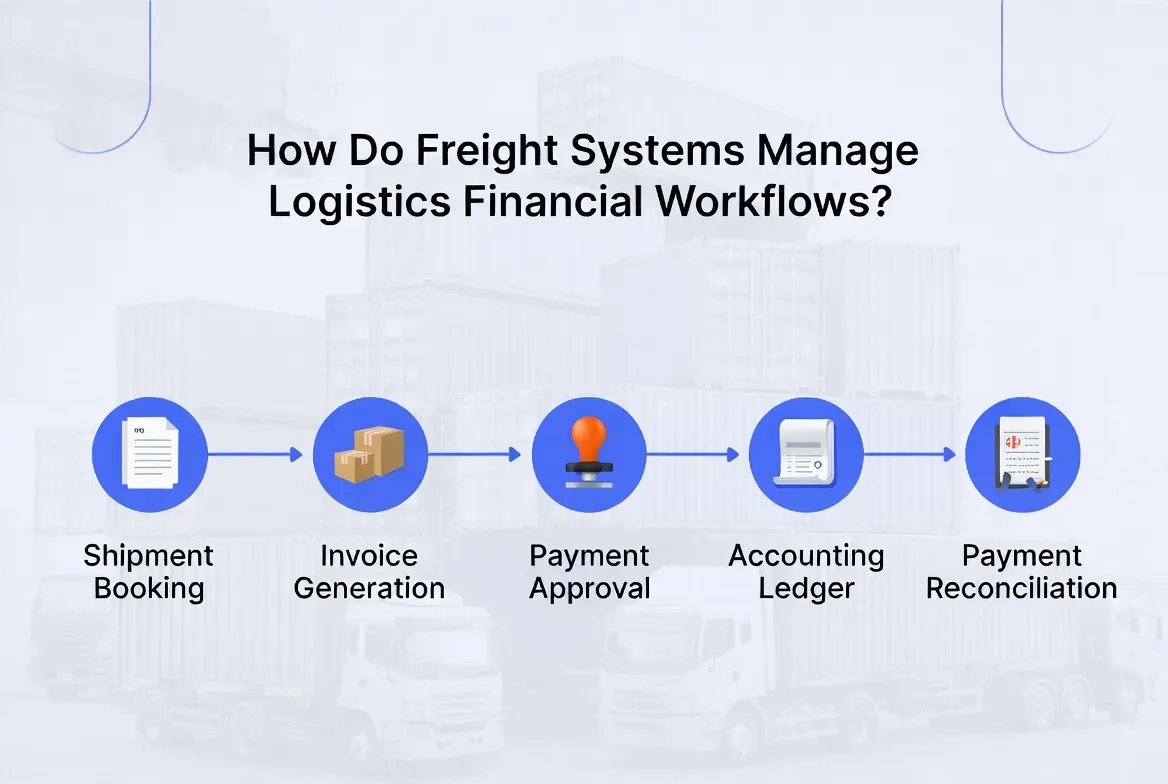
How Do Freight Systems Manage Logistics Financial Workflows?
Introduction
Digital logistics platforms for supply chain transparency are systems that provide clear, real-time visibility into logistics operations, data flows, and stakeholder activities across the entire supply chain. These platforms enable freight forwarders, 3PL providers, and cross-border eCommerce logistics companies to monitor shipments, track performance, and share accurate information with all stakeholders.
In an increasingly complex global logistics environment, supply chain transparency is essential for improving trust, reducing risks, and enabling better decision-making.
What is a Digital Logistics Platform for Supply Chain Transparency
A digital logistics platform for supply chain transparency is a centralized system that ensures all logistics activities, data, and processes are visible, traceable, and accessible to relevant stakeholders.
It provides:
End-to-end shipment visibility
Real-time access to operational data
Transparent workflows and status updates
Traceability of actions and changes
Transparency goes beyond basic tracking—it includes full insight into how shipments are managed, where delays occur, and how decisions are made.
Why Supply Chain Transparency Matters
Lack of transparency is a major issue in traditional logistics operations.
Common challenges include:
Limited visibility into shipment status
Unclear responsibility across stakeholders
Delayed or inconsistent information sharing
Difficulty identifying bottlenecks or inefficiencies
Lack of trust between logistics providers and customers
These challenges lead to:
Poor customer experience
Increased operational risks
Inefficient decision-making
Difficulty in managing disruptions
Digital logistics platforms address these issues by providing full transparency across operations and data flows.
How Digital Logistics Platforms Enable Supply Chain Transparency
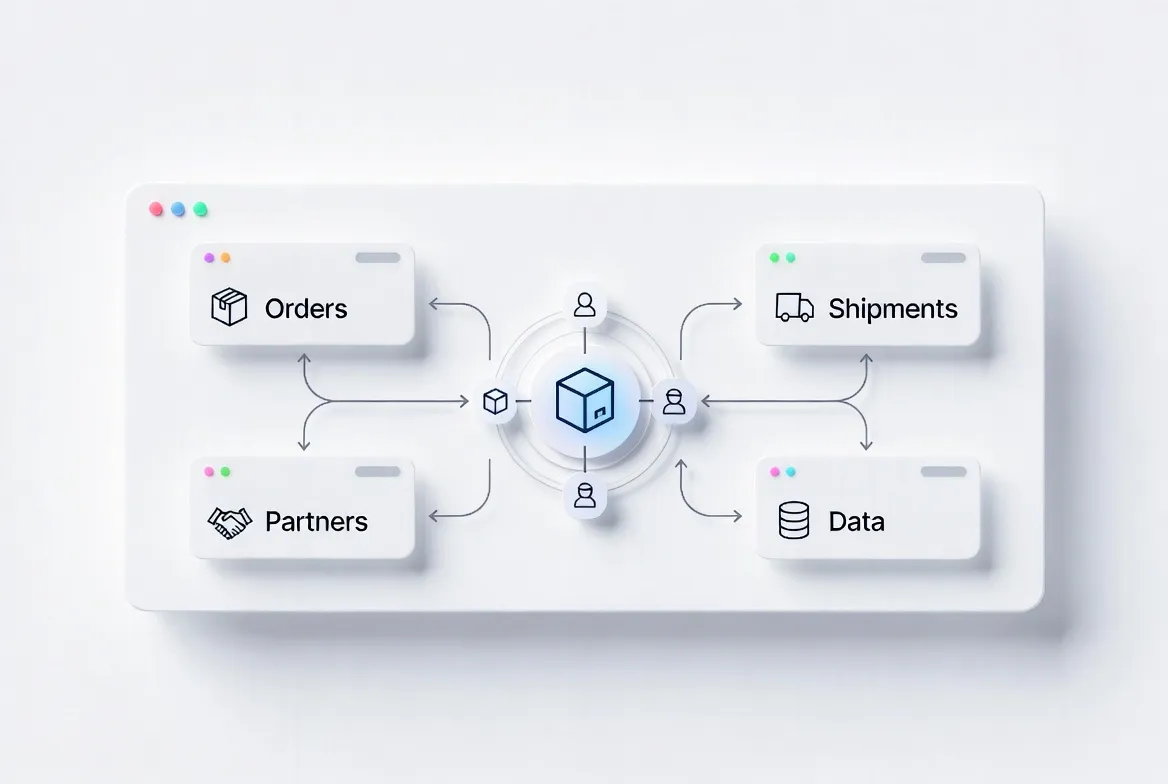
Digital logistics platforms create transparency through data integration, structured tracking, and shared access.
1. End-to-End Visibility
All shipment stages are tracked within one system:
Pickup
Transportation
Customs clearance
Delivery
Each stage is visible in real time, providing a complete view of shipment progress.
2. Unified Data Platform
All operational data is centralized:
Shipment data
Inventory data
Financial data
Documentation
This eliminates inconsistencies and ensures that all stakeholders work with the same information.
3. Milestone-Based Tracking
Shipments are monitored through defined milestones:
Each milestone represents a key event
Progress is clearly displayed
Delays are easily identified
4. Real-Time Updates and Alerts
The platform continuously updates information:
Automatic updates from integrated systems
Alerts for delays, exceptions, or missing data
Immediate visibility into operational changes
5. Role-Based Access and Sharing
Transparency is controlled through access management:
Internal teams access full operational data
External partners access relevant shipment information
Customers can track shipments through dedicated portals
Key Features / Key Capabilities
Digital logistics platforms for transparency typically include:
1. End-to-End Shipment Tracking
Real-time visibility across all logistics stages
Unified timeline for shipment progress
2. Centralized Data Management
Single source of truth for all logistics data
Consistent information across systems
3. Milestone-Based Monitoring
Structured tracking of key shipment events
Clear progress indicators
4. Audit Trails and Activity Logs
Record of all actions and changes
Traceability of operations
5. Automated Alerts and Notifications
Immediate notification of delays or issues
Configurable alert rules
6. Customer Visibility Portals
Self-service tracking for customers
Improved transparency and communication
These features enable logistics companies to provide clear and reliable information across the supply chain.
Benefits for Logistics Companies
Improved Operational Transparency
Clear visibility into all processes and activities
Better understanding of operational performance
Enhanced Customer Trust
Transparent tracking and communication
Increased confidence in logistics services
Better Risk Management
Early detection of delays and disruptions
Faster response to issues
Increased Accountability
Clear responsibility across stakeholders
Traceable actions and decisions
Data-Driven Insights
Access to accurate and consistent data
Improved analysis and optimization
Best Practices / Use Cases
1. Freight Forwarders
Provide customers with real-time shipment visibility
Improve coordination across global partners
Identify and resolve bottlenecks
2. 3PL Providers
Offer transparent service performance to clients
Monitor operations across warehouses and transportation
Improve SLA compliance
3. Cross-Border eCommerce Logistics
Ensure transparency for high-volume parcel shipments
Improve delivery tracking for end customers
Reduce customer inquiries
4. Global Supply Chain Operators
Monitor operations across multiple regions
Standardize transparency across networks
Enhance decision-making capabilities
Conclusion
Digital logistics platforms for supply chain transparency are critical for building efficient, reliable, and customer-centric logistics operations. By providing real-time visibility, centralized data, and structured tracking, these platforms eliminate information gaps and improve operational clarity.
As supply chains become more complex, transparency will play an increasingly important role in ensuring efficiency, trust, and long-term success.
Frequently Asked Questions
What is supply chain transparency in logistics?
Supply chain transparency refers to the ability to access and understand all logistics processes, data, and shipment status across the entire supply chain in real time.
How do digital logistics platforms improve transparency?
They centralize data, provide real-time tracking, and enable shared access to shipment information and workflows across stakeholders.
Why is transparency important in logistics?
Transparency improves operational control, enhances customer trust, reduces risks, and enables better decision-making.
What are the benefits of supply chain transparency?
Benefits include improved visibility, increased accountability, better risk management, and enhanced customer experience.
Who needs supply chain transparency solutions?
Freight forwarders, 3PL providers, cross-border eCommerce logistics companies, and global supply chain operators benefit from transparency solutions.
About WallTech
WallTech provides digital logistics platforms designed to enhance supply chain transparency across global operations. By enabling end-to-end visibility with milestone-based tracking and unified timelines, the platform ensures that all stakeholders have access to accurate, real-time information. Multi-role collaboration capabilities connect internal teams and external partners within one system, while workflow automation and AI-driven data processing reduce manual effort. With integrated financial management and centralized data control, WallTech helps logistics companies build transparent, efficient, and scalable supply chain operations.
If you're exploring ways to improve your logistics operations, feel free to connect with us to learn more about our solutions and system capabilities.