Apr 24,2026
Cross-Border Logistics Platforms for Global Shipment Coordination
Introduction
Order visibility in logistics refers to the ability to track and monitor shipment orders in real time across their entire lifecycle, from order creation to final delivery. It provides a unified view of shipment status, milestones, and exceptions, enabling logistics companies to make informed decisions and respond proactively to disruptions. In modern logistics operations, order visibility is essential for improving efficiency, enhancing customer experience, and ensuring operational control.
What is Order Visibility in Logistics
Order visibility is the capability to access real-time and historical information about shipment orders across all stages of the logistics process. It includes:
Order status updates (confirmed, in transit, delivered)
Milestone tracking (booking, departure, customs clearance, delivery)
Location data across transport modes
Exception alerts and delays
Supporting documents and operational details
Unlike basic tracking, order visibility provides a comprehensive and structured view of logistics operations, integrating data from multiple systems, carriers, and stakeholders into a single interface.
In complex logistics networks, visibility is not limited to one segment—it spans the entire supply chain, including origin, transit, and destination.
Why Order Visibility Matters
1. Reduces Operational Uncertainty
Without visibility, logistics teams rely on fragmented updates from emails, phone calls, or spreadsheets. This leads to:
Delayed responses to disruptions
Inconsistent information across teams
Increased operational risk
Real-time visibility ensures that all stakeholders access the same, up-to-date information.
2. Improves Decision-Making
Visibility enables logistics managers to:
Identify delays early
Adjust routes or carriers
Reallocate resources
With accurate data, decisions are proactive rather than reactive.
3. Enhances Customer Experience
Customers increasingly expect transparency in logistics operations.
With order visibility:
Customers can track shipments independently
Service teams can provide accurate updates
Trust and satisfaction improve
Self-service tracking portals reduce the need for manual communication.
4. Strengthens Collaboration
Logistics operations involve multiple parties:
Internal departments (sales, operations, finance)
External partners (carriers, agents, warehouses)
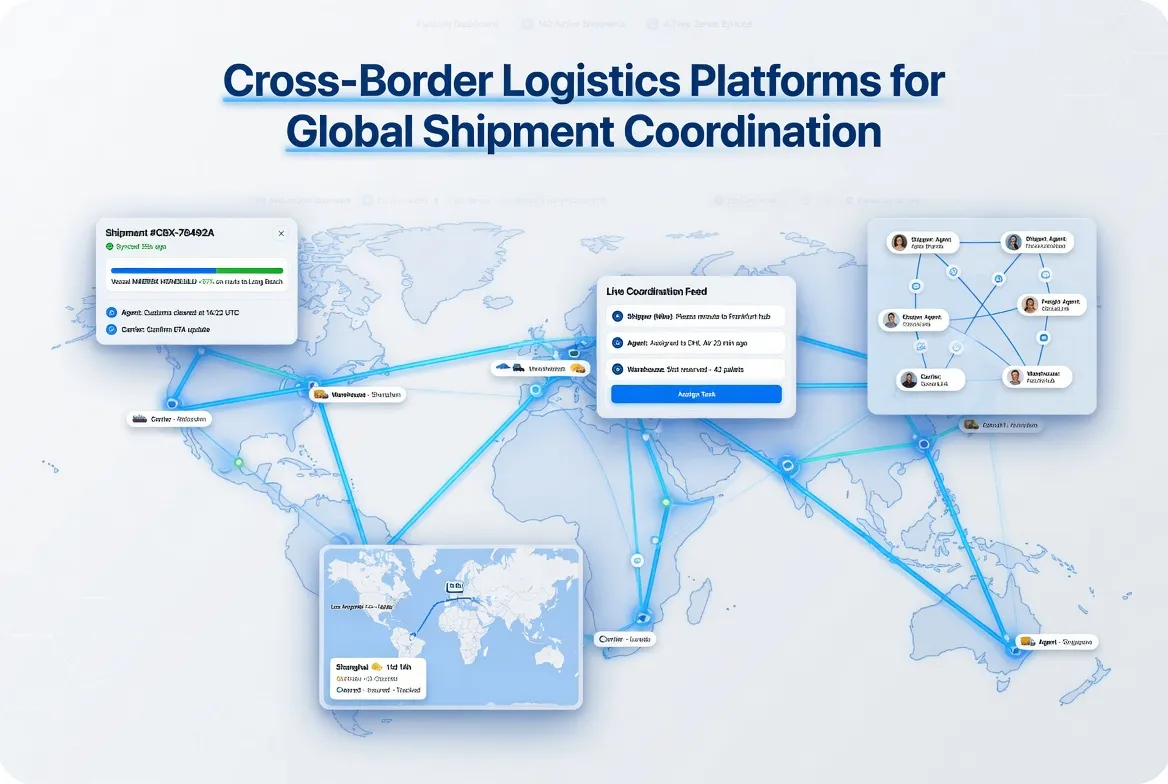
Visibility ensures that all participants work with synchronized data, improving coordination and reducing miscommunication.
5. Supports Financial Accuracy
Operational visibility is closely tied to financial processes.
Accurate milestone tracking supports billing triggers
Delays and exceptions can be reflected in cost calculations
Financial reconciliation becomes more reliable
How Order Visibility Works
1. Data Collection
Order visibility systems collect data from multiple sources:
Internal logistics systems
Carrier tracking systems
Warehouse operations
Manual updates
This creates a centralized data foundation.
2. Milestone-Based Tracking
Each shipment is broken into defined milestones, such as:
Order confirmed
Pickup completed
Departure from origin
Arrival at destination
Customs clearance
Final delivery
These milestones form a structured timeline.
Modern systems automatically generate or capture these nodes through integrations or operational events, enabling full lifecycle tracking .
3. Data Integration and Synchronization
Visibility platforms integrate with:
Carriers (airlines, shipping lines, couriers)
Third-party logistics providers
ERP and warehouse systems
Data is synchronized in real time to ensure consistency across all users.
4. Visualization and User Interface
The collected data is presented through:
Unified dashboards
Shipment timelines
Status indicators
Alerts and notifications
Users can quickly understand the current state of any order.
5. Exception Management
When issues occur, the system detects and highlights them:
Delayed shipments
Missing milestones
Customs issues
Automated alerts allow teams to respond immediately.
Key Features of Order Visibility Systems
1. End-to-End Tracking
Full lifecycle visibility from origin to delivery
Multi-modal tracking (air, ocean, trucking, parcel)
2. Unified Timeline View
Milestone-based tracking
Clear visualization of shipment progress
3. Multi-Source Data Integration
Carrier systems
Warehouse operations
External platforms
4. Real-Time Updates
Automatic tracking updates
Live synchronization across systems
5. Exception Alerts
Delay notifications
Risk alerts
Customizable alert rules
6. Customer Portal Access
Self-service tracking
Reduced manual inquiries
Improved transparency
7. Collaboration Support
Shared visibility across teams and partners
Role-based access control
Benefits for Logistics Companies
Improved Operational Efficiency
Reduces manual tracking efforts
Minimizes communication delays
Better Risk Management
Early detection of disruptions
Faster response to exceptions
Enhanced Customer Satisfaction
Transparent tracking experience
Reduced need for status inquiries
Stronger Partner Coordination
Aligns carriers, agents, and internal teams
Reduces data inconsistencies
Data-Driven Optimization
Enables performance analysis
Supports continuous process improvement
Best Practices / Use Cases
1. Freight Forwarders Managing Global Shipments
Use end-to-end visibility to monitor shipments across multiple countries and transport modes.
2. Cross-Border eCommerce Logistics
Provide customers with real-time tracking for high-volume parcel shipments, improving delivery experience.
3. 3PL Operations with Multiple Stakeholders
Enable all parties—clients, warehouses, and carriers—to access the same shipment data.
4. Exception Handling and SLA Management
Set up automated alerts for delays and service-level breaches, ensuring timely intervention.
5. Multi-Node Logistics Networks
Track shipments across multiple hubs and service nodes with a unified timeline view.
Conclusion
Order visibility is a critical capability in modern logistics operations. It transforms fragmented tracking processes into a unified, real-time view of shipment activities, enabling logistics companies to operate with greater efficiency, transparency, and control.
As logistics networks become more complex, investing in robust visibility systems is essential for maintaining service quality, improving collaboration, and meeting customer expectations.
Frequently Asked Questions
What is order visibility in logistics?
Order visibility is the ability to track and monitor shipment orders in real time across all stages of the logistics process, including status, location, and milestones.
How does order visibility work?
It works by collecting data from multiple systems, tracking shipment milestones, integrating carrier information, and presenting it in a unified interface with real-time updates.
Why is order visibility important?
It improves decision-making, reduces operational risks, enhances customer experience, and ensures better coordination across teams and partners.
What are the benefits of order visibility systems?
They provide real-time tracking, improved collaboration, faster issue resolution, and greater transparency in logistics operations.
What features should an order visibility system include?
Key features include end-to-end tracking, milestone timelines, real-time updates, exception alerts, and integration with multiple data sources.
About WallTech
WallTech provides digital logistics solutions designed to enhance operational visibility and collaboration across global supply chains. Its platforms enable logistics companies to achieve end-to-end shipment tracking through milestone-based timelines and unified data views. By connecting internal teams with external partners, WallTech supports seamless coordination across complex logistics networks. The system also incorporates automation capabilities such as data recognition, workflow execution, and financial processing, helping businesses reduce manual effort and improve accuracy. These capabilities allow logistics providers to scale operations while maintaining transparency and control.
If you're exploring ways to improve your logistics operations, feel free to connect with us to learn more about our solutions and system capabilities.