
Mar 26,2026
How Unified Data Improves Logistics Efficiency
Introduction
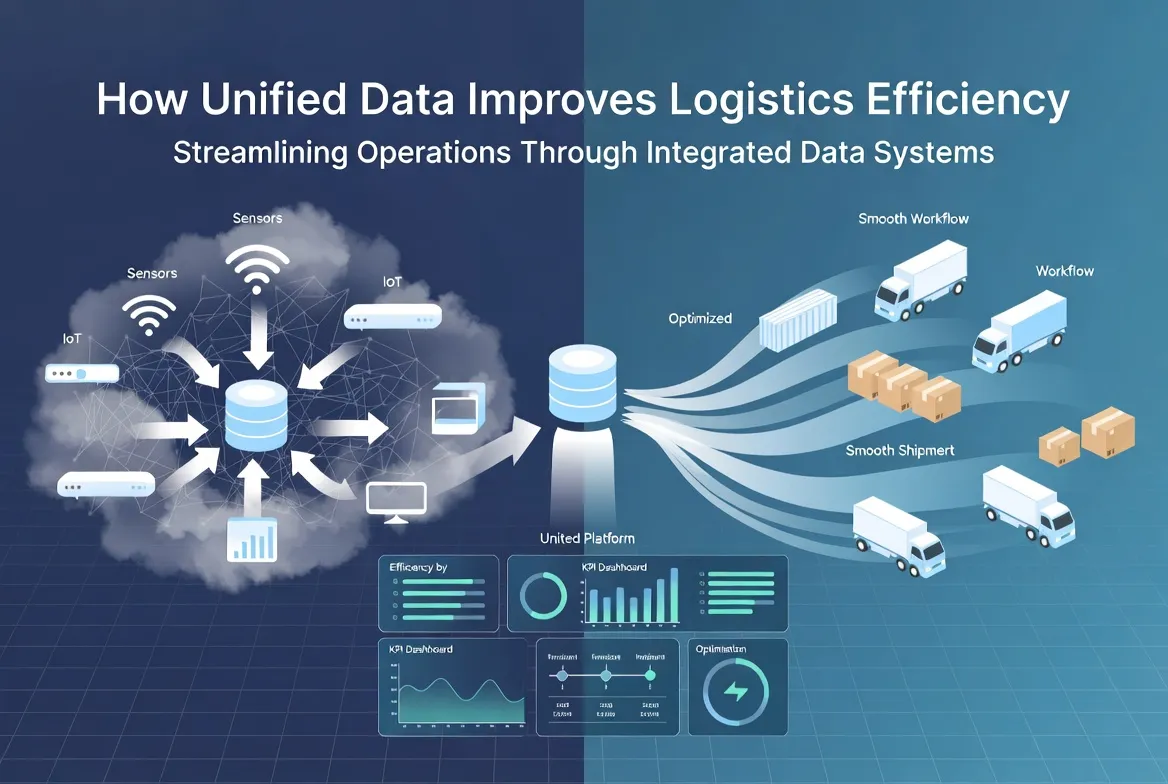
Logistics systems automate order processing and tracking by integrating data from multiple sources, structuring workflows into predefined milestones, and using automation technologies to handle order intake, status updates, and tracking synchronization in real time. This eliminates manual data entry, reduces delays, and provides end-to-end visibility across the shipment lifecycle.
In today’s logistics environment, where speed and accuracy are critical, automated order processing and tracking are essential for maintaining operational efficiency and customer satisfaction.
What is Automated Order Processing and Tracking
Automated order processing and tracking refers to the use of logistics software to manage the lifecycle of a shipment—from order creation to final delivery—without relying on manual intervention.
This includes:
Receiving and validating orders from multiple channels
Automatically creating shipment records
Assigning tasks and workflows
Tracking shipment progress across different transport stages
Providing real-time updates to stakeholders
Instead of manually entering and updating data, the system handles these processes through predefined rules, integrations, and real-time data synchronization.
Why Automated Order Processing and Tracking Matters
Logistics companies often face challenges such as:
repetitive manual order entry
inconsistent tracking data across carriers
delays in status updates
lack of visibility across shipment stages
high customer service workload
Automation addresses these issues by creating a centralized and structured system for managing orders and tracking information.
Key reasons why it matters:
Efficiency: Reduces time spent on manual data entry and tracking updates
Accuracy: Minimizes errors in order information and shipment status
Visibility: Provides real-time, end-to-end tracking
Customer experience: Enables faster and more reliable updates
Scalability: Supports high shipment volumes without operational bottlenecks
How Logistics Systems Automate Order Processing and Tracking
Automation is achieved through a combination of system integration, workflow configuration, and intelligent data processing.
1. Multi-Channel Order Intake
Modern logistics systems support multiple ways of receiving orders:
manual input by operators
batch upload via customized templates
API integration with eCommerce platforms or client systems
These methods allow orders to be automatically captured and standardized within the system, reducing manual effort.
2. Automated Order Creation and Validation
Once an order is received:
the system validates key data fields (e.g., addresses, shipment details)
duplicate orders can be identified and avoided
standardized shipment records are automatically created
This ensures data consistency and reduces operational errors.
3. Workflow and Task Automation
Orders are processed through predefined workflows with milestone-based tracking, such as:
order confirmed
cargo received
customs clearance
in transit
delivered
Each milestone triggers automated actions:
task assignments to relevant roles
status updates in the system
notifications to stakeholders
This structured approach ensures that operations follow a consistent and efficient process.
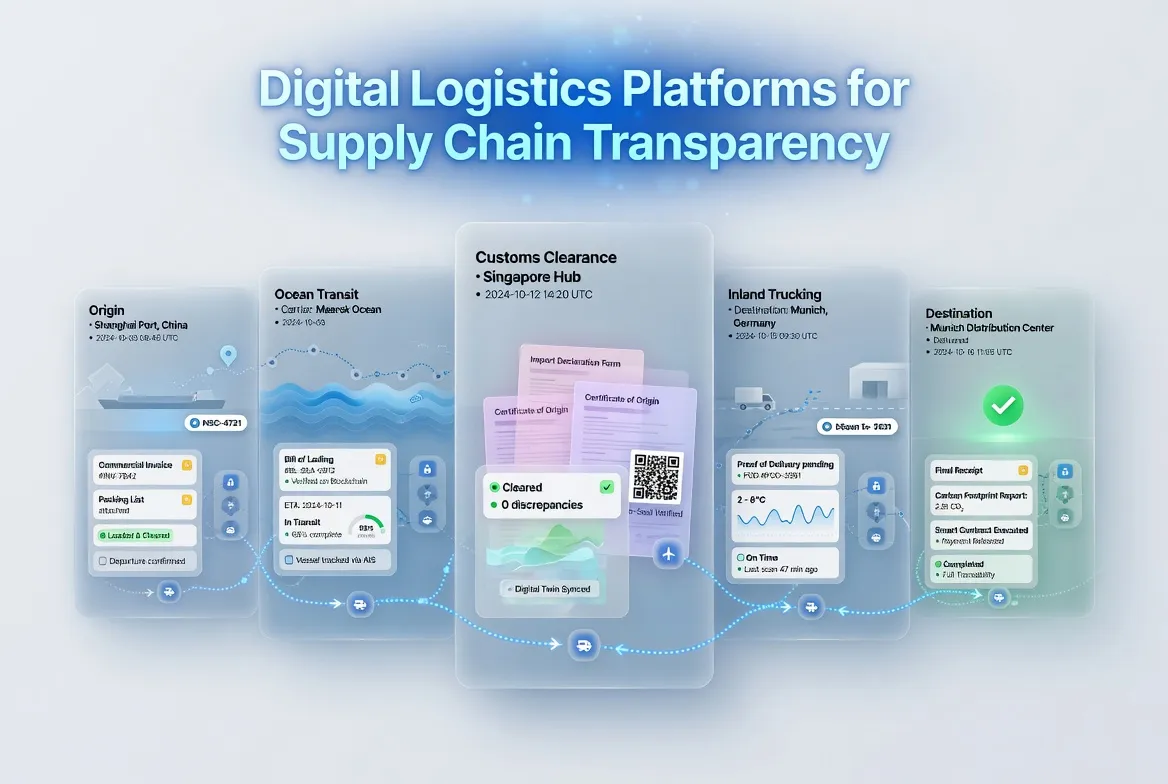
4. Real-Time Tracking Integration
Logistics systems integrate with multiple tracking data sources, including:
carrier systems
third-party tracking platforms
manual updates when needed
These data points are aggregated into a unified timeline, allowing users to:
view shipment progress across all transport stages
track multi-mode shipments in one place
access consistent and up-to-date tracking information
As seen in integrated logistics platforms, multi-source tracking aggregation enables “one-stop” visibility across the entire shipment lifecycle .
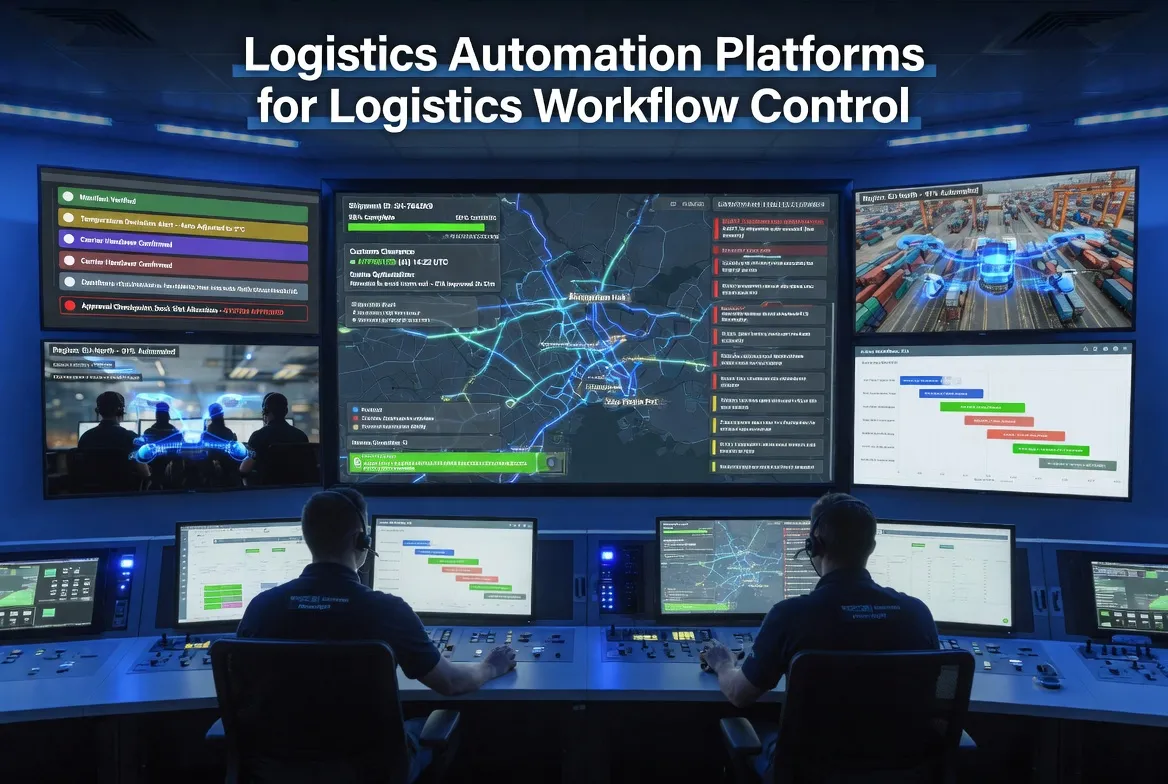
5. Exception Monitoring and Alerts
Automation systems continuously monitor shipment progress and detect exceptions such as:
delays
missing milestones
abnormal transit times
When exceptions occur:
alerts are automatically triggered
notifications are sent to relevant personnel
corrective actions can be initiated بسرعة
This enables proactive management rather than reactive problem-solving.
6. Automated Data Synchronization
All updates—whether from internal operations or external partners—are synchronized in real time across the system.
This ensures:
consistent data across departments
improved collaboration between teams
reduced need for manual communication
Key Features / Key Capabilities
Automated order processing and tracking systems typically include:
Multi-channel order input
manual, batch, and API-based order creationWorkflow automation
predefined processes with milestone triggersEnd-to-end visibility
unified tracking across all shipment stagesMulti-source tracking integration
aggregation of data from carriers and external systemsException management
automated alerts and monitoringMulti-role collaboration
coordination between sales, operations, finance, and partnersData standardization and validation
consistent and accurate shipment data
Benefits for Logistics Companies
1. Faster Order Processing
reduced manual data entry
quicker order creation and validation
shorter processing cycles
2. Improved Tracking Accuracy
consistent tracking data from multiple sources
reduced discrepancies
reliable shipment updates
3. Enhanced Visibility
real-time tracking across all shipment stages
centralized operational monitoring
better decision-making
4. Reduced Operational Workload
automation of repetitive tasks
fewer manual updates
more efficient use of resources
5. Better Customer Experience
timely and accurate shipment updates
improved transparency
reduced need for manual inquiries
Best Practices / Use Cases
1. High-Volume Order Environments
Cross-border eCommerce logistics providers can use automation to handle large volumes of orders efficiently.
2. Multi-Modal Logistics Operations
Automate tracking across sea, air, land, and express shipments within a unified system.
3. Global Freight Forwarding Networks
Enable collaboration between headquarters, overseas branches, and partners with synchronized data and workflows.
4. Customer-Facing Tracking Portals
Provide customers with self-service tracking capabilities, reducing customer service workload.
Best Practices for Implementation
standardize order data formats before automation
integrate with key tracking data sources
define clear workflow milestones
implement exception monitoring rules
continuously optimize automation processes
Conclusion
Automating order processing and tracking is a critical step in modernizing logistics operations. By replacing manual processes with system-driven workflows and real-time data integration, logistics companies can improve efficiency, accuracy, and visibility across the entire shipment lifecycle.
As logistics networks become more complex, automation provides the foundation for scalable and reliable operations.
Frequently Asked Questions
What is automated order processing in logistics?
It refers to using software systems to automatically receive, validate, and create shipment orders without manual intervention, improving efficiency and accuracy.
How does tracking automation work?
Tracking automation integrates data from multiple sources and updates shipment status in real time, providing a unified and consistent tracking view.
Why is automated tracking important?
It improves visibility, reduces errors, and enables faster response to shipment issues, enhancing overall operational performance.
What are the benefits of automating order processing?
Benefits include faster processing, improved accuracy, reduced workload, and better scalability.
Can logistics systems integrate multiple tracking sources?
Yes, modern logistics systems can aggregate tracking data from multiple carriers and platforms into a single unified timeline.
About WallTech
WallTech provides digital logistics solutions that help freight forwarders, 3PL providers, and cross-border logistics companies automate their core operations. Its platforms support multi-role collaboration across global networks while delivering real-time shipment visibility through milestone-based tracking. By integrating workflow automation, AI-driven data processing, and financial automation such as billing and reconciliation, WallTech enables logistics companies to streamline order processing, improve tracking accuracy, and scale their operations efficiently.
If you're exploring ways to improve your logistics operations, feel free to connect with us to learn more about our solutions and system capabilities.
.webp "What Is a Logistics ERP for Freight Forwarders?")