



Mar 31,2026
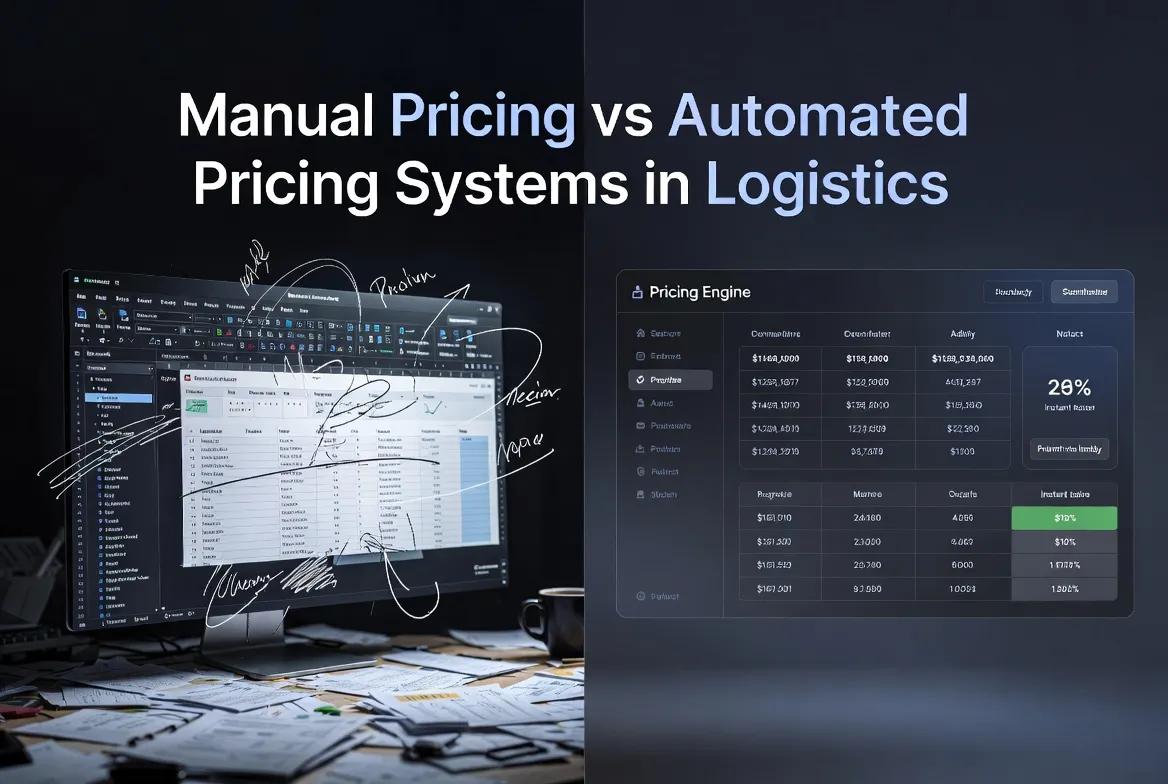
Manual Pricing vs Automated Pricing Systems in Logistics
Introduction
Real-time logistics data is critical for decision making because it provides immediate visibility into shipment status, operational performance, and potential disruptions, enabling logistics companies to respond quickly and make informed, proactive decisions. Without real-time data, decisions are often based on outdated or incomplete information, leading to delays, inefficiencies, and increased operational risk.
In today’s fast-paced global supply chains, where shipments cross multiple regions and involve many stakeholders, real-time data has become a foundational requirement for effective logistics management.
What is Real-Time Logistics Data
Real-time logistics data refers to continuously updated information related to shipments, operations, and logistics activities as they happen. This data is collected from multiple sources, including:
Transportation events (departure, arrival, delays)
Warehouse operations (inbound, outbound, inventory updates)
Carrier and partner systems
IoT devices and tracking systems
Internal operational updates
This data is typically presented within a logistics platform as a unified timeline or dashboard, allowing users to monitor the full lifecycle of shipments in real time.
Why Real-Time Logistics Data Matters
Logistics operations involve constant changes—delays, route adjustments, customs clearance issues, and capacity constraints. Without real-time data, companies face several challenges:
Delayed response to disruptions
Lack of visibility into shipment status
Inefficient coordination between teams and partners
Poor customer communication
Inaccurate planning and forecasting
Real-time logistics data addresses these issues by enabling:
Proactive decision making: Identify issues before they escalate
Faster response times: React immediately to delays or exceptions
Improved coordination: Align teams and partners with up-to-date information
Better customer experience: Provide accurate and timely updates
Data-driven optimization: Analyze performance and improve processes
In a competitive logistics environment, speed and accuracy of decision making directly impact service quality and profitability.
How Real-Time Logistics Data Works
Real-time logistics data is generated, processed, and delivered through integrated systems and workflows:
1. Data Collection
Data is captured from multiple sources, including carriers, ports, warehouses, and internal systems. API integrations and EDI connections enable continuous data exchange.
2. Data Synchronization
All data points are synchronized into a centralized platform, ensuring consistency and eliminating data silos.
3. Milestone Tracking
Each shipment is broken down into key milestones (e.g., pickup, departure, arrival, delivery). Updates are recorded as events occur, forming a structured timeline.
4. Exception Detection
The system identifies deviations from planned timelines, such as delays or missing milestones, and flags them automatically.
5. Real-Time Alerts
Notifications are sent to relevant stakeholders when exceptions occur, enabling immediate action.
6. Visualization and Dashboards
Users access real-time data through dashboards, reports, and tracking interfaces, providing a clear overview of operations.
Key Features of Real-Time Logistics Data Systems
1. End-to-End Visibility
Track shipments across all stages and transport modes
Unified timeline of shipment milestones
Real-time status updates across regions
2. Multi-Role Collaboration
Shared access to real-time data for all stakeholders
Coordination between sales, operations, and partners
Transparent communication across the supply chain
3. Automated Data Integration
API and EDI connectivity with carriers and partners
Continuous data synchronization
Reduced manual data entry
4. Exception Management
Automated detection of delays and disruptions
Configurable alert rules
Immediate notifications for issue resolution
5. Workflow Automation
Trigger actions based on real-time events
Automate operational processes and approvals
Reduce manual intervention
6. Financial Data Synchronization
Link operational events with financial data
Enable real-time cost and revenue tracking
Support automated billing and reconciliation
Benefits for Logistics Companies
Real-time logistics data delivers significant operational and strategic advantages:
Improved operational efficiency: Faster decisions reduce delays and manual coordination
Enhanced visibility and control: Full transparency across the shipment lifecycle
Reduced operational risk: Early detection of issues minimizes disruptions
Better customer satisfaction: Accurate and timely updates improve trust
Optimized resource allocation: Data-driven insights improve planning and utilization
For freight forwarders and 3PL providers managing high volumes and complex networks, these benefits are essential for maintaining service quality and competitiveness.
Best Practices / Use Cases
1. Proactive Exception Management
Logistics teams can monitor real-time milestones and respond immediately to delays, preventing escalation and reducing customer impact.
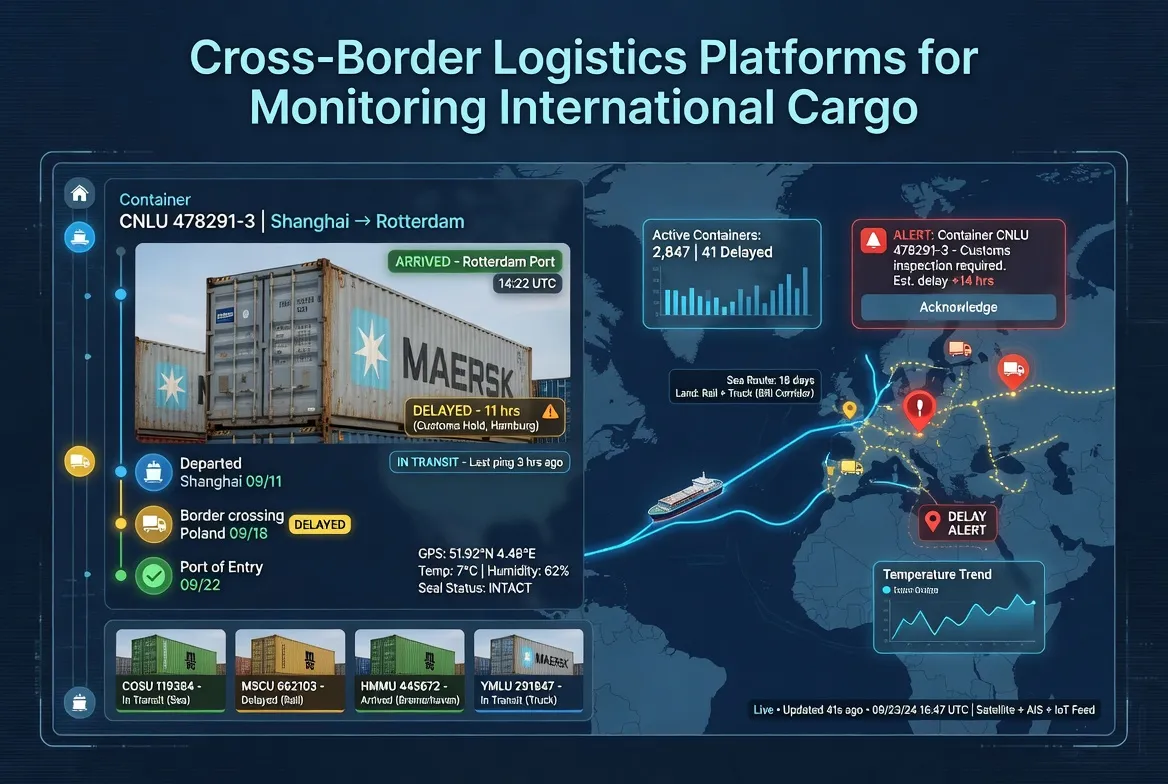
2. Cross-Border Shipment Monitoring
Real-time data enables better tracking of customs clearance and international transit, improving compliance and coordination.
3. Customer-Facing Visibility
Providing customers with access to real-time tracking portals enhances transparency and reduces inquiry volume.
4. Performance Analysis
Analyzing real-time and historical data helps identify bottlenecks and optimize operational processes.
5. Financial Accuracy
Linking real-time operational data with financial systems ensures accurate billing and faster reconciliation.
Conclusion
Real-time logistics data is no longer a luxury—it is a necessity for modern logistics operations. By providing immediate visibility, enabling proactive decision making, and supporting seamless collaboration, it empowers logistics companies to operate more efficiently and respond effectively to dynamic supply chain conditions.
As global logistics becomes increasingly complex, the ability to access and act on real-time data will continue to define operational excellence and competitive advantage.
Frequently Asked Questions
What is real-time logistics data?
Real-time logistics data refers to continuously updated information about shipments and operations, allowing companies to track and manage logistics activities as they happen.
How does real-time data improve logistics operations?
It enables faster decision making, improves visibility, enhances coordination, and allows proactive management of delays and disruptions.
Why is real-time visibility important in logistics?
Real-time visibility helps companies monitor shipment progress, identify issues early, and provide accurate updates to customers and stakeholders.
What systems provide real-time logistics data?
Modern logistics platforms with API integrations, milestone tracking, and automation capabilities provide real-time data across the supply chain.
About WallTech
WallTech provides digital logistics solutions that enable real-time shipment visibility, end-to-end collaboration, and workflow automation for logistics companies. Its platforms connect multiple roles and partners within a unified system, offering milestone-based tracking and synchronized operational and financial data. By automating processes such as billing and reconciliation and ensuring seamless data flow across the supply chain, WallTech helps logistics businesses improve decision-making speed, enhance operational efficiency, and scale with confidence.
If you're exploring ways to improve your logistics operations, feel free to connect with us to learn more about our solutions and system capabilities.
.webp "What is a Multimodal Transport Management System?")
.webp "How Logistics Platforms Deliver Logistics Financial Visibility")


