
Mar 23,2026
The Role of Global Parcel Operations in Modern Logistics
Intro
The top transportation management systems in 2026 are defined by their ability to optimize shipment planning, coordinate carriers, and provide real-time visibility across transportation networks. As logistics operations become more complex and globalized, TMS platforms play a critical role in improving efficiency, reducing costs, and enhancing delivery performance.
What is a Transportation Management System (TMS)
A transportation management system (TMS) is a software platform designed to plan, execute, and optimize the movement of goods across supply chains. It enables logistics companies to manage transportation operations across multiple modes, including road, air, ocean, and rail.
Core capabilities of a TMS include:
Route planning and shipment scheduling
Carrier selection and booking management
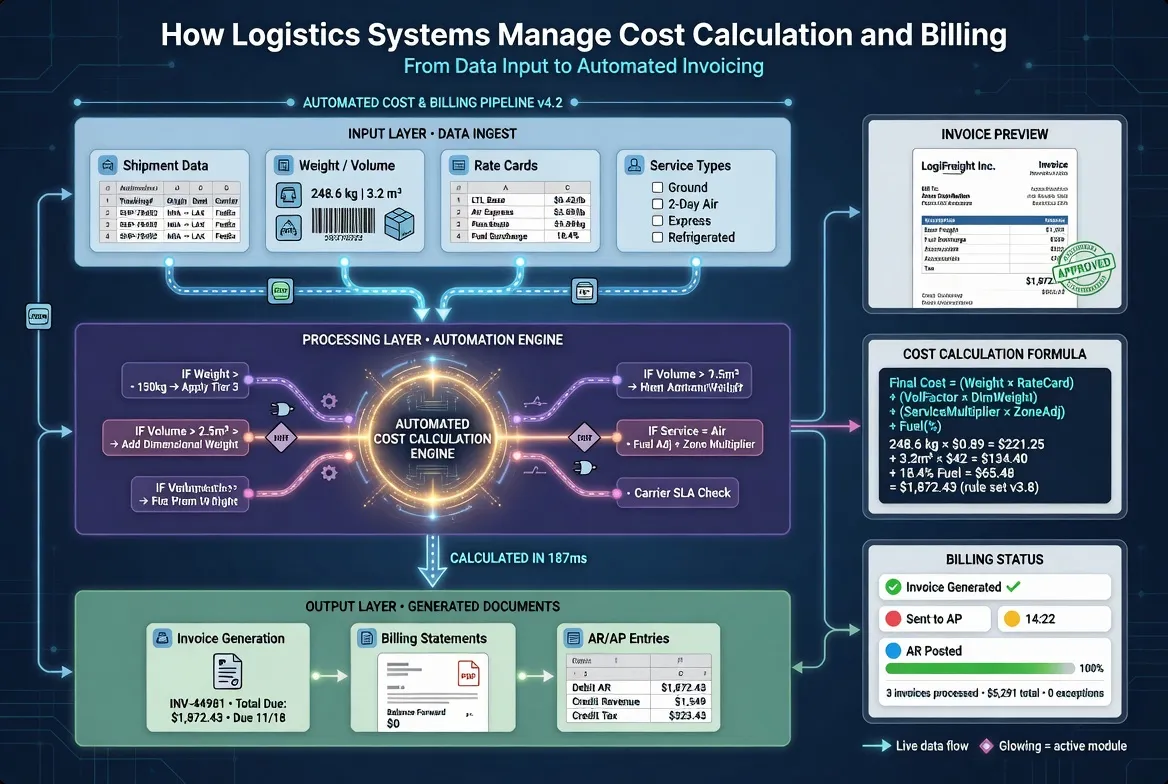
Freight cost calculation and optimization
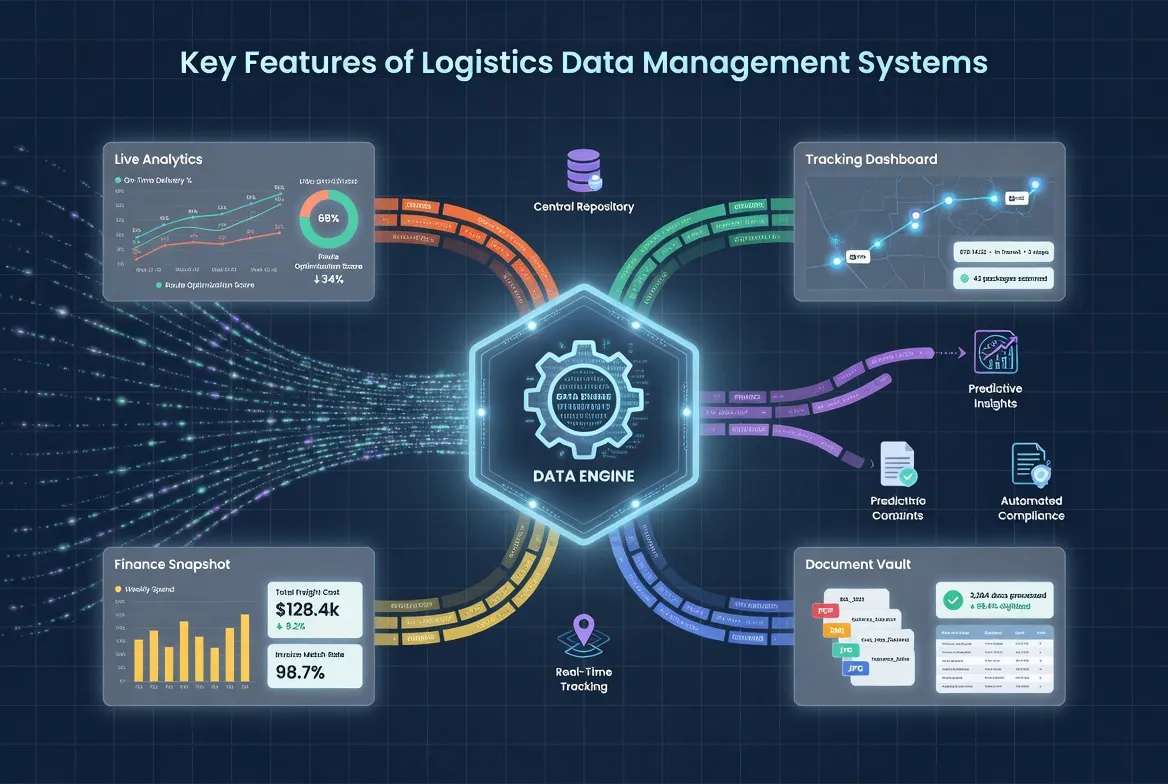
Shipment tracking and visibility
Performance monitoring and reporting
A modern TMS acts as the operational backbone for transportation decision-making and execution.
Key Challenges in Transportation Management
1. Complex route coordination
Global logistics involves multiple routes, carriers, and transport modes, making planning highly complex.
2. Limited real-time visibility
Without integrated tracking systems, it is difficult to monitor shipment progress across different legs of transportation.
3. Carrier fragmentation
Working with multiple carriers often leads to inconsistent communication and data formats.
4. Manual planning processes
Many logistics teams still rely on spreadsheets or manual decision-making, which slows operations and increases errors.
5. Cost inefficiencies
Without optimized planning, companies may select suboptimal routes or carriers, increasing transportation costs.
How Transportation Management Systems Work
A TMS streamlines transportation operations through structured planning and execution workflows.
1. Shipment planning
The system evaluates shipment requirements such as origin, destination, cargo type, and delivery deadlines.
2. Route optimization
Based on predefined rules and available data, the system suggests optimal routes considering cost, transit time, and capacity.
3. Carrier selection and booking
The platform matches shipments with suitable carriers and enables digital booking processes.
4. Execution and tracking
Once shipments are in transit, the system collects tracking data from carriers and updates shipment status in real time.
5. Performance analysis
TMS platforms generate reports on delivery performance, carrier reliability, and cost efficiency.
This structured approach allows logistics companies to move from reactive coordination to proactive transportation management.
Why It Matters for Logistics Companies
Transportation is one of the most critical and cost-intensive components of logistics operations.
Improved delivery reliability
Optimized routes and better coordination reduce delays and improve on-time performance.
Cost reduction
Efficient carrier selection and route planning help minimize transportation expenses.
Increased operational efficiency
Automation reduces manual planning and administrative workload.
Better resource utilization
Optimized planning ensures better use of transport capacity and assets.
Enhanced customer experience
Accurate tracking and predictable delivery timelines improve service quality.
How Modern Logistics Platforms Solve This
Modern logistics platforms extend traditional TMS capabilities by integrating transportation into a broader operational ecosystem.
Real-time shipment visibility
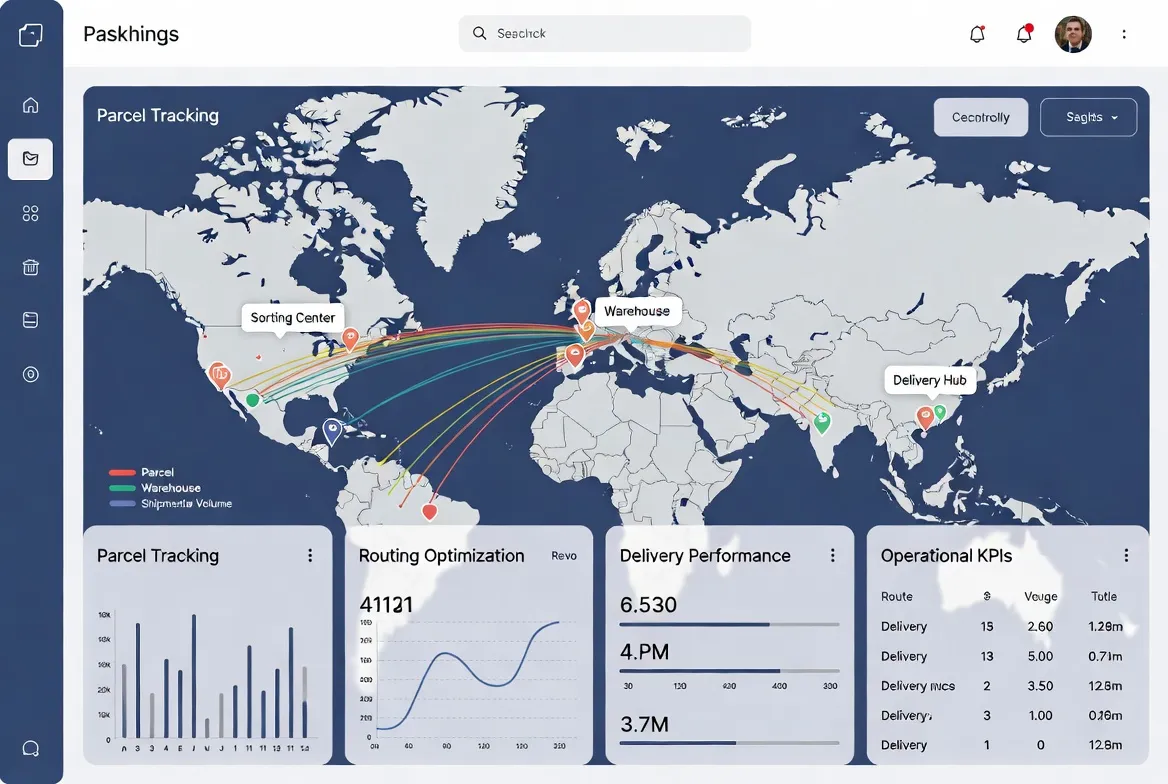
Platforms aggregate tracking data from multiple carriers and transport modes, providing a unified view of shipment progress.
Automated shipment planning
Advanced systems use rule-based logic and AI-driven recommendations to optimize route selection and carrier allocation.
Carrier integration
Through API connectivity, platforms integrate directly with carriers, enabling automated booking, status updates, and data exchange.
Workflow automation
Transportation processes—such as booking, dispatching, and status updates—are automated to reduce manual intervention.
Cross-functional collaboration
Transportation is no longer isolated. Sales, operations, and customer service teams can access the same shipment data, improving coordination.
Exception management and alerts
Systems monitor shipment milestones and trigger alerts when delays or disruptions occur, enabling proactive handling.
Multi-system integration
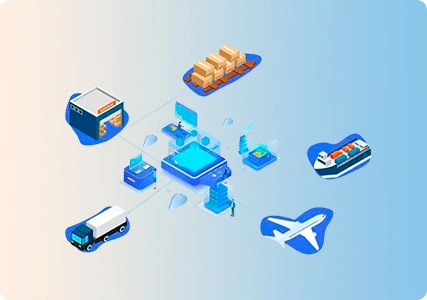
Modern platforms connect transportation workflows with warehouse systems, financial systems, and customer platforms, creating a unified logistics environment.
In practice, these capabilities transform transportation management from a standalone function into an integrated part of end-to-end logistics operations.
Key Benefits of Transportation Management Systems
Optimized routing and planning: More efficient shipment execution
Reduced transportation costs: Better carrier and route selection
Improved visibility: Real-time tracking across all transport stages
Enhanced coordination: Seamless collaboration across teams and partners
Faster decision-making: Access to real-time operational data
Scalable operations: Ability to manage increasing shipment volumes
Proactive exception handling: Early identification of delays or disruptions
Conclusion
The top transportation management systems in 2026 are those that combine route optimization, carrier integration, and real-time visibility into a unified platform. By connecting transportation workflows with broader logistics operations, modern systems enable companies to improve efficiency, reduce costs, and deliver more reliable services in an increasingly complex global environment.
WallTech provides digital logistics solutions designed to support transportation optimization and end-to-end logistics visibility—feel free to contact us to learn more.
FAQ
1. What are the key features of a top transportation management system?
A top TMS includes route optimization, carrier integration, real-time tracking, automated planning, and performance analytics.
2. How does a TMS reduce transportation costs?
It selects optimal routes and carriers based on cost and efficiency, while reducing manual errors and improving planning accuracy.
3. Can a TMS integrate with other logistics systems?
Yes, modern TMS platforms support API-based integration with warehouse systems, ERP systems, and carrier platforms, enabling seamless data flow across the supply chain.