Apr 15,2026
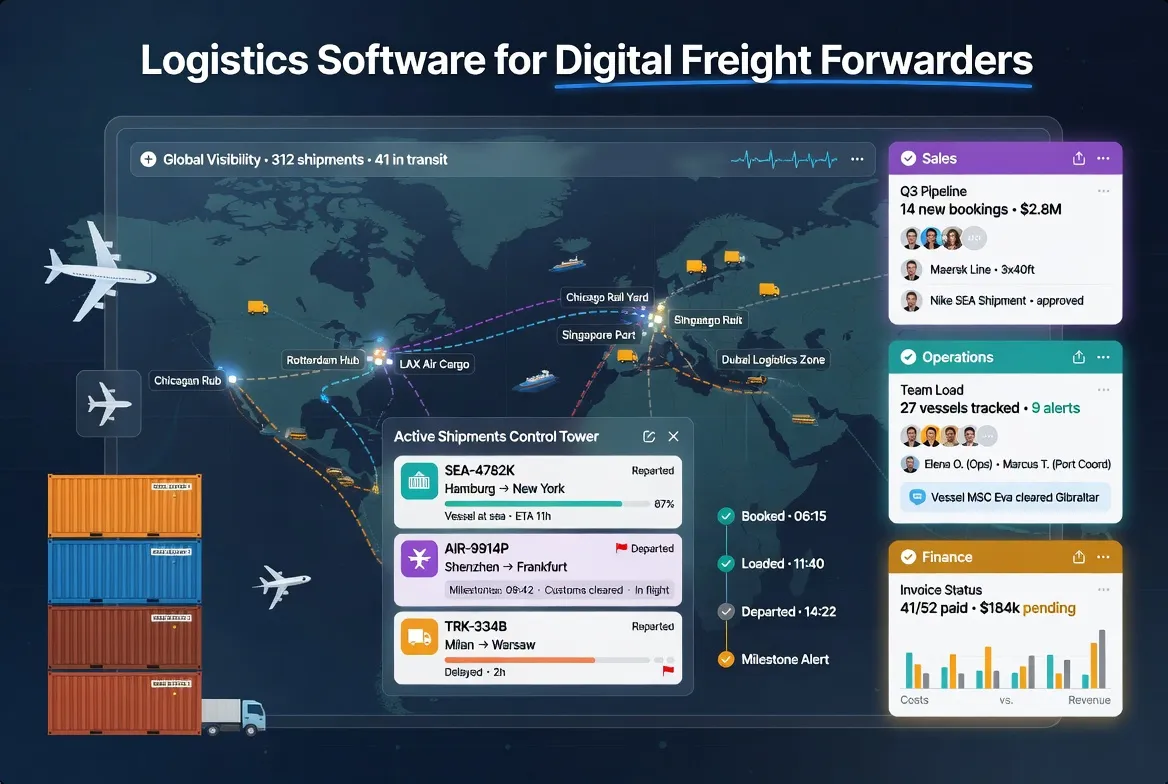
Logistics Software for Digital Freight Forwarders
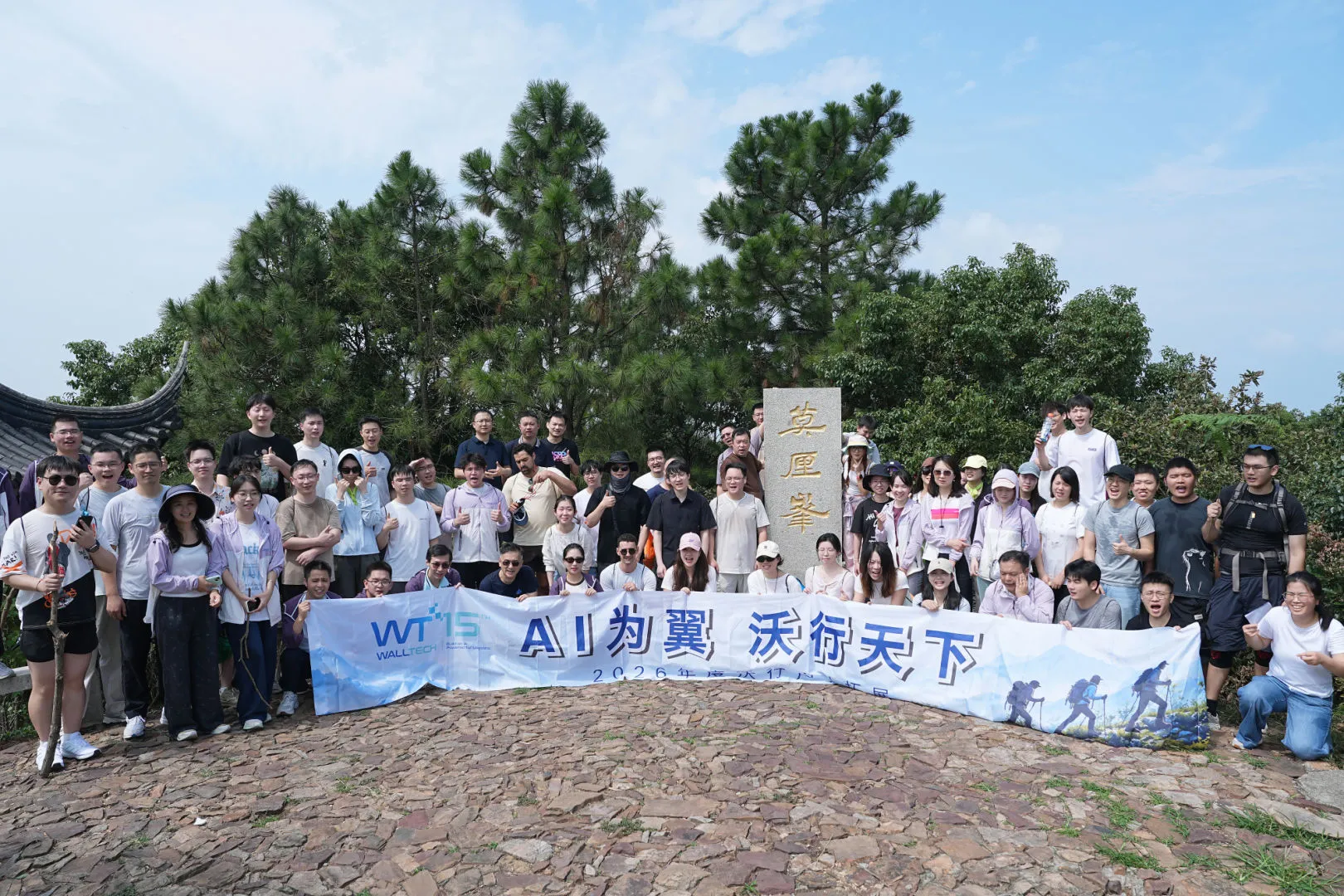
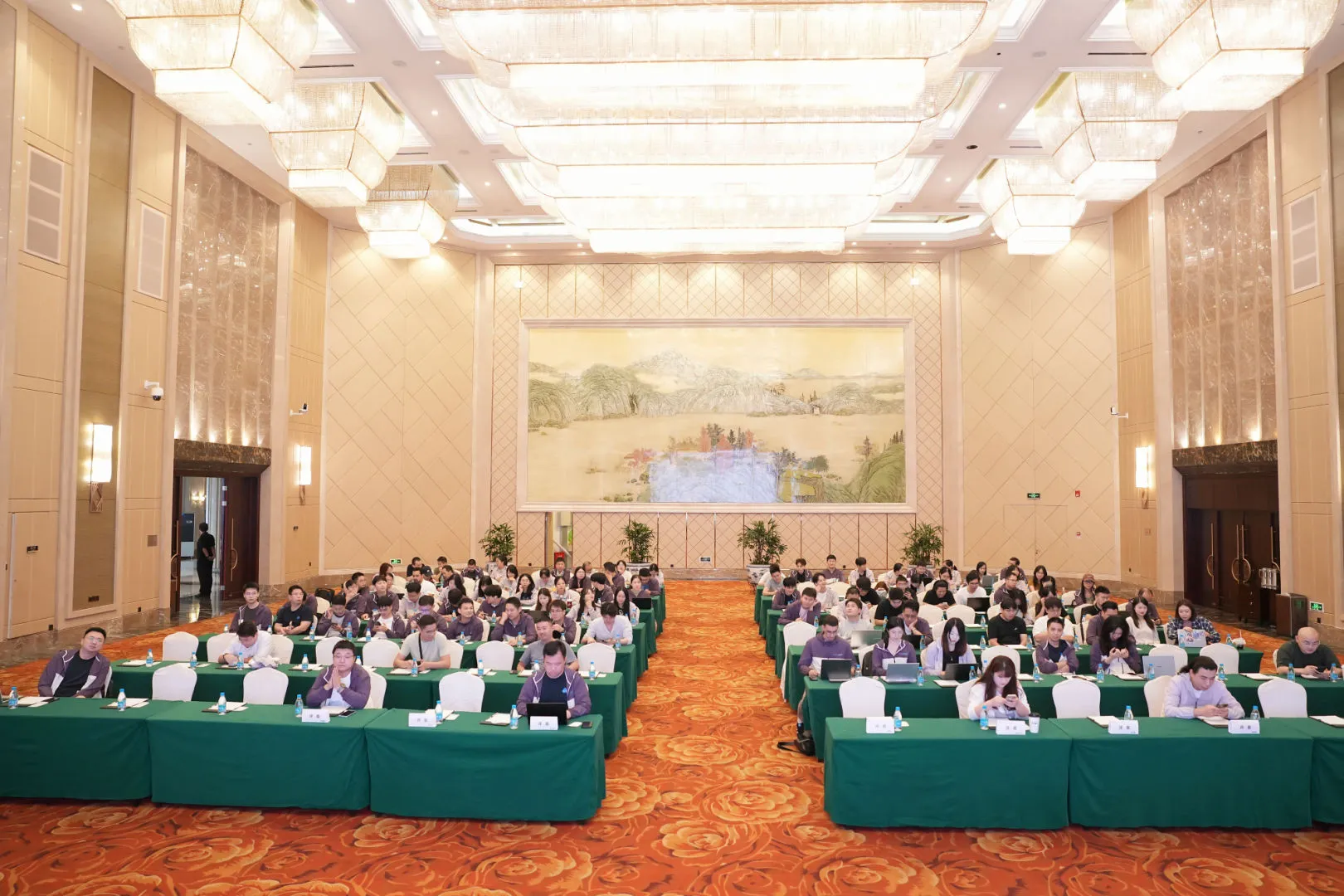
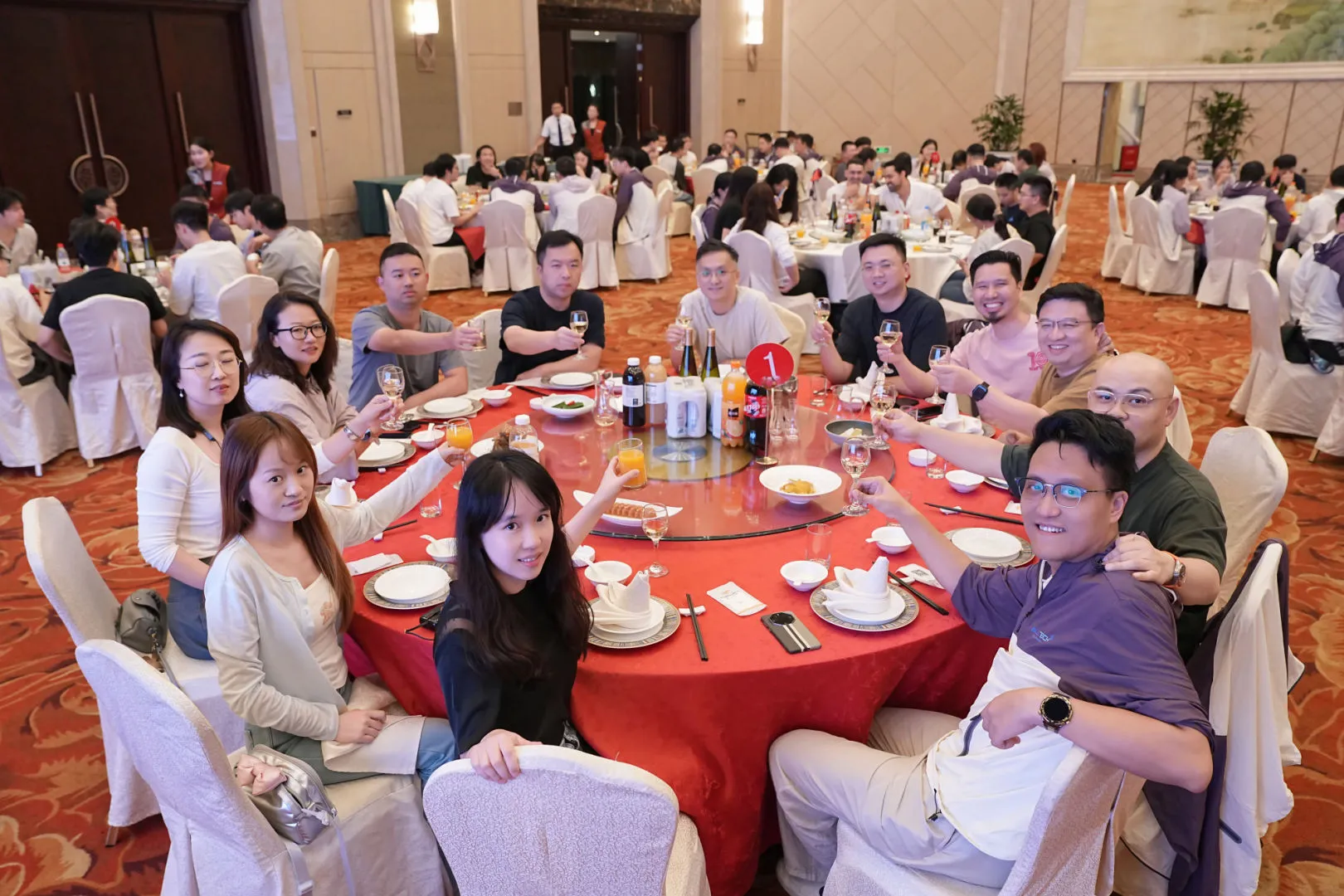
September brought the first signs of autumn to Suzhou. On September 18 and 19, 2026, teams from across WallTech gathered there to mark the company’s 15th anniversary.
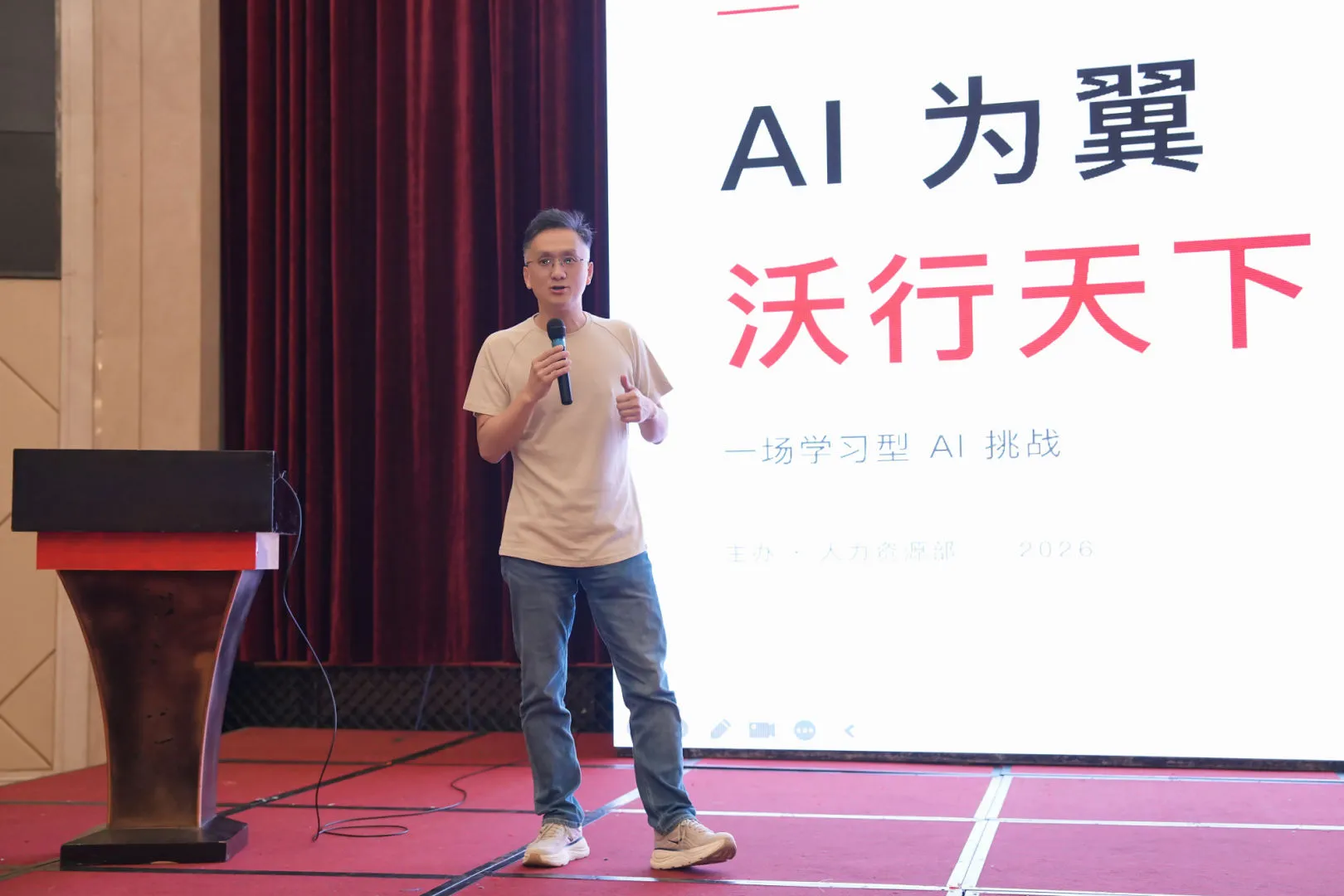
The two-day gathering brought together two very different experiences: the first WallTech AI Evolution Challenge, where teams demonstrated AI applications built around real business scenarios, followed by a hike to the summit of Dongshan Mountain.
Day one looked at how we work next. Day two was about moving forward together.
Day One: Putting AI to Work
Artificial intelligence is evolving quickly. New tools appear almost every day, but adopting more AI tools does not necessarily change how an organisation works.
That was the challenge behind WallTech’s first AI Evolution Challenge: move AI beyond isolated use cases and explore how it can become part of complete business workflows.
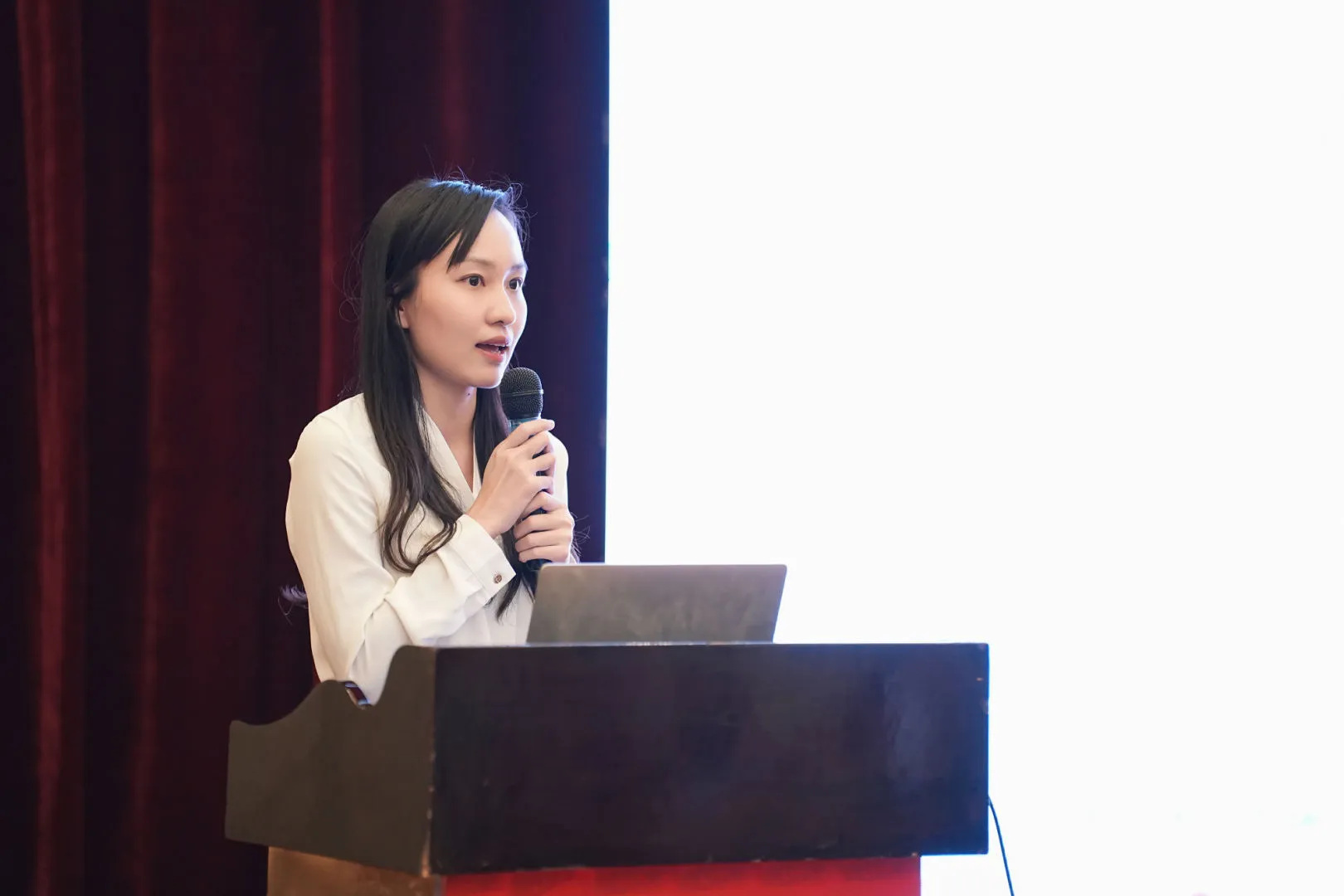
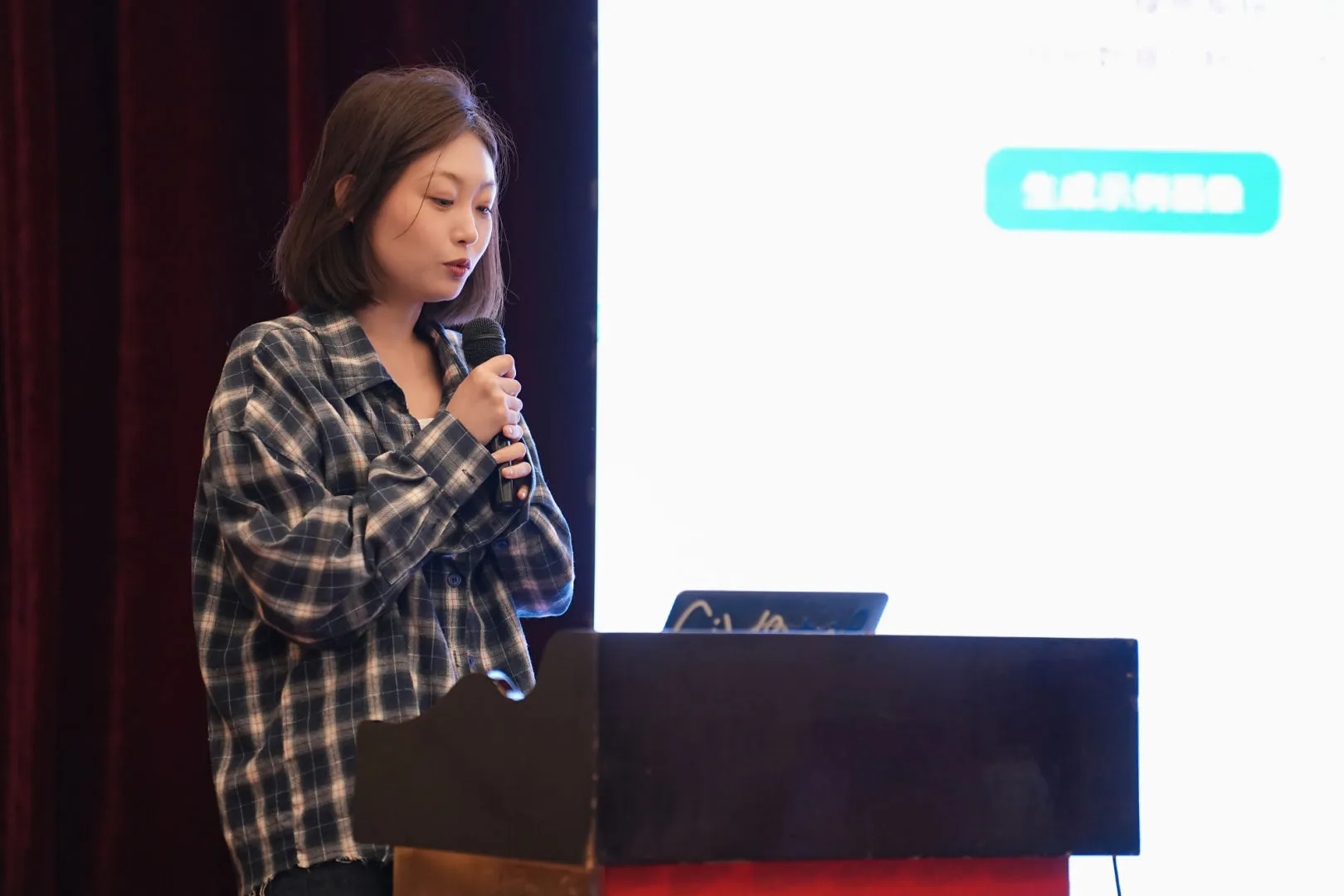
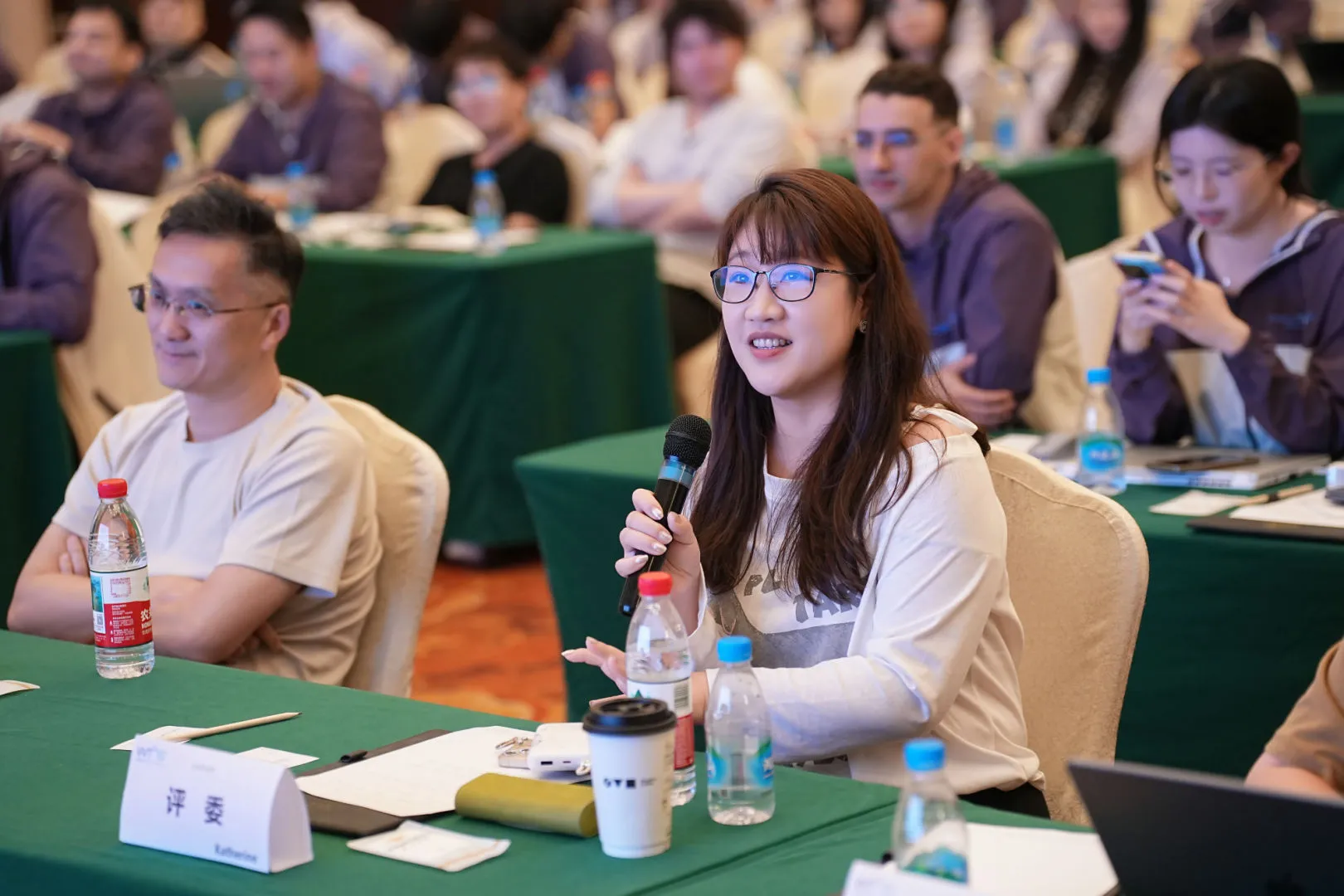
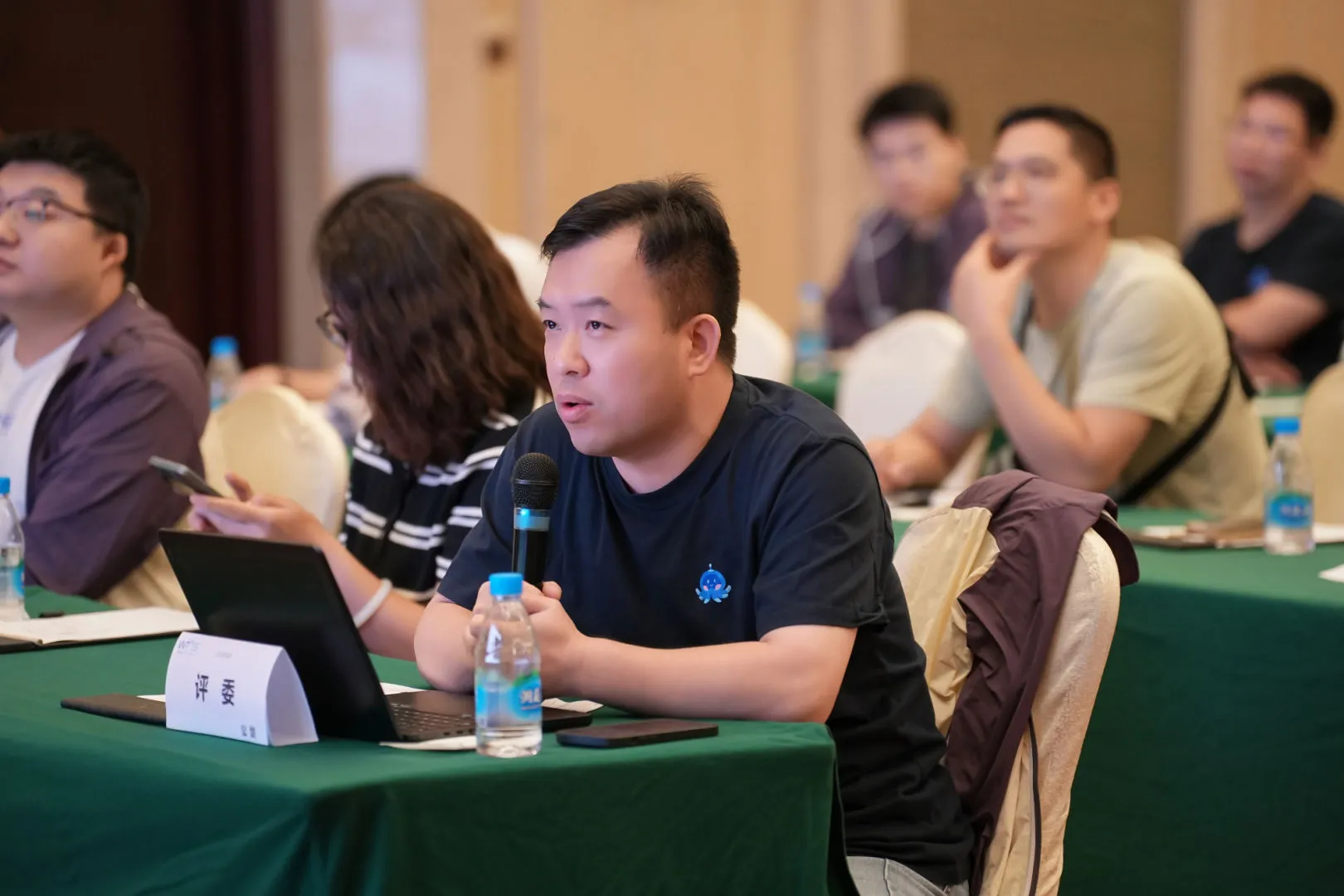
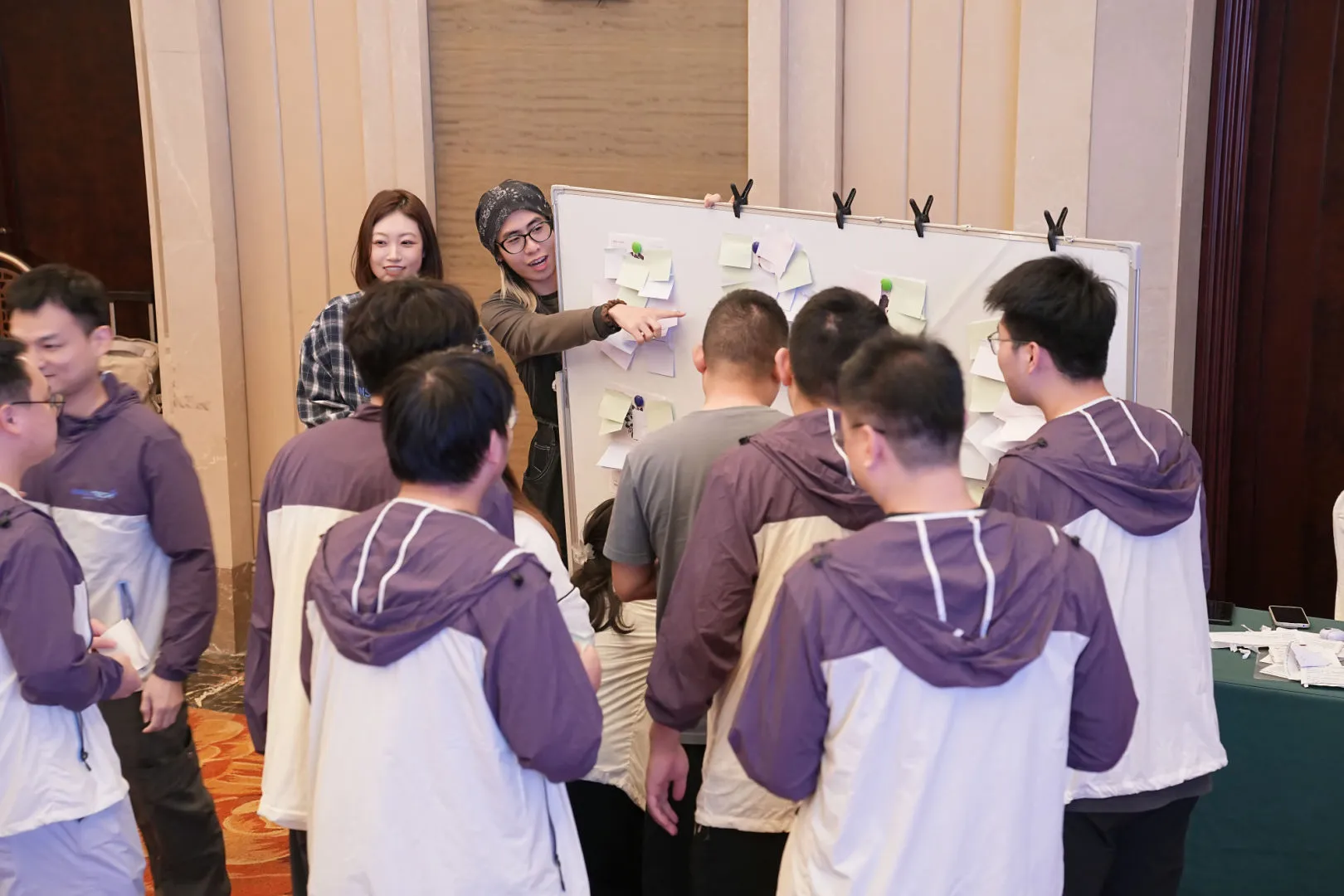
Eight departments took part, developing AI applications around real business scenarios across customer service, knowledge management, product collaboration, operations, marketing, logistics planning and sales.
Rather than focusing on the most impressive demonstration, the competition asked a more practical question:
How was the work done before, how does AI handle it now, and what has actually changed?
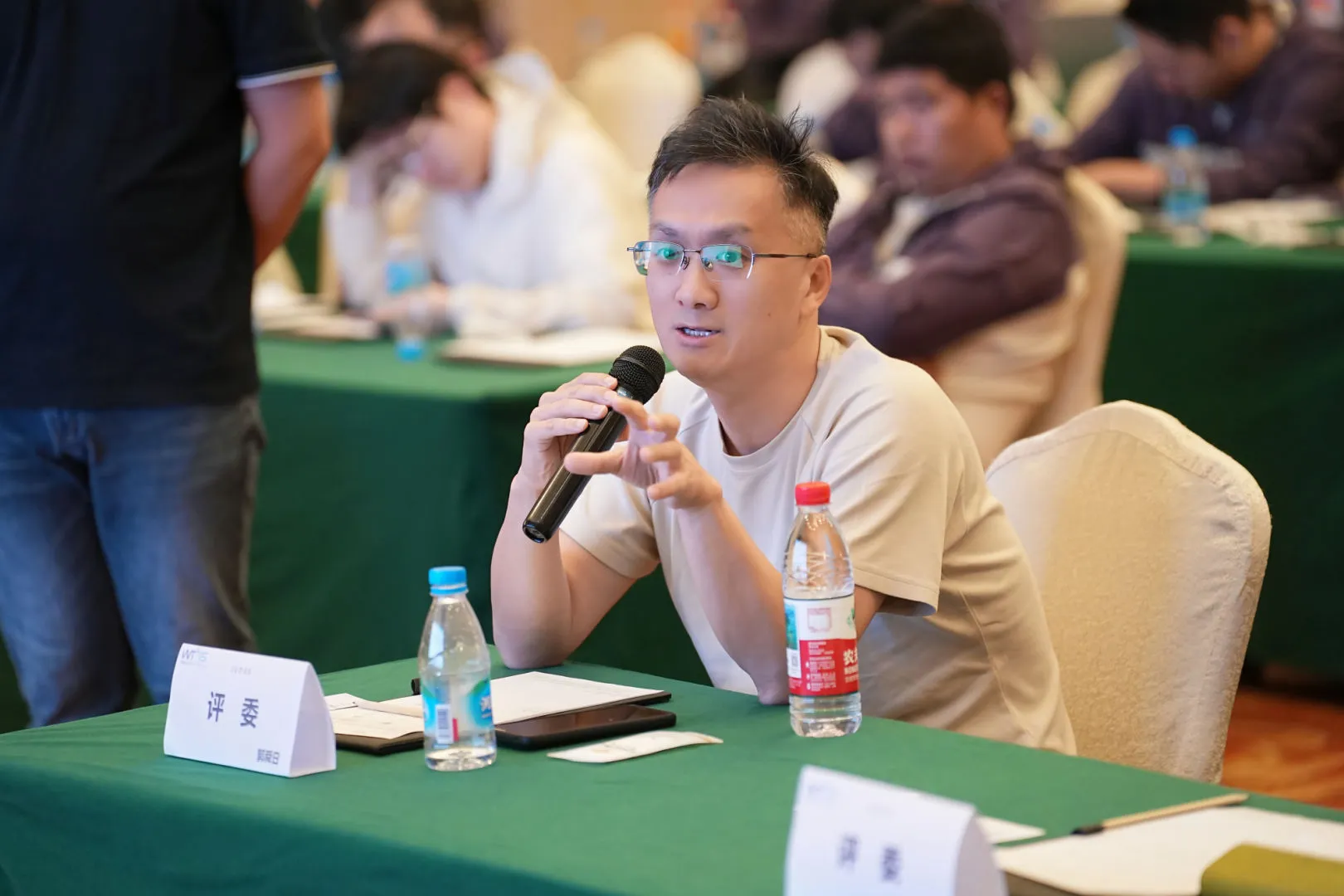
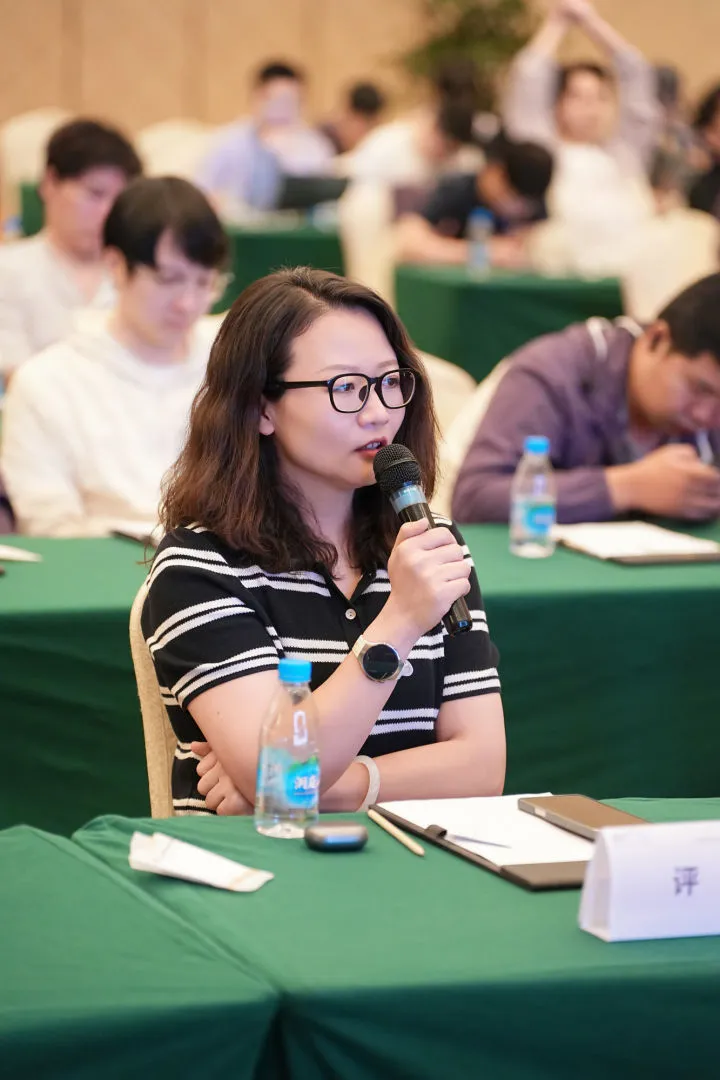
Projects were evaluated across three dimensions: business value, depth of AI application and potential for reuse. Final results combined professional judging, AI-assisted scoring and votes from employees attending the event.
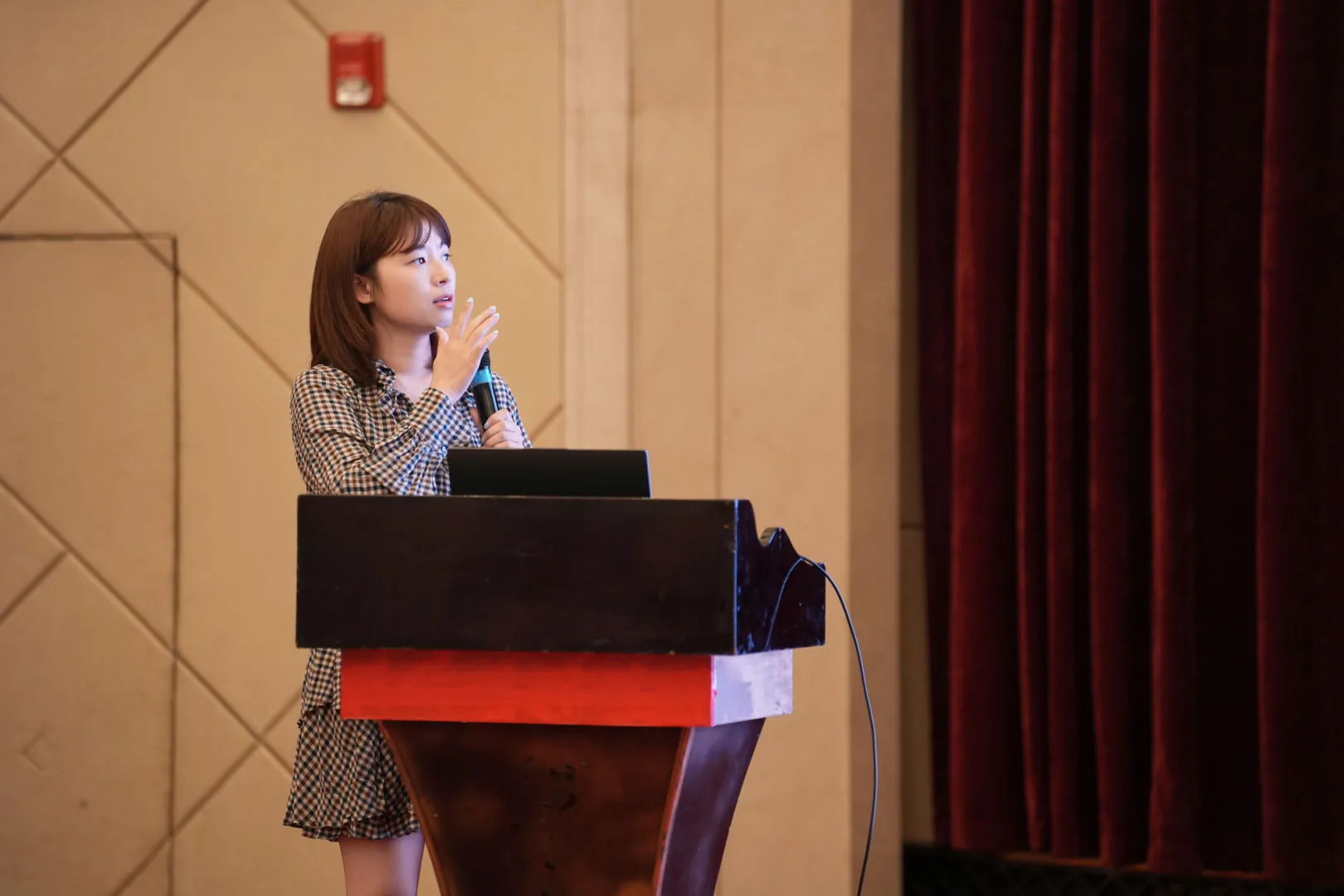
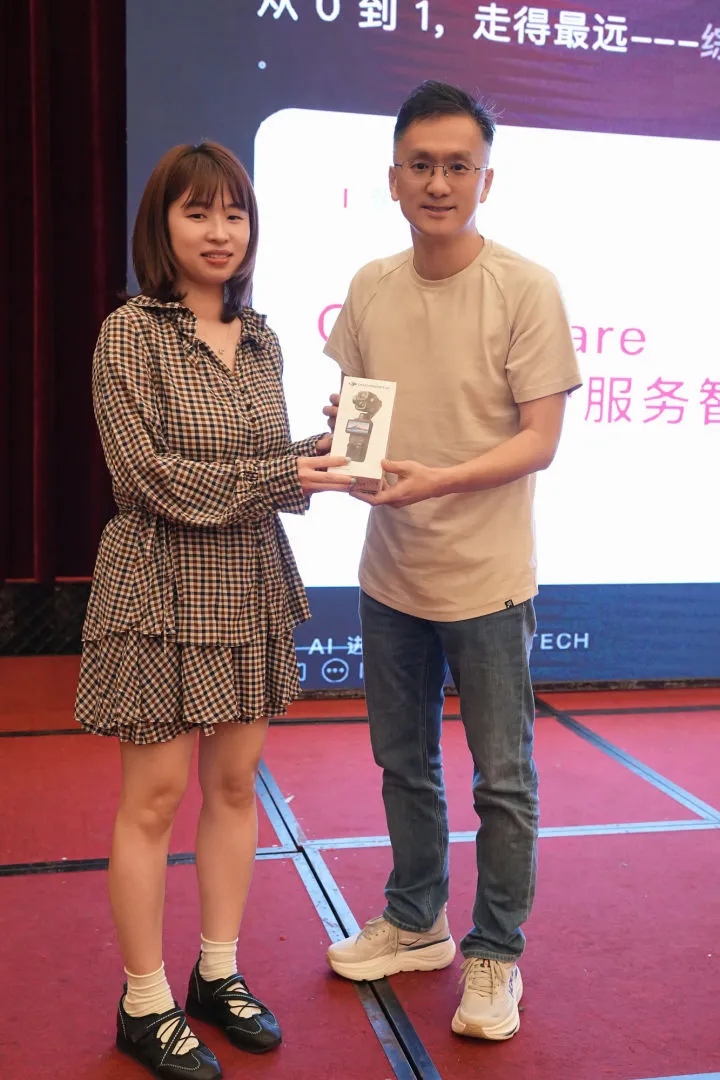
Overall Winner: Customer Service Quality Inspection Agent
The first-place project addressed a familiar challenge in customer service: important issues can be difficult to identify when quality control depends heavily on manual checking and limited sampling.
Developed by the CargoWare team, the project introduced an AI assistant called Sandy to support several parts of the customer service quality-control process.
For service tickets, the system automatically checks five areas including response delays, follow-up delays, unresolved cases, overdue resolved cases and ticket compliance. Daily inspection reports highlight overdue cases and direct them to the relevant team members.
For instant-messaging conversations, AI extends quality inspection beyond manual sampling by reviewing customer conversations more comprehensively and identifying interactions that require attention together with supporting feedback.
The project also automates parts of JIRA follow-up, including pre-release notifications, post-release confirmation and overdue case closure.
The goal is not to remove people from customer service. It is to let AI handle repetitive checking and routine monitoring while people focus on situations that require judgement, coordination and a deeper understanding of the customer.
AI can reduce repetitive work. Human expertise remains essential where the problem becomes complex.
Business Depth Award: Intelligent Q&A Assistant PLUS
Organisational knowledge often sits across documents, conversations, system configurations and individual experience. Making that information easier to find and reuse was the focus of the Intelligent Q&A Assistant PLUS.
The platform connects internal knowledge sources, extracts useful questions and answers from Feishu conversations, supports code-logic retrieval and incorporates system configuration information.
Answers include source links so employees can trace where information came from. When an answer is incomplete, new knowledge can be submitted, reviewed and added back into the system.
The longer-term direction is to expose the capability through a standard API, allowing other internal AI applications to use a shared company knowledge foundation rather than repeatedly building separate knowledge bases.
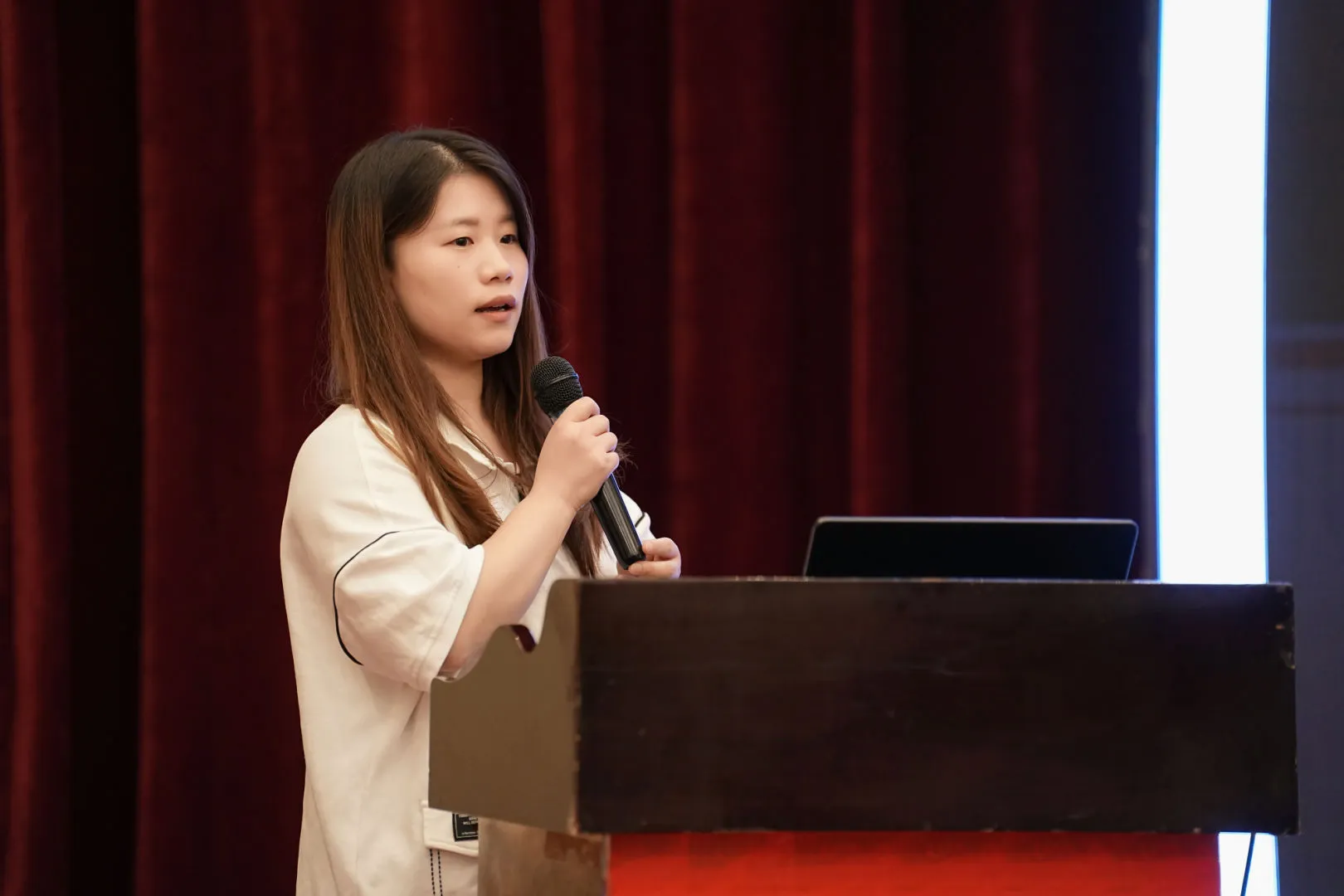
AI Application Depth Award: Tiger Pipeline
The Tiger Pipeline explored how deeply AI could be embedded into the workflow of a small product team.
Its Signal Agent collects regulatory, industry and competitor information from overseas sources and structures it into potential product inputs.
Other components being tested include a product-management agent that can support the generation of product requirement documents and an ORBIT task-allocation agent for breaking work into tasks and assigning responsibilities.
The important part is not any single agent. It is the workflow connecting them.
Information gathering, requirement creation and task planning become parts of the same AI-supported process.
People’s Choice Award: Operations Workbench
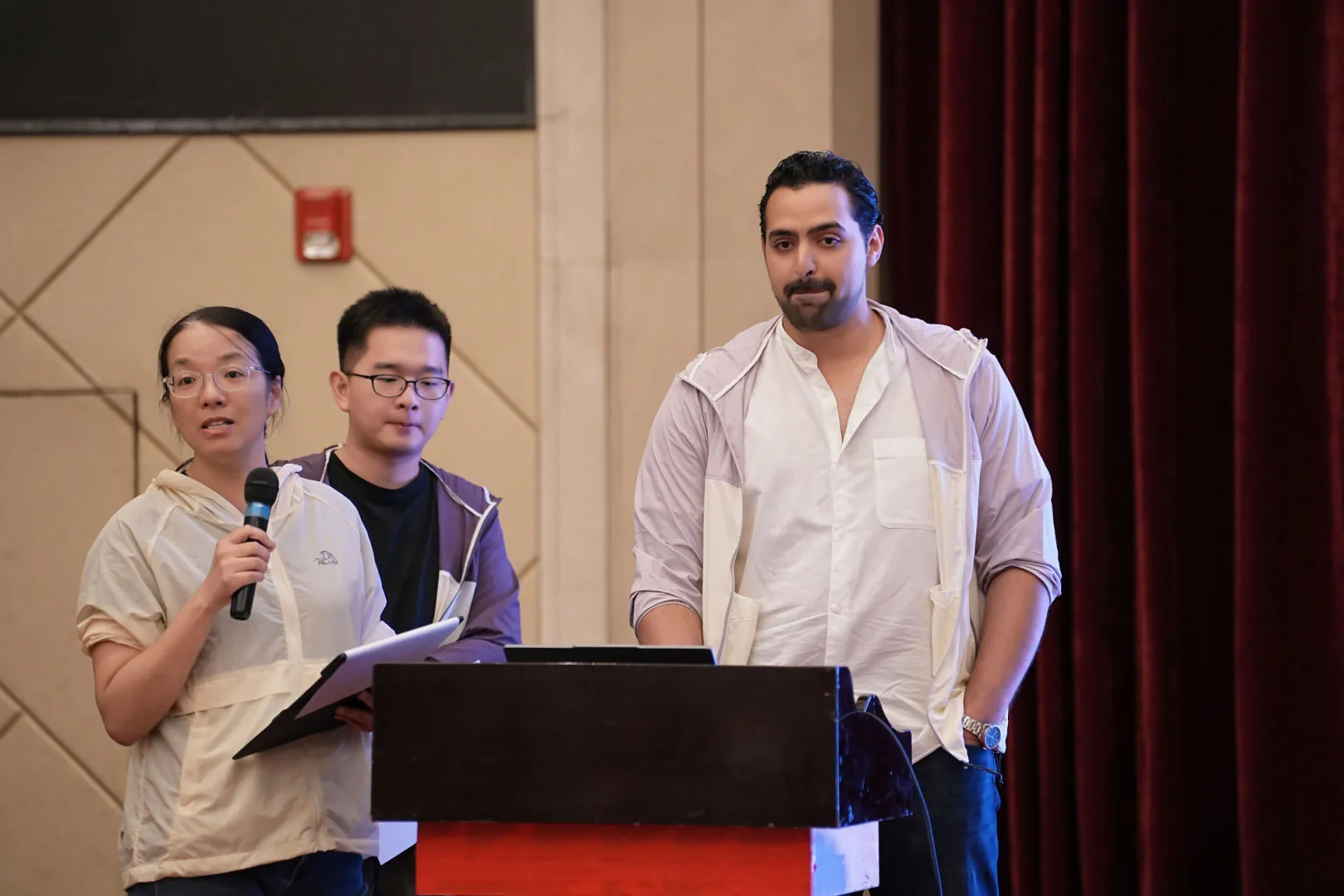
The project receiving the most employee votes was the Operations Workbench.
One part of the workbench analyses exported JIRA ticket data, automatically organising issues by category, priority and processing time, calculating performance against service-level criteria and using AI to summarise recurring issues and improvement opportunities.
Quantitative indicators are calculated using programmed rules, while AI is used for interpretation and summarisation. If required data is missing, the system identifies the gap rather than replacing it with assumptions.
A second capability focuses on system integration. By analysing Swagger or OpenAPI documentation, the workbench can generate requirement checklists, data dictionaries and interface-testing plans.
The project includes 67 inspection items and a standard template covering 78 fields. According to the project team, a preparation process that previously required around one working day can be reduced to approximately ten minutes.
More Ideas from Across WallTech
The awards represented only part of what was presented during the challenge.
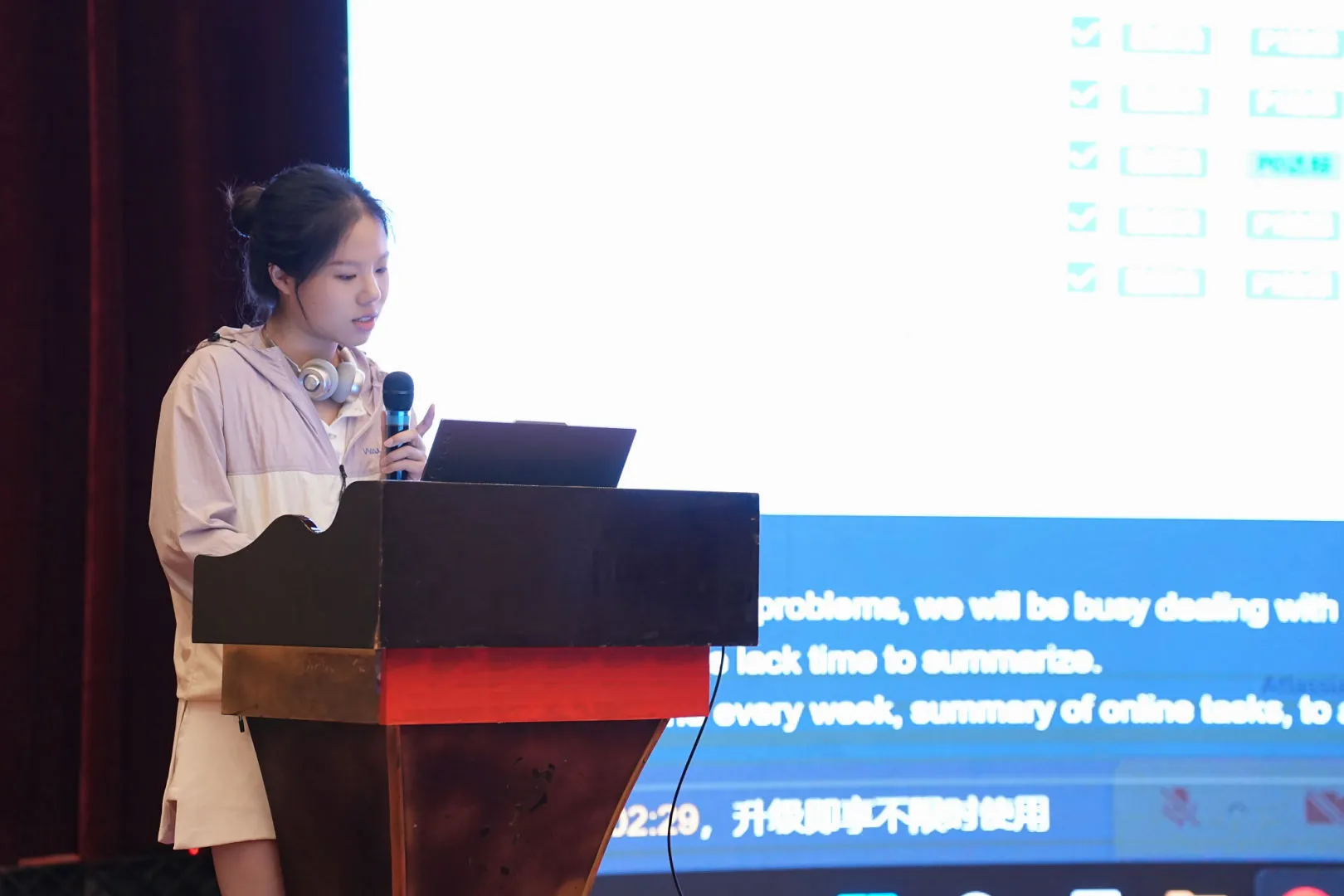
Template Copilot created an agent-based workflow for customised template delivery, covering visual structure analysis, field confirmation, data validation, data population and quality assurance. The aim is to turn work that previously depended heavily on individual experience into a process that is more traceable, verifiable and reusable.
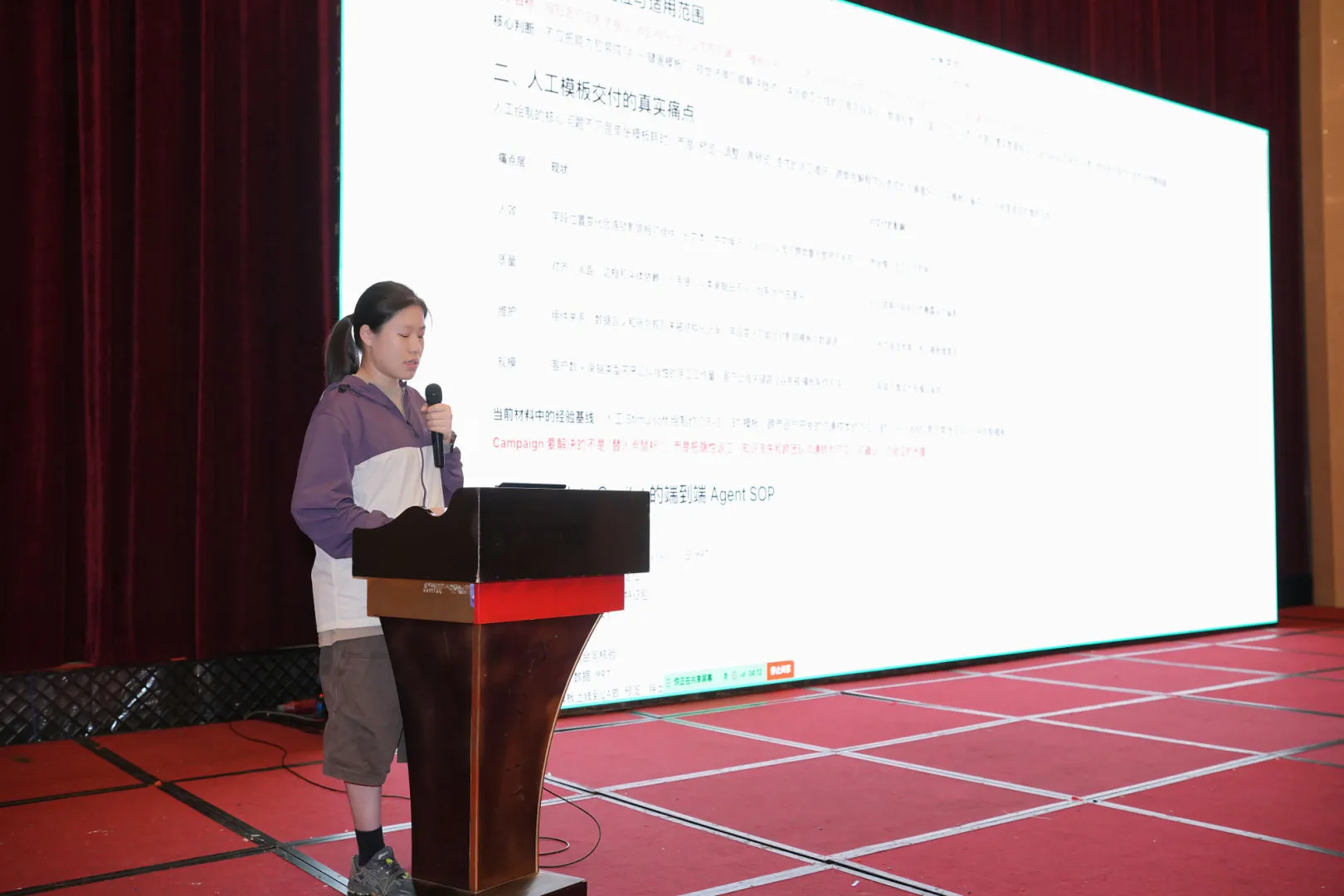
Bloom Forever brought trend monitoring, AI workflows, cross-team task management and content assets into a single cross-border marketing workbench. One of its experimental capabilities monitors brand visibility in AI search by querying major large language models and tracking brand mentions and recommendation patterns.
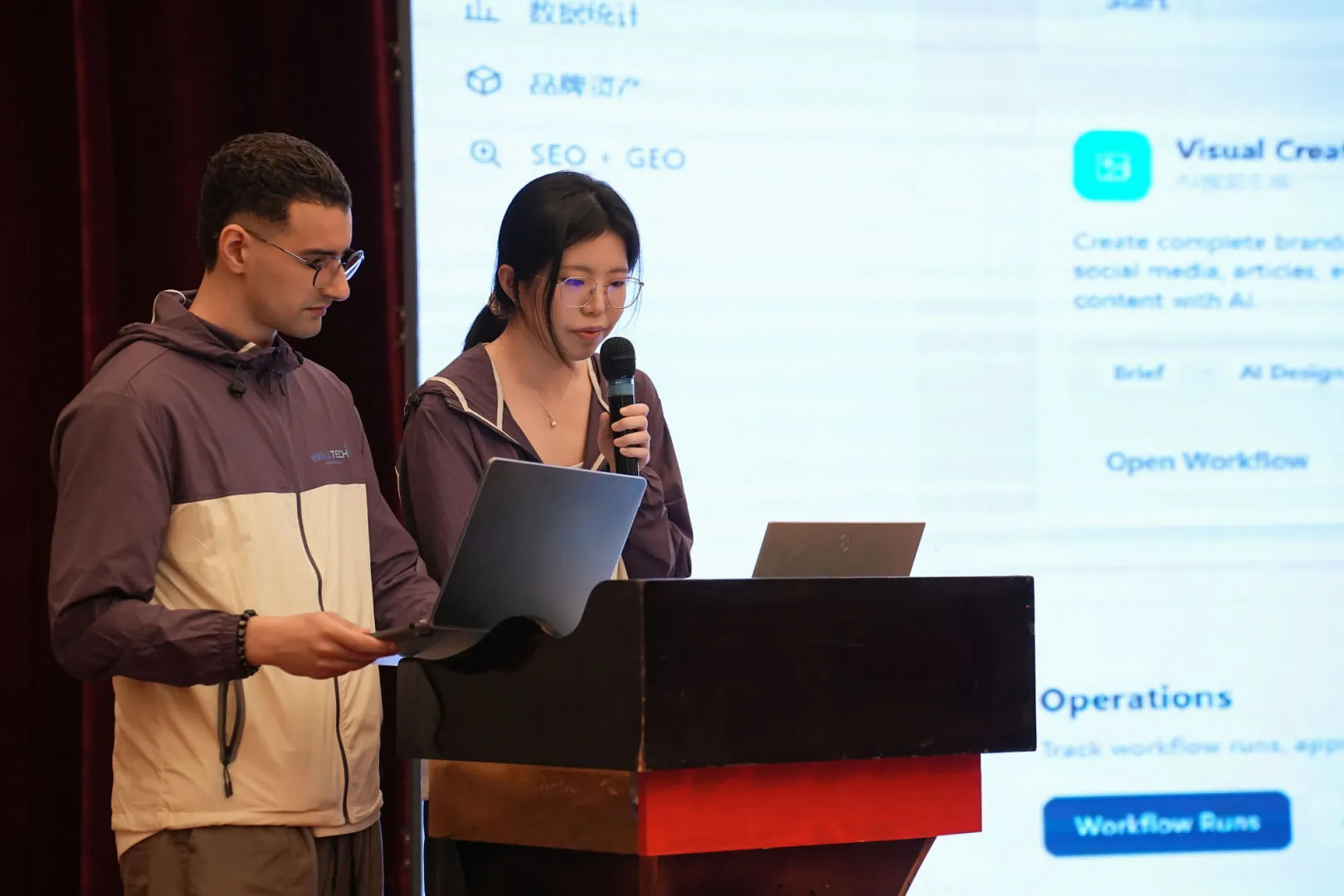
A Less-than-Container-Load Collection and Loading Planning Agent combined road-network information with constraints such as vehicle capacity, time windows, fragile cargo and stacking requirements to generate collection routes and 3D loading-plan visualisations.
The Work Ready Sales Workbench explored AI support throughout the sales process, including customer research, pain-point analysis, presentation preparation, meeting-record archiving, quotation support and identification of potential additional opportunities.
What We Took Away from the Challenge
Different teams approached very different problems, but several themes appeared repeatedly.
AI creates more value when it becomes part of a workflow rather than remaining an isolated tool.
Shared knowledge infrastructure also matters. When knowledge is structured and reusable, different departments do not need to repeatedly build the same foundation for every new AI application.
AI systems do not need to be perfect in their first version. A workflow that combines real user feedback with continuously improving knowledge can become more capable over time.
Most importantly, the value of any AI application ultimately has to be validated through actual use by employees, customers and the market.
The AI Evolution Challenge was not only about demonstrating technology. It was about exploring how work itself can be redesigned.
Day Two: From the Meeting Room to Dongshan Mountain
After a first day focused on AI and business workflows, September 19 brought a complete change of scenery.
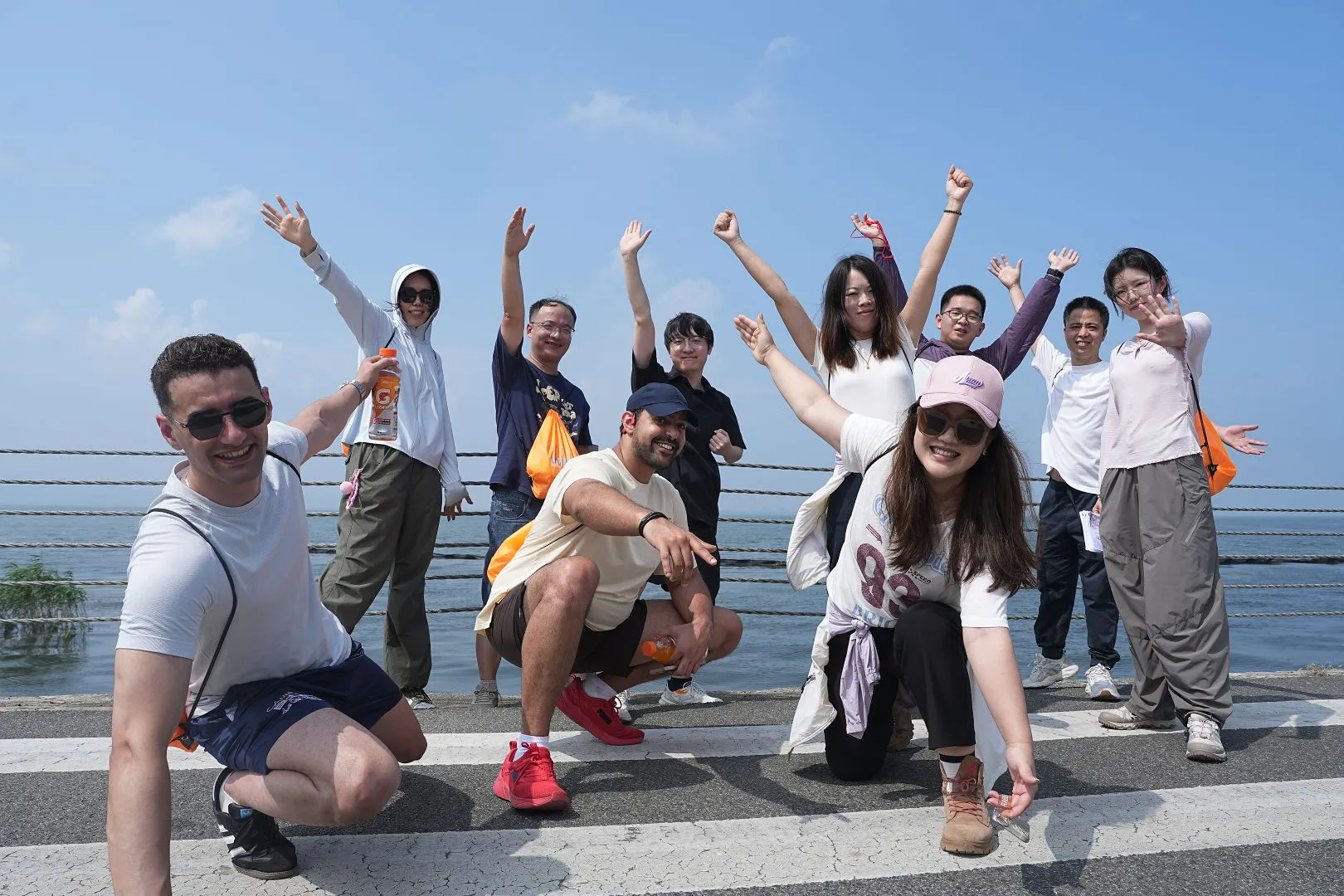
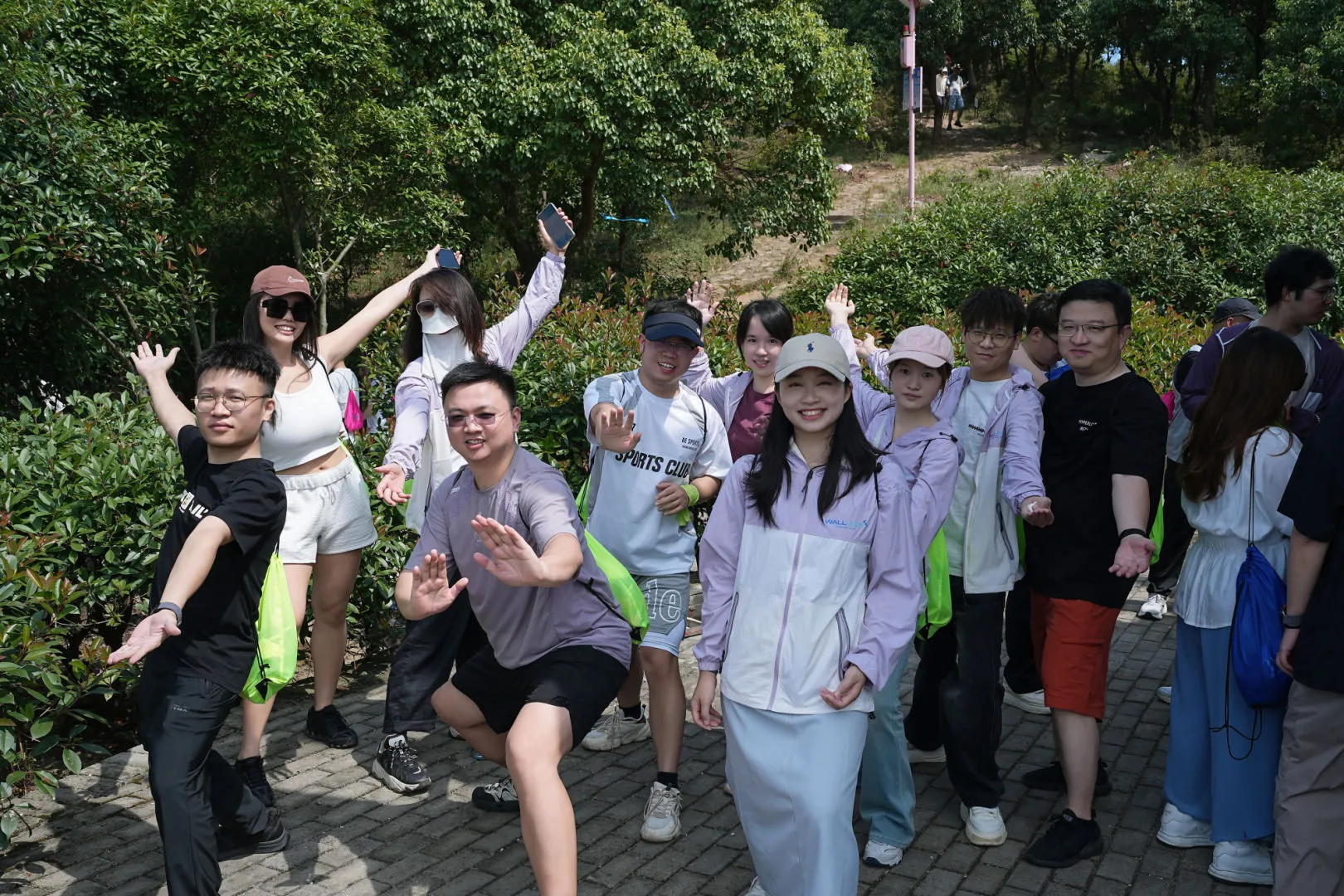
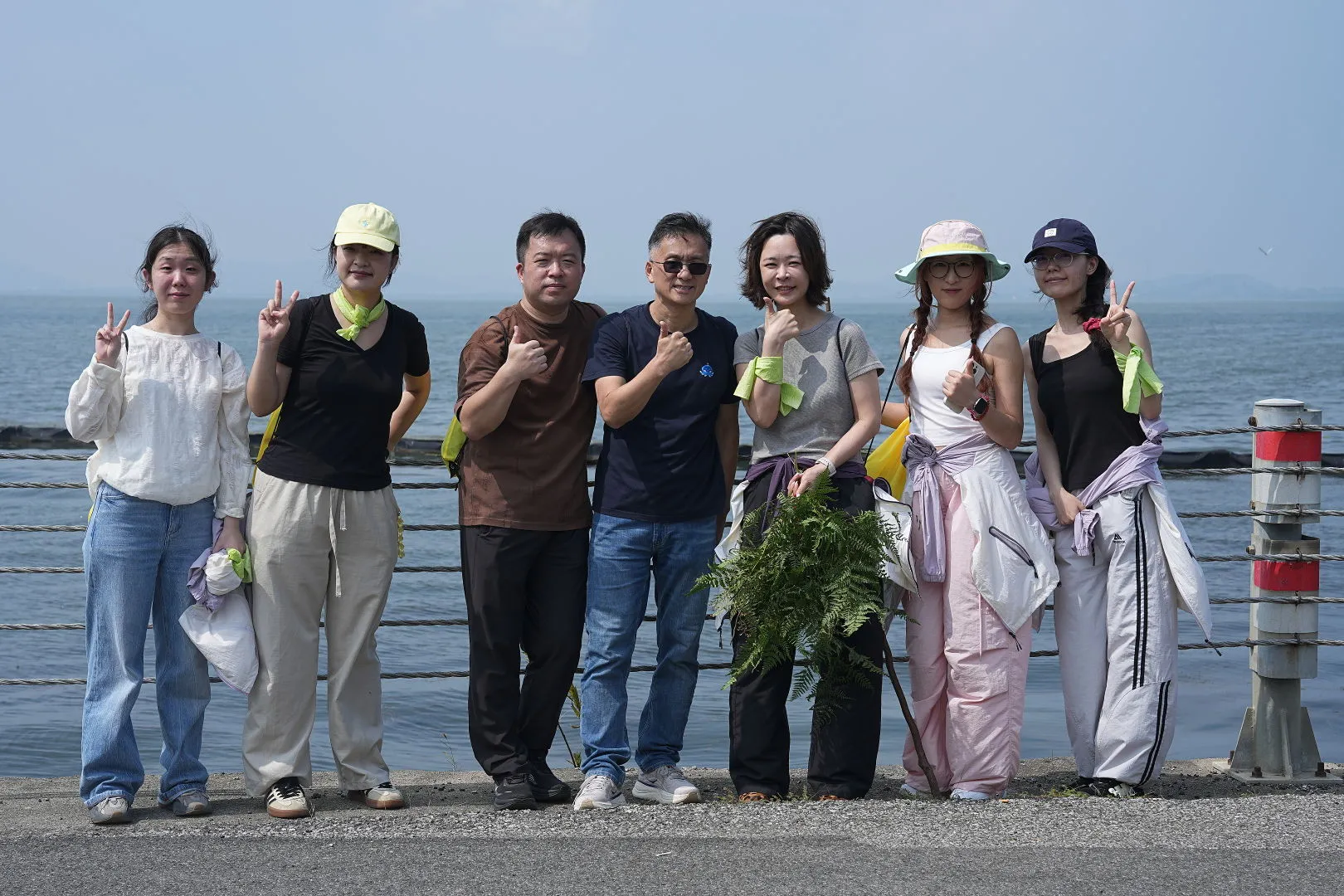
The WallTech team headed to Dongshan Mountain in Suzhou, with Moli Peak as the destination.
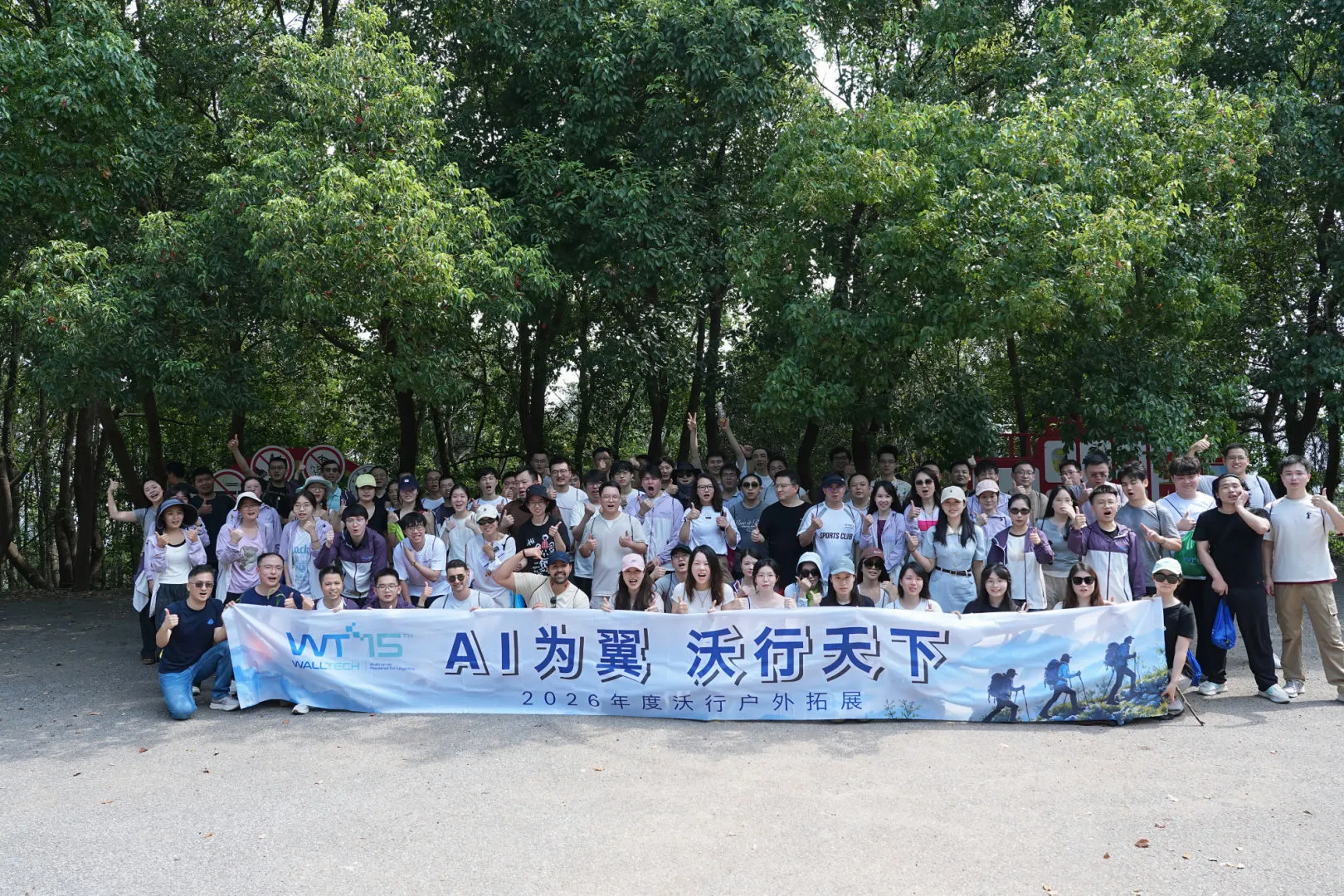
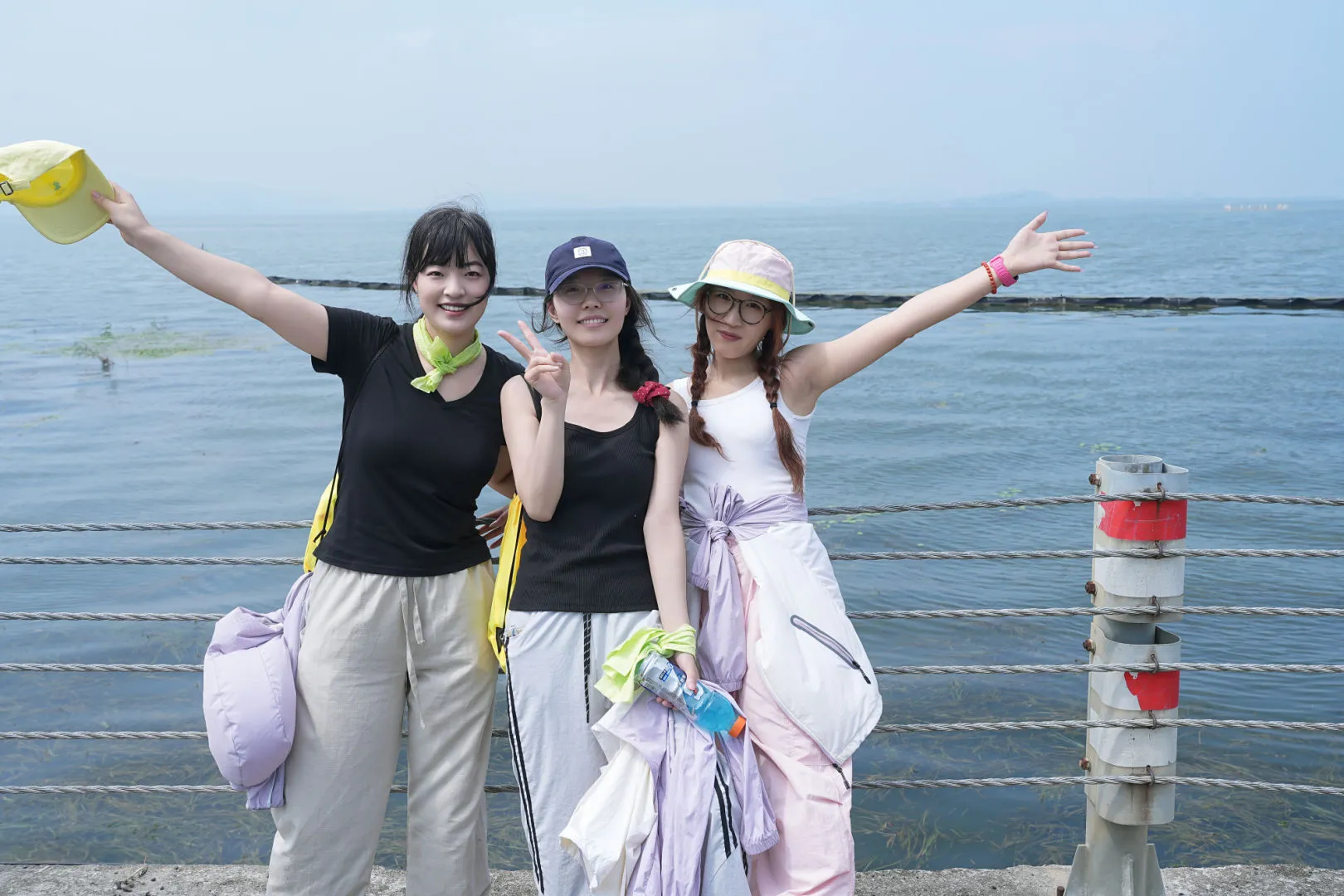
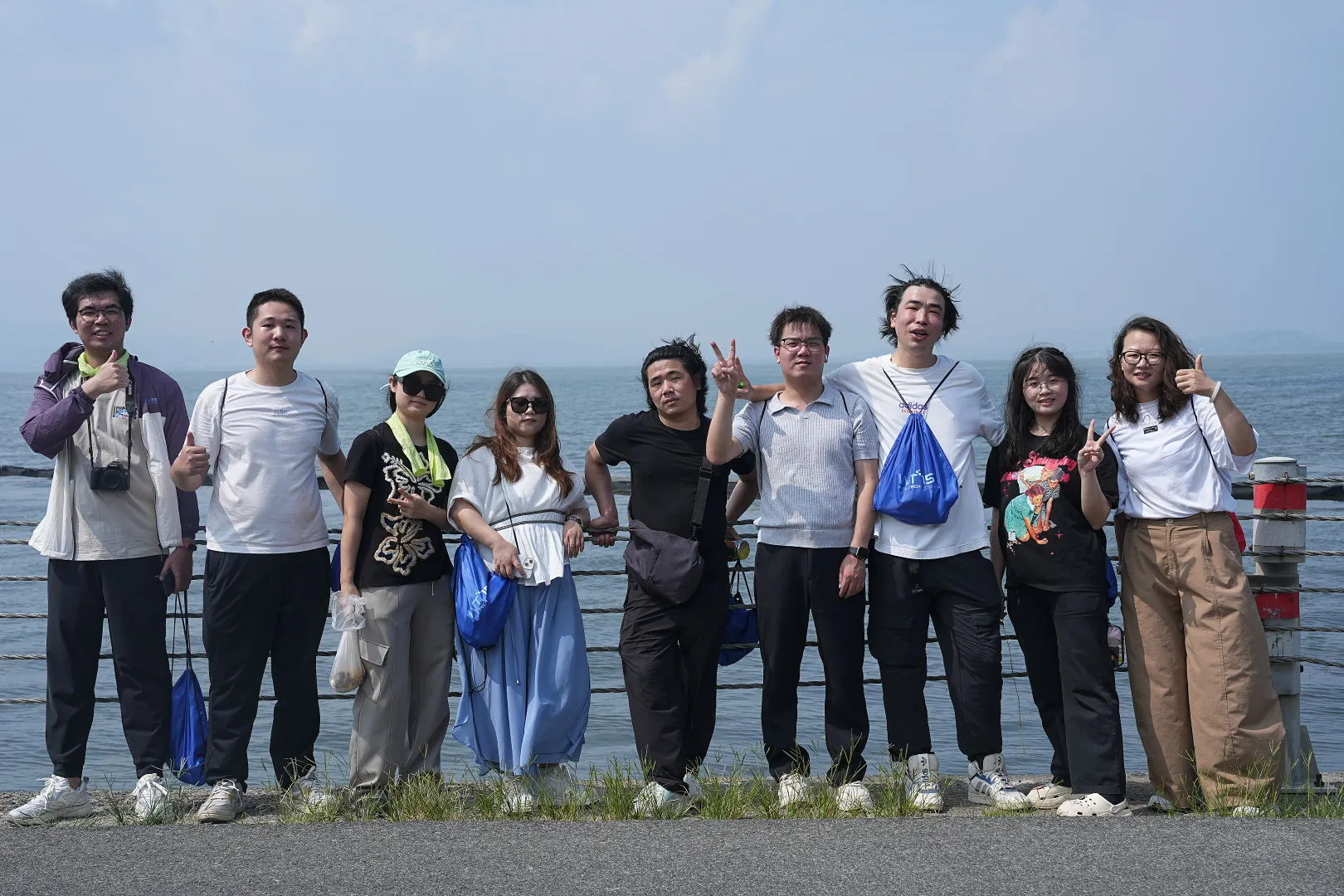
Lake Tai stretched alongside the route as the team made its way upward. Some moved quickly, while others slowed down and helped teammates along the trail.
There was no competition this time, just the shared goal of reaching the top.
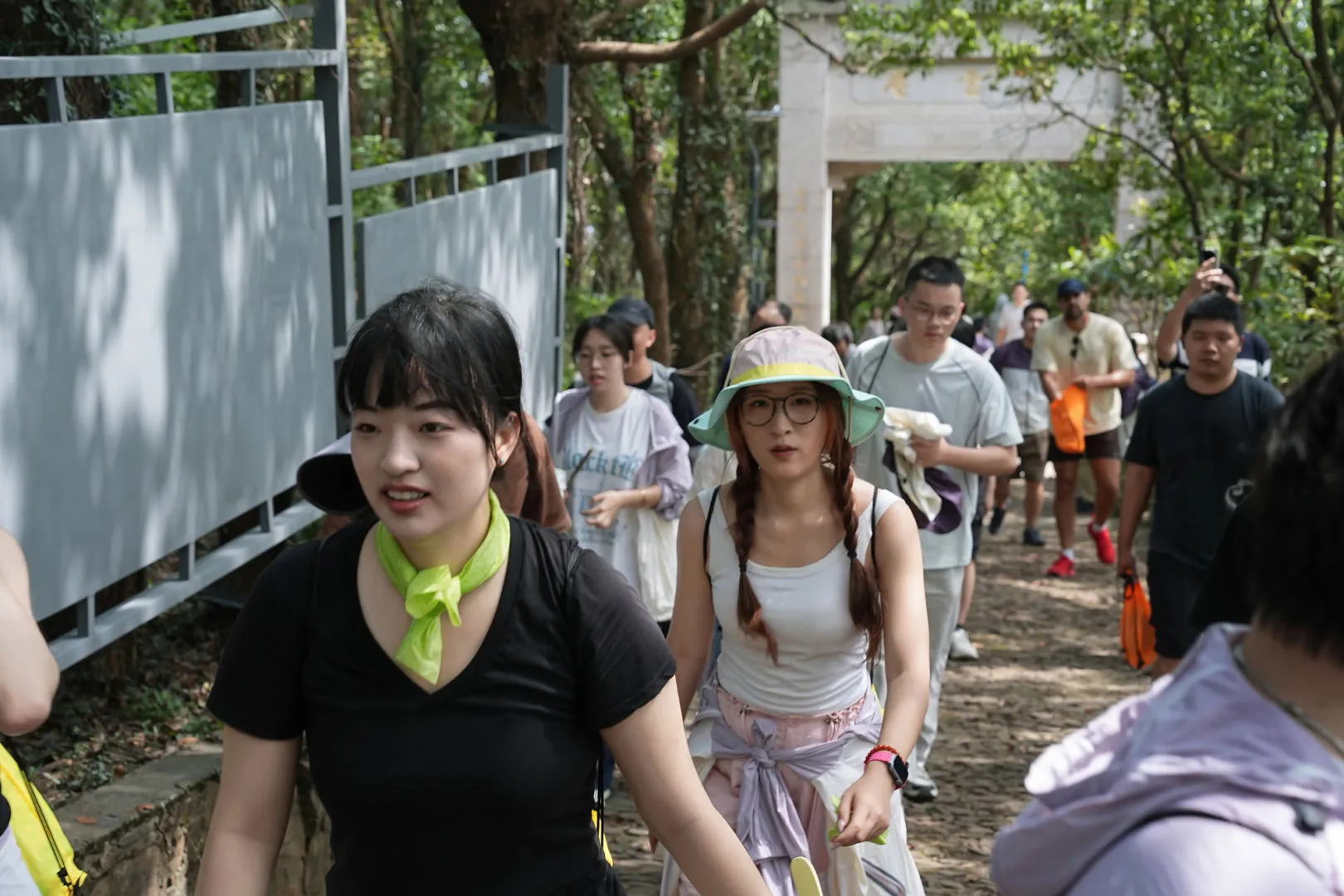
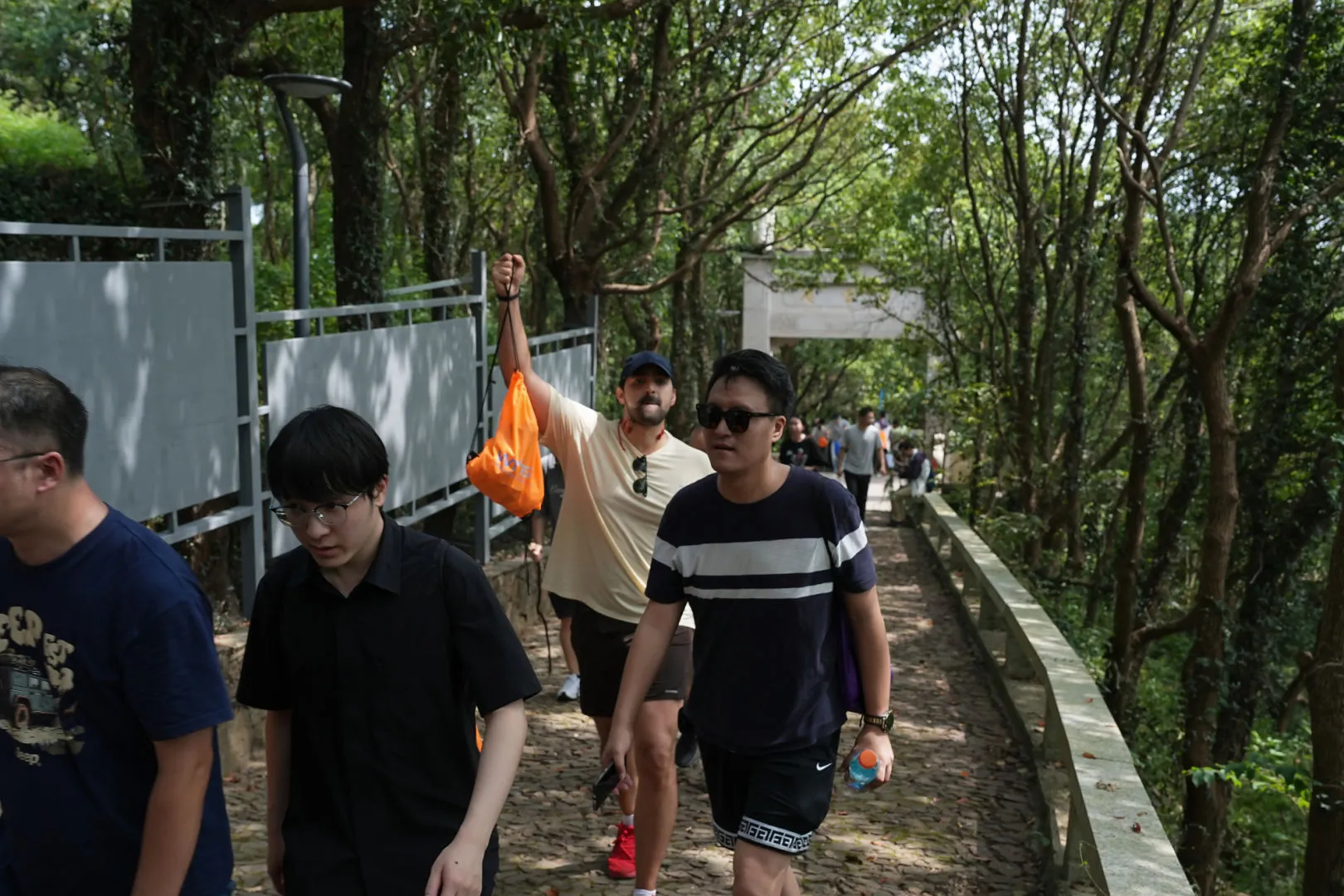
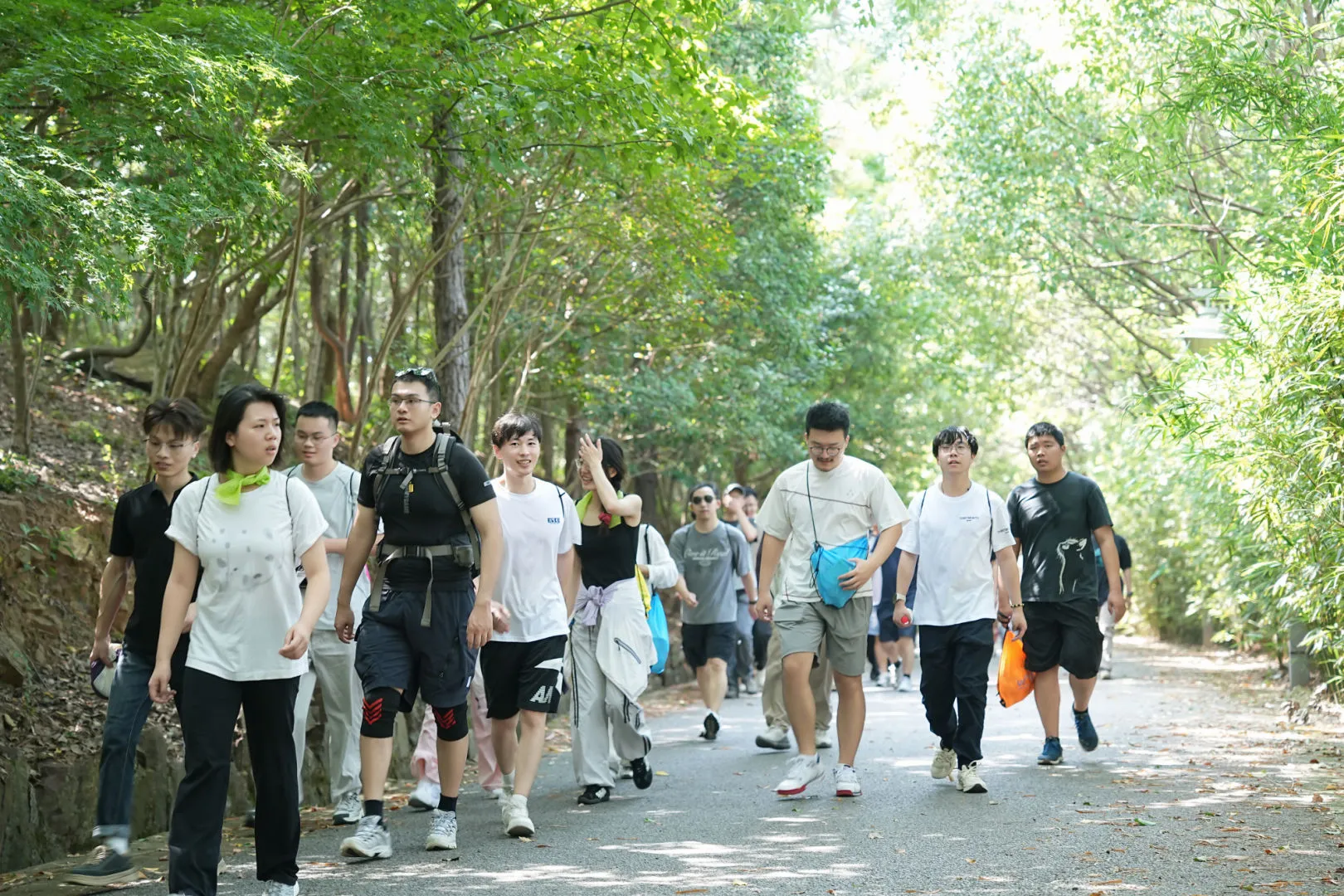
By the time the team reached the summit, the connection to the previous day felt surprisingly clear.
Looking up gives you the direction. Looking down shows you the next step.
Building products, developing technology and climbing a mountain all require a sense of direction. But direction alone is not enough.
Progress comes from the next step, and then the one after that.
.webp "_3db6_429739945_eff_preview_99584ea4-ea07-45ed-bb4f-5b2d64fe992e (1).jpg")
15 Years Forward
WallTech was founded in 2011.
Fifteen years later, technology, logistics and the way businesses operate continue to change at extraordinary speed.
The AI Evolution Challenge offered a look at what those changes could mean inside our own organisation. The Dongshan hike was a reminder that meaningful progress is rarely made in one leap.
Both were fitting ways to mark this anniversary.
We are proud of the distance already travelled, but even more interested in what comes next.
15 years forward, and still moving.
About WallTech
Founded in 2011, WallTech develops SaaS solutions for international freight forwarding and cross-border e-commerce logistics.
Its product portfolio includes CargoWare, CargoWareX and eTower, supporting logistics businesses as they digitalise complex international operations and build more connected workflows.
Interested in how WallTech technology is supporting the next generation of international logistics?
Explore our solutions or contact the WallTech team to learn more.
.webp "What Is Logistics Cost Management Software")