
Feb 11,2023
Coping with Delivery Exception Challenges
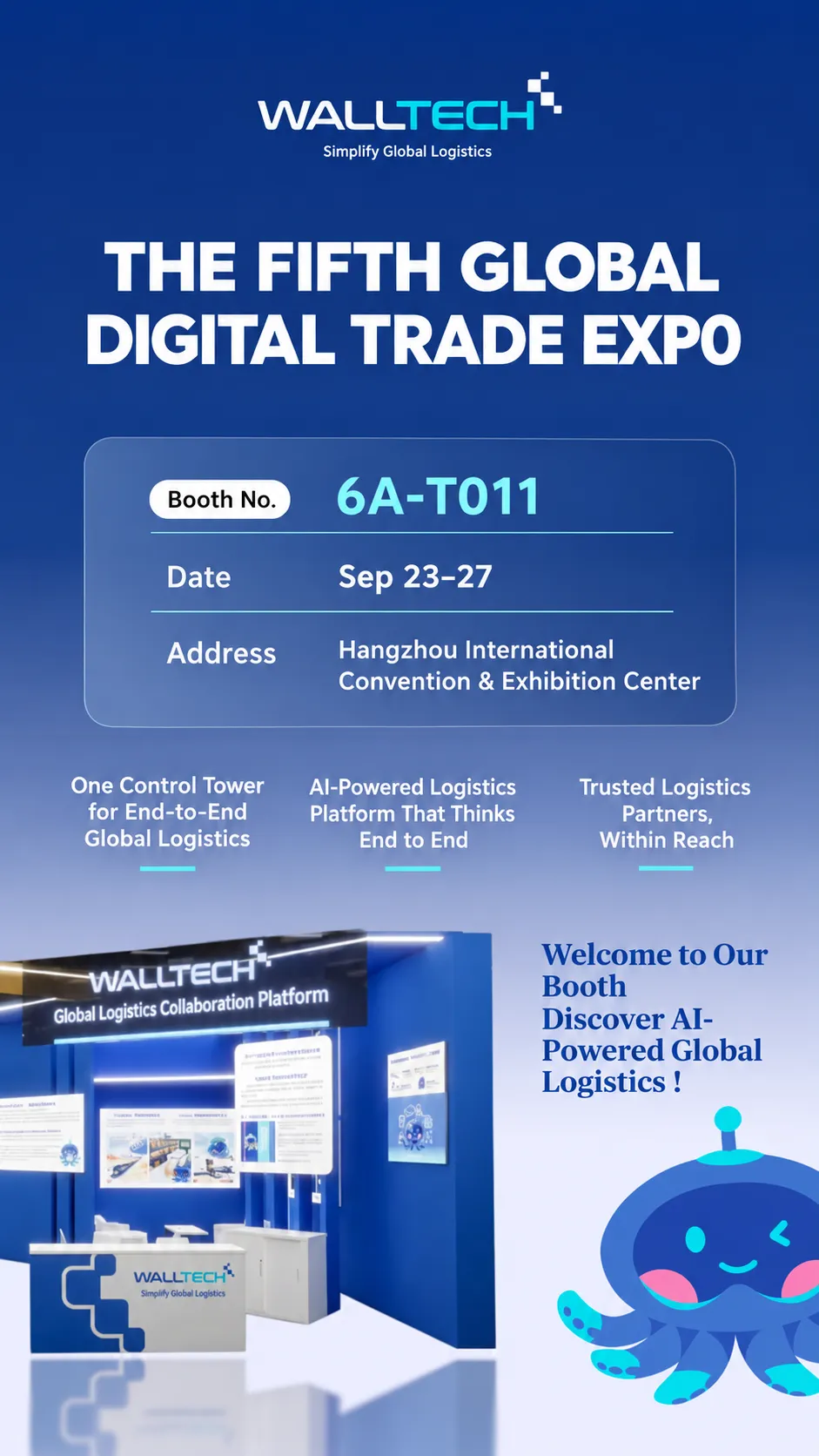
From September 23 to 27, WallTech is exhibiting at the 5th Global Digital Trade Expo in Hangzhou, bringing its latest thinking on AI-powered international logistics to the Silk Road E-Commerce exhibition area.
This year’s expo places artificial intelligence at the centre of digital trade, bringing together technologies, platforms, and practical applications from across the digital economy.
For WallTech, the focus is practical:
How can AI move beyond assisting users and begin carrying out real freight-forwarding work?
At Booth 6A-T011, WallTech is presenting its approach to AI-enabled international logistics, from industry-specific intelligence to software environments where AI can participate directly in everyday business workflows.
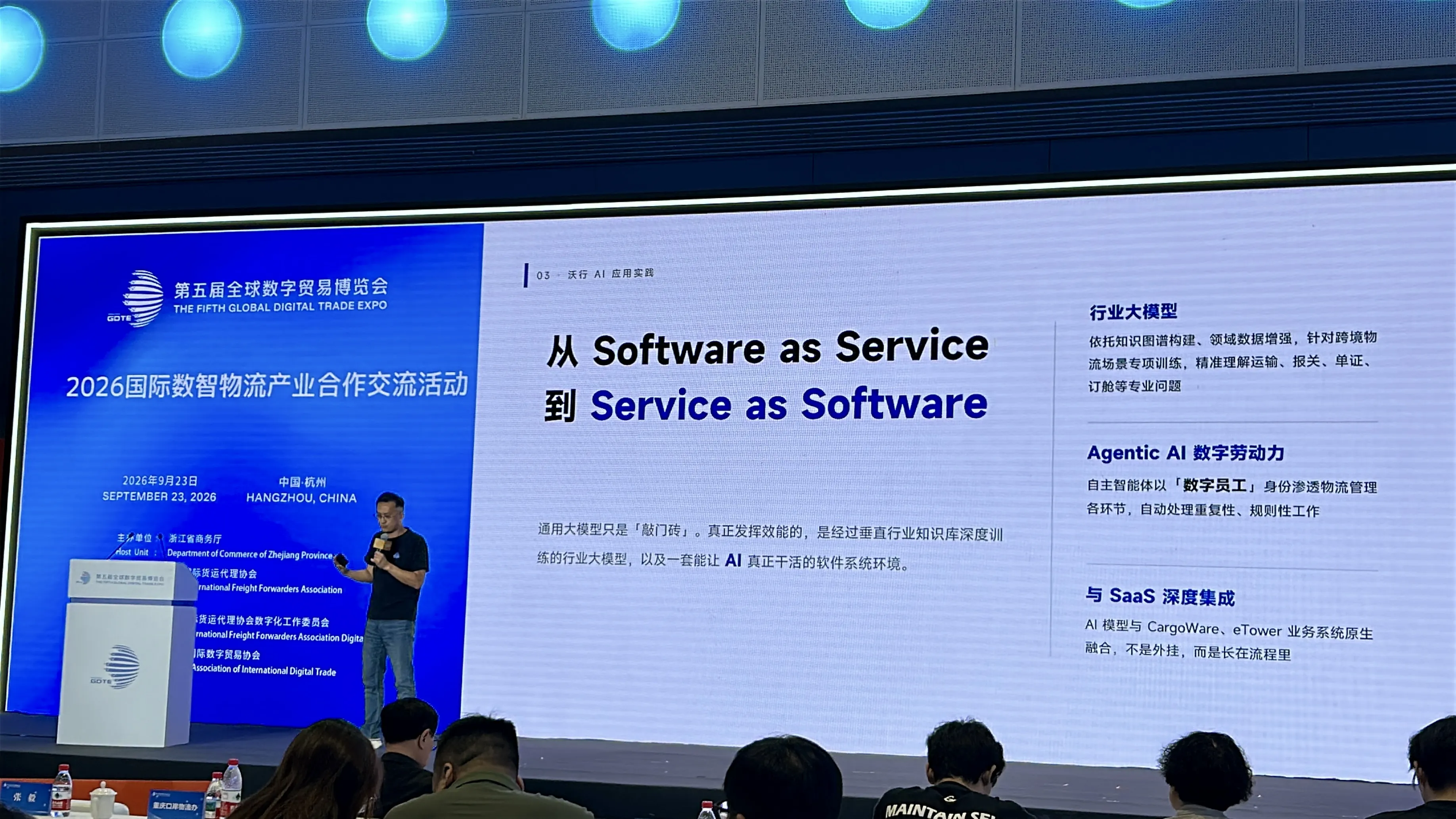
From Software as a Service to Service as Software
For years, logistics technology has largely followed a familiar model: users open a system, select a function, and perform the work themselves.
AI is beginning to change that relationship.
WallTech’s direction is moving from traditional Software as a Service (SaaS) toward what it describes as Service as Software.
The difference is not simply adding more AI buttons to an existing platform.
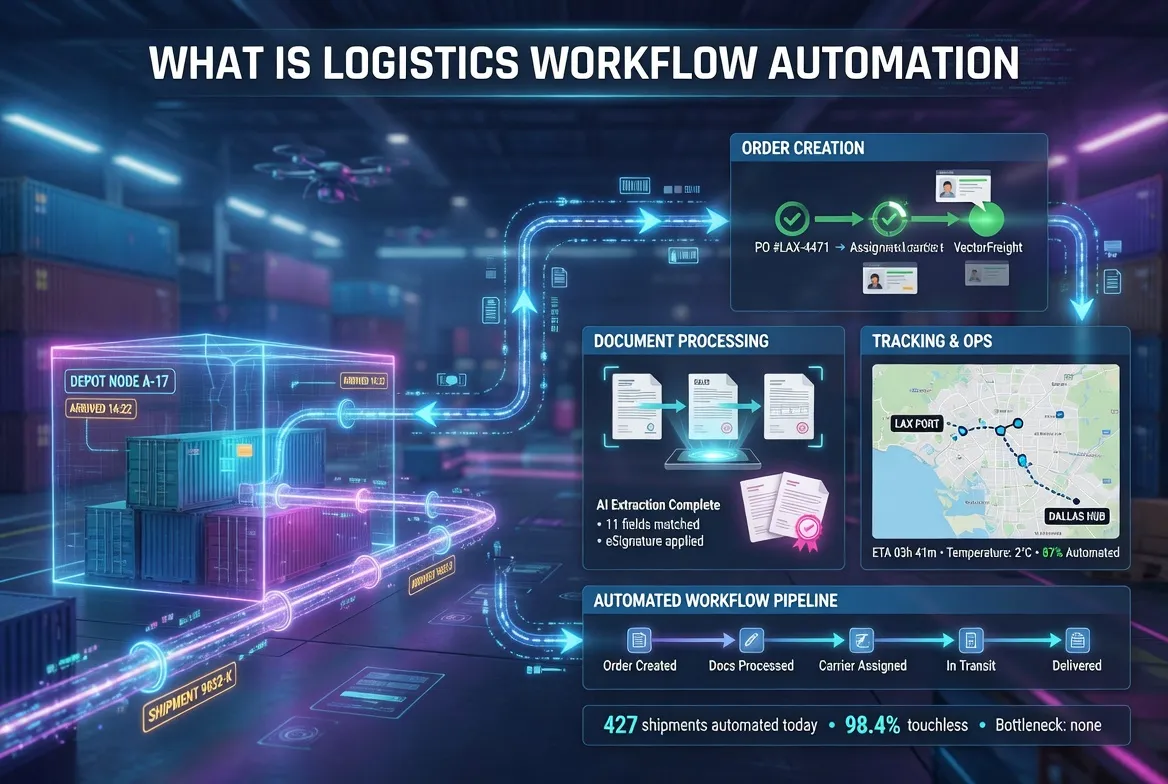
Instead, AI agents are designed to understand a business objective, use available tools, and complete defined tasks inside the workflow. An AI agent is software that can take a goal, perform a sequence of actions, and return a result with less step-by-step input from a user.
For logistics companies, that means repetitive and rule-based work can increasingly be delegated to AI, while people remain responsible for decisions, exceptions, and situations that require professional judgement.
The goal is not to build the largest general-purpose model. It is to make AI useful in the specific environments where international logistics teams work every day.
AI That Participates in the Workflow
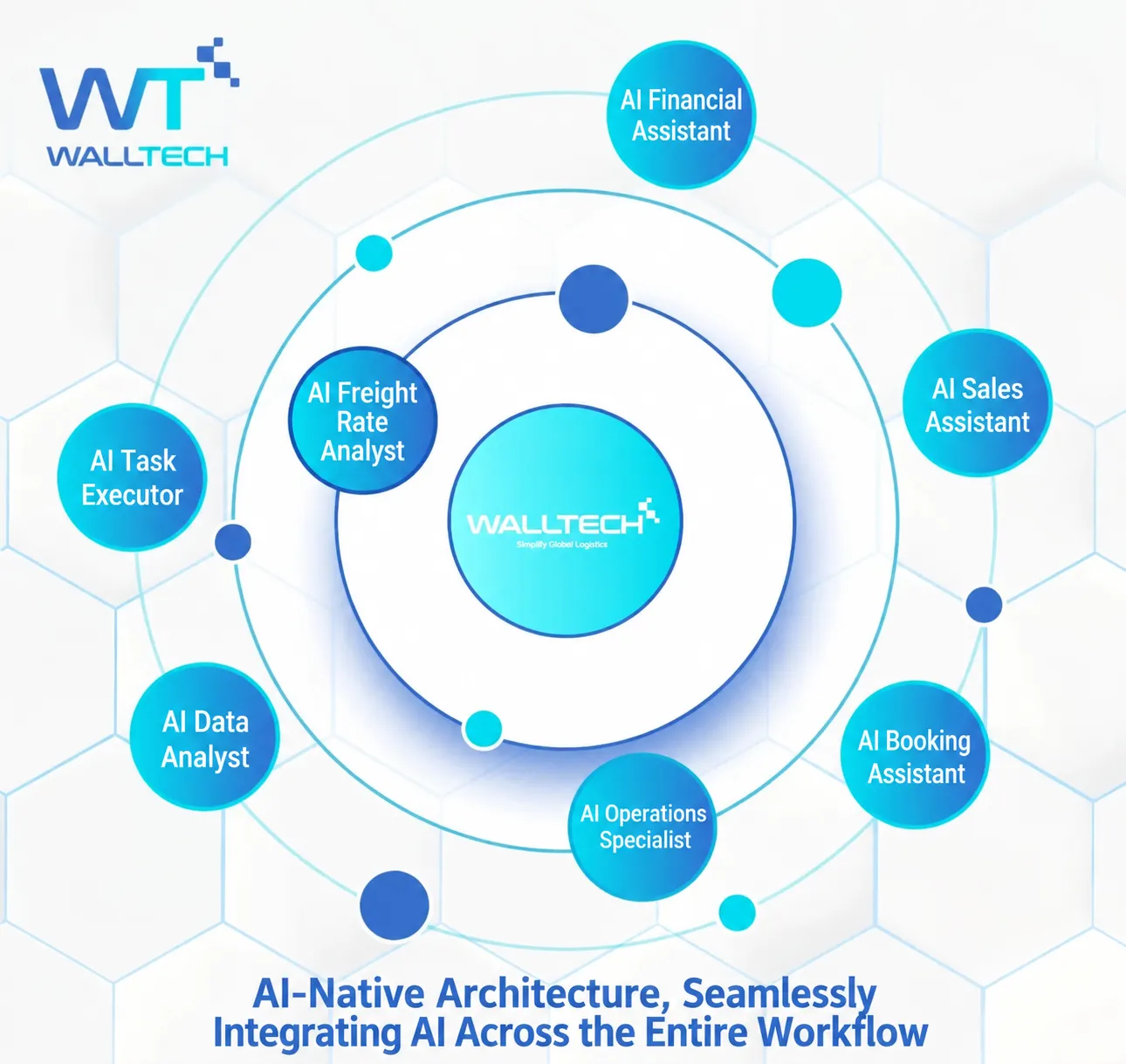
In an AI-enabled freight-forwarding environment, artificial intelligence becomes more than an assistant sitting beside the system.
It begins to operate within the process itself.
Across different business functions, AI can support tasks such as:
Finance
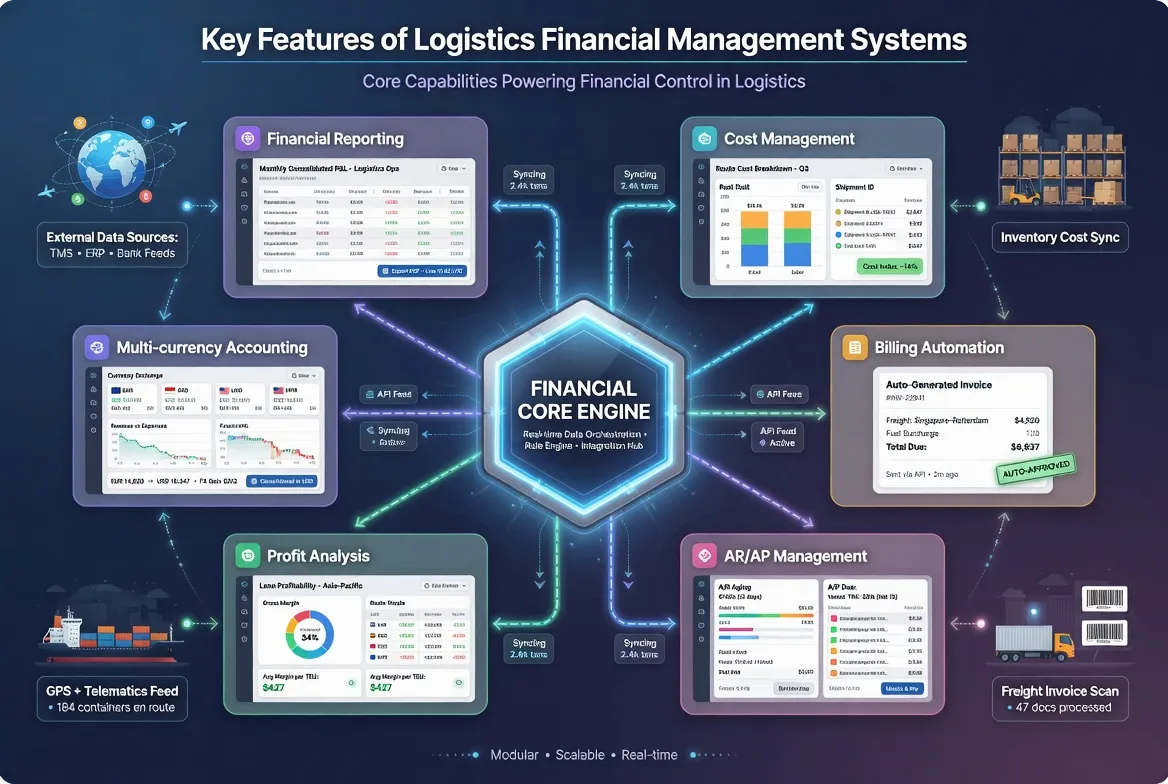
Routine work around billing, reconciliation, write-offs, reporting, and financial analysis.
Rates and Sales
Processing large volumes of freight-rate information, supporting quotation workflows, and assisting customer-facing teams.
Operations
Handling repetitive system tasks, operational updates, and workflow execution.
Data Analysis
Turning operational and financial data into usable business insights.
Task Execution
Running recurring or multi-step activities based on defined business rules.
Customisation
Supporting more flexible forms, workflows and business requirements.
Rather than requiring companies to build separate AI teams or develop every capability from scratch, the model is designed around selecting the AI capabilities needed for specific scenarios and deploying them within existing logistics processes.
AI handles more of the repetitive execution. People focus more of their attention on customers, decisions, and exceptions.
Built Around the Reality of International Logistics
International freight forwarding involves far more than a single operational workflow.
Customer enquiries, freight rates, bookings, documentation, shipment execution, visibility, finance and settlement all need to work together across multiple parties and locations.
WallTech’s AI strategy is therefore built on top of an existing freight-management environment rather than treating AI as a standalone tool.
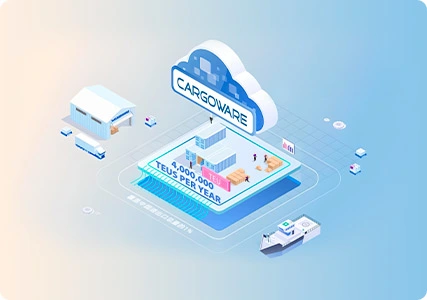
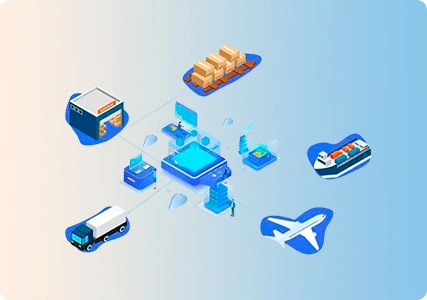
Through CargoWare, freight teams can manage workflows across ocean, air, rail and road freight, while supporting processes from customer and rate management through operations, tracking and financial settlement.
CargoWare currently supports more than 100,000 professional users, handles approximately 7.4 million TEU annually, and is used by more than 2,600 logistics companies worldwide.
The next stage is bringing AI deeper into those workflows.
Supporting Global Freight Teams
AI is only one part of the challenge.
International logistics companies also need systems that can operate across borders, branches, languages, and currencies.
CargoWare supports global freight teams through capabilities including multilingual operations, domestic-to-overseas workflow handovers, and multi-currency financial management.
This allows companies with international operations to keep business processes connected while adapting to local operating and accounting requirements.
For freight forwarders expanding overseas, the objective is not simply to deploy another software system.
It is to create a shared operating environment where teams, partners, data, and increasingly AI can work together.
International Digital Logistics Industry Cooperation Exchange
Alongside the exhibition, the 2026 International Digital Logistics Industry Cooperation Exchange Event was held on September 23 at the Silk Road E-Commerce exhibition area in Hall 6.
The programme focused on four themes:
Rules
Discussion of developments related to digital trade documents and international logistics standards.
Credit
Exploration of how digital credit infrastructure can support customer acquisition, risk management and tendering.
Intelligence
The event included the launch of the International Freight Forwarding Logistics Digital Transformation White Paper,
bringing together practical experience and recommendations around digital and intelligent transformation in freight forwarding.
Transformation
Industry participants examined different digitalisation approaches, including in-house development, outsourcing and SaaS platforms, together with practical AI applications across finance, freight rates, documentation and risk management.
The event brought together industry participants to discuss how international logistics can move from isolated digital tools toward more connected and intelligent operating models.
A Practical Path to AI in Logistics
The logistics industry does not need AI for the sake of AI.
The real value comes when the technology can reliably perform useful work.
For WallTech, this means combining logistics industry knowledge, software infrastructure, and AI capabilities so that intelligent agents can participate in real operational workflows.
From rate processing and booking to finance, sales, operations, and analytics, the direction is becoming clearer:
AI should not simply tell logistics teams what to do next. It should increasingly be able to help carry out the work.
Visitors to the Global Digital Trade Expo can explore this approach at WallTech’s booth throughout the event.
Meet WallTech in Hangzhou
Global Digital Trade Expo 2026
September 23–27, 2026
Hangzhou Grand Convention and Exhibition Center
Hall 6A · Silk Road E-Commerce
Booth 6A-T011
Interested in learning more about WallTech’s technology for international logistics?
Contact the WallTech team to explore our solutions.
Frequently Asked Questions
Where can I find WallTech at Global Digital Trade Expo 2026?
WallTech is exhibiting in Hall 6A, Silk Road E-Commerce, at Booth 6A-T011 from September 23 to 27, 2026, at Hangzhou Grand Convention and Exhibition Center.
What is WallTech presenting at the expo?
WallTech is presenting its approach to AI-enabled international logistics, including how AI agents can participate in freight-forwarding workflows across areas such as rates, sales, operations, finance, analytics, and task execution.
What does Service as Software mean?
Service as Software describes an approach where software does more than provide tools for users to operate manually. AI agents can take on defined tasks, use available systems and workflows, and deliver results with less step-by-step human input.
How is AI used in freight forwarding?
AI can support repetitive and data-intensive freight-forwarding work, including rate processing, booking, financial workflows, operational tasks, sales support, data analysis, and recurring task execution.
.webp "How Modern Platforms Enable Operational Collaboration")