May 07,2026
Freight Tracking Systems for Tracking Shipment Milestones
Introduction
Node-level visibility improves shipment control by providing detailed, real-time insights into each stage of a shipment’s journey across different operational points, such as warehouses, ports, and customs checkpoints. Instead of viewing shipments as a single continuous flow, node-level visibility allows logistics companies to monitor, manage, and optimize performance at each individual step. This level of granularity enables better decision-making, faster issue resolution, and stronger operational control across complex global logistics networks.
What is Node-Level Visibility
Node-level visibility refers to the ability to track and monitor shipment activities at each specific operational node within the supply chain.
A “node” represents a distinct point where a shipment is processed or transferred, such as:
Origin warehouse or factory
Inland transport hubs
Ports or airports
Customs clearance checkpoints
Destination warehouses
Last-mile delivery centers
Node-level visibility provides detailed information about what is happening at each of these points, including arrival, processing, delays, and departures.
Unlike traditional tracking, which often focuses on overall shipment status, node-level visibility breaks down the shipment journey into actionable segments.
Why Node-Level Visibility Matters
1. Identifies bottlenecks and delays
Without node-level insight, it is difficult to pinpoint where delays occur.
Node-level visibility enables logistics teams to:
Detect delays at specific nodes
Analyze root causes (e.g., customs hold, port congestion)
Take targeted corrective actions
2. Enhances operational control
By monitoring each node, companies gain better control over shipment execution.
This includes:
Tracking progress at each stage
Managing handoffs between partners
Ensuring process compliance
3. Improves coordination across stakeholders
Different stakeholders are responsible for different nodes.
Node-level visibility ensures that:
Each party understands its responsibilities
Information is shared consistently
Transitions between nodes are smooth
4. Supports proactive decision-making
Real-time data at each node allows logistics teams to:
Adjust routes or schedules
Reallocate resources
Inform customers of potential delays
5. Increases transparency for customers
Customers benefit from more detailed tracking information, improving trust and satisfaction.
How Node-Level Visibility Works
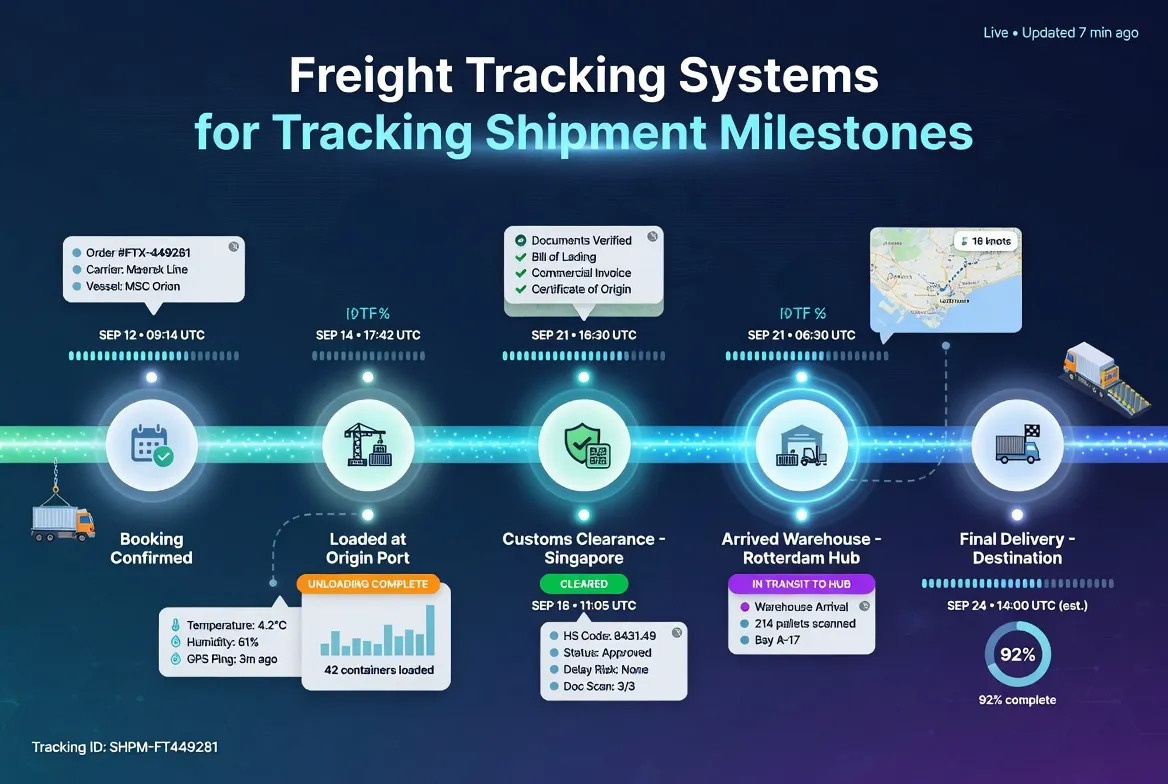
1. Defining nodes within the shipment lifecycle
Logistics platforms map out all relevant nodes for each shipment.
For example:
Pickup location
Export warehouse
Port of loading
Transshipment hub
Port of discharge
Final delivery
Each node is clearly defined within the system.
2. Associating milestones with each node
Each node includes specific milestones, such as:
Arrival at node
Processing completed
Departure from node
These milestones provide detailed tracking at each stage.
3. Collecting data from multiple sources
Node-level data is gathered from:
Carrier systems
Warehouse management systems
Customs platforms
Manual inputs
Integration ensures comprehensive visibility.
4. Creating a unified timeline
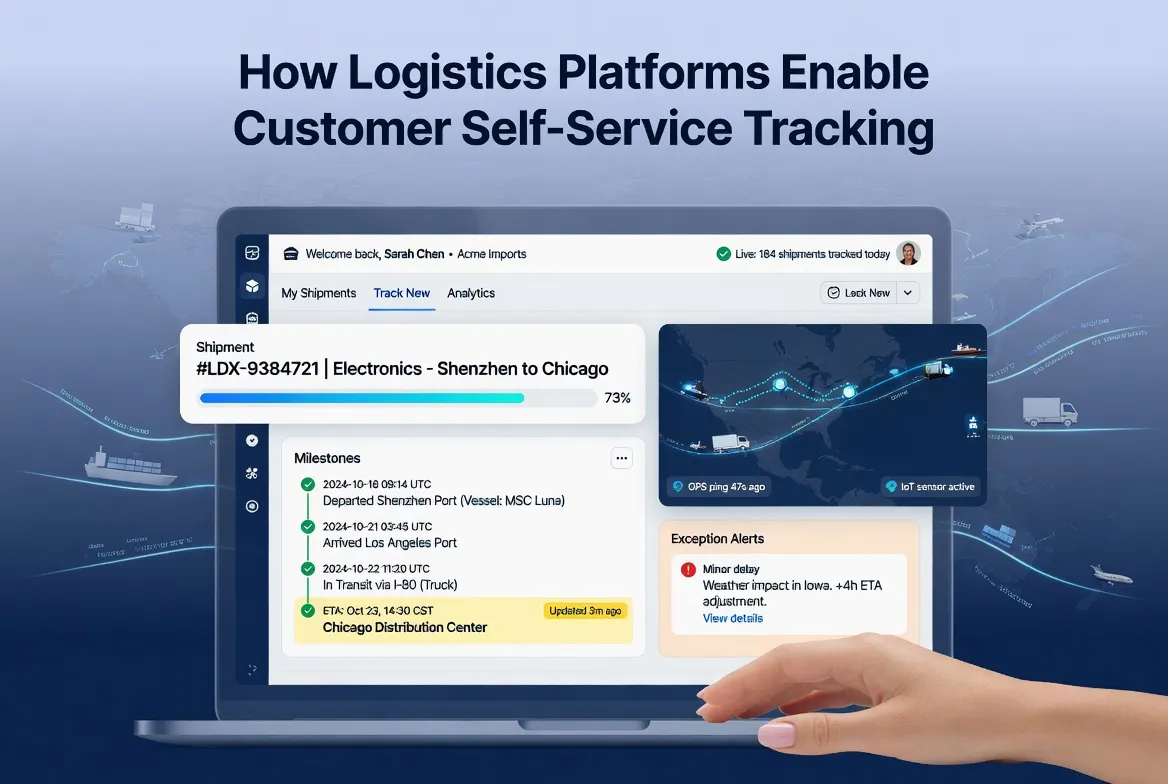
All node-level events are consolidated into a single timeline.
This allows users to:
Track shipments end-to-end
Drill down into specific nodes
Analyze performance across the journey
5. Enabling real-time updates and alerts
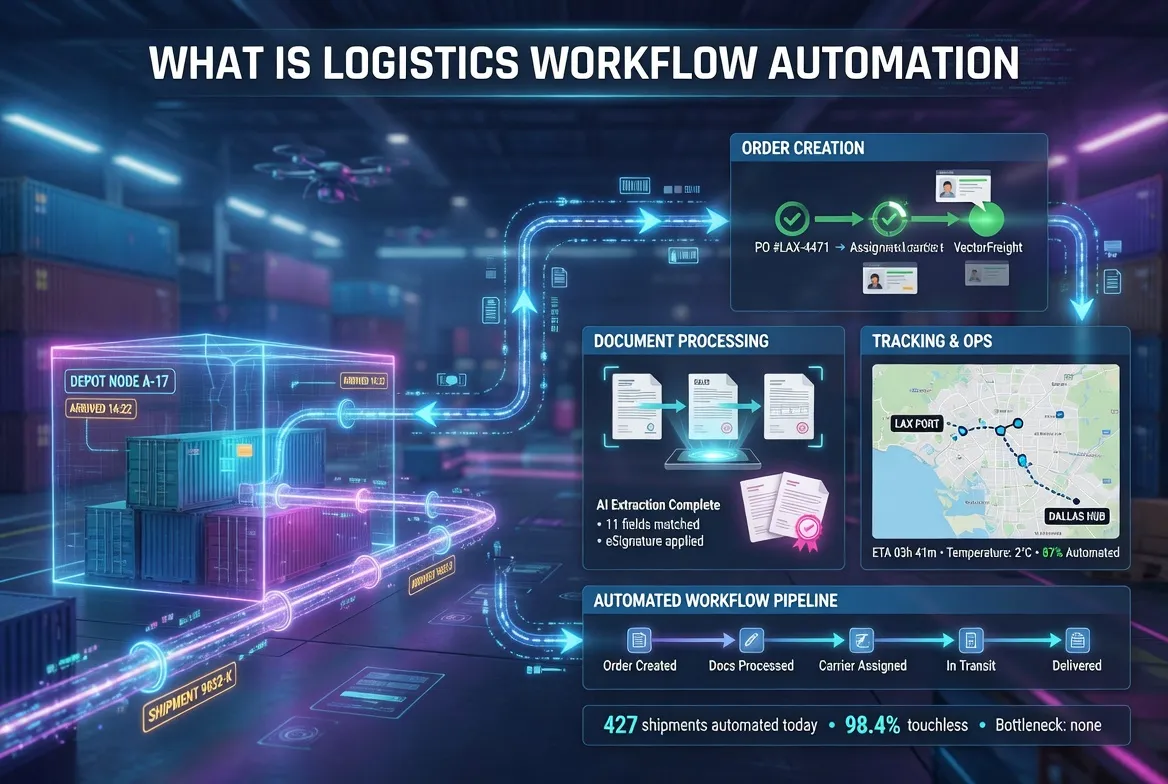
Automation ensures that:
Node events are updated in real time
Alerts are triggered for delays or issues
Relevant stakeholders are notified
6. Supporting collaboration across roles
Different users interact with node-level data based on their roles:
Operations teams manage execution
Partners update node-specific events
Customers view shipment progress
Key Features of Node-Level Visibility
Detailed tracking at each node
Visibility into arrival, processing, and departure
Granular insight into shipment progress
End-to-end shipment timeline
Unified view combining all node-level events
Seamless tracking across transport modes
Multi-role collaboration
Shared access for internal teams and external partners
Role-based permissions for data control
Workflow automation
Automated updates based on node events
Task assignment for operational steps
Exception management
Detection of delays at specific nodes
Alerts and workflows for issue resolution
Integration capabilities
API/EDI connections with carriers, warehouses, and customs systems
Real-time data synchronization
Data analytics and reporting
Performance analysis by node
Identification of recurring bottlenecks
Benefits for Logistics Companies
Improved shipment control
Node-level visibility provides detailed oversight of each shipment stage.
Faster issue resolution
Teams can quickly identify and address problems at specific nodes.
Enhanced operational efficiency
Better coordination reduces delays and improves process flow.
Increased transparency
Both internal teams and customers gain clearer insights into shipment progress.
Better performance optimization
Data analysis helps identify inefficiencies and improve operations.
Best Practices and Use Cases
Standardize node definitions
Ensure consistent identification of nodes across all shipments.
Integrate with key systems
Connect carrier, warehouse, and customs systems for accurate data collection.
Use automation to manage updates
Reduce manual input by automating milestone and node updates.
Enable cross-functional access
Provide relevant visibility to all stakeholders involved in shipment management.
Leverage analytics for continuous improvement
Analyze node-level data to optimize processes and reduce bottlenecks.
Conclusion
Node-level visibility is a critical capability for improving shipment control in modern logistics operations. By providing detailed insights into each stage of the shipment journey, it enables logistics companies to identify issues, enhance coordination, and optimize performance across complex global networks.
As supply chains continue to grow in complexity, node-level visibility will play an increasingly important role in enabling efficient, transparent, and data-driven logistics management.
Frequently Asked Questions
What is node-level visibility in logistics?
Node-level visibility refers to tracking shipment activities at each operational point, such as warehouses, ports, and customs checkpoints.
How does node-level visibility improve shipment control?
It provides detailed insights into each stage, allowing teams to identify delays, manage operations, and make better decisions.
Why is node-level tracking important?
It helps detect bottlenecks, improve coordination, and enhance overall shipment transparency.
What systems support node-level visibility?
Logistics platforms integrate data from carriers, warehouses, customs systems, and internal operations.
How does node-level visibility benefit customers?
It provides more detailed and accurate tracking information, improving transparency and trust.
About WallTech
WallTech provides digital logistics solutions that enable node-level visibility across complex global supply chains. Its platforms support end-to-end collaboration between internal teams and external partners, ensuring seamless coordination at every stage of a shipment. With real-time shipment visibility, milestone-based tracking, and unified timelines, WallTech helps logistics companies maintain detailed control over operations. The system also includes workflow automation and financial automation capabilities, such as billing and reconciliation, to improve efficiency, accuracy, and scalability.
If you're exploring ways to improve your logistics operations, feel free to connect with us to learn more about our solutions and system capabilities.
.webp "How Logistics Platforms Deliver Shipment Task Automation")