May 08,2026
Logistics Operations Platforms for Freight Execution Management
Introduction
Real-time visibility improves logistics decision-making by providing immediate access to accurate shipment data across all stages of the supply chain. It works by aggregating tracking updates, operational events, and system data into a unified, continuously updated view, enabling logistics teams to make faster, more informed decisions. In complex global logistics operations, where delays and disruptions are common, real-time visibility is essential for proactive management and operational control.
What is Real-Time Visibility in Logistics
Real-time visibility in logistics refers to the ability to monitor shipments, operations, and logistics activities as they happen.
It includes:
Live tracking of shipment status across all transport stages
Continuous updates from carriers, warehouses, and partners
Real-time access to operational data and milestones
Immediate visibility into exceptions and delays
Unlike traditional tracking, which often relies on delayed or manual updates, real-time visibility ensures that logistics teams are always working with the most current information available.
This capability is especially important in global logistics environments involving multiple stakeholders, systems, and transport modes.
Why Real-Time Visibility Matters
Without real-time visibility, logistics companies often face:
Delayed information flow leading to slow decision-making
Reactive operations instead of proactive management
High uncertainty in shipment status
Increased customer inquiries due to lack of transparency
These challenges result in:
Inefficient resource allocation
Missed delivery commitments
Higher operational costs
Reduced customer satisfaction
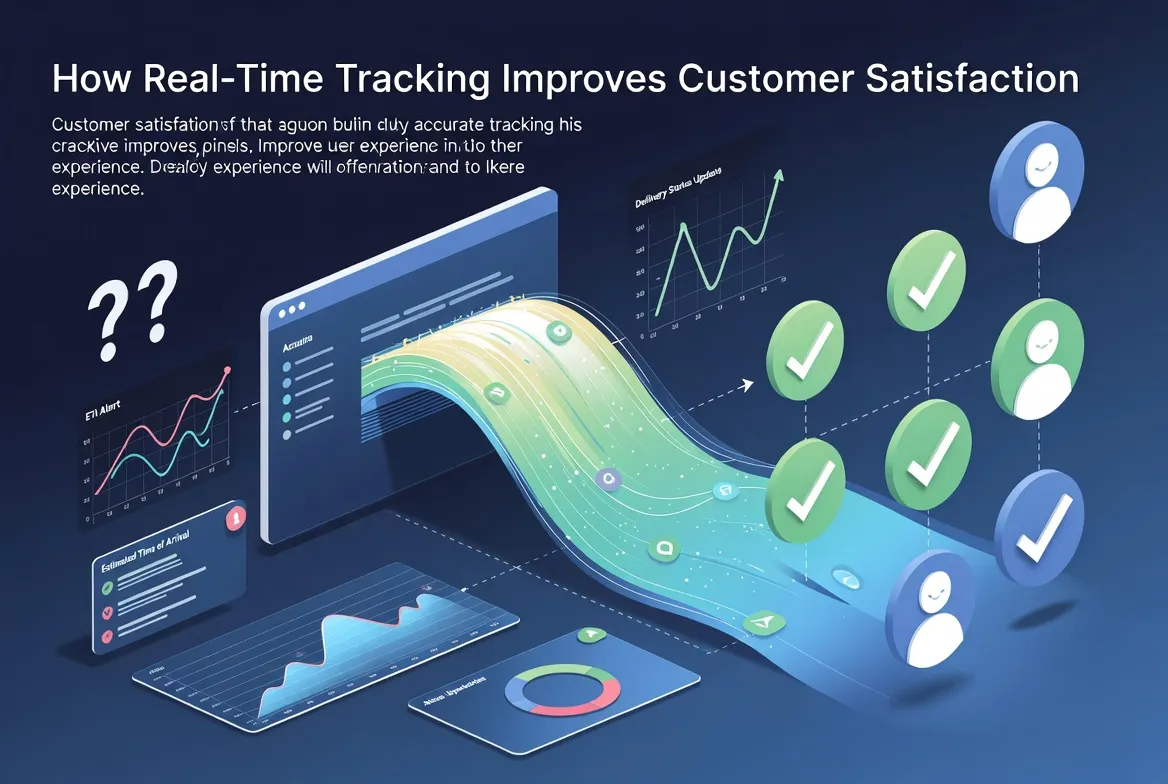
Real-time visibility addresses these issues by:
Enabling immediate access to shipment data
Allowing teams to respond quickly to disruptions
Supporting proactive exception management
Improving coordination across departments and partners
In fast-paced logistics environments, timely information is critical to maintaining operational efficiency and service reliability.
How Real-Time Visibility Works
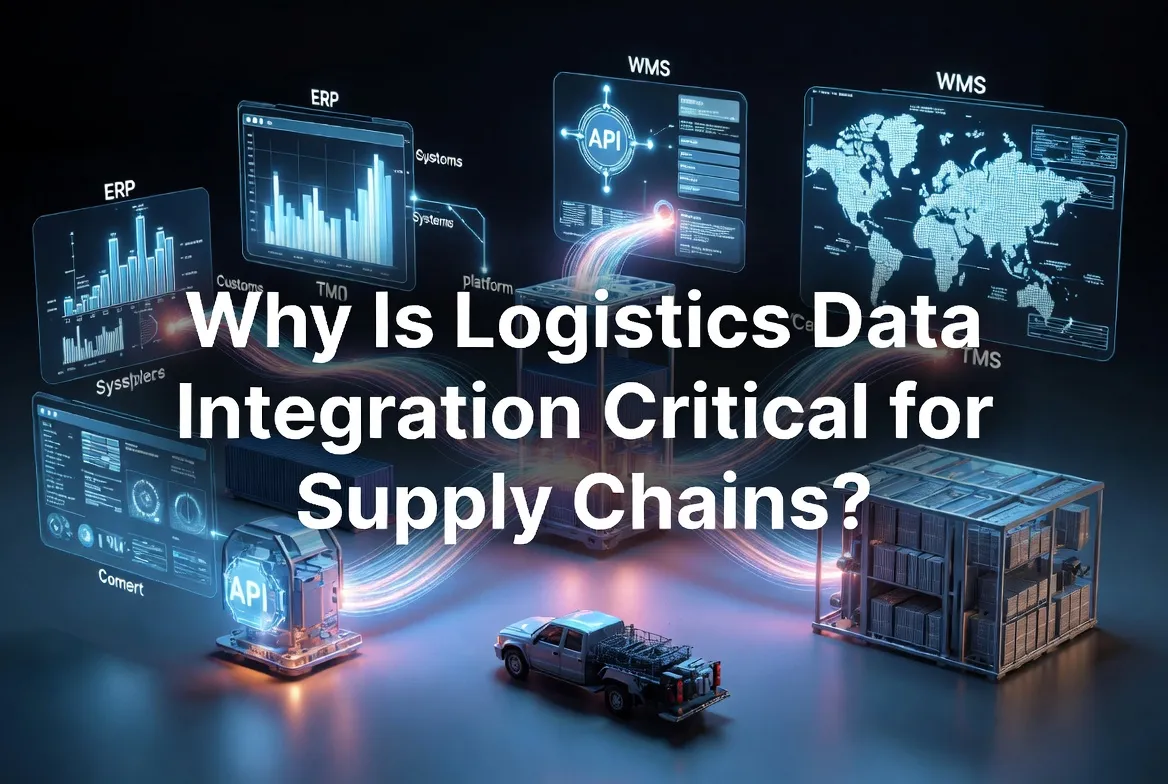
Real-time visibility is achieved through the integration and synchronization of multiple data sources into a unified system.
1. Continuous Data Collection
The system collects data from various sources, including:
Carrier tracking systems
Warehouse management systems
Customs clearance updates
IoT devices and scanning events
Manual inputs from operators
This ensures comprehensive coverage across all shipment stages.
2. Data Integration and Synchronization
All incoming data is integrated into a centralized platform.
The system:
Synchronizes updates in real time
Eliminates duplicate or conflicting data
Maintains a consistent dataset across all users
This creates a single source of truth for logistics operations.
3. Milestone-Based Tracking
Tracking data is structured into standardized milestones, such as:
Shipment booked
Cargo picked up
In transit
Arrived at destination
Delivered
This allows teams to quickly understand shipment status without interpreting raw tracking data.
4. Unified Dashboard and Timeline
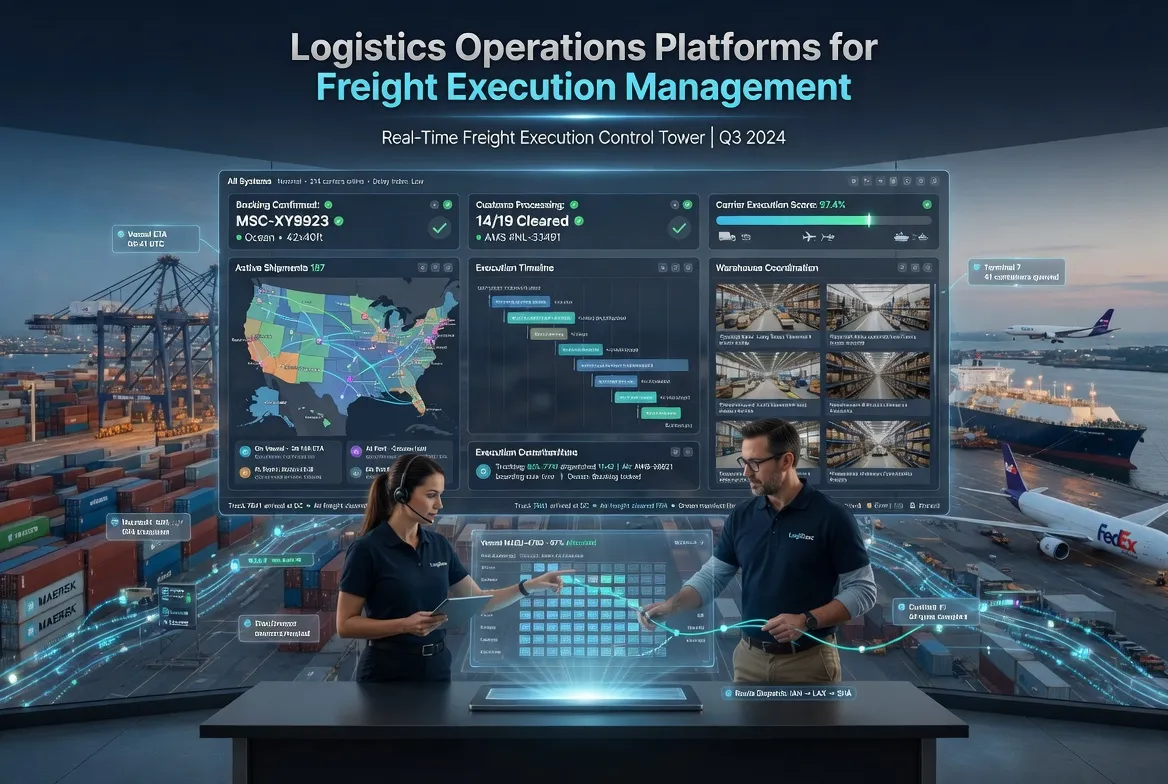
All shipment information is displayed in a unified interface, providing:
A complete timeline of shipment events
Current status and location
Historical tracking data
This enables quick assessment and decision-making.
5. Real-Time Alerts and Notifications
The system continuously monitors shipments and triggers alerts when:
Delays occur
Milestones are missed
Exceptions are detected
These alerts enable teams to take immediate action.
6. Multi-Role Access and Collaboration
Different stakeholders access the same real-time data:
Operations teams monitor execution
Customer service teams handle inquiries
Managers make strategic decisions
Customers track shipments independently
This ensures alignment across all parties involved.
Key Features / Key Capabilities
Real-time visibility systems typically include:
Live shipment tracking
Continuous updates across all logistics stagesUnified data platform
Centralized data integration from multiple sourcesMilestone-based tracking model
Standardized shipment progress representationException detection and alerts
Real-time identification of issues and delaysCollaboration tools
Enable multiple roles to access and update dataWorkflow automation
Automates responses to certain events and triggersData analytics and reporting
Provides insights into performance and trends
Benefits for Logistics Companies
1. Faster Decision-Making
Real-time data enables immediate responses to operational changes and disruptions.
2. Proactive Exception Management
Teams can identify and resolve issues before they escalate.
3. Improved Resource Allocation
Accurate data allows better planning and utilization of resources.
4. Enhanced Customer Experience
Customers receive timely updates, reducing uncertainty and inquiries.
5. Increased Operational Efficiency
Automation and visibility reduce manual work and improve workflow coordination.
Best Practices / Use Cases
1. Integrate All Relevant Data Sources
Ensure visibility across carriers, warehouses, and partners.
2. Define Clear Milestones
Standardize shipment stages to simplify tracking and decision-making.
3. Use Alerts for Proactive Management
Set up notifications for key events and exceptions.
4. Enable Cross-Department Visibility
Ensure all teams have access to the same real-time data.
5. Leverage Data for Continuous Improvement
Analyze real-time and historical data to optimize operations.
Practical Use Cases
Freight forwarders managing time-sensitive international shipments
3PL providers coordinating multi-client logistics operations
Cross-border eCommerce companies handling high order volumes
Supply chain teams monitoring global shipment flows
Conclusion
Real-time visibility is a critical capability for modern logistics operations. By providing immediate access to accurate shipment data, it enables faster decision-making, proactive management, and improved coordination across the supply chain. As logistics networks become more complex, real-time visibility systems are essential for maintaining control, reducing risks, and delivering consistent service performance.
Frequently Asked Questions
What is real-time visibility in logistics?
It is the ability to monitor shipments and logistics operations continuously with up-to-date information across all stages.
How does real-time visibility improve decision-making?
It provides immediate access to accurate data, allowing teams to respond quickly to changes and disruptions.
Why is real-time visibility important?
It reduces uncertainty, improves operational efficiency, and enables proactive management of logistics processes.
What are the benefits of real-time visibility systems?
They include faster decision-making, improved customer experience, reduced errors, and better operational control.
About WallTech
WallTech provides digital logistics solutions that enable real-time visibility across global supply chains. Its platforms integrate data from multiple sources, support milestone-based tracking, and present shipment progress in a unified timeline. By combining multi-role collaboration, workflow automation, and financial integration, logistics companies can make faster, data-driven decisions while improving operational efficiency and scalability.
If you're exploring ways to improve your logistics operations, feel free to connect with us to learn more about our solutions and system capabilities.