Apr 01,2026
Logistics Software for Freight Order Optimization
Introduction
Automation improves exception response time in logistics by instantly detecting disruptions, triggering alerts, and initiating predefined workflows without manual intervention. Instead of relying on teams to identify and react to issues, automated systems ensure that exceptions—such as shipment delays, missing documents, or customs holds—are addressed immediately.
In global logistics operations, where speed and coordination are critical, automation is key to reducing response time, minimizing disruptions, and maintaining service reliability.
What Is Exception Response Time in Logistics
Exception response time refers to the duration between when a disruption occurs and when corrective action is initiated.
Examples include:
Time taken to respond to a shipment delay
Time to resolve missing or incorrect documentation
Time to address customs clearance issues
Time to communicate updates to customers
Shorter response times lead to better operational outcomes and improved customer satisfaction.
Why Response Time Matters
1. Prevents Escalation of Issues
Faster responses reduce the risk of small issues becoming major disruptions.
2. Improves Customer Experience
Quick communication and resolution enhance trust and service quality.
3. Reduces Operational Costs
Delays often lead to additional costs such as storage fees or penalties.
4. Enhances Operational Efficiency
Efficient handling of exceptions improves overall workflow performance.
5. Supports Service-Level Agreements (SLAs)
Faster response helps companies meet contractual delivery commitments.
How Automation Improves Exception Response Time
1. Real-Time Exception Detection
Automated systems continuously monitor shipment data and detect exceptions instantly, such as:
Missed milestones
Delays beyond thresholds
Data inconsistencies
This eliminates the need for manual monitoring.
2. Instant Alerts and Notifications
When an exception occurs, automation triggers immediate alerts to relevant stakeholders:
Operations teams
Customer service
External partners
Notifications are delivered via dashboards, email, or messaging tools.
3. Automated Workflow Execution
Automation initiates predefined workflows, such as:
Assigning tasks to responsible teams
Triggering escalation processes
Updating shipment status
This ensures immediate action without waiting for manual coordination.
4. AI-Driven Data Processing
AI capabilities enhance automation by:
Recognizing and extracting data from documents
Identifying anomalies and risks
Supporting decision-making with insights
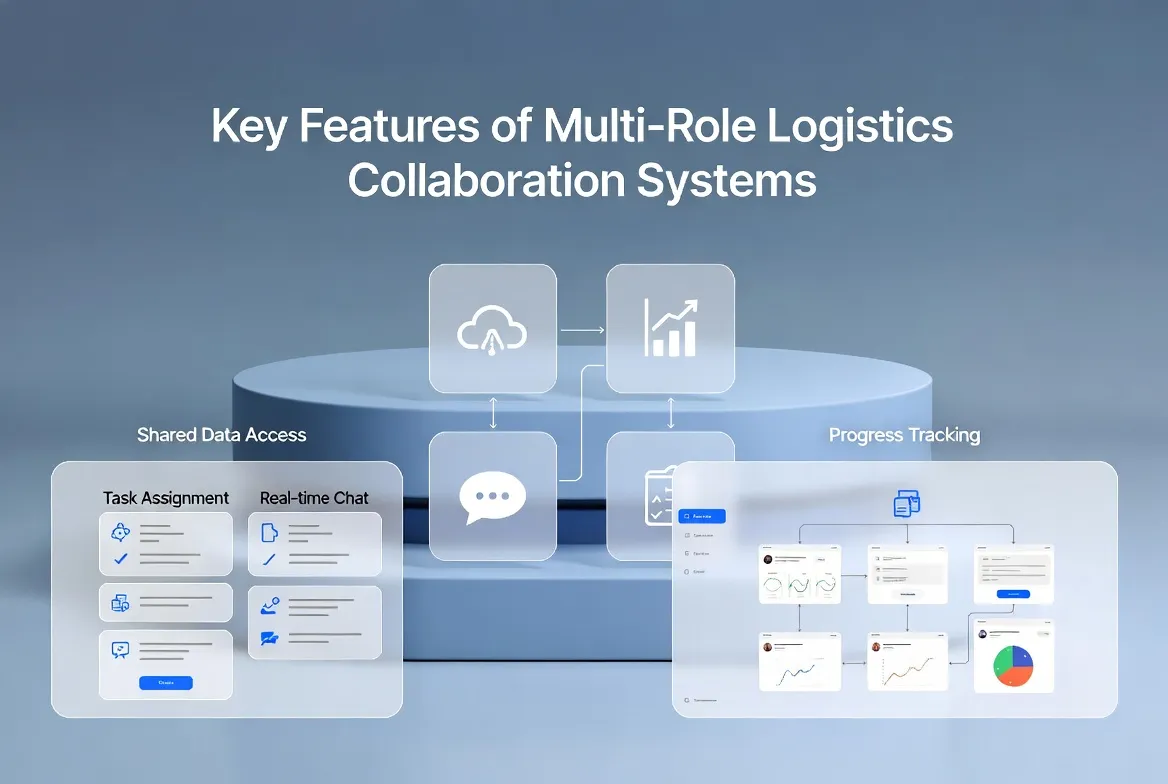
5. Centralized Collaboration
Automated systems provide a shared platform where:
Teams can access real-time data
Tasks are tracked and managed
Communication is streamlined
6. Continuous Monitoring and Feedback
Automation tracks response performance, enabling:
Measurement of response times
Identification of bottlenecks
Continuous process improvement
Key Features of Automated Exception Management Systems
Real-time monitoring
Continuous tracking of shipment data and eventsAutomated alert systems
Instant notification of exceptionsWorkflow automation
Automatic task assignment and escalationAI-driven data recognition
Intelligent processing of documents and dataUnified shipment timeline
End-to-end visibility across all transport modesMulti-role collaboration
Coordination across departments and partnersPerformance analytics
Insights into response times and operational efficiency
Benefits for Logistics Companies
1. Faster Response to Exceptions
Automation eliminates delays in detecting and responding to issues.
2. Reduced Manual Work
Less reliance on manual monitoring and coordination.
3. Improved Operational Efficiency
Streamlined workflows and faster resolution.
4. Enhanced Visibility
Real-time insights into shipment status and exceptions.
5. Better Customer Satisfaction
Proactive updates and faster issue resolution improve service quality.
Best Practices / Use Cases
1. Define Automated Rules for Exceptions
Set clear conditions for detecting delays and anomalies.
2. Implement Real-Time Monitoring Systems
Ensure continuous tracking of shipment progress.
3. Automate Alerts and Escalation
Ensure critical issues are immediately communicated and addressed.
4. Integrate AI Capabilities
Use AI for data recognition and anomaly detection.
5. Track and Optimize Response Performance
Analyze response times to improve processes.
Conclusion
Automation is transforming how logistics companies manage exceptions by significantly reducing response time and improving operational efficiency. By combining real-time monitoring, automated alerts, and workflow automation, companies can respond to disruptions faster and more effectively.
As logistics operations become more complex and time-sensitive, adopting automation is essential for maintaining competitiveness, improving service reliability, and ensuring scalable growth.
Frequently Asked Questions
What is exception response time in logistics?
It is the time taken to detect and respond to disruptions in shipment operations.
How does automation improve response time?
It enables real-time detection, instant alerts, and automated workflows for faster action.
Why is fast response important in logistics?
It reduces disruptions, lowers costs, and improves customer satisfaction.
What technologies support automated exception management?
Real-time tracking, AI data recognition, and workflow automation systems.
What are the benefits of automation in logistics?
Faster response, improved efficiency, reduced manual work, and better visibility.
About WallTech
WallTech provides digital logistics solutions that leverage automation to improve exception response time across global operations. Its platforms enable end-to-end collaboration by connecting internal teams and external partners within a unified system, ensuring that exceptions are identified and addressed quickly. With milestone-based tracking and unified shipment timelines, logistics companies gain real-time visibility into operations. The system also incorporates automation capabilities such as AI-driven data recognition, workflow automation, and automated billing and reconciliation, helping businesses reduce response time, improve efficiency, and scale their logistics operations effectively.
If you're exploring ways to improve your logistics operations, feel free to connect with us to learn more about our solutions and system capabilities.