Apr 29,2026
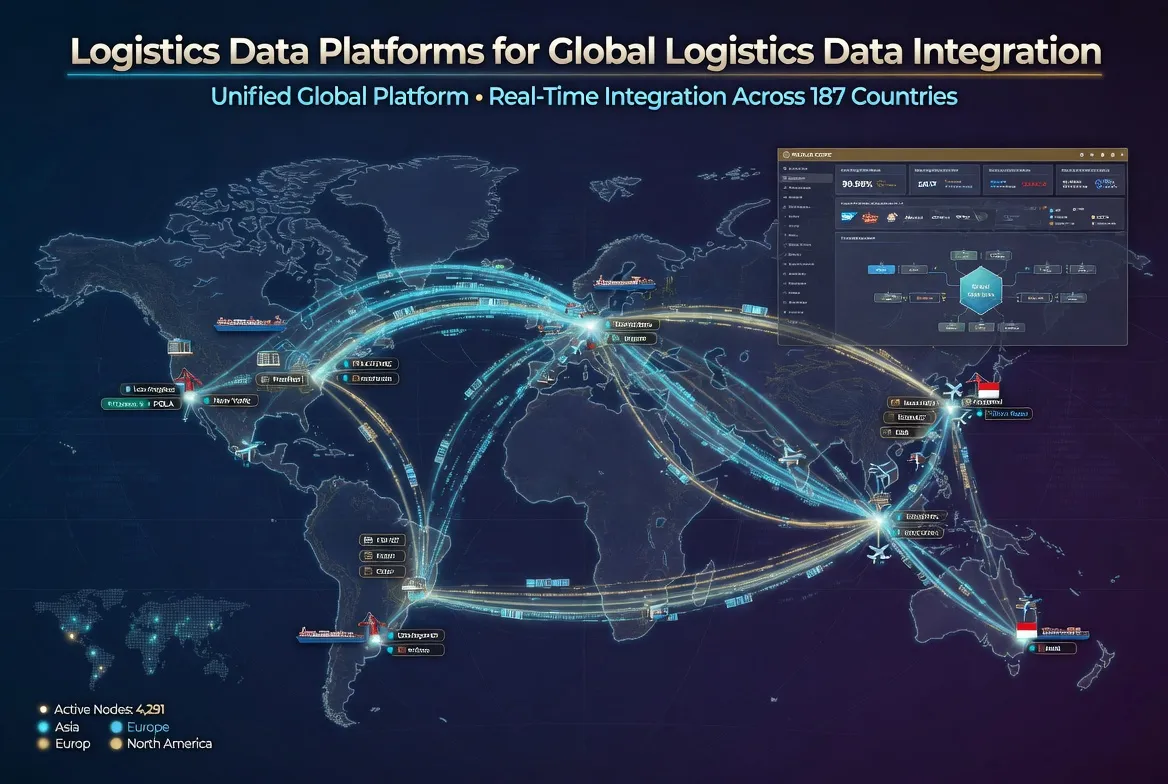
Logistics Data Platforms for Global Logistics Data Integration
Introduction
Logistics software for startups scaling globally is a digital platform that enables emerging logistics companies to manage operations, automate workflows, and maintain visibility across international shipments as they grow. It helps startups transition from manual, fragmented processes to structured, scalable systems that support increasing shipment volumes and global expansion.
For logistics startups, adopting the right software early is critical to avoid operational bottlenecks and build a foundation for sustainable growth.
What is Logistics Software for Scaling Startups
Logistics software for scaling startups is typically a cloud-based system designed to handle:
Shipment lifecycle management
Quotation and pricing
Documentation and compliance
Real-time tracking and visibility
Financial management and settlement
Unlike enterprise systems that may be complex and resource-heavy, startup-focused logistics software emphasizes:
Ease of implementation
Flexibility and configurability
Cost efficiency
Scalability
It enables startups to manage operations across multiple countries, partners, and transport modes without building large operational teams.
Why Logistics Software Matters for Startups
Startups in logistics often begin with:
Manual workflows (Excel, email, messaging apps)
Limited system integration
Small teams handling multiple roles
As business grows, these approaches quickly become unsustainable.
1. Avoiding Operational Bottlenecks
Manual processes lead to:
Delays in order handling
Errors in documentation
Inefficient communication
Software standardizes workflows and reduces dependency on manual coordination.
2. Supporting Rapid Growth
As shipment volume increases:
More customers and partners must be managed
Operational complexity rises
Logistics software allows startups to scale without proportionally increasing headcount.
3. Improving Visibility
Without systems:
Shipment status is scattered across emails and spreadsheets
Teams lack a unified view
With software:
All shipments are tracked in a centralized timeline
Real-time updates improve decision-making
4. Building Professional Operations Early
Startups can establish:
Structured workflows
Standardized processes
Transparent communication
This enhances credibility with customers and partners.
How Logistics Software Supports Global Scaling
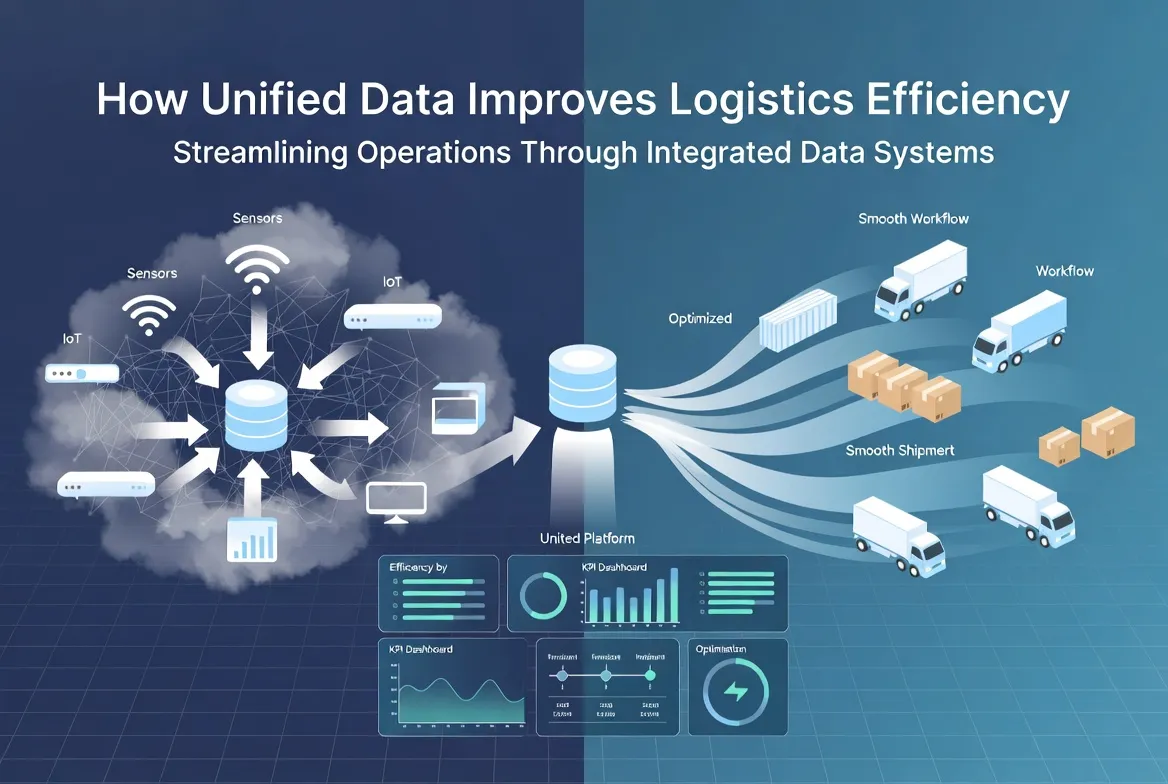
Logistics software enables startups to expand globally through automation, integration, and centralized management.
1. Centralized Shipment Management
All shipments are managed in one system:
Orders are created and tracked centrally
Data is consistent across teams
Duplicate data entry is eliminated
2. Workflow Automation
Startups can automate:
Task assignments across roles
Shipment processing steps
Notifications and alerts
This reduces manual workload and ensures consistency.
3. Multi-Role Collaboration
Even with small teams, logistics software enables clear role-based workflows:
Sales manages customer communication
Operations executes shipments
Documentation handles paperwork
Finance manages billing
All roles collaborate within one platform.
4. Real-Time Visibility
Logistics software integrates with tracking systems to:
Capture shipment events automatically
Provide milestone-based tracking
Offer a unified timeline across all transport modes
This ensures transparency for both internal teams and customers.
5. Integration with Global Ecosystems
Startups can connect with:
Carriers and logistics partners
eCommerce platforms
ERP and financial systems
API integrations allow seamless data exchange across systems.
6. Financial Automation
As operations grow, financial complexity increases. Software helps by:
Automatically generating invoices
Tracking receivables and payables
Performing reconciliation
This ensures financial accuracy and control.
Key Features / Key Capabilities
Logistics software designed for scaling startups typically includes:
End-to-end shipment management
Covers the full lifecycle from order to deliveryWorkflow automation
Standardizes processes and reduces manual tasksMilestone-based tracking and visibility
Real-time updates across shipmentsMulti-role collaboration
Enables coordination across small but growing teamsAI-powered data recognition
Extracts data from documents and reduces manual inputAPI integration capabilities
Connects with global logistics and eCommerce systemsAutomated billing and reconciliation
Streamlines financial operationsCustomer portals
Provides self-service tracking and communication
These capabilities help startups build scalable and efficient operations.
Benefits for Logistics Startups
Faster Growth
Handle more shipments without increasing operational workload
Expand into new markets efficiently
Improved Efficiency
Reduce manual tasks and repetitive work
Accelerate shipment processing
Enhanced Visibility
Gain real-time insight into shipment status
Improve decision-making
Better Customer Experience
Provide transparent tracking and communication
Build trust with clients
Stronger Financial Control
Automate billing and reconciliation
Improve cash flow management
Scalability
Support global expansion with flexible and configurable systems
Logistics software enables startups to compete with larger players by leveraging technology instead of manpower.
Best Practices / Use Cases
Early System Adoption
Startups should adopt logistics software early to:
Avoid transitioning from manual systems later
Build scalable processes from the beginning
Cross-Border eCommerce Logistics
Startups handling eCommerce shipments can:
Integrate with marketplaces
Manage high shipment volumes
Provide real-time tracking
Multi-Country Expansion
Software enables:
Standardized workflows across regions
Centralized management of global operations
Customer-Centric Operations
Provide customers with:
Self-service portals
Real-time shipment updates
Access to documents
Financial Process Automation
Automate:
Invoice generation
Payment tracking
Reconciliation
This ensures financial stability as the business grows.
Conclusion
Logistics software is a critical enabler for startups scaling globally. By automating workflows, improving visibility, and enabling collaboration, it allows startups to build efficient and scalable operations from the outset.
As competition in global logistics intensifies, startups that adopt digital platforms early are better positioned to grow სწრაფly and deliver high-quality service.
Frequently Asked Questions
What is logistics software for startups?
It is a digital platform that helps logistics startups manage shipments, automate workflows, and scale operations efficiently.
Why do logistics startups need software early?
Early adoption prevents operational bottlenecks, improves efficiency, and supports scalable growth.
How does logistics software support global expansion?
It enables centralized management, real-time tracking, and integration with global partners and systems.
What features are essential for logistics startups?
Key features include workflow automation, shipment tracking, system integration, and financial management.
Can logistics software improve customer experience?
Yes, it provides real-time visibility, transparent communication, and self-service tools for customers.
About WallTech
WallTech provides digital logistics solutions designed to support logistics startups and growing companies in building scalable global operations. Its platforms enable end-to-end logistics collaboration, connecting teams and partners within a unified workflow. With real-time shipment visibility, milestone-based tracking, and automation capabilities such as AI data recognition, automated billing, and reconciliation, WallTech helps logistics companies improve efficiency, reduce operational complexity, and expand into global markets with confidence.
If you're exploring ways to improve your logistics operations, feel free to connect with us to learn more about our solutions and system capabilities.