

Apr 02,2026
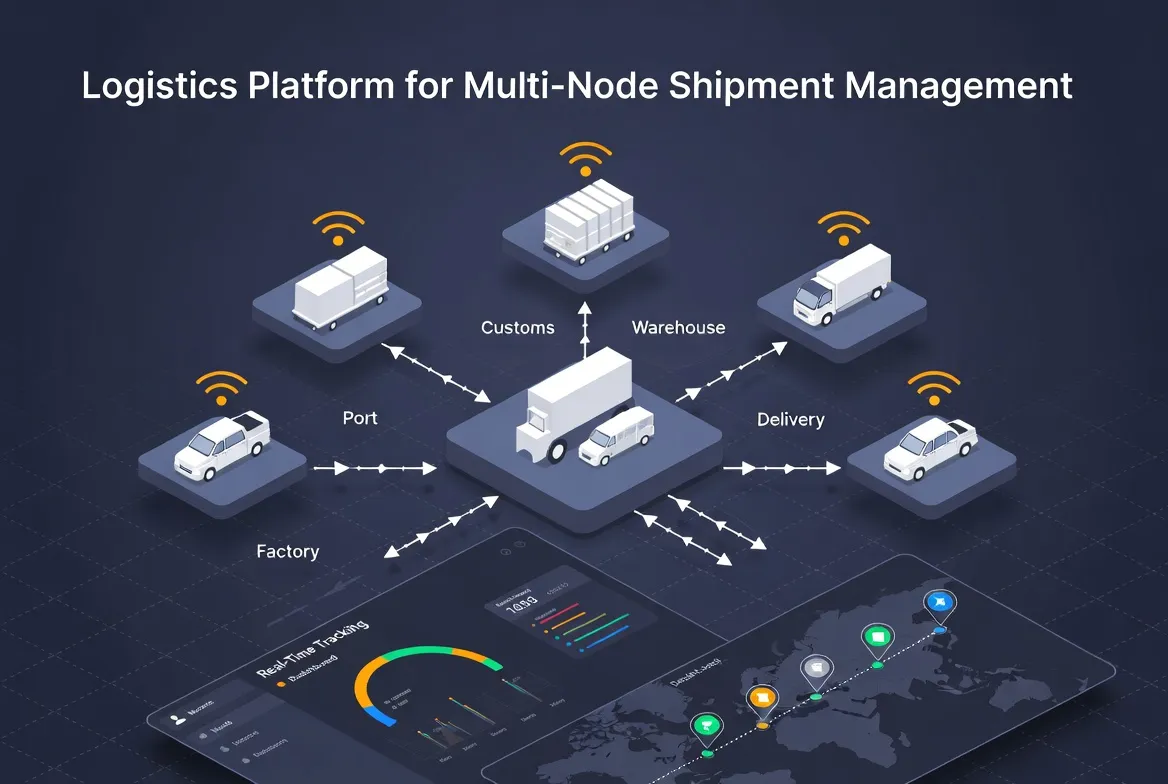
Logistics Platform for Multi-Node Shipment Management
Introduction
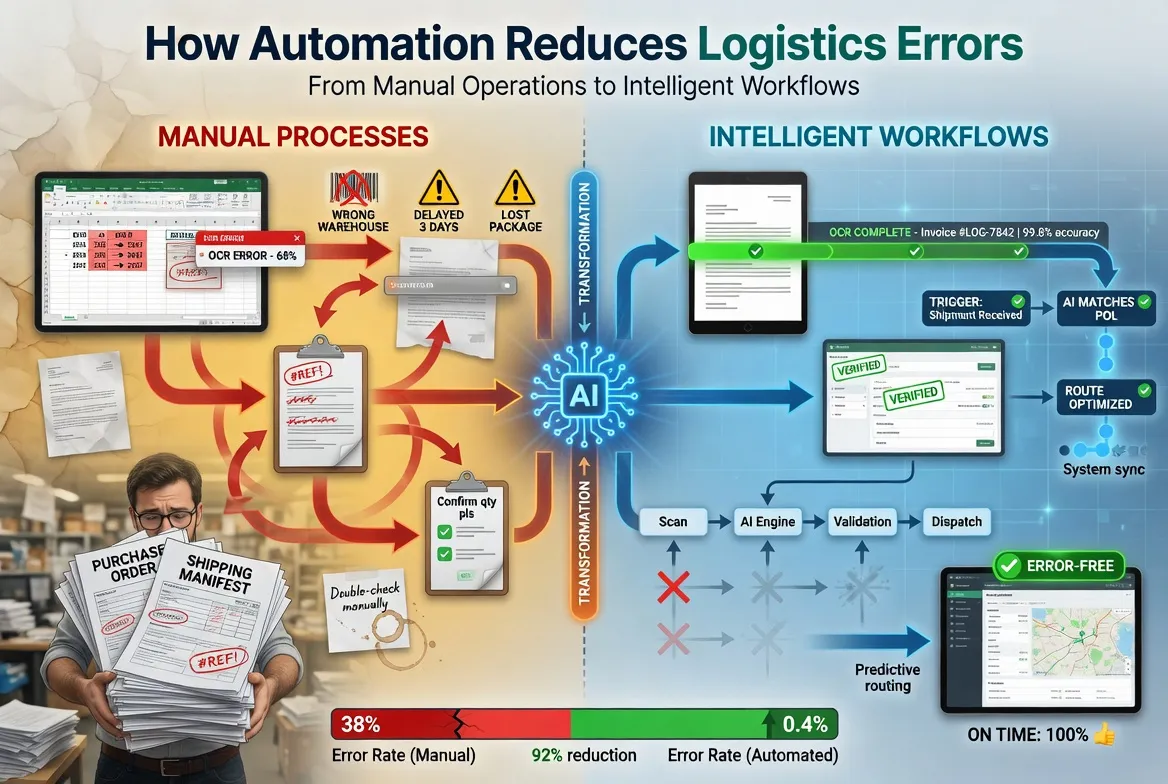
Automated billing reduces financial errors in logistics by replacing manual invoice generation and cost calculations with rule-based, system-driven processes. This ensures consistent application of pricing logic, minimizes human mistakes, and improves financial accuracy across operations. In logistics environments where transactions are frequent and complex, automation is essential for maintaining reliable financial data.
What is Automated Billing in Logistics
Automated billing in logistics refers to the use of digital systems to generate invoices, apply pricing rules, and manage financial transactions based on shipment data.
This process includes:
Calculating charges based on rate cards and pricing rules
Generating invoices automatically
Managing accounts receivable (AR) and payable (AP)
Handling multi-currency transactions
Reconciling expected and actual costs
Instead of relying on manual input, automated billing systems use structured workflows to ensure consistency and accuracy.
Why Automated Billing Matters
Financial errors in logistics can have significant consequences, including revenue loss, disputes, and operational inefficiencies.
1. High Transaction Volume
Logistics companies process large numbers of shipments, increasing the risk of manual errors.
2. Complex Pricing Structures
Multiple surcharges, routes, and service conditions make manual billing difficult.
3. Cross-Department Coordination
Billing involves multiple teams, including operations, finance, and sales.
4. Global Operations
Multi-currency transactions and international regulations add complexity.
5. Impact on Customer Trust
Incorrect invoices can lead to disputes and damage relationships.
How Automated Billing Reduces Financial Errors
Automated billing systems reduce errors through structured and standardized processes:
1. Rule-Based Pricing Application
The system applies predefined pricing rules consistently across all shipments.
Eliminates inconsistent manual calculations
Ensures correct application of surcharges and conditions
2. Direct Integration with Shipment Data
Billing is generated based on actual operational data.
Reduces data entry duplication
Prevents discrepancies between operations and finance
3. Automated Invoice Generation
Invoices are created automatically once shipment milestones are reached.
Ensures completeness of billing
Reduces missed charges
4. Real-Time Validation and Checks
Systems include validation mechanisms to identify anomalies.
Flag unusual pricing or missing data
Prevent incorrect invoice issuance
5. Automated Reconciliation
The system compares expected costs with actual supplier invoices.
Identifies mismatches early
Reduces financial discrepancies
6. Multi-Currency Accuracy
Automated currency conversion ensures consistent financial records across regions.
Key Features / Key Capabilities
Modern automated billing systems include:
End-to-End Billing Automation
Generate invoices directly from shipment workflowsIntegrated Rate and Cost Management
Ensure consistent pricing applicationAutomated Reconciliation Tools
Match invoices with actual costs and identify discrepanciesWorkflow-Based Approval Processes
Standardize invoice validation and approvalReal-Time Financial Visibility
Monitor billing status and financial performanceMulti-Currency and Global Support
Handle international transactions with accuracyCollaboration Across Teams
Enable finance, operations, and sales to work on shared dataAudit Trails and Logs
Track all billing activities for transparency and compliance
Benefits for Logistics Companies
Automated billing provides clear financial and operational benefits:
Reduced Financial Errors
Minimize discrepancies caused by manual processesImproved Billing Accuracy
Ensure all charges are applied correctlyFaster Invoice Processing
Accelerate billing cycles and reduce delaysBetter Cash Flow Management
Enable quicker payment collectionEnhanced Transparency
Provide clear visibility into billing and financial dataScalable Operations
Handle increasing transaction volumes without added complexity
Best Practices / Use Cases
To fully leverage automated billing systems:
1. Define Clear Pricing Rules
Ensure all billing logic is standardized and documented.
2. Integrate Billing with Operational Systems
Avoid manual data transfers between departments.
3. Use Validation and Approval Workflows
Implement checks to ensure invoice accuracy before sending.
4. Monitor Financial Performance
Track key metrics such as billing accuracy and error rates.
5. Maintain Data Consistency
Ensure shipment and financial data are aligned across systems.
Use Case Example:
A cross-border logistics provider processing thousands of shipments daily can use automated billing to generate invoices based on shipment milestones. This reduces manual errors, ensures consistent pricing, and improves financial control across global operations.
Conclusion
Automated billing is a critical tool for reducing financial errors in logistics. By replacing manual processes with rule-based automation, companies can improve accuracy, efficiency, and financial transparency. As logistics operations grow in complexity, automated billing systems provide the reliability needed to maintain consistent and scalable financial management.
Frequently Asked Questions
What is automated billing in logistics?
It is the use of software to automatically generate invoices and manage financial transactions based on shipment data.
How does automated billing reduce errors?
It applies consistent pricing rules, eliminates manual calculations, and integrates directly with operational data.
Why is automated billing important in logistics?
It improves accuracy, reduces disputes, and enhances financial efficiency.
What are the benefits of automated billing systems?
They reduce errors, speed up billing processes, and provide better financial visibility.
Can automated billing handle global logistics operations?
Yes, modern systems support multi-currency transactions and global financial workflows.
About WallTech
WallTech provides digital logistics platforms designed to streamline both operational and financial processes for logistics companies. Its systems enable end-to-end collaboration across multiple roles and partners, ensuring seamless coordination from shipment execution to billing and reconciliation. With real-time visibility, milestone-based tracking, and unified timelines, businesses can maintain full control over operations and financial data. WallTech also supports automation in key areas such as billing, cost calculation, and reconciliation, helping logistics companies reduce manual errors, improve efficiency, and scale effectively in global markets.
If you're exploring ways to improve your logistics operations, feel free to connect with us to learn more about our solutions and system capabilities.
.webp "How Logistics Platforms Manage Multimodal Transportation Operations")
.webp "How Logistics Platforms Deliver Logistics System Integration")