
May 25,2026
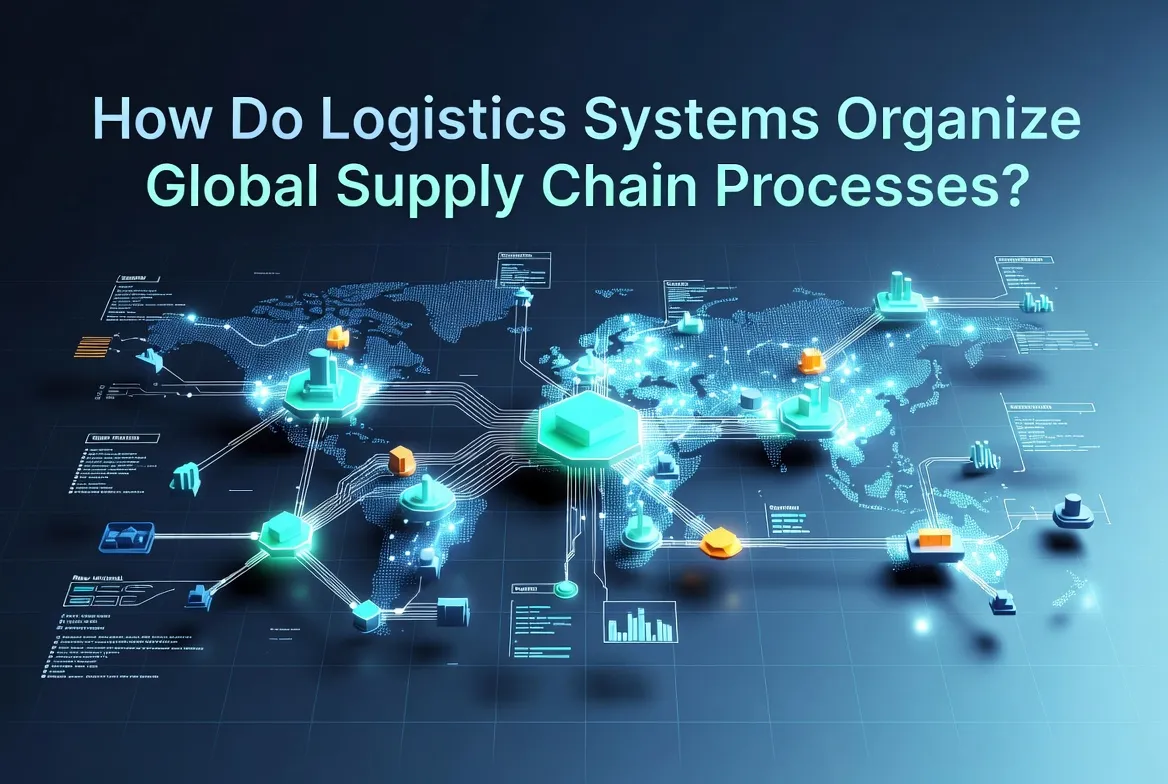
How Do Logistics Systems Organize Global Supply Chain Processes?
Freight forwarding companies operate in an environment defined by complexity. Every shipment involves multiple parties, transportation modes, documents, and financial transactions. From quotation and booking to tracking and settlement, each step generates large volumes of operational data.
Without a structured digital platform, these processes often rely on spreadsheets, email communication, and fragmented tools. As shipment volumes grow, manual coordination becomes inefficient and error-prone. This is where a freight forwarding management system becomes essential.
Centralizing Operational Data
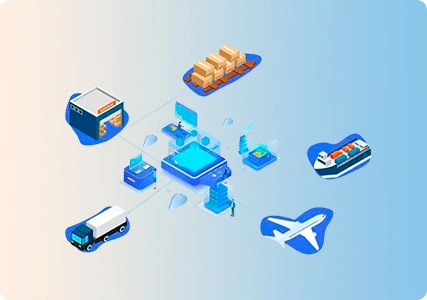
A freight forwarding management system provides a unified platform where all shipment-related information is stored and managed. Orders, customers, carriers, documents, and financial records are connected within a single workflow.
Instead of switching between different tools or departments, operations teams can access the entire shipment lifecycle from one interface. This centralized data structure significantly reduces information silos and improves coordination across departments.
Standardizing Operational Workflows
Freight operations often involve repetitive procedures such as booking confirmations, documentation preparation, and milestone tracking. Without system support, these tasks depend heavily on individual experience.
A management system standardizes these processes through structured workflows. Each shipment follows predefined operational steps, ensuring that tasks are executed consistently and on time.
This workflow standardization helps companies reduce operational errors and maintain service quality even as their shipment volumes increase.
Improving Shipment Visibility
Visibility is critical in modern logistics operations. Customers expect real-time updates on shipment status, estimated arrival times, and potential delays.
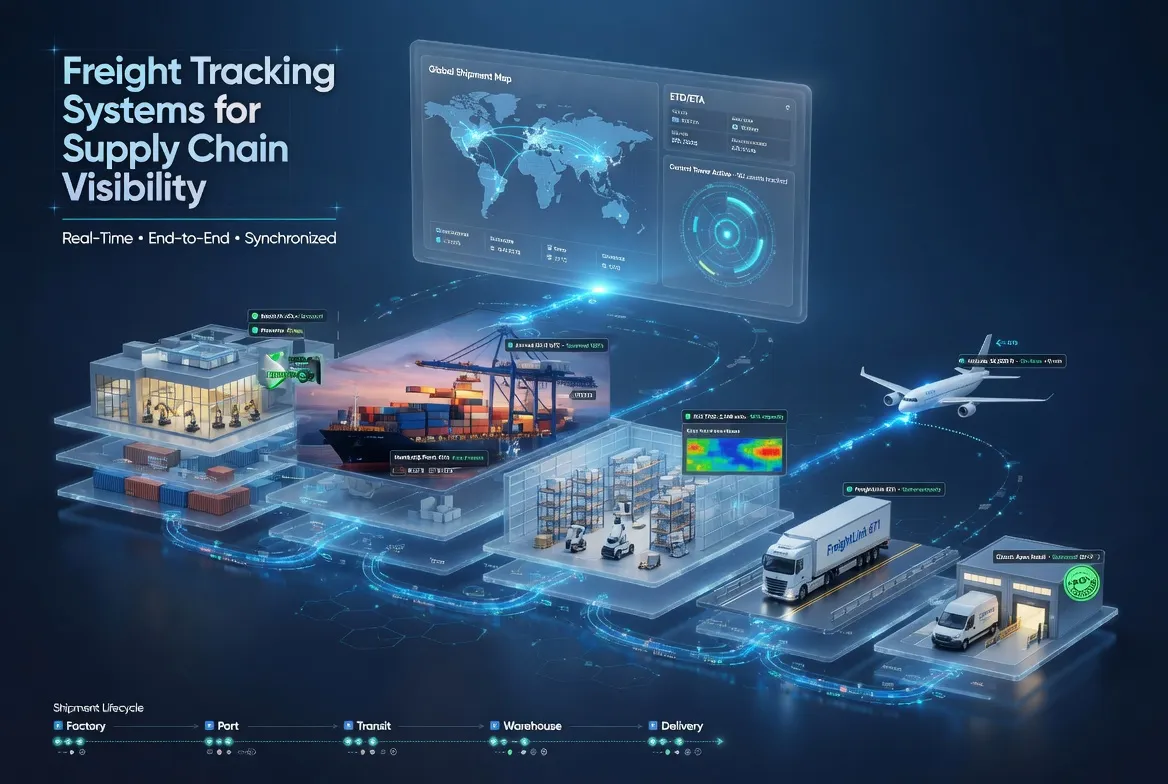
A freight forwarding management system integrates tracking information across different transportation stages, including ocean, air, trucking, and warehouse operations. By consolidating these events into a unified timeline, logistics teams and customers can monitor shipment progress more effectively.
Improved visibility also enables earlier detection of operational exceptions, allowing teams to respond before disruptions escalate.
Automating Financial Processes
Financial coordination is one of the most time-consuming aspects of freight forwarding. Each shipment may involve multiple charges such as freight costs, local fees, and additional services.
A digital management system automates billing and settlement workflows by linking operational data with financial modules. Charges can be generated automatically based on shipment details, reducing manual calculations and reconciliation work.
This integration improves financial accuracy while accelerating the billing cycle.
Enabling Multi-Branch Collaboration
Many freight forwarding companies operate across multiple offices or international branches. Managing shipments across these locations requires efficient collaboration.
A centralized system allows teams in different regions to access the same shipment data and operational records. Permissions and roles can be configured to ensure secure access while maintaining transparency.
This shared platform enables smoother coordination between sales teams, operations staff, overseas agents, and finance departments.
Supporting Data-Driven Decision Making
Operational data generated by logistics activities contains valuable insights into business performance. Freight forwarding management systems typically provide reporting and analytics capabilities that allow companies to analyze shipment volumes, operational efficiency, and profitability.
With structured data available in real time, logistics companies can identify operational bottlenecks, optimize processes, and improve overall performance.
The Role of Digital Platforms in Modern Freight Forwarding
As global supply chains continue to evolve, freight forwarding companies must handle increasing operational complexity. Manual processes alone are no longer sufficient to support scalable growth.
A freight forwarding management system provides the digital infrastructure needed to coordinate shipments, standardize workflows, and integrate operational and financial processes. By centralizing data and automating routine tasks, these platforms enable logistics companies to operate more efficiently and respond faster to changing market demands.
For modern freight forwarders, adopting a structured management system is no longer simply a technology upgrade—it is a foundation for sustainable operational efficiency.
.webp "What Is a Logistics Exception Management System?")