May 08,2026
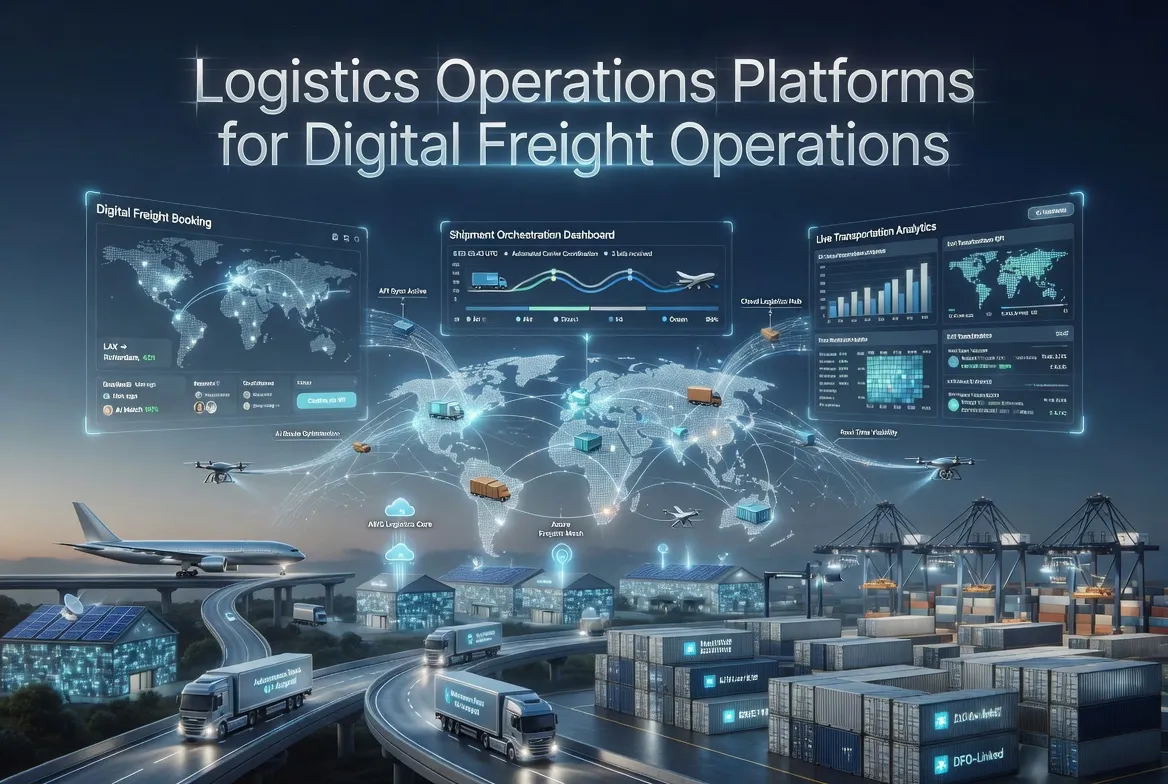
Logistics Operations Platforms for Digital Freight Operations
Introduction
Shipment task automation has become a core capability in modern logistics operations. As global supply chains grow more complex, logistics companies face increasing pressure to manage higher shipment volumes, tighter delivery timelines, and multi-party coordination across regions.
Traditional manual workflows—such as order entry, status updates, document handling, and exception management—are no longer scalable. Logistics platforms address this challenge by automating shipment-related tasks across the entire lifecycle, enabling faster execution, improved accuracy, and better operational visibility.
What Is Shipment Task Automation?
Shipment task automation refers to the use of digital logistics platforms to automatically execute, trigger, and manage operational tasks throughout a shipment’s lifecycle.
These tasks typically include:
Order creation and data input
Shipment milestone updates
Document generation and processing
Tracking and status synchronization
Exception alerts and notifications
Cost calculation and billing
Instead of relying on manual intervention, automated systems use predefined workflows, rules, and integrations to ensure that each step is executed efficiently and consistently.
Why Shipment Task Automation Matters
1. Increasing Operational Efficiency
Manual processes often require repetitive data entry and coordination across multiple systems. Automation reduces these inefficiencies by streamlining workflows and eliminating redundant tasks.
For example, logistics platforms can support multiple order input methods—manual entry, batch upload, and API integration—allowing shipment data to flow directly into operational systems without duplication.
2. Reducing Human Errors
Errors in shipment data—such as incorrect weights, addresses, or charges—can lead to delays, financial discrepancies, and customer dissatisfaction. Automated systems standardize data processing and apply predefined rules, minimizing the risk of inconsistencies.
3. Enabling Real-Time Visibility
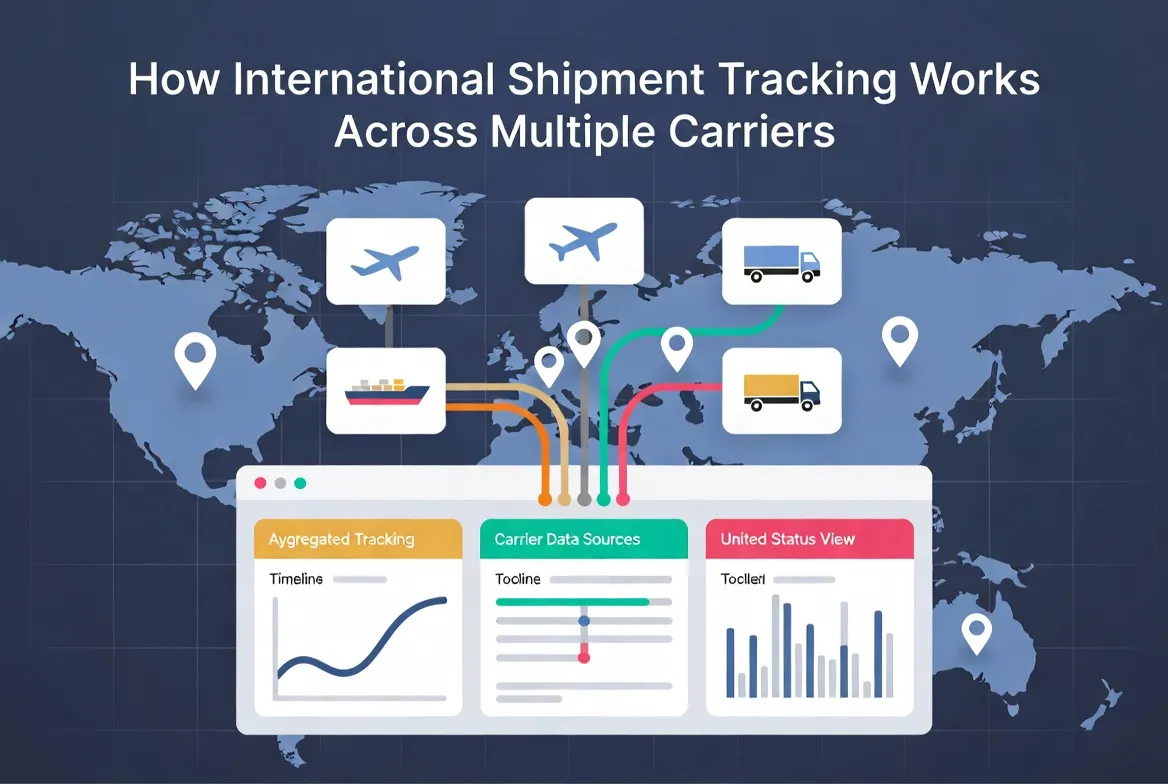
Automation ensures that shipment status updates are captured and synchronized in real time. By integrating multiple data sources, logistics platforms provide a unified view of shipment progress across all transportation stages.
This includes automatic subscription to tracking events and aggregation of multi-source tracking data into a single timeline.
4. Supporting Scalability
As shipment volumes grow, manual operations become increasingly difficult to manage. Automated workflows allow logistics companies to scale operations without proportionally increasing headcount.
How Logistics Platforms Automate Shipment Tasks
1. Automated Order Management
Modern logistics platforms enable automated order creation through:
API connections with upstream systems (ERP, eCommerce platforms)
Batch uploads using standardized templates
Reusable order templates for recurring shipments
This reduces manual input and accelerates order processing.
Additionally, multi-role collaboration is supported, allowing customers, sales teams, and operations staff to create and manage orders within the same system environment.
2. Workflow and Milestone Automation
Shipment processes are structured into standardized workflows with predefined milestones, such as:
Booking confirmation
Cargo pickup
Customs clearance
Line-haul transportation
Last-mile delivery
Each milestone can trigger automated actions, including status updates, task assignments, and notifications.
This ensures that operations follow consistent procedures and that no critical step is missed.
3. Multi-Transport Tracking Automation
Global shipments often involve multiple transportation modes, including ocean, air, land, and express delivery.
Logistics platforms automate tracking by:
Integrating with multiple carriers and data providers
Synchronizing tracking events across different transport segments
Automatically updating shipment timelines
This enables end-to-end visibility without manual tracking efforts.
4. Exception Detection and Alerts
Delays and disruptions are inevitable in logistics operations. Automated systems detect exceptions based on predefined rules, such as:
Delayed milestones
Missing tracking updates
Abnormal transit times
Once triggered, the system can send alerts via various channels (e.g., email, messaging tools), ensuring that relevant stakeholders can take immediate action.
5. Document Automation
Shipment operations require various documents, including invoices, packing lists, and customs declarations.
Logistics platforms automate document management by:
Generating documents based on configurable templates
Linking documents directly to shipment records
Supporting export and sharing across stakeholders
This ensures that documents remain structured, consistent, and easily accessible.
6. Financial Task Automation
Automation extends to financial processes, including:
Automatic calculation of shipment costs
Generation of accounts receivable and payable
Cost allocation (e.g., container cost distribution)
Profit analysis at order or shipment level
By integrating financial workflows with operational data, logistics platforms improve accuracy and reduce reconciliation efforts.
Key Benefits of Shipment Task Automation
Improved Productivity
Automation reduces manual workload, allowing teams to focus on higher-value tasks such as customer service and business development.
Faster Turnaround Times
Automated workflows accelerate shipment processing, from order creation to final delivery.
Enhanced Collaboration
By centralizing operations within a single platform, all stakeholders—internal teams, partners, and customers—can access the same information and collaborate more effectively.
Better Decision-Making
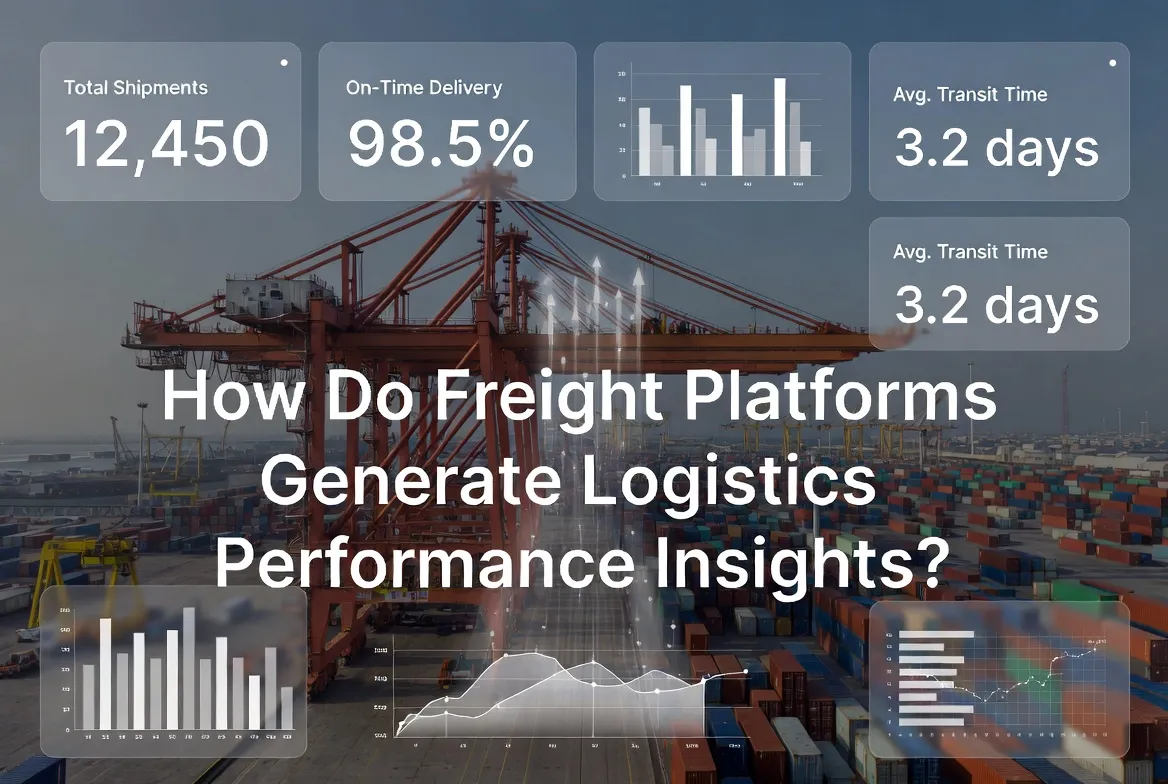
Real-time data and automated reporting provide actionable insights into shipment performance, operational efficiency, and profitability.
Best Practices for Implementing Shipment Task Automation
1. Standardize Operational Processes
Before automation, logistics companies should define clear workflows and standard operating procedures to ensure consistency.
2. Integrate Core Systems
Seamless integration with ERP, WMS, carrier systems, and eCommerce platforms is essential for end-to-end automation.
3. Configure Flexible Rules
Automation rules should be adaptable to different business scenarios, including various shipment types, customer requirements, and regional regulations.
4. Monitor and Optimize Continuously
Automation is not a one-time setup. Companies should continuously monitor performance, identify bottlenecks, and refine workflows.
Conclusion
Shipment task automation is no longer optional for logistics companies operating in a global, high-volume environment. By leveraging modern logistics platforms, businesses can automate critical operational tasks, improve efficiency, and gain real-time visibility across the supply chain.
As logistics networks continue to evolve, the ability to automate and orchestrate shipment workflows will become a key competitive advantage—enabling companies to deliver faster, more reliable, and more scalable logistics services.
.webp "What Is an End-to-End Logistics Management Platform")