May 08,2026
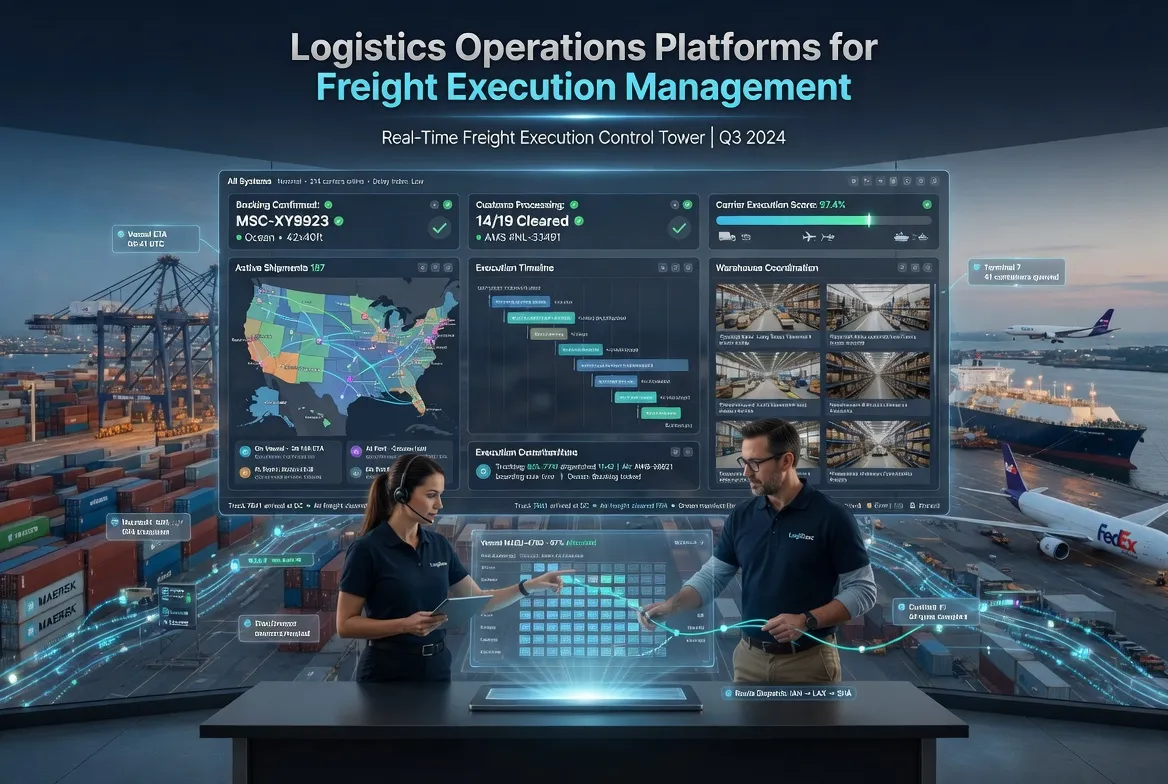
Logistics Operations Platforms for Freight Execution Management
Introduction
Operational cost visibility refers to the ability for logistics companies to clearly track, monitor, and analyze the costs associated with shipment operations. Modern logistics platforms enable cost visibility by integrating operational data, billing information, and financial records within a unified system.
What Is Operational Cost Visibility?
Operational cost visibility means having a clear understanding of all expenses involved in logistics activities. These costs may include transportation charges, carrier payments, warehouse handling fees, customs costs, and last-mile delivery expenses.
In many traditional logistics environments, cost data is often scattered across different tools or departments. Operations teams manage shipment execution, while finance teams calculate costs separately using accounting software or spreadsheets.
This fragmented approach makes it difficult for logistics companies to understand the real cost structure of their operations.
Modern logistics platforms solve this problem by connecting operational workflows with financial data in a single system.
Why Cost Visibility Is Important in Logistics
Logistics companies operate in a highly competitive environment where profit margins are often narrow. Without clear visibility into operational costs, companies may struggle to control expenses or maintain consistent profitability.
Lack of cost visibility can lead to several challenges:
Difficulty identifying high-cost shipments or routes
Limited understanding of operational expenses
Delayed financial reporting
Inefficient pricing strategies
By improving cost transparency, logistics companies can make more informed operational and financial decisions.
How Modern Logistics Platforms Improve Cost Visibility
Digital logistics platforms provide several capabilities that allow companies to monitor operational costs more effectively.
Integrated Operational and Financial Data
Modern platforms link shipment operations with financial records. When shipments are created or completed, cost data can be automatically recorded based on predefined pricing rules.
This integration ensures that operational events generate accurate financial records.
Shipment-Level Cost Tracking
Logistics platforms allow companies to track costs for each individual shipment. Expenses such as carrier charges, handling fees, and transportation costs can be associated directly with the shipment record.
Shipment-level tracking provides detailed insights into operational performance.
Rate Card and Pricing Management
Many platforms include rate card management tools that define pricing structures for transportation services. These rate cards allow systems to calculate freight charges automatically based on shipment attributes such as weight, distance, or service type.
Structured rate management improves cost accuracy and transparency.
Financial Reporting and Cost Analytics
Digital platforms generate financial reports that analyze logistics costs across different operational dimensions. Managers can review cost data by shipment, trade lane, customer, or transportation mode.
These insights help companies identify inefficiencies and optimize logistics strategies.
Benefits of Operational Cost Visibility
Improving cost visibility brings several advantages for logistics companies.
Better financial control
Companies gain a clear understanding of how operational activities affect overall costs.
Improved pricing strategies
Accurate cost data allows companies to develop pricing models that protect profit margins.
Stronger operational efficiency
Identifying high-cost processes helps companies optimize workflows and reduce unnecessary expenses.
Data-driven decision-making
Managers can use financial analytics to guide operational planning and resource allocation.
Best Practices for Improving Cost Visibility
Logistics companies can strengthen cost visibility by following several best practices.
First, operational and financial systems should be integrated so that cost data is generated automatically from shipment activities.
Second, companies should maintain standardized rate cards and pricing rules to ensure consistent cost calculations.
Third, regular financial analysis helps organizations identify cost trends and operational inefficiencies.
Finally, real-time dashboards and reporting tools allow managers to monitor logistics costs continuously.
Conclusion
Operational cost visibility is essential for managing modern logistics operations. As supply chains grow more complex, companies need clear insight into the financial impact of their logistics activities.
Modern logistics platforms enable this visibility by connecting shipment operations with financial data, providing detailed cost tracking and analytics. With improved cost transparency, logistics companies can control expenses, optimize operations, and maintain sustainable profitability.