
May 06,2026
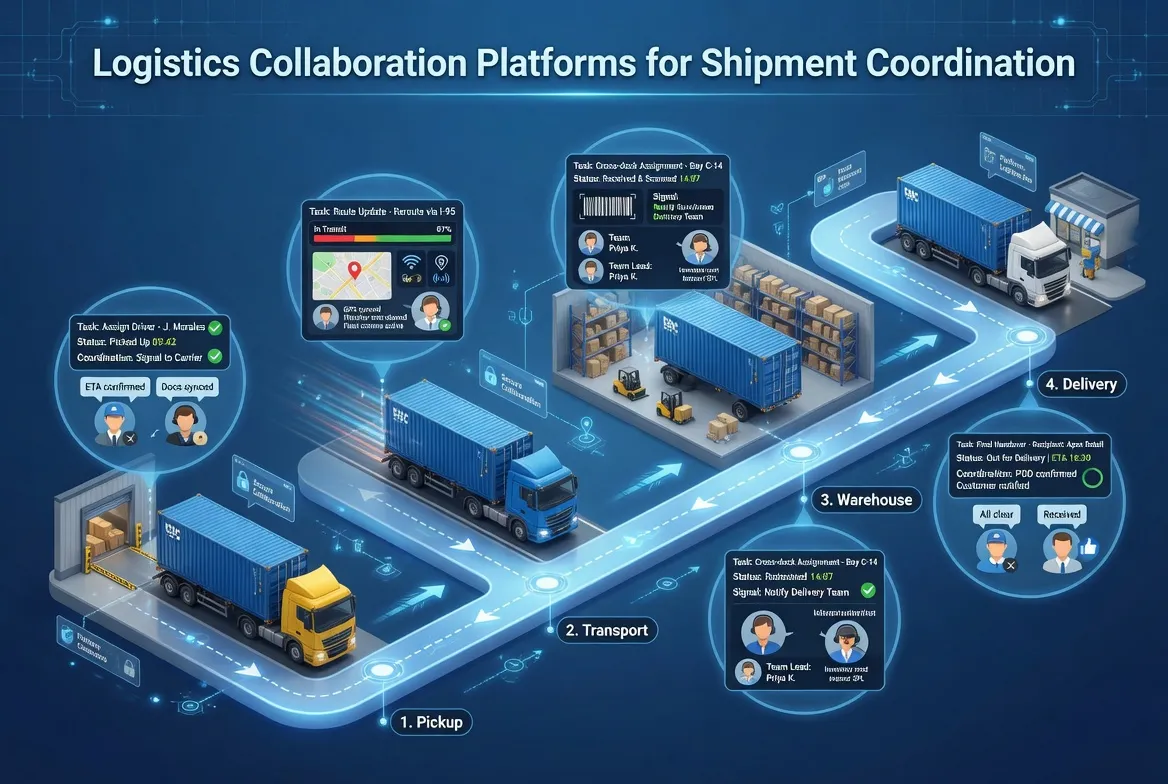
Logistics Collaboration Platforms for Shipment Coordination
Introduction
Global parcel logistics has become increasingly complex with the rapid growth of cross-border e-commerce and international distribution networks. Managing high volumes of parcels across multiple countries requires structured processes, strong system support, and coordinated operations. Adopting best practices is essential for improving efficiency, reducing costs, and maintaining service quality.
What is global parcel logistics?
Global parcel logistics refers to the end-to-end management of small-package shipments across international markets.
It typically includes:
Order processing and parcel creation
Warehouse handling (sorting, packing, labeling)
International transportation
Customs clearance
Last-mile delivery
Unlike bulk freight, parcel logistics focuses on high-volume, standardized shipments with strict delivery expectations.
Why managing global parcel logistics is challenging
Global parcel operations face several challenges:
High order volumes and operational pressure
Multiple transportation segments and partners
Diverse customs regulations across countries
Limited visibility across international shipments
Complex pricing and billing structures
Without proper management, these challenges can lead to delays, errors, and increased costs.
Best practices for managing global parcel logistics
1. Centralize order and shipment management
A unified system should manage all parcel orders across regions.
Best practice includes:
Supporting API integration with e-commerce platforms
Enabling bulk order import and automated order creation
Allowing multi-role collaboration (sales, operations, customer service)
This ensures consistency and reduces manual work.
2. Automate routing and carrier selection
Choosing the right carrier is critical for cost and delivery performance.
Leading practices include:
Configuring routing rules based on destination, weight, and service level
Automatically selecting optimal last-mile carriers
Supporting dynamic service allocation
Systems can automatically match orders with the most suitable delivery resources, improving efficiency.
3. Standardize warehouse and operation workflows
Efficient parcel handling depends on standardized operational processes.
Key practices:
Implement scanning and weighing procedures
Standardize sorting, bagging, and dispatch workflows
Integrate measurement hardware for accurate data capture
These processes ensure accuracy and consistency across operations.
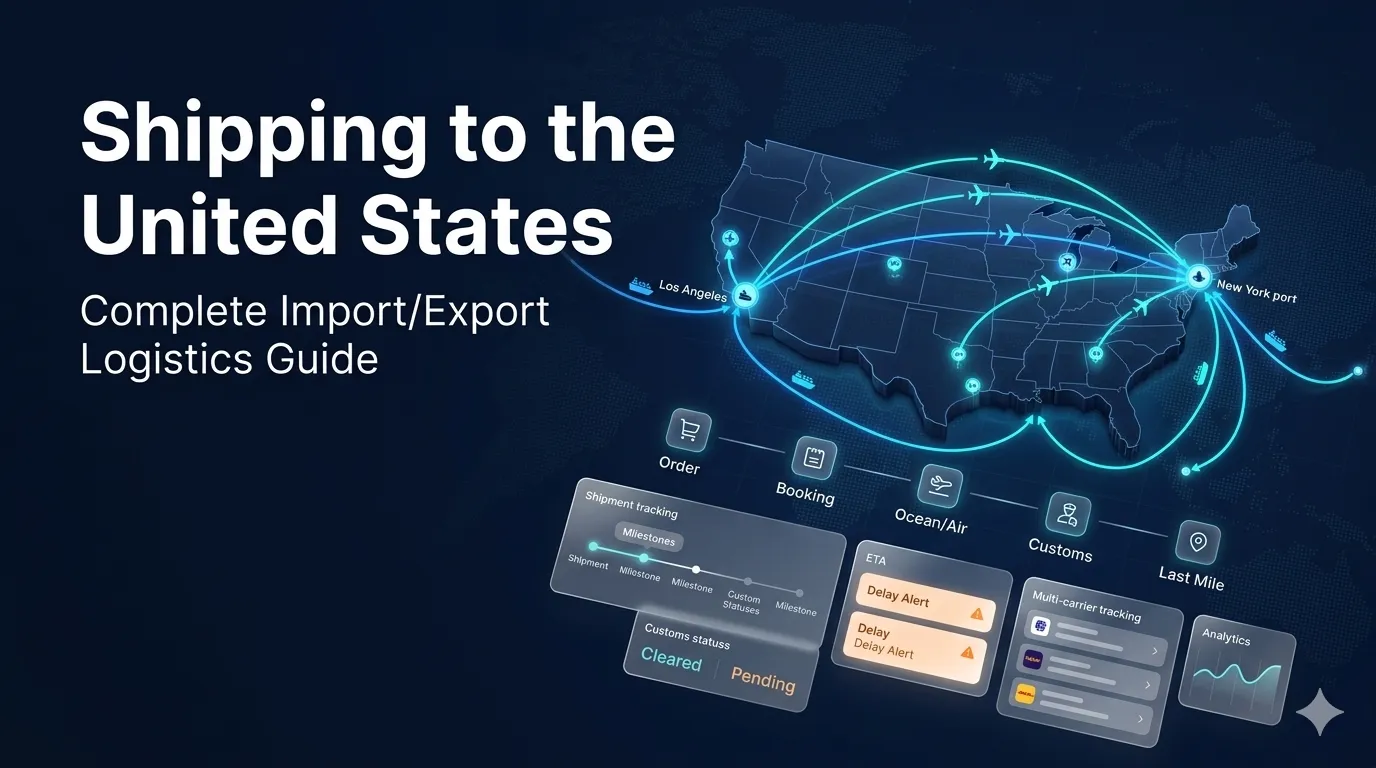
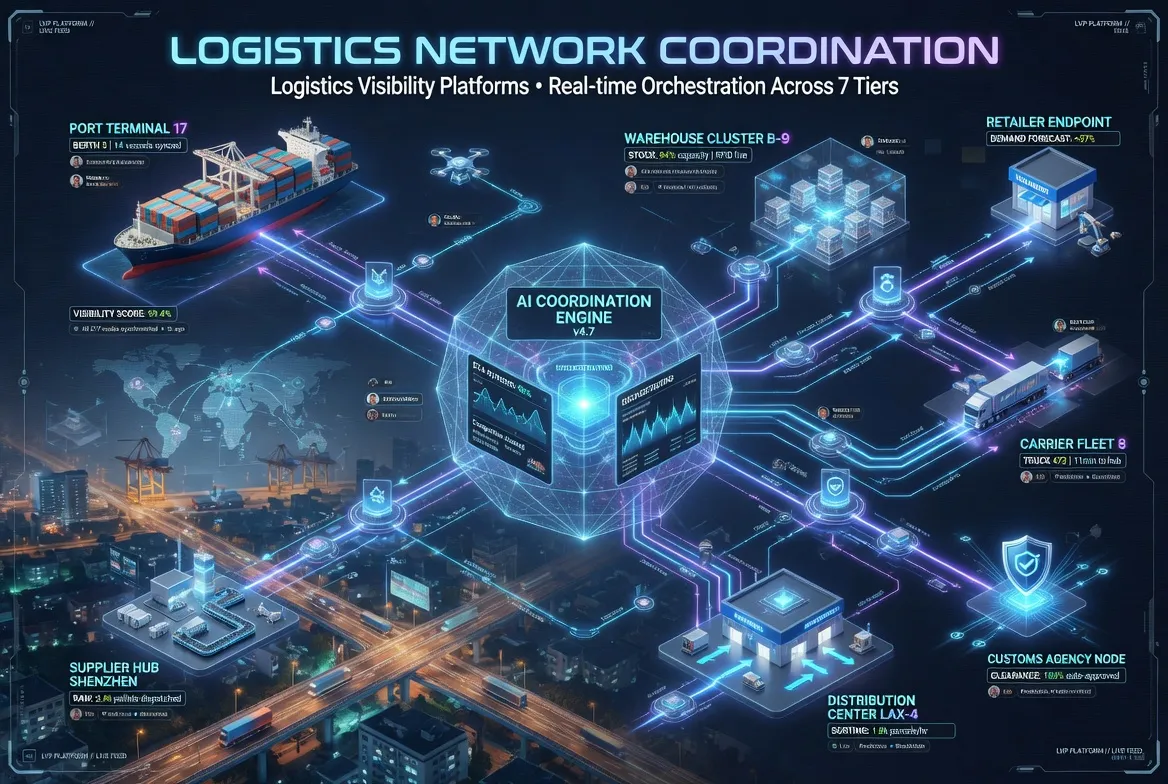
4. Enable end-to-end shipment visibility
Visibility is critical for both operators and customers.
Best practices include:
Integrating multi-source tracking data
Providing real-time tracking updates
Consolidating all shipment events into one view
Modern platforms can automatically capture tracking events and present a full shipment lifecycle in a single interface.
5. Integrate global carrier networks
Global parcel logistics requires access to diverse delivery networks.
Best practice:
Connect with multiple international and local carriers
Maintain flexible carrier configurations
Enable seamless switching between providers
For example, platforms integrating 150+ global carriers can support scalable international delivery operations.
6. Optimize pricing and cost control
Parcel logistics involves complex pricing structures.
Effective practices include:
Configuring flexible rate cards
Automating cost calculation based on weight, zones, and services
Monitoring cost per shipment in real time
This improves financial accuracy and profitability.
7. Implement financial and billing automation
Financial management should be tightly integrated with operations.
Best practices:
Automatically generate billing records per parcel
Manage accounts receivable and payable
Track profit at shipment or customer level
This ensures transparency and reduces reconciliation effort.
8. Strengthen exception and risk management
Delays and issues are inevitable in global logistics.
Best practices include:
Setting up automated alerts for delays or abnormal events
Defining escalation workflows
Assigning responsibility for issue resolution
This allows teams to respond quickly and minimize disruptions.
9. Enhance customer experience through transparency
Customer expectations are high in parcel logistics.
Best practices:
Provide self-service tracking portals
Offer proactive status updates
Enable easy access to shipment documents and billing information
Transparency improves customer satisfaction and trust.
Benefits of applying these best practices
Companies that adopt these practices can achieve:
Faster and more accurate parcel processing
Reduced operational costs
Improved delivery performance
Enhanced shipment visibility
Better customer experience
They also gain the ability to scale operations efficiently as volumes grow.
How modern logistics platforms support global parcel logistics
Modern logistics platforms enable these best practices through:
End-to-end workflow automation
Integration with e-commerce platforms and carriers
Real-time data synchronization and tracking
Unified operational and financial management
By centralizing global parcel logistics operations into one platform, companies can improve control, efficiency, and scalability.
Conclusion
Managing global parcel logistics requires a combination of structured processes, system capabilities, and operational discipline. By following best practices such as automation, integration, and visibility, companies can overcome complexity and deliver high-quality logistics services at scale.
As global e-commerce continues to grow, efficient parcel logistics management will remain a key driver of competitive advantage.
.webp "What Is a Shipment Visibility Platform?")