

Apr 16,2026
How Data Integration Improves Supply Chain Visibility
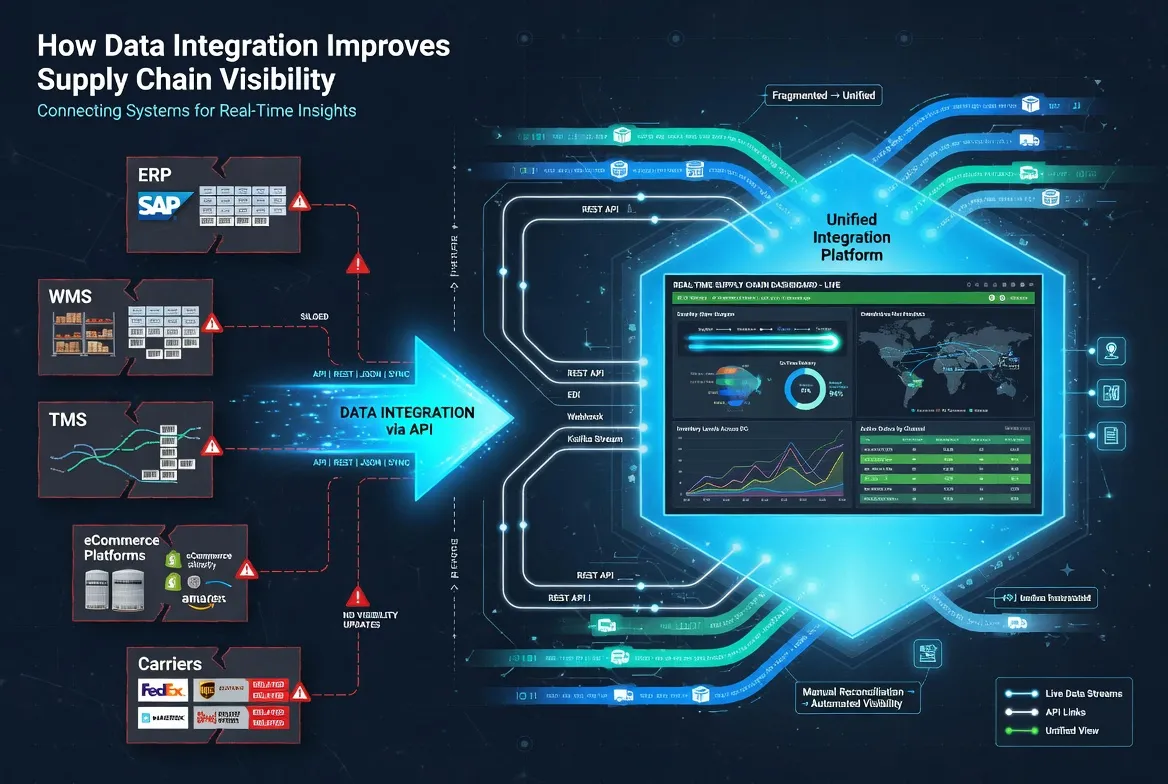
Shipment coordination platforms help logistics companies manage and synchronize shipment activities across multiple transportation stages and partners. By centralizing operational data and workflows, these platforms improve shipment visibility, coordination efficiency, and operational control in modern logistics networks.
Centralized Shipment Management
One of the core features of shipment coordination platforms is centralized shipment management. All shipment information—including cargo details, routes, partners, and operational milestones—is recorded within a single system.
This centralized structure allows logistics teams to access shipment records easily and ensures that different departments and partners work with the same operational data. It also reduces the need for manual communication and duplicate data entry.
Multi-Segment Transportation Coordination
International shipments often involve multiple transportation segments. A shipment may include trucking to a port, ocean transport, inland delivery, and final distribution.
Shipment coordination platforms allow logistics companies to manage these segments within one operational workflow. Each transportation stage can be recorded and monitored through a structured shipment timeline.
This capability helps logistics teams maintain better control over complex transportation chains.
Real-Time Shipment Tracking
Another important feature is real-time shipment tracking. Coordination platforms collect tracking events and operational updates from various sources such as carriers, warehouses, and logistics partners.
These updates are aggregated into a unified tracking view that allows users to monitor shipment progress across the entire logistics process.
Real-time tracking improves operational transparency and helps teams respond quickly to potential delays or disruptions.
Partner Collaboration and Data Sharing
Shipment coordination platforms also support collaboration between logistics partners. Freight forwarders, carriers, agents, and customers can access relevant shipment data based on their roles and permissions.
Partners can update shipment milestones, upload documents, or review operational progress within the same platform. This shared environment reduces communication delays and improves coordination between different stakeholders.
Exception Monitoring and Operational Alerts
Operational disruptions are common in international logistics. Shipment coordination platforms often include tools that monitor operational milestones and detect potential delays.
When a shipment event does not occur as expected, the system can generate alerts for relevant teams. Early notifications help logistics companies respond quickly and minimize operational risks.
Conclusion
Shipment coordination platforms provide essential tools for managing complex logistics operations. By centralizing shipment data, enabling real-time tracking, and supporting collaboration between logistics partners, these platforms help companies improve operational efficiency and shipment reliability.
If you want to learn more about shipment coordination and logistics management solutions, feel free to contact WallTech. Since 2011, WallTech has been dedicated to simplifying operational management for international logistics companies through software, helping businesses reduce costs and improve efficiency.
.webp "How Freight Forwarders Manage Container Operations Efficiently")
.webp "How Shipment Visibility Improve Logistics Operations")
.webp "Warehouse Management Best Practices")