
May 25,2026
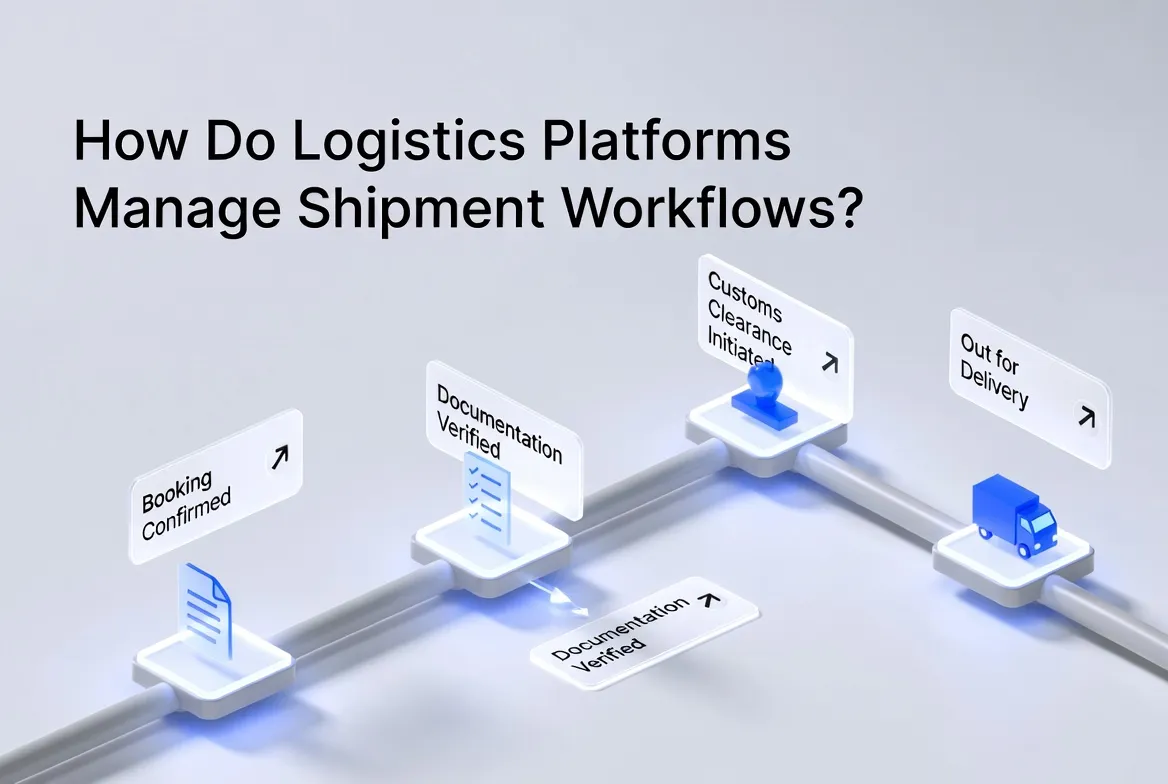
How Do Logistics Platforms Manage Shipment Workflows?
Introduction
Logistics data platforms for freight performance analytics are systems that collect, process, and analyze logistics data to measure and optimize freight operations, including transit times, cost efficiency, service reliability, and carrier performance. These platforms enable logistics companies to turn operational data into actionable insights, helping them improve performance and make data-driven decisions.
In today’s competitive logistics environment, freight forwarders, 3PL providers, and cross-border eCommerce logistics companies must continuously monitor performance across complex, multi-stage supply chains. Without a structured data platform, performance analytics becomes fragmented, delayed, and unreliable.
What is Logistics Data Platforms for Freight Performance Analytics
A logistics data platform for freight performance analytics is a centralized system that:
Aggregates shipment, operational, and financial data
Tracks key performance indicators (KPIs) across freight operations
Provides analytical tools for evaluating efficiency and performance
Enables continuous monitoring and optimization
It transforms raw logistics data into insights such as:
On-time delivery rates
Transit time variability
Cost per shipment or route
Carrier performance comparisons
Exception and delay analysis
These platforms serve as the analytical backbone for modern logistics operations.
Why Logistics Data Platforms Matter
1. Visibility into Operational Performance
Without structured analytics, logistics companies struggle to understand:
Where delays occur
Which routes are inefficient
Which partners underperform
A data platform provides clear, real-time performance insights.
2. Data-Driven Decision Making
Freight operations generate large volumes of data. Analytics platforms help:
Identify trends and patterns
Support strategic planning
Improve route and carrier selection
3. Cost Optimization
Freight costs are influenced by multiple factors. Analytics enables:
Identification of cost inefficiencies
Optimization of pricing strategies
Better negotiation with carriers
4. Improved Service Quality
By tracking performance metrics, companies can:
Improve delivery reliability
Reduce delays and exceptions
Enhance customer satisfaction
How Logistics Data Platforms Work
1. Data Collection
The platform gathers data from:
Shipment tracking systems
Carrier systems and APIs
Warehouse and transportation systems
Financial and billing systems
2. Data Standardization
Converts data into unified formats
Aligns shipment milestones and timelines
Eliminates inconsistencies across sources
3. Data Analysis
Calculates KPIs such as transit time, cost, and performance
Identifies trends and anomalies
Supports both real-time and historical analysis
4. Visualization and Reporting
Dashboards display performance metrics
Reports provide detailed breakdowns
Alerts highlight exceptions or delays
5. Workflow Integration
Insights trigger operational actions
Performance data feeds into planning and execution
Supports automated decision-making processes
Key Features / Key Capabilities
1. KPI Monitoring
On-time delivery rates
Transit time performance
Cost efficiency metrics
Exception rates
2. End-to-End Shipment Visibility
Milestone-based tracking across all transport stages
Unified timeline for shipments
Real-time status updates
3. Multi-Role Collaboration
Shared dashboards across departments
Alignment between operations, sales, and finance
Collaboration with external partners
4. Advanced Data Integration
API and EDI connectivity
Integration with ERP, WMS, and TMS systems
Continuous synchronization of operational data
5. Automation and AI
AI-based data recognition from documents
Automated KPI calculation
Automated alerts for delays and exceptions
6. Customizable Analytics and BI
Flexible dashboards and reporting tools
Multi-dimensional data analysis
Self-service analytics capabilities
Modern logistics platforms increasingly integrate BI capabilities to transform operational data into actionable insights and support management-level decision-making .
Benefits for Logistics Companies
1. Improved Operational Efficiency
Faster identification of inefficiencies
Reduced manual analysis
Streamlined performance monitoring
2. Better Carrier Management
Compare carrier performance objectively
Select optimal partners
Improve service agreements
3. Enhanced Profitability
Identify high-cost operations
Optimize pricing and cost structures
Improve margin control
4. Increased Transparency
Clear visibility into freight performance
Better communication with customers
Data-backed reporting
5. Scalability and Growth
Handle increasing shipment volumes
Maintain performance standards across regions
Support global expansion
Best Practices / Use Cases
1. Carrier Performance Evaluation
Track on-time delivery rates by carrier
Compare transit times across routes
Optimize carrier selection
2. Route Optimization
Analyze transit time variability
Identify delays at specific nodes
Improve routing strategies
3. Cost Analysis and Control
Monitor cost per shipment
Identify cost drivers
Optimize pricing models
4. Exception Management
Detect delays and disruptions early
Trigger automated alerts
Enable proactive issue resolution
5. Cross-Department Performance Alignment
Share insights between operations, sales, and finance
Align KPIs across teams
Improve overall organizational efficiency
Conclusion
Logistics data platforms for freight performance analytics are essential tools for modern logistics companies seeking to optimize operations, reduce costs, and improve service quality. By transforming raw data into actionable insights, these platforms enable companies to continuously monitor and enhance freight performance in an increasingly complex global supply chain environment.
Frequently Asked Questions
What is freight performance analytics in logistics?
Freight performance analytics refers to the process of analyzing logistics data to measure and improve key performance indicators such as transit time, cost efficiency, and delivery reliability.
How do logistics data platforms support freight analytics?
They collect and standardize data from multiple sources, calculate performance metrics, and provide dashboards and reports for real-time and historical analysis.
Why is freight performance analytics important?
It helps logistics companies identify inefficiencies, optimize operations, reduce costs, and improve service quality.
What metrics are used in freight performance analytics?
Common metrics include on-time delivery rate, transit time, cost per shipment, exception rate, and carrier performance.
Who benefits from freight performance analytics platforms?
Freight forwarders, 3PL providers, and cross-border logistics companies benefit most, especially those managing complex and high-volume operations.
About WallTech
WallTech is a digital logistics solution provider focused on helping logistics companies improve operational efficiency through integrated SaaS platforms. Its systems support end-to-end logistics collaboration, enabling seamless coordination across multiple roles and partners. With capabilities such as real-time shipment visibility, milestone-based tracking, and workflow and financial automation, WallTech empowers logistics enterprises to gain deeper operational insights and scale their business effectively.
If you're exploring ways to improve your logistics operations, feel free to connect with us to learn more about our solutions and system capabilities.