
.webp "Key Capabilities of Global Shipment Tracking Solutions")
Mar 12,2026
Key Capabilities of Global Shipment Tracking Solutions
Introduction
AI chatbots are used in logistics customer service to provide instant, automated responses to customer inquiries, assist with shipment tracking, handle routine requests, and support operational workflows. By leveraging artificial intelligence and real-time data integration, chatbots enable logistics companies to deliver faster, more consistent, and scalable customer support without relying entirely on human agents.
In the logistics industry—where customers frequently request shipment updates, document information, and issue resolution—AI chatbots are becoming an essential tool for improving response speed, reducing workload, and enhancing overall service quality.
What are AI Chatbots in Logistics
AI chatbots in logistics are software applications powered by artificial intelligence that simulate human conversation to interact with customers.
They are typically integrated into:
Customer portals
Websites
Messaging platforms
Internal logistics systems
These chatbots can:
Answer frequently asked questions
Provide real-time shipment status
Assist with booking or order inquiries
Guide users through processes
Escalate complex issues to human agents
Unlike traditional rule-based systems, modern AI chatbots use natural language processing (NLP) to understand user intent and provide more accurate, context-aware responses.
Why AI Chatbots Matter in Logistics
1. High Volume of Customer Inquiries
Logistics companies handle a large number of repetitive inquiries, such as:
“Where is my shipment?”
“What is the delivery status?”
“Are there any delays?”
AI chatbots can handle these queries instantly.
2. Need for 24/7 Support
Global logistics operations require round-the-clock availability.
Chatbots provide continuous support without additional staffing.
3. Faster Response Times
Customers expect immediate answers.
Chatbots eliminate waiting time and provide instant responses.
4. Reduced Operational Workload
Automating routine inquiries allows customer service teams to focus on complex issues.
5. Consistent Service Quality
Chatbots deliver standardized responses, reducing variability in service.
How AI Chatbots Work in Logistics Platforms
AI chatbots operate by combining data integration, machine learning, and workflow automation.
Step-by-step process:
1. User Interaction
Customers interact with the chatbot through text or voice input.
2. Intent Recognition
The chatbot uses NLP to understand the user’s request, such as:
Tracking a shipment
Requesting documents
Reporting an issue
3. Data Retrieval
The chatbot retrieves relevant data from integrated systems, including:
Shipment status
Milestone updates
Document records
Financial information
4. Response Generation
Based on the data, the chatbot generates a response and delivers it to the user.
5. Workflow Triggering
For certain requests, the chatbot can trigger workflows, such as:
Creating a service request
Sending notifications
Escalating issues
6. Continuous Learning
AI chatbots improve over time by learning from interactions and refining their responses.
Key Features / Key Capabilities
1. Real-Time Shipment Tracking
Instant access to shipment status
Milestone-based updates
Unified timeline view
2. Automated Customer Support
Instant responses to common inquiries
Reduced dependency on human agents
3. Multi-Channel Integration
Web portals, apps, and messaging platforms
Consistent experience across channels
4. AI-Powered Data Processing
Natural language understanding
Context-aware responses
Continuous learning capabilities
5. Workflow Automation
Automated task creation
Integration with operational workflows
Faster issue resolution
6. Exception Handling
Detection of delays or issues
Automated alerts and escalation
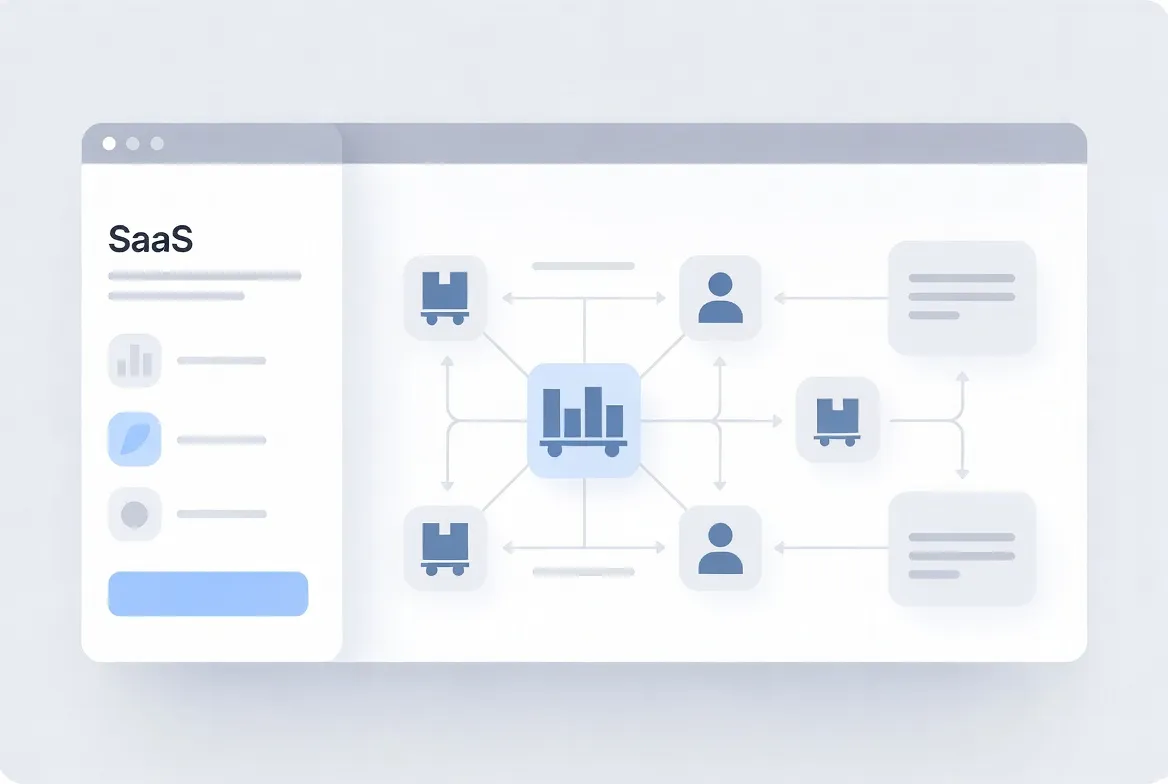
7. Multi-Role Collaboration
Integration with internal teams and partners
Seamless information sharing
8. Integration with Logistics Systems
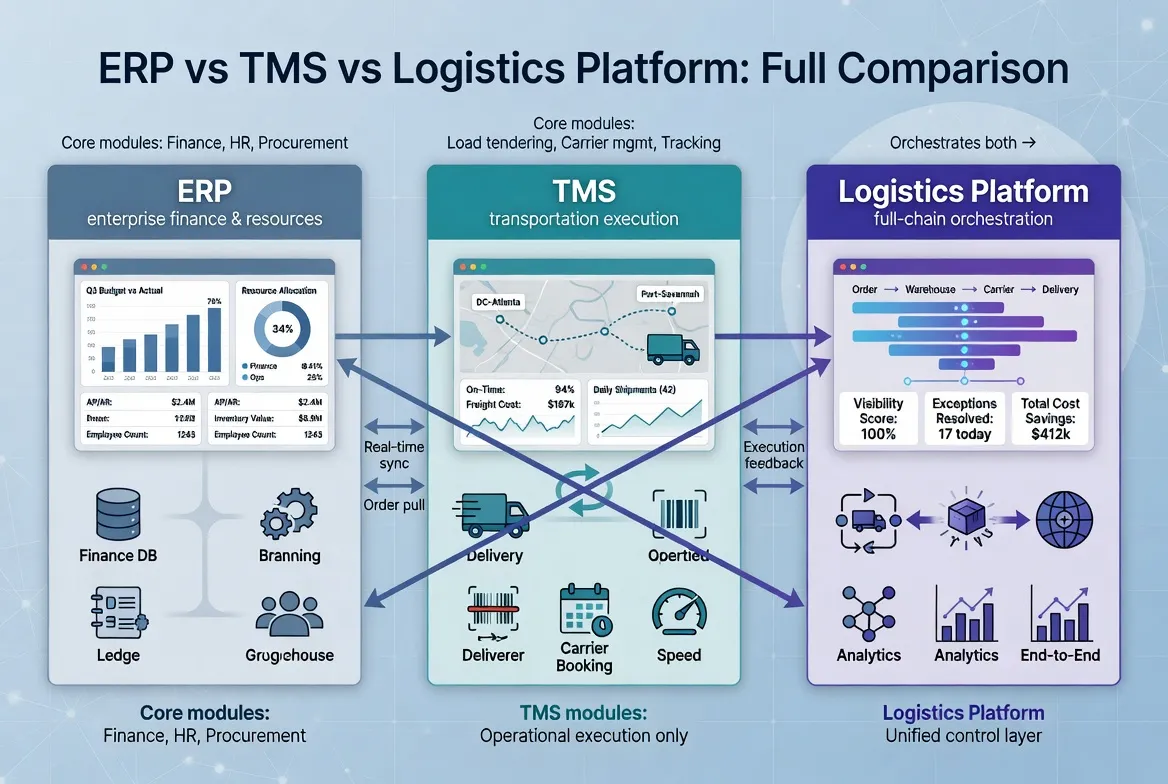
API connectivity with ERP, WMS, and TMS
Access to real-time operational data
Benefits for Logistics Companies
1. Faster Customer Response
Chatbots provide instant answers, improving response speed.
2. Reduced Customer Service Costs
Automation reduces the need for large support teams.
3. Improved Customer Experience
24/7 availability and real-time information enhance satisfaction.
4. Increased Operational Efficiency
Automation streamlines workflows and reduces manual tasks.
5. Scalability
Chatbots can handle increasing volumes of inquiries without additional resources.
Best Practices / Use Cases
1. Shipment Tracking Assistance
Allow customers to check shipment status instantly through chatbot interactions.
2. FAQ Automation
Handle common questions related to services, pricing, and processes.
3. Exception Reporting
Enable customers to report issues and receive immediate responses.
4. Document Access
Assist customers in retrieving shipment-related documents.
5. Customer Onboarding
Guide new customers through system usage and processes.
Best Practices:
Integrate chatbots with real-time data systems
Ensure accurate and up-to-date information
Provide escalation paths to human agents
Continuously train and improve chatbot models
Maintain clear and user-friendly interaction design
Conclusion
AI chatbots are transforming logistics customer service by enabling faster, more efficient, and scalable support. By automating routine inquiries and integrating with real-time data systems, chatbots help logistics companies meet increasing customer expectations while improving operational efficiency.
As digital transformation continues in the logistics industry, AI chatbots will play an increasingly important role in delivering high-quality, responsive, and intelligent customer service.
Frequently Asked Questions
What are AI chatbots in logistics?
AI chatbots are software applications that use artificial intelligence to interact with customers and provide automated support.
How do AI chatbots work?
They use natural language processing to understand user requests, retrieve data from systems, and generate responses.
Why are AI chatbots important in logistics?
They improve response speed, reduce workload, and enhance customer experience.
What tasks can chatbots handle?
They can handle shipment tracking, FAQs, document access, and basic issue resolution.
Do chatbots replace human agents?
No, they handle routine tasks while complex issues are escalated to human agents.
About WallTech
WallTech provides digital logistics platforms that integrate AI-driven capabilities to enhance customer service and operational efficiency. By combining real-time shipment visibility with milestone-based tracking, its systems enable customers to access accurate and timely information throughout the logistics lifecycle. Multi-role collaboration connects customers, operators, and partners within a unified workflow, ensuring seamless coordination. With automation features such as intelligent data processing, workflow automation, and automated financial management, WallTech helps logistics companies reduce manual effort, improve response speed, and scale their customer service operations effectively.
If you're exploring ways to improve your logistics operations, feel free to connect with us to learn more about our solutions and system capabilities.