Apr 01,2026
Where is Everyone? A Special Day at WallTech
Key Features of Integrated Logistics Systems
Introduction
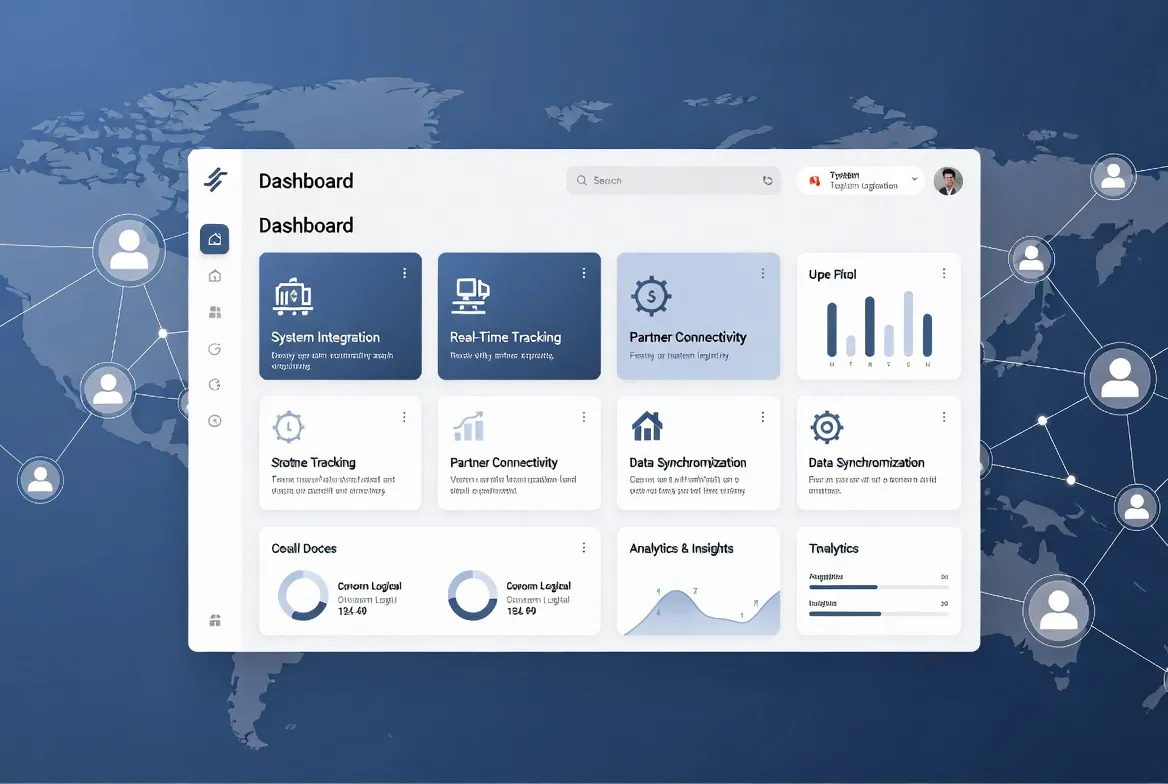
Integrated logistics systems are designed to connect multiple logistics functions—such as order management, transportation, warehousing, tracking, and finance—into a single unified platform. The key features of these systems include real-time data synchronization, end-to-end visibility, multi-role collaboration, workflow automation, and centralized data management.
These features are essential because modern logistics operations involve multiple stakeholders and systems. Without integration, companies face fragmented workflows, inconsistent data, and limited visibility. Integrated logistics systems address these challenges by creating a connected, efficient, and scalable operational environment.
What Are Integrated Logistics Systems
Integrated logistics systems are digital platforms that unify various logistics processes and systems into one cohesive solution.
They typically combine:
Freight forwarding operations
Warehouse management
Transportation coordination
Financial and billing processes
Document management
External system integrations (ERP, e-commerce, carriers)
Instead of using separate tools for each function, logistics companies can manage all operations within a single system, supported by shared data and automated workflows.
Why Integrated Logistics Systems Matter
1. Reduces System Fragmentation
Multiple disconnected systems create inefficiencies. Integration ensures all functions operate within a unified environment.
2. Improves Data Accuracy
With centralized data, there is less duplication and fewer inconsistencies across departments.
3. Enhances Operational Efficiency
Automation and streamlined workflows reduce manual work and accelerate processing times.
4. Enables Real-Time Visibility
Integrated systems provide a complete view of shipment progress across all transport modes.
5. Supports Business Growth
Scalable systems allow logistics companies to handle increasing volumes and complexity.
How Integrated Logistics Systems Work
1. Unified Data Platform
All operational and financial data is stored in a centralized database, ensuring consistency and accessibility.
2. System Integration Layer
APIs and connectors link the platform with external systems such as ERP, WMS, and carrier systems.
3. Workflow Engine
Predefined SOPs (Standard Operating Procedures) automate processes such as order handling, task assignment, and exception management.
4. Real-Time Data Synchronization
Updates from any system are automatically reflected across the platform, ensuring all users access the latest information.
5. Automation and AI Capabilities
Modern systems incorporate:
AI data recognition for extracting shipment and document data
Automated billing and reconciliation
Intelligent alerts and exception handling
These technologies enhance efficiency and reduce manual workload.
Key Features of Integrated Logistics Systems
1. End-to-End Shipment Visibility
Integrated systems provide a unified timeline of shipment milestones across ocean, air, land, and express.
Real-time tracking updates
Milestone-based monitoring
Exception alerts
2. Multi-Role Collaboration
Different teams work within the same system:
Sales
Operations
Documentation
Finance
This ensures seamless coordination and reduces communication gaps.
3. Centralized Data Management
All data—orders, shipments, documents, and financial records—is stored in one place, providing a single source of truth.
4. Workflow Automation
Automation is a core feature, including:
Task assignment based on workflow rules
Automated notifications and alerts
Exception handling processes
5. Document Management
Centralized storage of shipping documents
Automated document generation
Easy sharing across teams and partners
6. Financial Integration
Integrated systems connect operations with finance:
Automated invoicing
Cost allocation and profit tracking
Reconciliation processes
7. API and External System Integration
Integration with ERP systems
Connectivity with e-commerce platforms
Carrier and tracking system integration
8. AI and Data Processing Capabilities
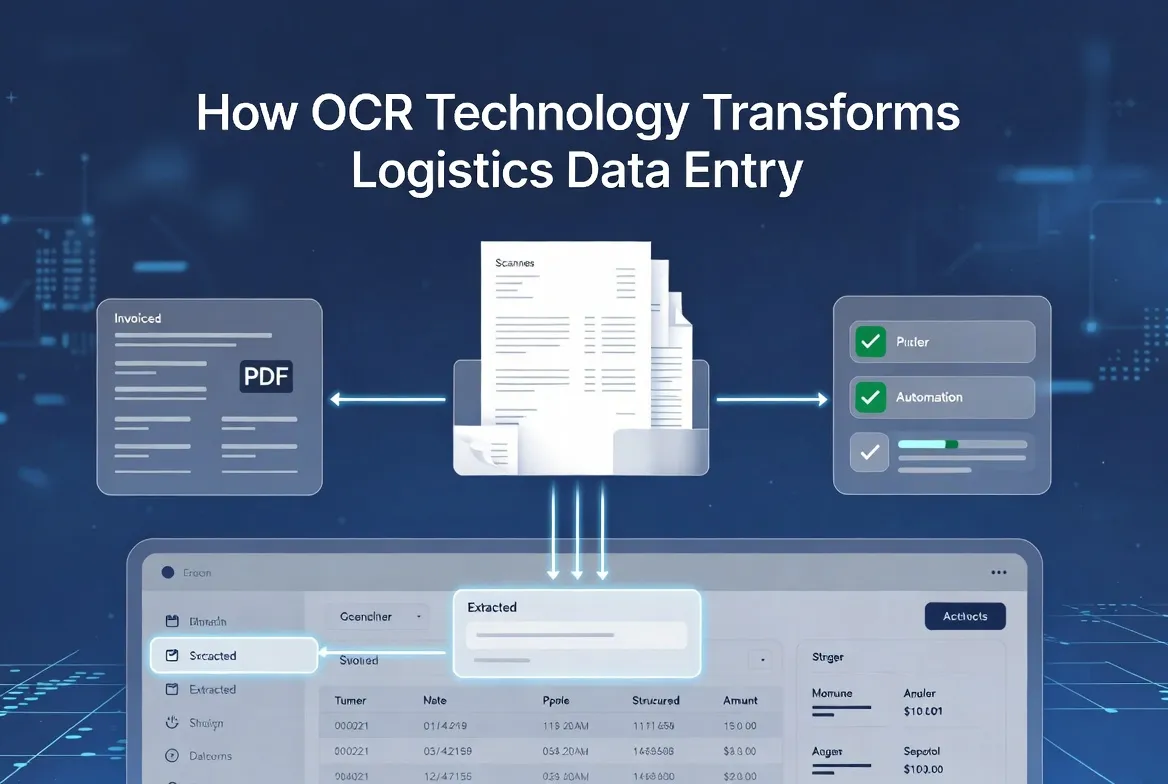
AI-based data extraction from documents
Intelligent data validation
Automated data entry and updates
Benefits for Logistics Companies
1. Higher Operational Efficiency
Integrated workflows reduce manual tasks and improve processing speed.
2. Reduced Errors
Centralized data and automation minimize inconsistencies and manual mistakes.
3. Improved Customer Experience
Customers benefit from real-time tracking and accurate information.
4. Better Financial Control
Integrated financial data enables accurate cost tracking and profitability analysis.
5. Enhanced Collaboration
Teams and partners can work together seamlessly within a shared system.
Best Practices / Use Cases
1. Implementing End-to-End Visibility
Use integrated systems to track shipments across all transport modes with a unified timeline.
2. Automating Financial Processes
Link operational data with financial workflows to automate billing and reconciliation.
3. Enabling Cross-Department Collaboration
Ensure all teams work within the same platform to reduce communication delays.
4. Integrating External Systems
Connect ERP, WMS, and carrier systems to centralize data and streamline operations.
5. Leveraging AI for Data Processing
Use AI to automate data entry and improve accuracy in document handling.
Conclusion
Integrated logistics systems provide the foundation for efficient, scalable, and transparent logistics operations. By combining multiple functions into a single platform, they eliminate data silos, streamline workflows, and enhance collaboration across the supply chain.
As logistics operations continue to grow in complexity, adopting integrated systems with advanced features such as automation, real-time visibility, and AI capabilities will be essential for maintaining competitiveness and operational excellence.
Frequently Asked Questions
What are integrated logistics systems?
They are platforms that combine multiple logistics functions into a single system with unified data and workflows.
What are the key features of integrated logistics systems?
Key features include real-time visibility, multi-role collaboration, workflow automation, centralized data management, and system integration.
Why are integrated logistics systems important?
They improve efficiency, reduce errors, and provide better visibility and collaboration across logistics operations.
How do integrated logistics systems work?
They use APIs, centralized data platforms, and automation to connect systems and streamline workflows.
What are the benefits of using integrated logistics systems?
Improved operational efficiency, better data accuracy, enhanced customer experience, and scalable operations.
About WallTech
WallTech provides digital logistics solutions that integrate multiple logistics functions into a unified platform. Its systems support end-to-end collaboration across sales, operations, documentation, and finance, enabling seamless coordination within complex supply chain environments. With real-time shipment visibility based on milestone tracking, companies can monitor their logistics operations with full transparency. The platform also includes automation capabilities such as AI-driven data recognition, workflow automation, and automated billing and reconciliation, helping logistics businesses improve efficiency, reduce errors, and scale their operations effectively.
If you're exploring ways to improve your logistics operations, feel free to connect with us to learn more about our solutions and system capabilities.