Mar 27,2026
How AI Chatbots Improve Logistics Customer Service
Introduction
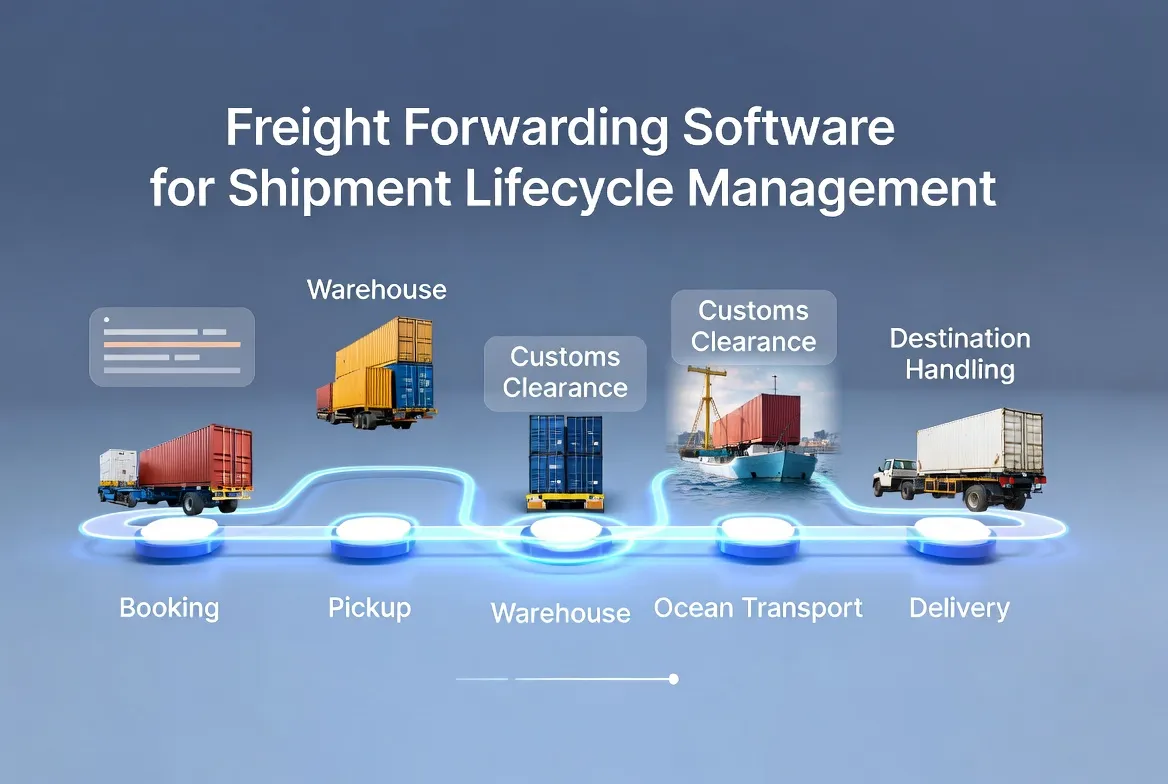
A Freight Forwarding Management System (FFMS) is a digital platform that enables freight forwarders to manage the full lifecycle of shipments—from booking and documentation to tracking, billing, and final delivery—within a unified system. It replaces fragmented tools such as spreadsheets, emails, and standalone software with an integrated operational environment.
In modern logistics, where shipments involve multiple parties, modes, and documents, an FFMS provides the structure, visibility, and automation required to operate efficiently and scale globally.
What is a Freight Forwarding Management System
A Freight Forwarding Management System is specialized logistics software designed to support freight forwarders, 3PL providers, and logistics operators in managing international shipments.
It acts as the operational backbone of freight forwarding companies by centralizing:
Shipment creation and management
Documentation handling (e.g., BL, invoices, packing lists)
Partner collaboration (carriers, agents, customs brokers)
Financial processes (costs, revenue, billing)
Shipment tracking and status updates
Unlike generic ERP systems, an FFMS is built specifically for the complexities of global logistics, including multi-modal transport, cross-border compliance, and multi-party coordination.
Why a Freight Forwarding Management System Matters
Freight forwarding operations are inherently complex and fragmented. Without a centralized system, companies often face:
Disconnected communication across teams and partners
Manual data entry and duplicated work
Limited visibility into shipment status
Delayed or inaccurate billing
Difficulty tracking profitability
A Freight Forwarding Management System addresses these challenges by:
Providing a single source of truth for all shipment data
Enabling real-time collaboration across departments and external partners
Automating repetitive workflows and financial processes
Delivering end-to-end shipment visibility
As global trade grows more dynamic, digital systems are no longer optional—they are essential for maintaining operational control and competitiveness.
How a Freight Forwarding Management System Works
An FFMS manages the shipment lifecycle through a structured and connected workflow:
1. Order Creation
Shipments are created manually, in batches, or via API integration with upstream systems such as eCommerce platforms or ERP systems.
2. Operational Coordination
Different roles—sales, operations, documentation, and finance—work within the same system. Each role accesses relevant data and updates tasks in real time.
3. Documentation Management
Shipping documents are generated, stored, and shared within the system. AI-based data recognition can extract key information from documents to reduce manual input.
4. Milestone Tracking
Each shipment follows predefined milestones (e.g., booking confirmed, cargo loaded, departed, arrived). These milestones form a unified timeline for tracking progress.
5. Financial Processing
Costs and revenues are recorded at the shipment level. The system supports automated billing, invoice generation, and reconciliation.
6. Visibility and Monitoring
Real-time tracking updates provide full visibility across the shipment lifecycle, enabling proactive issue management.
Key Features of a Freight Forwarding Management System
A modern FFMS typically includes the following capabilities:
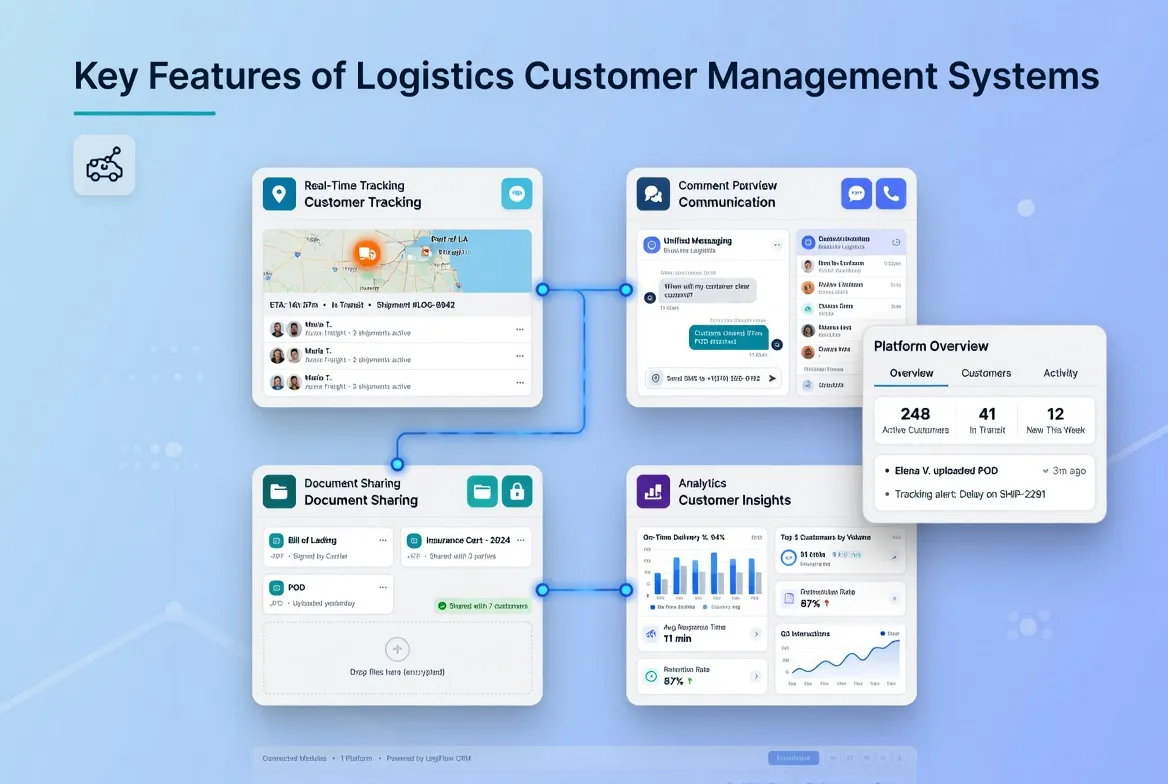
1. Multi-Role Collaboration
Connects sales, operations, documentation, and finance teams
Enables seamless coordination across internal departments and external partners
Supports upstream and downstream data exchange
2. End-to-End Shipment Visibility
Milestone-based tracking across the entire shipment lifecycle
Unified timeline for all shipment activities
Real-time updates and exception alerts
3. Workflow Automation
Automated task assignment and process triggers
Reduced manual intervention in repetitive operations
Standardized workflows for consistency
4. Document Management and AI Recognition
Centralized document storage and sharing
AI-powered OCR for extracting data from shipping documents
Reduced manual data entry errors
5. Financial Automation
Automated billing and invoicing
Real-time cost and revenue tracking
Automated reconciliation between payables and receivables
6. Integration Capabilities
API connectivity with external systems (ERP, WMS, eCommerce platforms)
EDI support for carrier and partner communication
Benefits for Logistics Companies
Implementing a Freight Forwarding Management System delivers measurable operational and strategic benefits:
Improved efficiency: Automation reduces manual work and accelerates processes
Enhanced visibility: Real-time tracking enables better control and decision-making
Stronger collaboration: Teams and partners operate within a unified system
Better financial control: Accurate cost and revenue tracking improves profitability analysis
Scalability: Standardized workflows support business growth without proportional increases in workload
For freight forwarders handling increasing shipment volumes and global operations, these benefits are critical for sustainable growth.
Best Practices / Use Cases
1. Standardizing Multi-Branch Operations
Global freight forwarders can use an FFMS to unify operations across multiple offices, ensuring consistent workflows and data sharing.
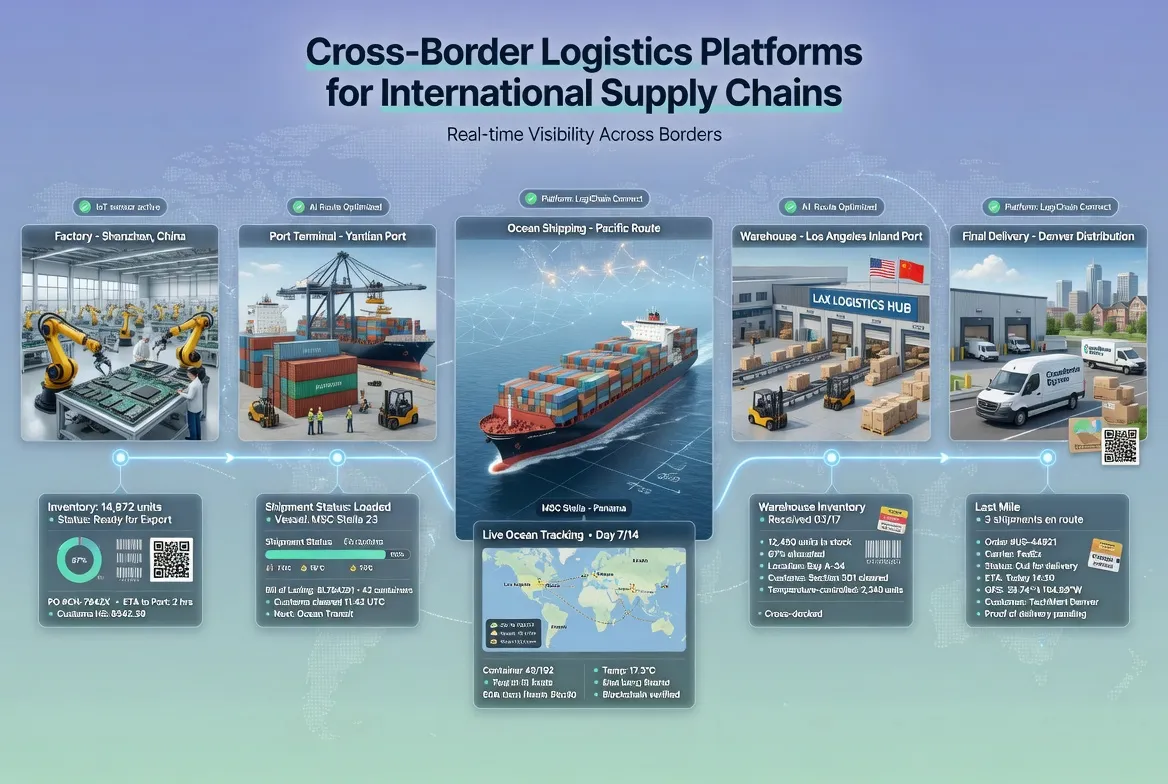
2. Managing Cross-Border Shipments
The system supports complex international shipments by integrating documentation, customs processes, and partner coordination.
3. Improving Customer Transparency
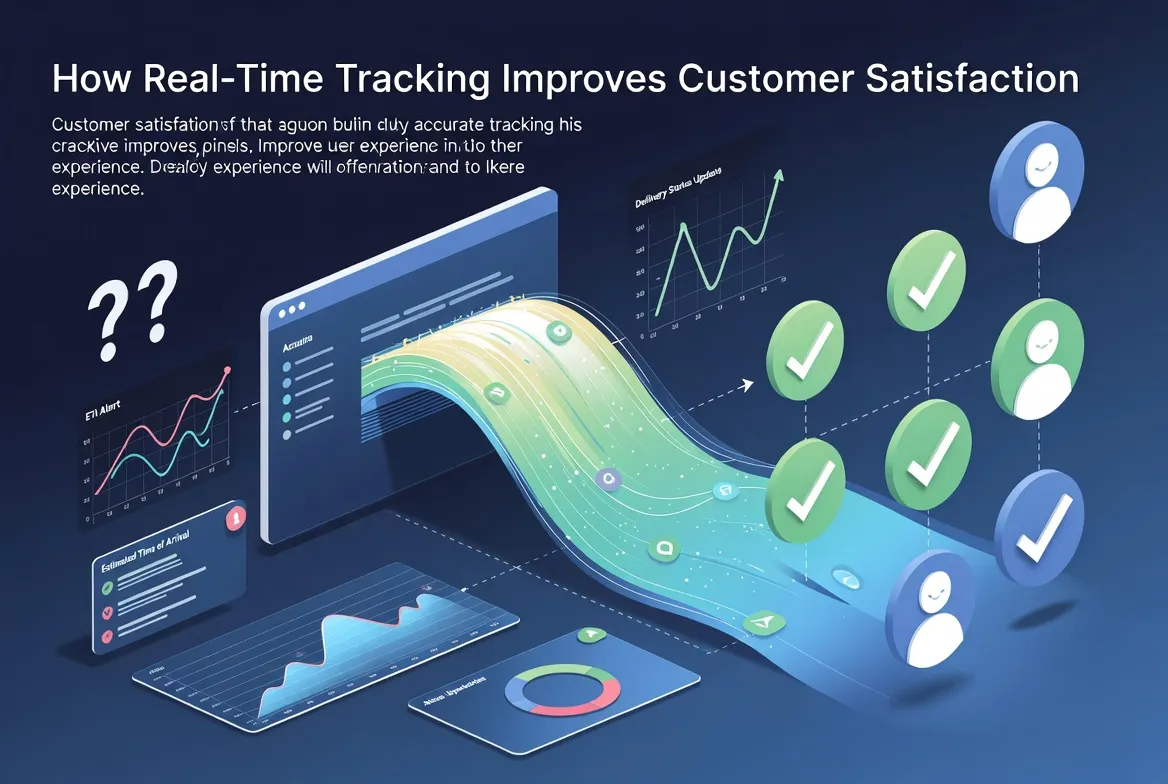
Customer portals and tracking features allow clients to view shipment status in real time, improving service experience.
4. Automating Financial Workflows
Automated billing and reconciliation reduce errors and accelerate financial cycles.
5. Handling High Shipment Volumes
Workflow automation and centralized data management enable companies to scale operations efficiently without increasing operational complexity.
Conclusion
A Freight Forwarding Management System is a critical digital foundation for modern logistics companies. By centralizing operations, enabling real-time collaboration, and automating key workflows, it transforms how freight forwarders manage shipments and scale their business.
As logistics networks become more global and data-driven, adopting a robust FFMS is essential for maintaining efficiency, visibility, and competitive advantage.
Frequently Asked Questions
What is a freight forwarding management system in logistics?
A freight forwarding management system is software that helps logistics companies manage shipments, documentation, collaboration, and financial processes in one unified platform.
How does a freight forwarding system work?
It manages the shipment lifecycle from order creation to delivery, integrating operations, tracking milestones, automating workflows, and handling financial transactions within a single system.
Why is a freight forwarding management system important?
It reduces manual work, improves visibility, enhances collaboration, and ensures accurate financial management, all of which are essential for efficient logistics operations.
What are the key features of a freight forwarding system?
Key features include shipment tracking, multi-role collaboration, workflow automation, document management, financial automation, and system integration.
About WallTech
WallTech provides digital logistics solutions designed to support freight forwarders and logistics companies in managing complex global operations. Its systems enable end-to-end collaboration across multiple roles and partners, real-time shipment visibility through milestone-based tracking, and automation of workflows and financial processes such as billing and reconciliation. By integrating operational and financial data into a unified platform, WallTech helps logistics businesses improve efficiency, enhance transparency, and scale sustainably in a competitive market.
If you're exploring ways to improve your logistics operations, feel free to connect with us to learn more about our solutions and system capabilities.