


.webp "Best Practices for Managing Freight Operations Management")
Mar 11,2026
Best Practices for Managing Freight Operations Management
Introduction
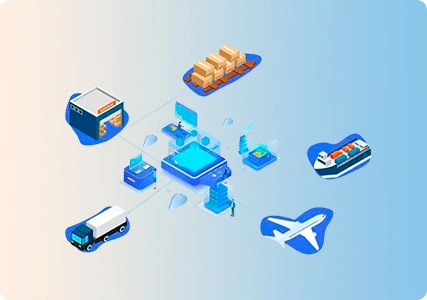
Cross-border logistics platforms for global freight monitoring are digital systems that enable logistics companies to continuously track, analyze, and manage freight movements across international routes in real time. These platforms provide centralized visibility into shipment status, location, and performance by integrating data from multiple carriers, transport modes, and logistics partners.
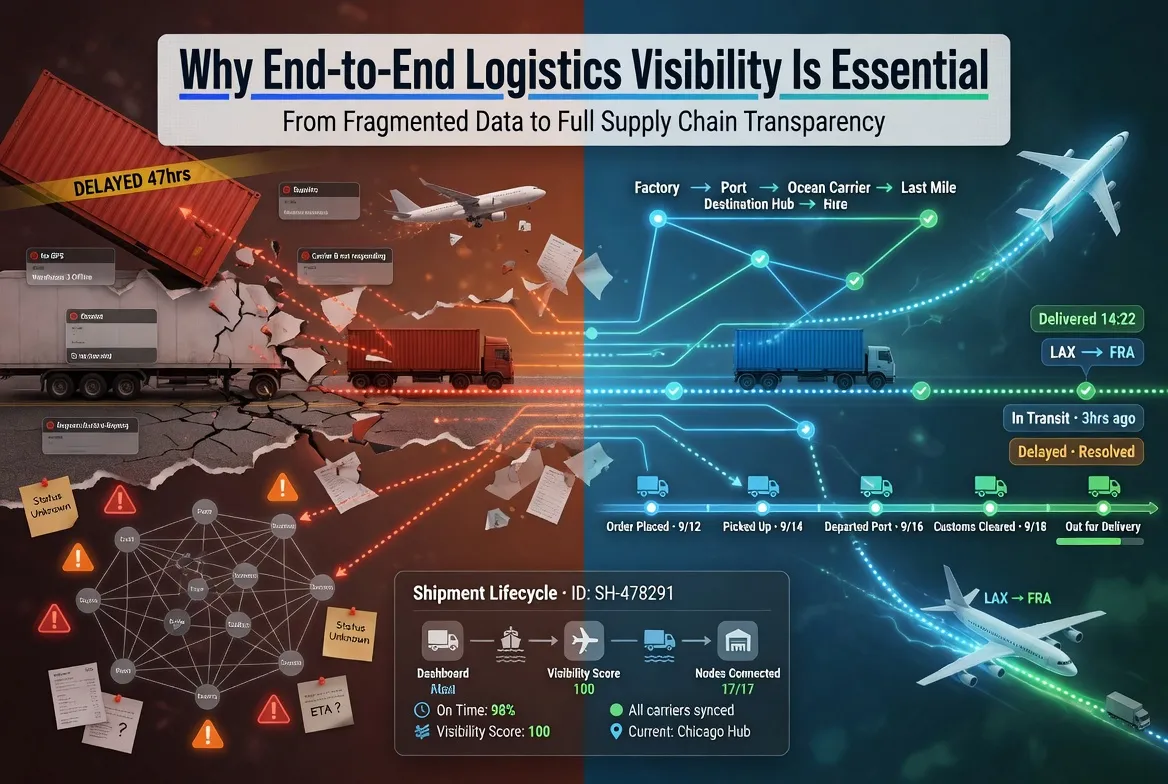
In global freight operations, monitoring is often fragmented across different systems and regions. This leads to delayed updates, operational blind spots, and reactive decision-making. Cross-border logistics platforms solve this by offering a unified monitoring environment that supports real-time tracking, automated alerts, and proactive management of international freight.
What is Cross-Border Logistics Platforms for Global Freight Monitoring
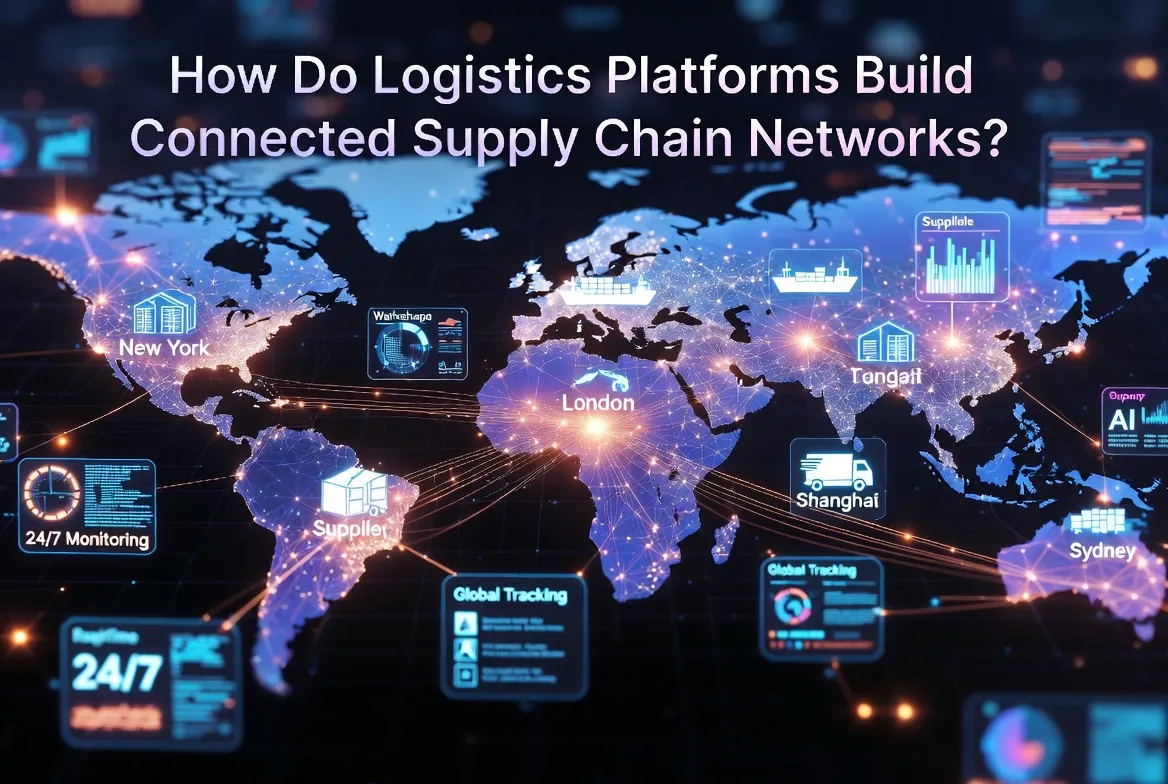
A cross-border logistics platform for global freight monitoring is a centralized system that collects, processes, and displays real-time shipment data across international logistics networks.
It typically includes:
Real-time tracking across multiple transport modes
Milestone-based shipment monitoring
Integration with carriers, ports, and customs systems
Exception detection and alerting
Performance analytics and reporting
These platforms enable logistics companies to monitor freight globally through a single interface, eliminating the need to rely on multiple disconnected tracking tools.
Why Cross-Border Logistics Platforms Matter
Global freight monitoring is challenging due to:
Fragmented data sources: Different carriers and systems provide separate tracking data
Lack of real-time updates: Delays in status information reduce responsiveness
Limited end-to-end visibility: Monitoring often stops at individual transport segments
Manual tracking processes: Time-consuming and error-prone
Operational risks: Delays, disruptions, and compliance issues are harder to detect
These challenges can result in missed deadlines, increased costs, and poor service quality.
Cross-border logistics platforms are critical because they:
Provide real-time global visibility of freight
Enable proactive monitoring and issue resolution
Reduce manual workload
Improve operational efficiency and control
Enhance customer transparency
How Cross-Border Logistics Platforms Work
These platforms monitor global freight by integrating tracking data and automating updates.
1. Multi-Source Data Collection
The platform gathers data from various sources:
Ocean carriers and airlines
Trucking and rail providers
Ports and terminals
Customs systems
Warehouse operations
All data is consolidated into a centralized system.
2. Unified Shipment Monitoring Dashboard
Shipments are displayed in a centralized dashboard showing:
Current location
Status updates
Estimated arrival times
Key milestones
This provides a comprehensive overview of all active shipments.
3. Milestone-Based Monitoring
Each shipment is tracked through predefined milestones:
Pickup
Departure
Transit checkpoints
Arrival
Customs clearance
Final delivery
These milestones form a structured monitoring framework.
4. Real-Time Updates and Synchronization
The platform continuously updates shipment data, ensuring:
Accurate and timely information
Consistent visibility across regions
Immediate awareness of changes
5. Automated Alerts and Exception Detection
The system identifies anomalies such as:
Delayed departures or arrivals
Missed milestones
Customs issues
Alerts are automatically sent to relevant stakeholders.
6. Integration with Operational Workflows
Monitoring data is linked to operational processes:
Triggering workflow actions based on events
Supporting automated billing and reconciliation
Feeding into performance analytics
Key Features / Key Capabilities
1. End-to-End Global Visibility
Real-time monitoring across all transport modes
Unified shipment timeline
Full lifecycle tracking
2. Multi-Source Data Integration
Integration with carriers, ports, and logistics providers
Aggregation of tracking data into one system
For example, platforms can synchronize tracking events from multiple logistics segments to provide a complete view of freight movement .
3. Milestone-Based Tracking
Structured monitoring based on shipment events
Clear progress tracking
Historical data records
4. Automated Alerts and Notifications
Real-time alerts for delays and exceptions
Configurable notification rules
Multi-channel communication
5. Workflow Automation
Automated status updates
AI-based document recognition (OCR)
Automated billing and reconciliation
6. Performance Monitoring and Analytics
Shipment performance tracking
Delay and exception analysis
Data-driven insights for optimization
Benefits for Logistics Companies
1. Enhanced Operational Control
Companies can monitor shipments globally and respond quickly to changes.
2. Reduced Manual Effort
Automation eliminates the need for manual tracking and status updates.
3. Improved Reliability
Early detection of issues helps maintain delivery schedules.
4. Better Customer Experience
Customers receive accurate, real-time shipment updates.
5. Data-Driven Decision-Making
Real-time insights support proactive planning and optimization.
6. Increased Efficiency
Centralized monitoring reduces duplication and streamlines operations.
Best Practices / Use Cases
1. Monitoring Multi-Modal Global Shipments
Track shipments across ocean, air, rail, and trucking in one system.
2. Managing High-Volume Freight Operations
Use automated monitoring to handle large shipment volumes efficiently.
3. Proactive Exception Management
Identify and resolve delays before they impact delivery timelines.
4. Improving Customer Communication
Provide real-time tracking updates through customer portals.
5. Analyzing Operational Performance
Use monitoring data to optimize routes, carriers, and processes.
Conclusion
Cross-border logistics platforms for global freight monitoring are essential for achieving visibility, control, and efficiency in international logistics operations. By integrating data from multiple sources and providing real-time monitoring capabilities, these platforms enable logistics companies to manage global freight more effectively and proactively.
As global logistics networks continue to grow in complexity, advanced monitoring capabilities are critical for maintaining service quality and operational performance.
Frequently Asked Questions
1. What is global freight monitoring?
Global freight monitoring refers to tracking and managing shipments across international logistics networks in real time.
2. How do logistics platforms monitor freight globally?
They integrate data from multiple carriers and systems, track milestones, and provide real-time updates through a centralized dashboard.
3. Why is freight monitoring important?
It improves visibility, enables proactive issue resolution, and enhances operational efficiency.
4. What are the key features of freight monitoring platforms?
Key features include real-time tracking, milestone-based monitoring, automated alerts, and data integration.
5. Who uses global freight monitoring platforms?
Freight forwarders, 3PL providers, and cross-border eCommerce logistics companies.
About WallTech
WallTech provides digital logistics solutions designed to support global freight monitoring through unified platforms that combine real-time visibility, multi-role collaboration, and workflow automation. By integrating tracking data from multiple sources and enabling milestone-based monitoring, WallTech helps logistics companies gain full control over their international shipments. Its solutions also connect operational processes with financial automation, allowing businesses to improve efficiency, reduce manual work, and scale their global logistics operations effectively.
If you're exploring ways to improve your logistics operations, feel free to connect with us to learn more about our solutions and system capabilities.
.webp "How Logistics Platforms Deliver Shipment Operations Platforms")