



May 07,2026
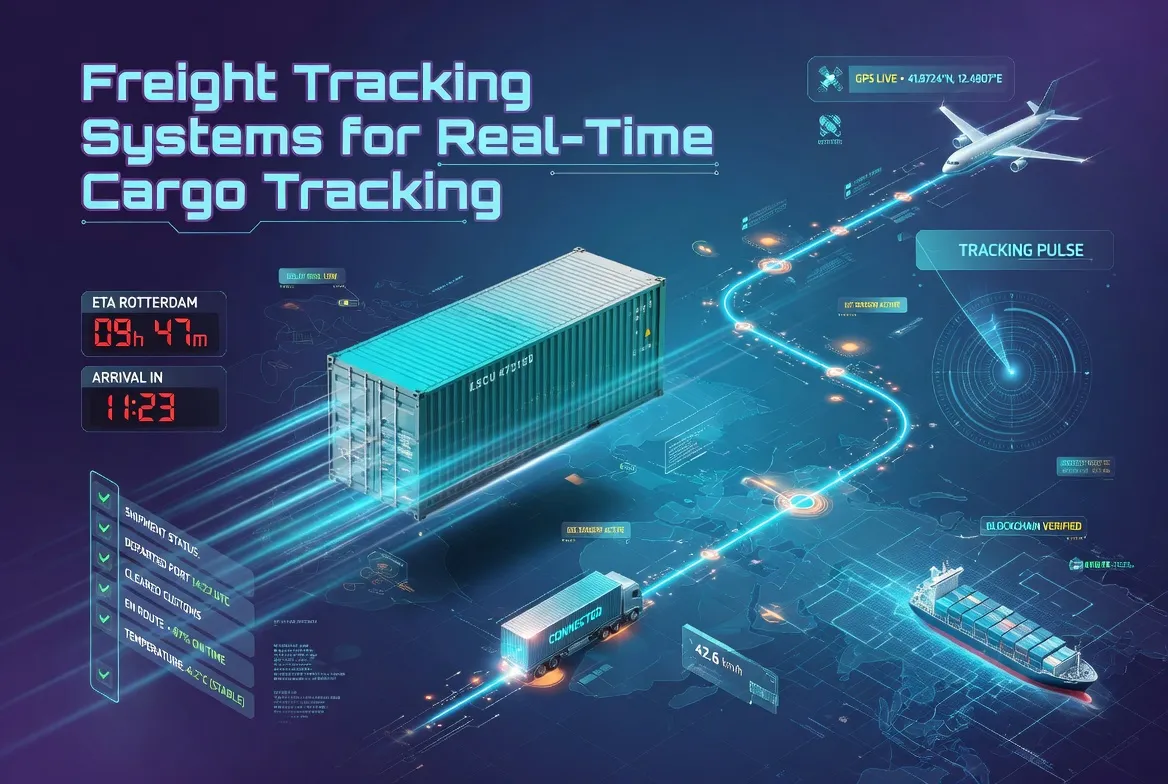
Freight Tracking Systems for Real-Time Cargo Tracking
Introduction
A cross-border logistics platform is a digital system that manages and coordinates international shipping operations across multiple countries, carriers, and service providers. It centralizes order management, tracking, collaboration, and financial processes into one unified platform. This matters because cross-border logistics involves complex workflows, fragmented systems, and multiple stakeholders, making centralized visibility and coordination essential for efficiency and scalability.
What is a Cross-Border Logistics Platform
A cross-border logistics platform is a software solution designed to support the full lifecycle of international shipments, including:
Order creation and management
Multi-mode transportation coordination (air, ocean, land, express)
Customs clearance processes
Warehouse and fulfillment operations
Last-mile delivery management
Financial settlement and billing
Unlike isolated systems that handle only one part of the logistics chain, a cross-border platform integrates all operational stages into a single environment.
It also enables multiple stakeholders—freight forwarders, eCommerce sellers, 3PL providers, warehouses, and carriers—to collaborate within one system, ensuring consistent data and synchronized workflows.
Why a Cross-Border Logistics Platform Matters
Cross-border logistics is inherently complex due to:
Multiple transportation segments across countries
Diverse regulatory and customs requirements
Fragmented communication between partners
High volume of documentation and data exchange
Without a centralized platform, companies often face:
Data silos across systems and departments
Manual coordination via emails and spreadsheets
Delayed shipment updates and lack of transparency
Inefficient collaboration with overseas partners
A cross-border logistics platform addresses these challenges by:
Unifying operations: All shipment data is managed in one system
Improving visibility: Real-time tracking across the entire journey
Enhancing collaboration: Multiple roles work on the same shipment data
Reducing operational friction: Standardized workflows replace manual processes
For logistics providers and cross-border eCommerce companies, this type of platform is critical to scaling operations while maintaining service quality.
How a Cross-Border Logistics Platform Works
A cross-border logistics platform operates by connecting different systems, stakeholders, and processes into a unified workflow.
1. Centralized Order Management
Orders can be created through multiple channels:
Manual entry
Bulk import via templates
API integration with eCommerce platforms or ERP systems
This flexibility ensures that orders from different sources are consolidated into one system.
2. Multi-Stage Shipment Coordination
The platform supports shipments involving multiple transport modes and segments, such as:
First-mile pickup
International line-haul transportation
Customs clearance
Overseas warehousing
Last-mile delivery
Each stage is tracked and managed within the same workflow, ensuring continuity across the shipment lifecycle.
3. Multi-Source Tracking Integration
Tracking data is collected from:
Carrier systems
Logistics partners
Warehouse operations
External tracking platforms
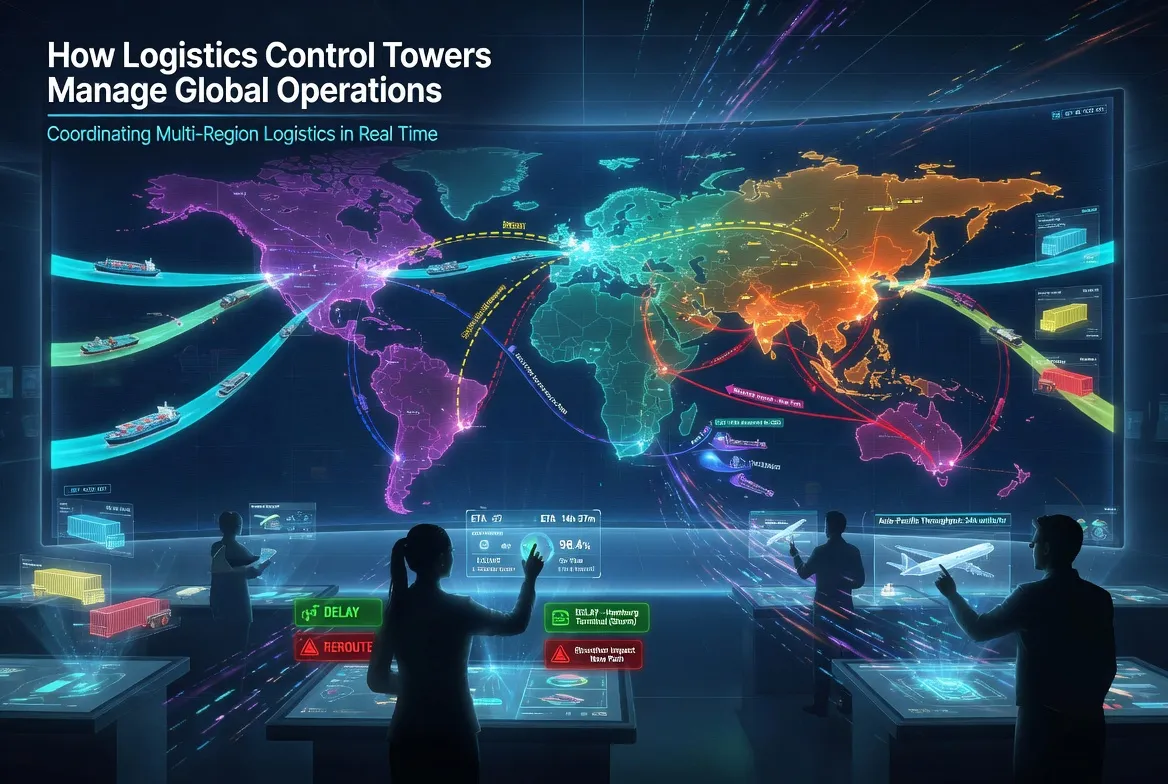
The system aggregates these inputs into a unified timeline, enabling end-to-end visibility across all shipment stages.
4. Role-Based Collaboration
Different roles interact within the platform:
Sales teams manage customer orders and quotations
Operations teams handle shipment execution
Customer service teams respond to inquiries
Partners and agents update shipment status
Role-based permissions ensure that each participant has access to relevant data while maintaining control and security.
5. Financial and Settlement Management
The platform integrates financial processes such as:
Accounts receivable and payable
Automated billing based on predefined rules
Cost and profit analysis per shipment
This integration ensures that operational and financial data remain synchronized.
Key Features / Key Capabilities
A modern cross-border logistics platform typically includes:
End-to-end shipment visibility
Real-time tracking across all logistics stagesMulti-role collaboration system
Enables coordination between internal teams and external partnersMulti-transport mode support
Handles air, ocean, land, and express shipments in one systemAPI and system integration
Connects with ERP, WMS, eCommerce platforms, and carrier systemsMilestone-based tracking
Standardizes shipment progress into structured stagesWorkflow automation
Automates repetitive tasks such as status updates and document handlingAutomated billing and reconciliation
Reduces manual financial processing errorsData centralization
Eliminates fragmentation across multiple systems
Benefits for Logistics Companies
1. Improved Operational Efficiency
Centralized workflows reduce manual coordination and duplicated work across teams.
2. Better Visibility and Control
Real-time tracking allows companies to monitor shipments proactively and manage exceptions.
3. Enhanced Collaboration
All stakeholders operate within a shared system, improving communication and reducing delays.
4. Reduced Errors
Automation and standardized processes minimize human errors in data entry and billing.
5. Scalability for Global Operations
The platform supports increasing shipment volumes and geographic expansion without increasing operational complexity.
Best Practices / Use Cases
1. Standardize Cross-Border Workflows
Define consistent processes for order handling, tracking, and documentation across regions.
2. Integrate External Systems Early
Connect key systems such as ERP, WMS, and carrier platforms to avoid data silos.
3. Enable Partner Access
Allow overseas agents and partners to update shipment data directly within the system.
4. Use Automation for High-Volume Tasks
Automate billing, tracking updates, and document generation to improve efficiency.
5. Monitor Performance with Data
Use platform data to analyze transit times, delays, and operational bottlenecks.
Practical Use Cases
Freight forwarders managing global shipments with multiple agents
3PL providers coordinating international fulfillment networks
Cross-border eCommerce logistics operators handling high parcel volumes
Companies managing overseas warehouses and last-mile delivery networks
Conclusion
A cross-border logistics platform is essential for managing the complexity of international shipping operations. By centralizing data, enabling collaboration, and providing end-to-end visibility, it helps logistics companies overcome fragmentation and inefficiencies. As global trade continues to expand, adopting such platforms is key to achieving operational scalability and delivering consistent service across borders.
Frequently Asked Questions
What is a cross-border logistics platform?
It is a system that manages international shipping operations, integrating order management, tracking, collaboration, and financial processes into one platform.
How does a cross-border logistics platform work?
It connects multiple systems and stakeholders, tracks shipments across stages, and centralizes data into a unified workflow.
Why is a cross-border logistics platform important?
It reduces fragmentation, improves visibility, enhances collaboration, and enables scalable logistics operations.
What are the benefits of using such a platform?
Benefits include improved efficiency, real-time tracking, reduced errors, better coordination, and stronger operational control.
About WallTech
WallTech provides digital logistics solutions designed for cross-border logistics operations. Its systems support end-to-end logistics collaboration by connecting multiple roles and partners within a unified platform. With real-time shipment visibility, milestone-based tracking, and integrated data across transportation, warehouse, and financial processes, logistics companies can manage complex international operations more efficiently. The platform also incorporates workflow automation, AI-assisted data processing, and automated billing to improve accuracy and scalability.
If you're exploring ways to improve your logistics operations, feel free to connect with us to learn more about our solutions and system capabilities.
.webp "How Supply Chain Collaboration Supports Global Supply Chains")


