

Apr 16,2026
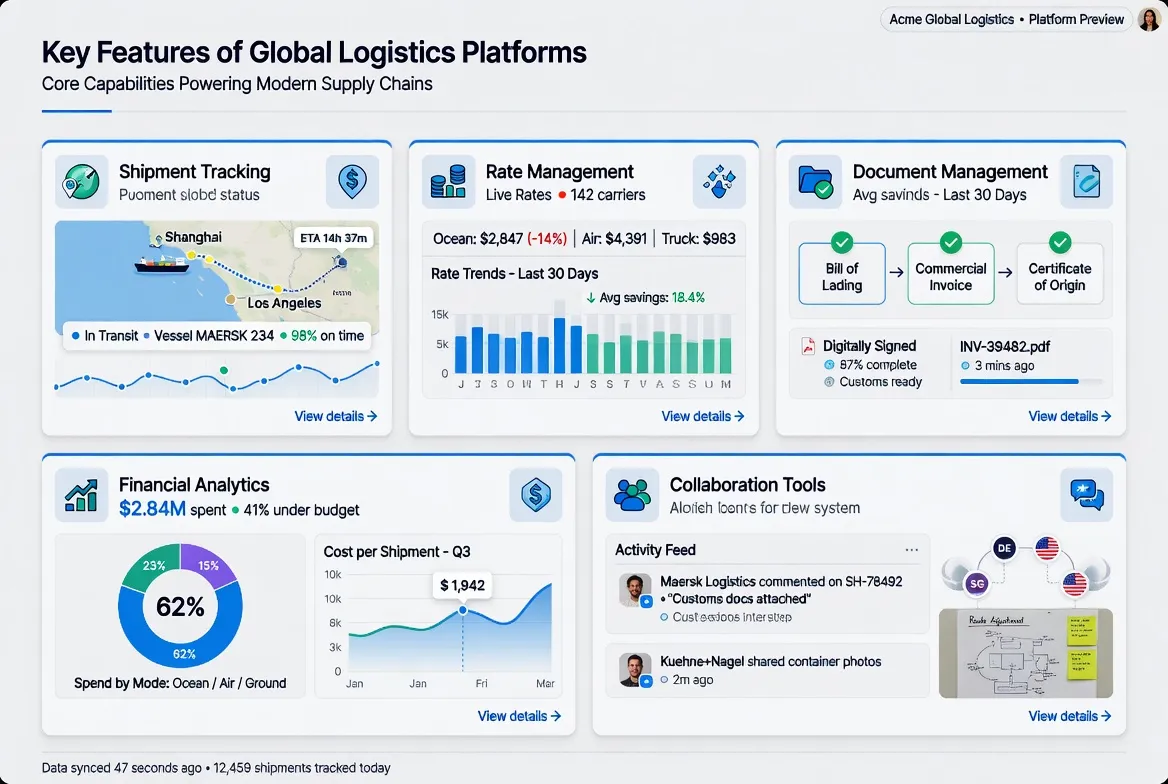
Key Features of Global Logistics Platforms
Introduction
Logistics systems analyze operational shipment data by collecting data from multiple execution points, structuring it into standardized formats, and applying analytical models to evaluate performance, efficiency, and risks. This process enables logistics companies to transform day-to-day operational data into actionable insights that improve decision making, optimize workflows, and enhance service quality.
In modern freight forwarding and 3PL environments, operational shipment data is generated continuously across different roles, systems, and regions. Without proper analysis, this data remains underutilized. Logistics systems bridge this gap by turning raw operational inputs into structured intelligence.
What Is Operational Shipment Data Analysis?
Operational shipment data analysis refers to the process of examining shipment-related data generated during logistics execution to understand performance, identify inefficiencies, and support decision making.
This includes analyzing:
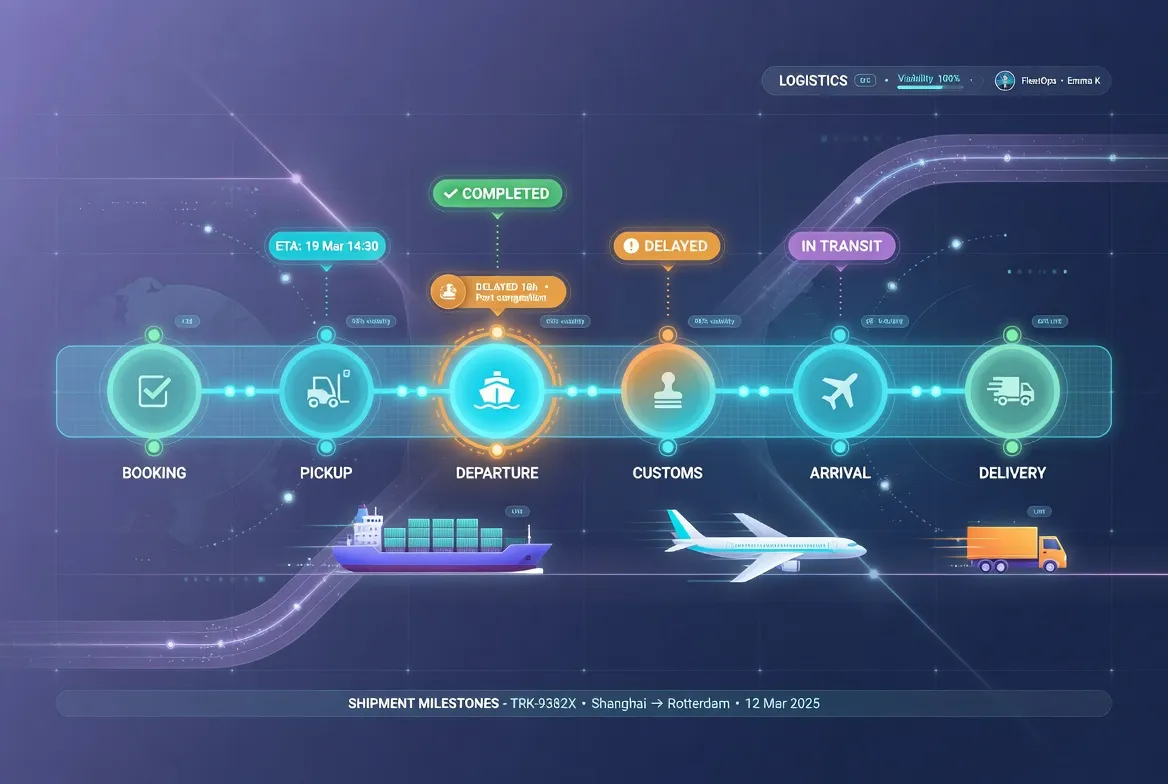
Shipment milestones (pickup, departure, arrival, delivery)
Transit times and delays
Operational handling activities
Cost and revenue data
Exception and disruption records
Partner and carrier performance
Unlike static reporting, operational analysis focuses on real-time and historical data to provide both immediate visibility and long-term insights.
Why Operational Data Analysis Matters
1. Managing Complex Logistics Operations
Global logistics involves multiple stakeholders, transport modes, and handover points. Data analysis helps manage this complexity with structured visibility.
2. Reducing Operational Inefficiencies
By identifying delays, bottlenecks, and redundant steps, companies can streamline processes.
3. Improving Decision Accuracy
Data-driven analysis replaces assumptions with measurable insights, reducing risk in decision making.
4. Enhancing Customer Service
Real-time analysis enables proactive communication and better handling of exceptions.
5. Supporting Continuous Optimization
Historical data analysis allows companies to refine processes and improve performance over time.
How Logistics Systems Analyze Operational Shipment Data
Logistics systems follow a structured analytical workflow:
1. Data Collection Across Operations
Operational data is captured from:
Order management systems
Warehouse operations
Transportation tracking systems
External carriers and partners
Financial and billing systems
This ensures a complete dataset covering all shipment stages.
2. Data Structuring and Normalization
To enable analysis, data is standardized into consistent formats:
Milestone-based timelines
Unified shipment records
Structured operational events
Categorized exception types
This eliminates inconsistencies and enables cross-shipment comparison.
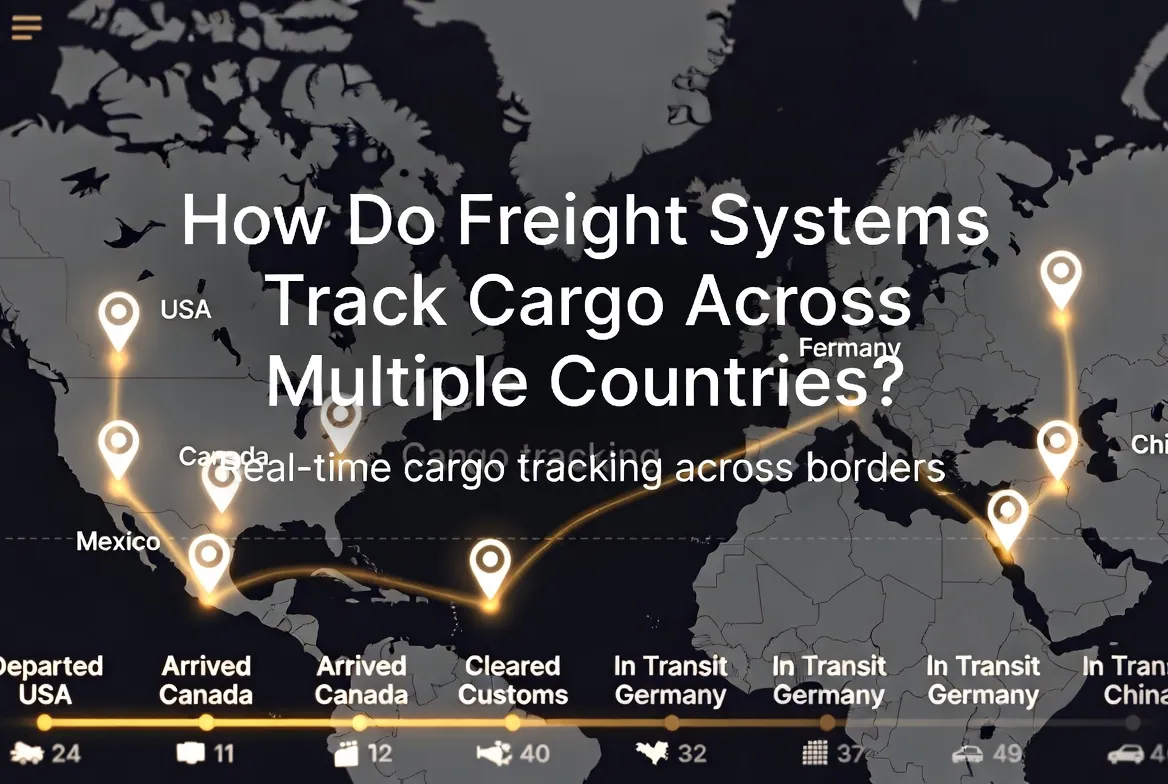
3. Real-Time Monitoring and Visibility
Logistics systems provide:
End-to-end shipment tracking
Unified timelines for each shipment
Real-time milestone updates
Exception alerts
This allows teams to monitor operations continuously and react quickly.
4. Analytical Processing
Operational shipment data is analyzed to identify:
Average transit times by route or mode
Delay patterns and root causes
Handling efficiency at different nodes
Resource utilization
Cost-performance relationships
Advanced systems may also apply predictive analytics to anticipate risks.
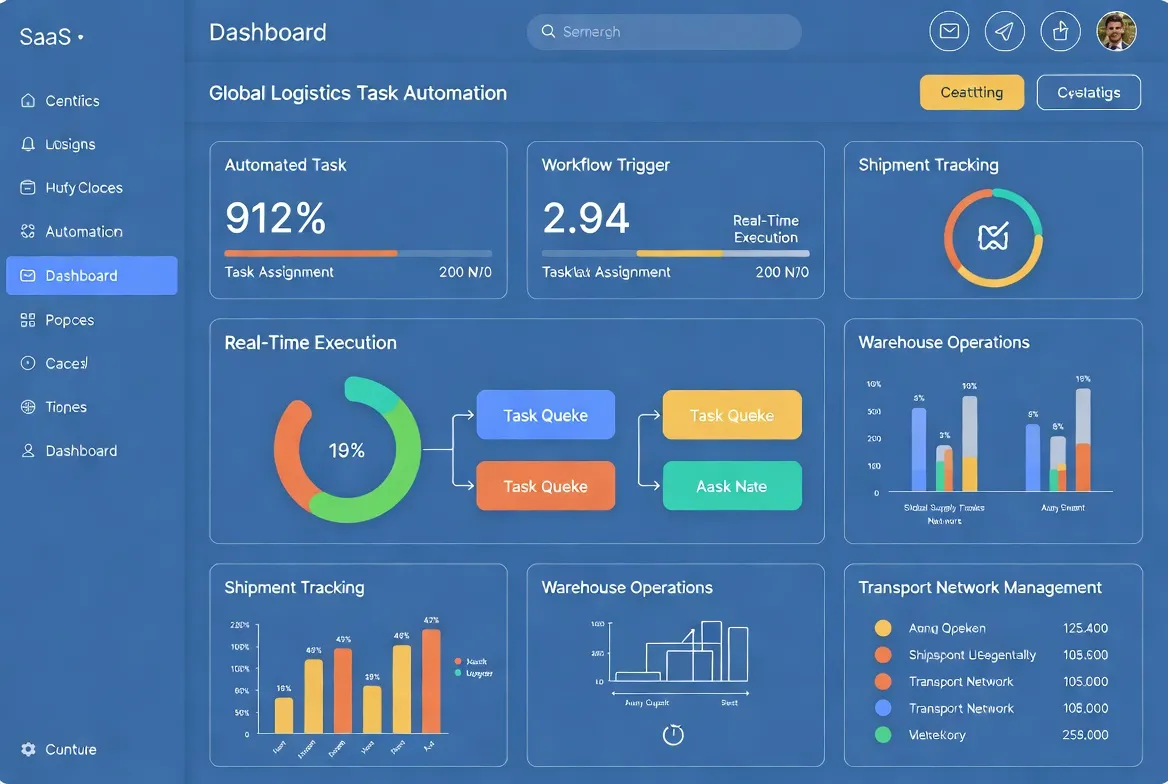
5. Workflow Automation Based on Insights
Once insights are generated, systems can trigger automated actions:
Exception handling workflows
Notifications to stakeholders
Task assignments across teams
Financial adjustments (e.g., cost allocation)
This closes the loop between analysis and execution.
Key Features of Logistics Data Analysis Systems
End-to-End Visibility
Track shipments across all operational stages
Milestone-based monitoring for clarity
Unified shipment timelines for all stakeholders
Multi-Role Collaboration
Shared access to operational data
Coordination between operations, finance, and customer service
Integration with upstream and downstream partners
Automation Capabilities
AI-powered data recognition from documents
Automated workflow triggers based on data conditions
Automated billing and reconciliation processes
Data Analytics and Reporting
KPI dashboards and performance tracking
Historical trend analysis
Custom reporting capabilities
Integration with External Systems
Seamless connection with ERP, WMS, and eCommerce platforms
Real-time data synchronization
Benefits for Logistics Companies
1. Improved Operational Control
Companies gain full visibility into shipment progress and operational performance.
2. Faster Issue Detection and Resolution
Real-time analysis enables early identification of delays and disruptions.
3. Enhanced Efficiency
Data-driven insights help eliminate redundant processes and optimize workflows.
4. Better Financial Accuracy
Accurate operational data supports precise cost tracking and billing.
5. Scalable Operations
Standardized data and automated analysis allow companies to scale without increasing complexity.
Best Practices and Use Cases
Best Practices
Standardize operational milestones for consistent tracking
Centralize shipment data across all systems
Automate data capture to reduce manual errors
Use real-time dashboards for monitoring
Promote cross-functional collaboration using shared data
Common Use Cases
1. Transit Time Optimization
Analyze route performance and adjust planning to reduce delays.
2. Exception Management
Identify recurring issues and implement preventive measures.
3. Warehouse and Handling Efficiency
Evaluate performance at operational nodes and improve throughput.
4. Carrier Performance Analysis
Compare carriers based on reliability and service quality.
5. Financial Reconciliation
Align operational data with financial records for accurate billing.
Conclusion
Logistics systems play a critical role in analyzing operational shipment data and transforming it into actionable insights. By integrating data across operations, standardizing it, and applying analytical processes, these systems enable logistics companies to improve efficiency, reduce costs, and enhance service quality.
In an increasingly complex logistics landscape, the ability to analyze operational data effectively is essential for maintaining competitiveness and achieving sustainable growth.
Frequently Asked Questions
What is operational shipment data analysis?
It is the process of examining shipment-related data to evaluate performance, identify inefficiencies, and support decision making.
How do logistics systems analyze shipment data?
They collect, standardize, and analyze data across the shipment lifecycle using dashboards, KPIs, and analytics tools.
Why is operational data analysis important in logistics?
It improves efficiency, enhances decision accuracy, and helps companies manage complex operations.
What types of data are analyzed in logistics systems?
Data includes shipment milestones, transit times, costs, exceptions, and operational activities.
How does data analysis improve logistics performance?
It identifies inefficiencies, supports optimization, and enables proactive management of operations.
About WallTech
WallTech provides digital logistics solutions designed to help companies analyze and optimize their operations through structured data. Its platforms enable end-to-end collaboration across multiple roles and partners, ensuring seamless coordination throughout the shipment lifecycle. With real-time shipment visibility and milestone-based tracking, logistics teams can monitor operations with clarity. In addition, workflow automation—such as AI-driven data recognition, automated billing, and reconciliation—reduces manual effort and improves data accuracy. By combining visibility, collaboration, and automation, WallTech supports logistics companies in improving efficiency and scaling operations effectively.
If you're exploring ways to improve your logistics operations, feel free to connect with us to learn more about our solutions and system capabilities.