.webp "How Logistics Platforms Deliver Cross-Border Logistics Workflows")
Mar 23,2026
How Logistics Platforms Deliver Cross-Border Logistics Workflows
Introduction
Logistics data platforms for supply chain decision making are systems that collect, process, and analyze logistics data to support informed, data-driven decisions across supply chain operations. These platforms enable companies to move beyond reactive decision-making by providing real-time insights, predictive analytics, and structured data that guide operational and strategic choices.
In today’s complex global logistics environment, freight forwarders, 3PL providers, and cross-border eCommerce logistics companies must make decisions across multiple variables—cost, time, service levels, and risk. Without a centralized data platform, decisions are often based on incomplete or outdated information, leading to inefficiencies and missed opportunities.
What is Logistics Data Platforms for Supply Chain Decision Making
A logistics data platform for supply chain decision making is a centralized system that:
Aggregates data from across the supply chain
Transforms data into actionable insights
Supports both operational and strategic decision-making
Enables real-time and predictive analysis
It integrates data such as:
Shipment and tracking data
Operational workflows and performance metrics
Financial and cost data
Partner and carrier performance
These platforms act as a decision-support engine, helping logistics companies evaluate options and choose the most efficient and cost-effective strategies.
Why Logistics Data Platforms Matter
1. Increasing Supply Chain Complexity
Modern supply chains involve:
Multiple transportation modes
Cross-border regulations
Numerous partners and stakeholders
This complexity makes decision-making more challenging and data-dependent.
2. Need for Real-Time Decisions
Logistics operations require immediate responses to:
Delays and disruptions
Capacity constraints
Changing customer requirements
Data platforms provide real-time insights for faster decisions.
3. Cost and Efficiency Pressure
Companies must continuously optimize:
Transportation costs
Operational efficiency
Resource allocation
Data-driven decision-making helps identify the best options.
4. Risk Management
Unpredictable events such as delays, customs issues, or capacity shortages require:
Early detection
Proactive decision-making
Scenario planning
How Logistics Data Platforms Work
1. Data Integration
Connects with ERP, WMS, TMS, and external systems
Collects data from carriers, warehouses, and partners
Ensures continuous data flow
2. Data Processing and Standardization
Cleans and structures data
Aligns data across different sources
Ensures consistency and accuracy
3. Analytical Engine
Generates insights from operational and financial data
Supports KPI analysis and trend identification
Enables predictive and scenario-based analysis
4. Decision Support Tools
Dashboards and reports for real-time monitoring
Alerts for critical events
Tools for evaluating alternatives (routes, carriers, costs)
5. Workflow Integration
Links insights to operational processes
Triggers automated actions
Supports continuous optimization
Key Features / Key Capabilities
1. Real-Time Visibility
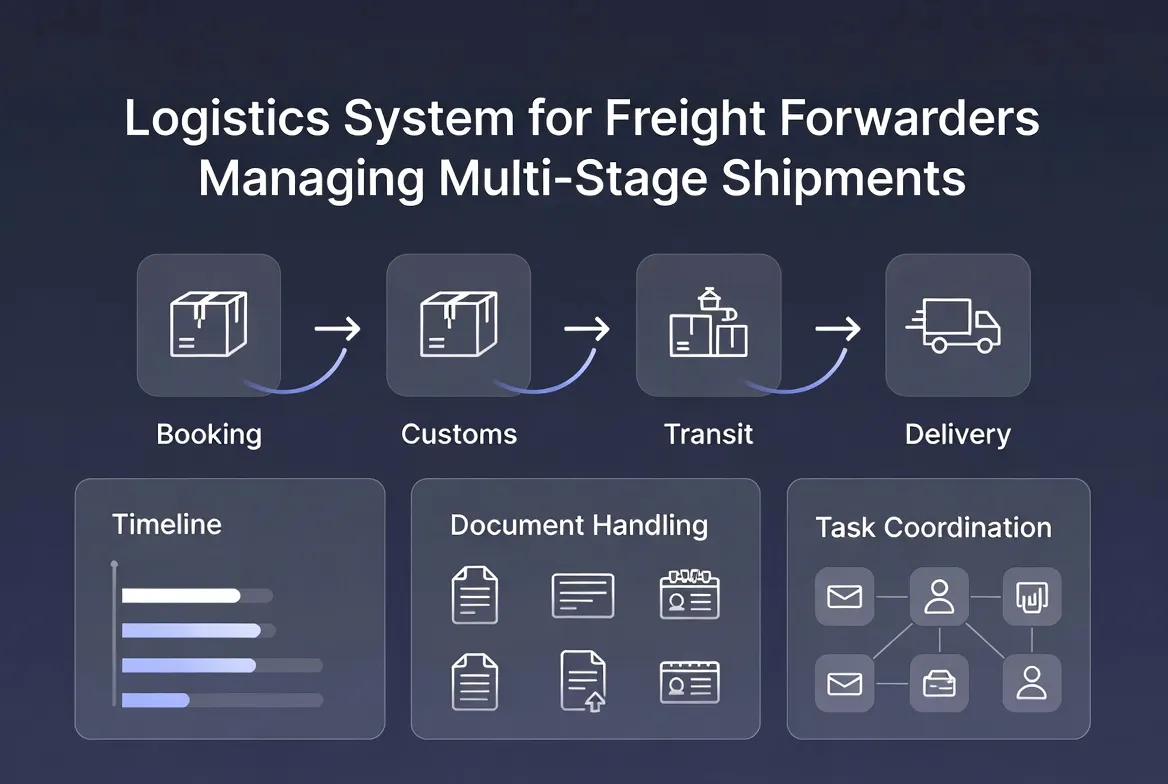
End-to-end shipment tracking
Milestone-based updates
Unified timeline across operations
2. Data Integration Across Systems
API and EDI connectivity
Integration with ERP, WMS, and TMS
Multi-source data synchronization
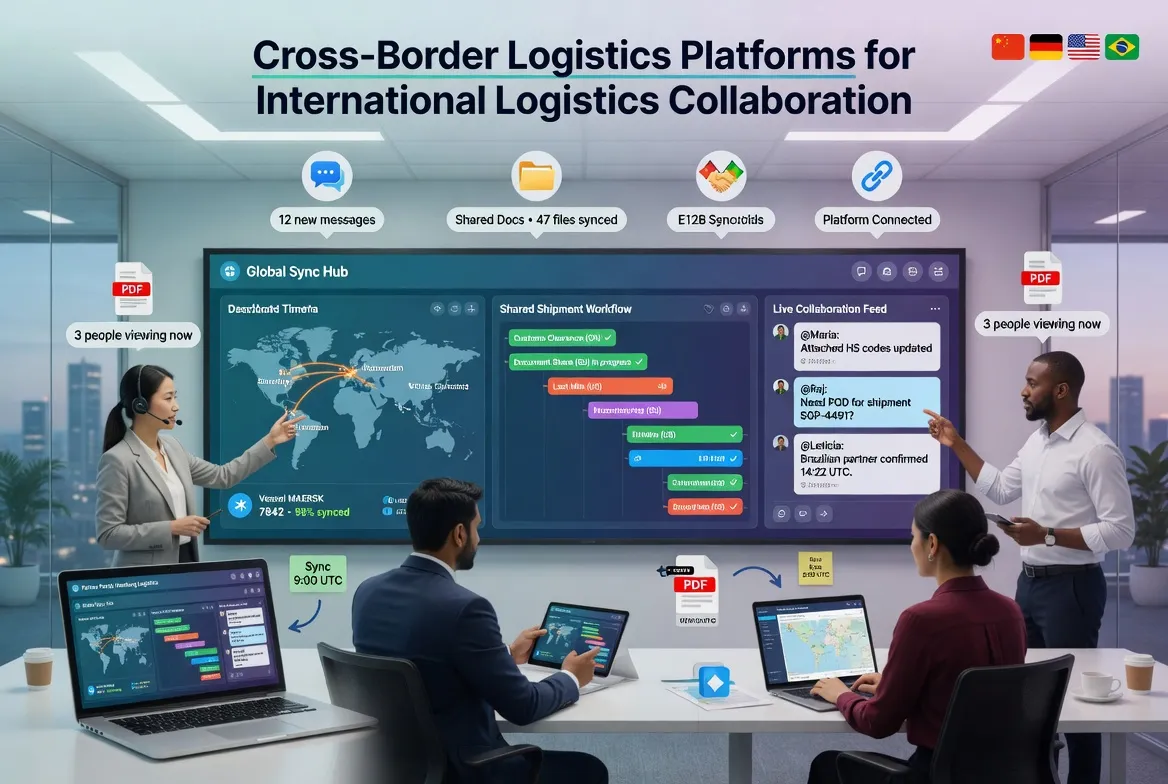
3. Multi-Role Collaboration
Shared access to decision-relevant data
Coordination across departments and partners
Role-based dashboards and workflows
4. Advanced Analytics
KPI tracking and performance analysis
Trend identification
Scenario-based decision support
5. Automation and AI
AI-based data recognition (OCR)
Automated workflow triggers
Automated billing and reconciliation
6. Exception Management
Real-time alerts for disruptions
Configurable rules for anomaly detection
Faster response to issues
Modern logistics systems increasingly combine operational data and financial insights to support decision-making across the entire supply chain lifecycle .
Benefits for Logistics Companies
1. Better Decision Accuracy
Access to complete and real-time data
Reduced reliance on assumptions
Improved decision quality
2. Faster Response Times
Immediate access to critical information
Real-time alerts and notifications
Quick adaptation to changing conditions
3. Cost Optimization
Identification of cost-saving opportunities
Improved carrier and route selection
Better pricing strategies
4. Improved Operational Efficiency
Streamlined workflows
Reduced manual intervention
Continuous performance improvement
5. Enhanced Customer Service
Faster and more reliable decisions
Improved delivery performance
Greater transparency
Best Practices / Use Cases
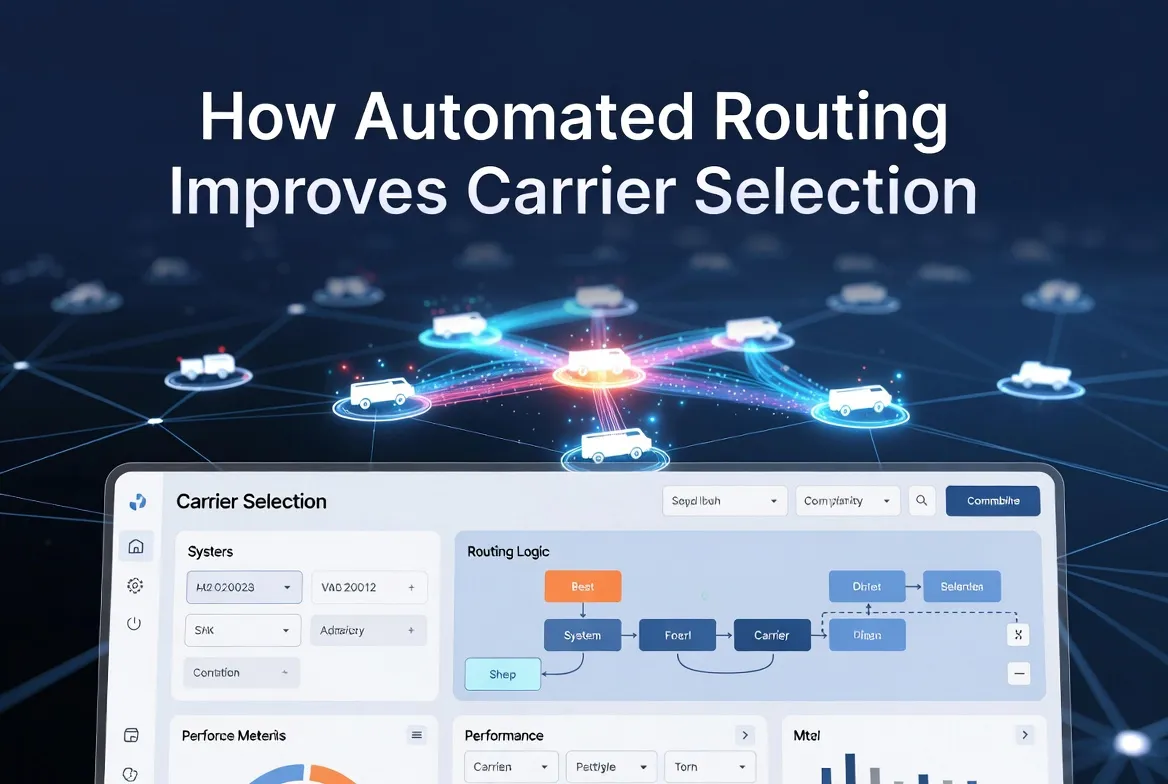
1. Carrier and Route Selection
Compare cost and performance across carriers
Analyze transit times and reliability
Select optimal routes
2. Capacity Planning
Monitor shipment volumes
Forecast demand
Allocate resources efficiently
3. Cross-Border Logistics Decisions
Evaluate customs requirements
Optimize clearance processes
Reduce delays and compliance risks
4. Financial Decision-Making
Analyze cost and profit per shipment
Optimize pricing strategies
Improve financial control
5. Exception Handling
Detect delays or disruptions early
Trigger alerts and corrective actions
Minimize operational impact
Conclusion
Logistics data platforms for supply chain decision making are essential for navigating the complexity of modern logistics operations. By providing real-time insights, enabling data-driven strategies, and supporting automation, these platforms empower logistics companies to make faster, more accurate, and more effective decisions. In a competitive and rapidly changing environment, data-driven decision-making is a key driver of success.
Frequently Asked Questions
What is supply chain decision making in logistics?
Supply chain decision making involves choosing the best operational and strategic actions based on data related to shipments, costs, performance, and resources.
How do logistics data platforms support decision making?
They collect and analyze data from multiple sources, provide real-time insights, and offer tools for evaluating options and making informed decisions.
Why is data-driven decision making important in logistics?
It improves accuracy, reduces risks, optimizes costs, and enables faster responses to changes in the supply chain.
What features support decision making in logistics platforms?
Key features include real-time visibility, analytics, dashboards, automation, and exception alerts.
Who benefits from logistics decision-making platforms?
Freight forwarders, 3PL providers, and cross-border logistics companies benefit most, especially those managing complex and dynamic operations.
About WallTech
WallTech provides digital logistics solutions designed to help logistics companies make smarter, data-driven decisions across their operations. Its platforms enable end-to-end logistics collaboration, connecting multiple stakeholders within a unified system. With capabilities such as real-time shipment visibility, milestone-based tracking, and automation of workflows and financial processes, WallTech supports logistics enterprises in improving efficiency, reducing costs, and scaling their global operations effectively.
If you're exploring ways to improve your logistics operations, feel free to connect with us to learn more about our solutions and system capabilities.