Apr 24,2026
Cross-Border Logistics Platforms for International Logistics Collaboration
Introduction
Logistics systems automate shipment lifecycle management by digitally orchestrating every stage of a shipment—from order creation to final delivery and financial settlement—through predefined workflows, real-time data integration, and event-driven automation. This enables freight forwarders and logistics providers to manage complex operations with greater efficiency, visibility, and accuracy.
In modern logistics environments, automation ensures that each step in the shipment lifecycle is executed consistently and transparently, reducing manual intervention and operational risk.
What is Shipment Lifecycle Management
Shipment lifecycle management refers to the end-to-end process of handling a shipment, including:
Order creation
Booking and planning
Documentation
Transportation execution
Tracking and monitoring
Delivery and confirmation
Billing and financial settlement
Traditionally, these steps are managed across multiple systems and teams, often leading to fragmented workflows and communication gaps.
Logistics systems centralize and automate this lifecycle within a unified platform, ensuring that all activities are connected and synchronized.
Why Shipment Lifecycle Automation Matters
Managing shipments manually becomes increasingly difficult as logistics operations scale. Common challenges include:
Disconnected processes across departments
Delayed updates and lack of real-time visibility
High risk of human error in documentation and billing
Inefficient coordination between partners
Automation addresses these issues by:
1. Creating a Unified Workflow
All shipment stages are connected within a single system, ensuring seamless transitions between tasks.
2. Enhancing Visibility
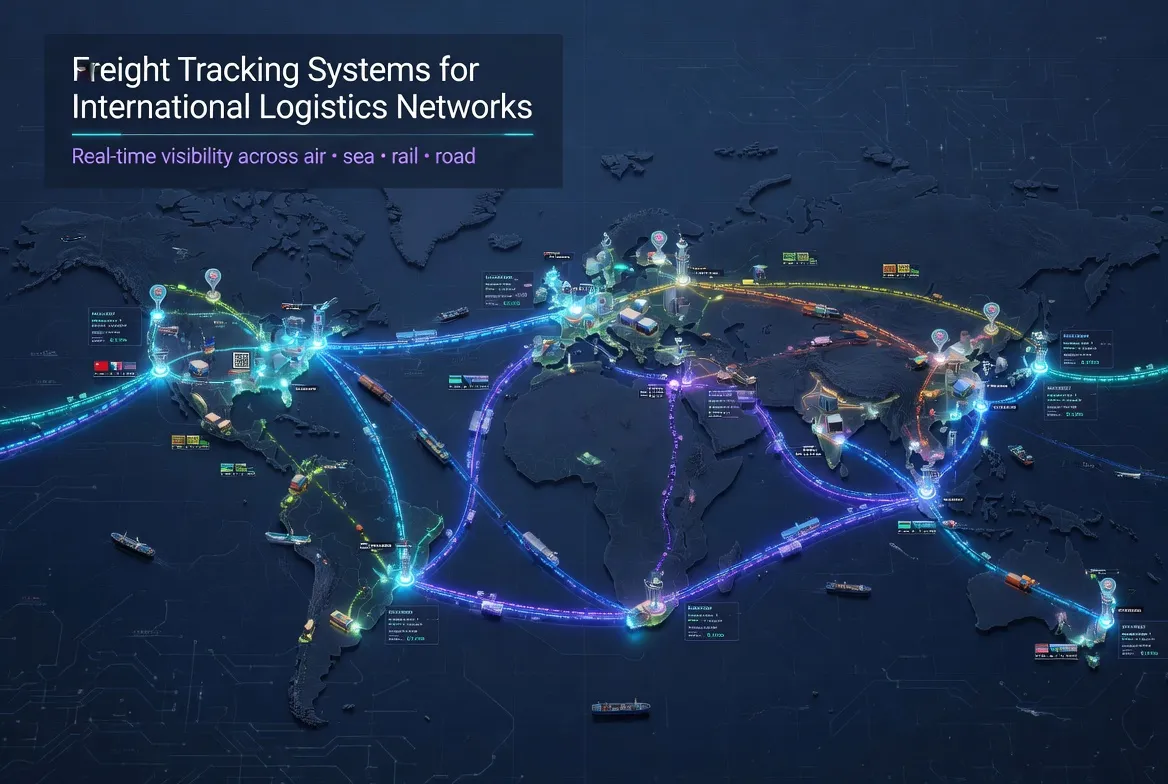
Milestone-based tracking provides a real-time view of shipment status across all transport stages.
3. Improving Collaboration
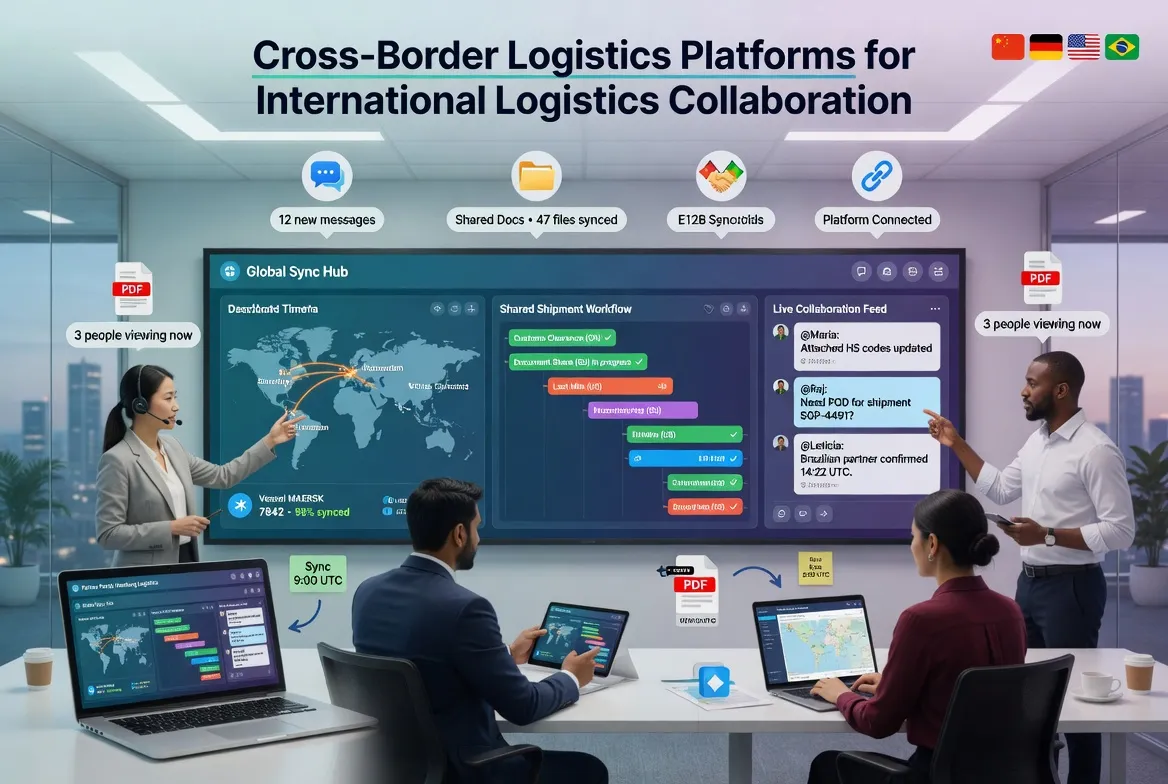
Internal teams and external partners can work within the same system, reducing communication gaps.
4. Reducing Operational Risk
Automated processes minimize errors and ensure compliance with predefined workflows.
How Logistics Systems Automate Shipment Lifecycle Management
Automation is achieved through a combination of workflow engines, system integrations, and real-time data synchronization.
1. Order Creation and Initialization
Shipment lifecycle begins with order creation, which can be done through:
Manual input
Batch upload
API integration with customer systems
Once an order is created:
Shipment data is validated automatically
Required fields and business rules are enforced
The workflow is initiated
2. Workflow-Driven Task Execution
Each shipment follows a predefined workflow:
Tasks are automatically assigned to relevant roles (sales, operations, documentation, finance)
Dependencies ensure tasks are completed in the correct sequence
System triggers move the shipment to the next stage
This structured process eliminates reliance on manual coordination.
3. Multi-Segment Transportation Management
Logistics systems support multimodal transportation:
Sea, air, land, and express shipments are managed within one platform
Each transport segment is tracked and connected within a unified timeline
For example, systems can track container events, inland transportation, and last-mile delivery within a single workflow .
4. Real-Time Tracking and Milestone Updates
Automation enables continuous tracking:
Shipment events are captured from carriers and integrated systems
Milestones (e.g., departure, arrival, customs clearance) are updated automatically
A unified timeline provides end-to-end visibility
This allows stakeholders to monitor shipments proactively.
5. Document Management and Automation
Logistics systems automate document handling by:
Generating documents based on templates
Storing all shipment-related files in a centralized location
Using AI to extract data from documents
This reduces manual workload and improves document accuracy.
6. Exception Detection and Handling
Automation includes proactive exception management:
The system detects delays or deviations from expected timelines
Alerts are triggered automatically
Tasks are reassigned for issue resolution
This ensures faster response to operational disruptions.
7. Financial Automation and Settlement
At the final stage of the lifecycle:
Charges are calculated based on predefined rate rules
Invoices are generated automatically
Receivables and payables are recorded and reconciled
This integrates operational and financial workflows seamlessly.
Key Features / Key Capabilities
Logistics systems that automate shipment lifecycle management typically include:
End-to-end workflow automation
Structured processes covering all shipment stagesMilestone-based tracking
Real-time updates across the shipment lifecycleMulti-role collaboration
Coordination between sales, operations, documentation, and financeMultimodal transportation management
Unified handling of sea, air, land, and express shipmentsAI-powered document processing
Automated data extraction and document generationSystem integration (API connectivity)
Integration with ERP, WMS, carriers, and third-party platformsAutomated billing and reconciliation
Financial workflows triggered by shipment eventsException alerts and notifications
Real-time alerts for delays or issues
These capabilities ensure a seamless and efficient shipment lifecycle.
Benefits for Logistics Companies
Operational Efficiency
Reduces manual coordination and repetitive tasks
Speeds up shipment processing
End-to-End Visibility
Provides a unified view of shipment status
Enables proactive decision-making
Improved Collaboration
Connects internal teams and external partners
Ensures consistent communication across stakeholders
Accuracy and Compliance
Minimizes errors in documentation and billing
Ensures adherence to standardized workflows
Financial Transparency
Links operational data with financial outcomes
Improves profit tracking and cost control
Scalability
Supports increasing shipment volumes without adding complexity
Automation transforms shipment lifecycle management into a streamlined, data-driven process.
Best Practices / Use Cases
Freight Forwarding Operations
Freight forwarders can automate:
Export and import workflows
Multimodal shipment management
Customer communication and tracking
Cross-Border eCommerce Logistics
Automation supports:
High-volume order processing
Real-time tracking across last-mile networks
Integration with eCommerce platforms
Multi-Branch Global Operations
Companies with global networks can:
Synchronize workflows across regions
Enable real-time collaboration between headquarters and branches
Integrated Operations and Finance
Linking operations with finance allows:
Automatic billing generation
Real-time profit analysis per shipment
Exception Management
Systems can:
Detect delays or missing milestones
Trigger alerts and corrective actions
Reduce operational disruptions
Conclusion
Logistics systems play a critical role in automating shipment lifecycle management by connecting workflows, synchronizing data, and enabling real-time visibility. This allows logistics companies to manage complex operations more efficiently while reducing errors and improving collaboration.
As logistics networks continue to grow in complexity, automation of the shipment lifecycle is essential for achieving operational excellence and maintaining competitiveness.
Frequently Asked Questions
What is shipment lifecycle management in logistics?
Shipment lifecycle management refers to the end-to-end process of handling a shipment, from order creation to delivery and financial settlement.
How do logistics systems automate shipment lifecycle management?
They use workflow automation, system integrations, and real-time tracking to manage each stage of the shipment process automatically.
Why is lifecycle automation important in logistics?
It improves efficiency, enhances visibility, reduces errors, and enables better coordination across teams and partners.
What are the key features of lifecycle automation systems?
Key features include workflow automation, milestone tracking, document management, system integration, and automated billing.
Can lifecycle automation support multimodal logistics?
Yes, modern logistics systems support multiple transport modes and integrate them into a unified workflow and tracking system.
About WallTech
WallTech provides digital logistics solutions designed to help logistics companies automate and optimize shipment lifecycle management. Its platforms enable end-to-end collaboration across multiple roles and partners, supported by real-time shipment visibility and milestone-based tracking. With capabilities such as AI-driven data recognition, workflow automation, automated billing, and financial reconciliation, WallTech helps freight forwarders and logistics providers improve operational efficiency and scale their global operations effectively.
If you're exploring ways to improve your logistics operations, feel free to connect with us to learn more about our solutions and system capabilities.
.webp "Warehouse Management Technology for Logistics")