Apr 01,2026
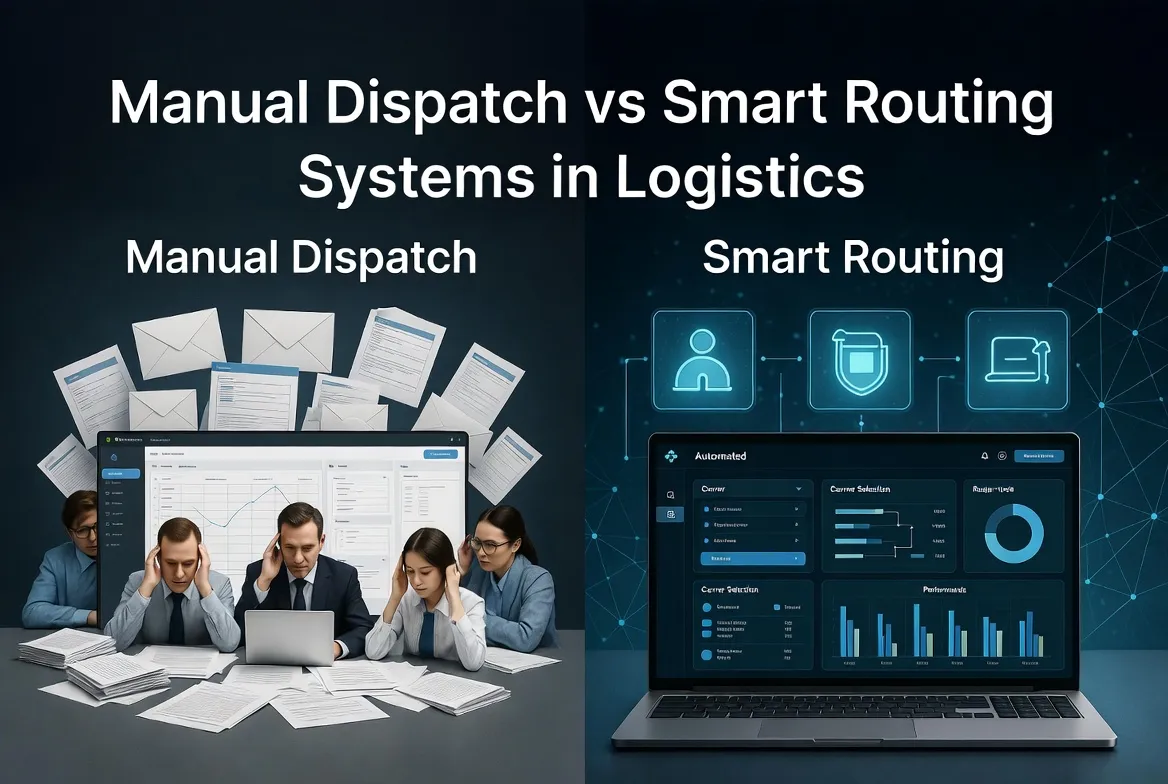
Manual Dispatch vs Smart Routing Systems in Logistics
Introduction
Logistics software for cross-border compliance is a digital solution designed to help logistics companies manage regulatory requirements, ensure accurate documentation, and streamline customs-related processes across international shipments. It enables organizations to automate compliance checks, standardize workflows, and maintain visibility across all stages of cross-border logistics.
As global trade regulations become increasingly complex, logistics software plays a critical role in helping freight forwarders, 3PLs, and eCommerce logistics providers reduce compliance risks while maintaining operational efficiency.
What is Cross-Border Compliance in Logistics
Cross-border compliance in logistics refers to adhering to all regulatory, legal, and documentation requirements when transporting goods across international borders.
This includes:
Customs declarations and clearance procedures
Accurate HS code classification
Duties and tax calculations
Trade restrictions and licensing requirements
Documentation standards (invoices, certificates, permits)
Compliance requirements vary by country and are subject to frequent changes, making them difficult to manage manually—especially for companies operating across multiple regions.
Logistics software for cross-border compliance provides a structured framework to manage these complexities within a unified system.
Why Cross-Border Compliance Matters
1. Preventing Shipment Delays
Non-compliant shipments are often held at customs, leading to:
Delivery delays
Increased storage and demurrage costs
Disruption in supply chain operations
2. Avoiding Financial Risks
Incorrect declarations or missing documentation can result in:
Fines and penalties
Additional duties or reassessments
Increased audit exposure
3. Maintaining Operational Efficiency
Manual compliance processes create bottlenecks, especially when handling high shipment volumes or multiple countries.
4. Enhancing Customer Experience
Customers expect reliable and predictable delivery timelines. Compliance issues directly impact service quality and trust.
5. Supporting Global Expansion
As logistics companies expand into new markets, managing diverse regulatory environments becomes increasingly challenging without digital tools.
How Logistics Software Supports Cross-Border Compliance
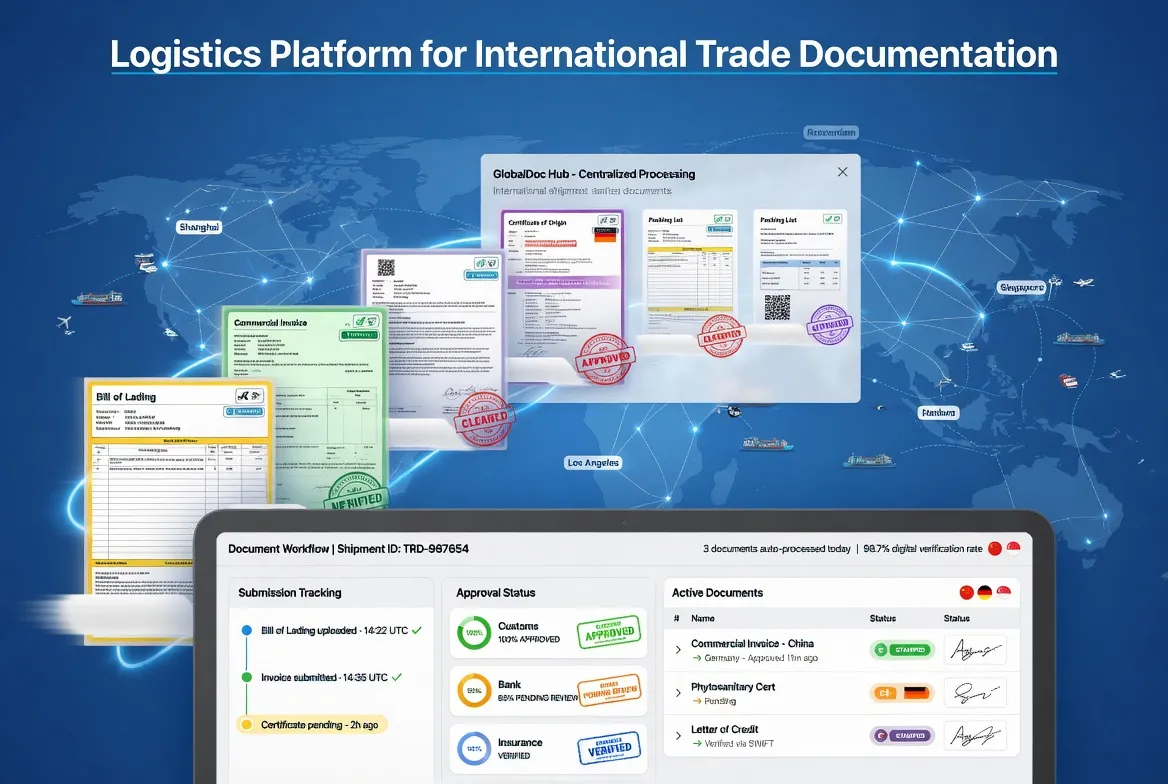
1. Centralized Data and Documentation
Logistics software consolidates all shipment data and documents into a single platform.
Unified data across operations and compliance
Reduced duplication and inconsistencies
Easy access for all stakeholders
2. Automated Compliance Validation
The system performs rule-based checks to ensure:
Required fields are completed
Data formats meet regulatory standards
Country-specific requirements are followed
This reduces the likelihood of errors before submission.
3. Document Generation and Management
Required documents are automatically generated based on shipment data.
Commercial invoices
Packing lists
Customs declarations
Documents are stored and managed centrally, improving accessibility and control.
4. AI-Driven Data Processing
Advanced logistics platforms use AI technologies to:
Extract data from uploaded documents (OCR)
Reduce manual data entry
Improve accuracy and processing speed
5. Multi-Role Collaboration
Compliance involves multiple stakeholders:
Operations teams
Customs brokers
Carriers
Customers
Logistics software enables seamless collaboration by:
Providing shared access to data
Assigning tasks and responsibilities
Ensuring real-time updates across teams
6. Real-Time Visibility and Tracking
Compliance status is integrated into the overall shipment timeline.
Track customs declaration progress
Monitor clearance milestones
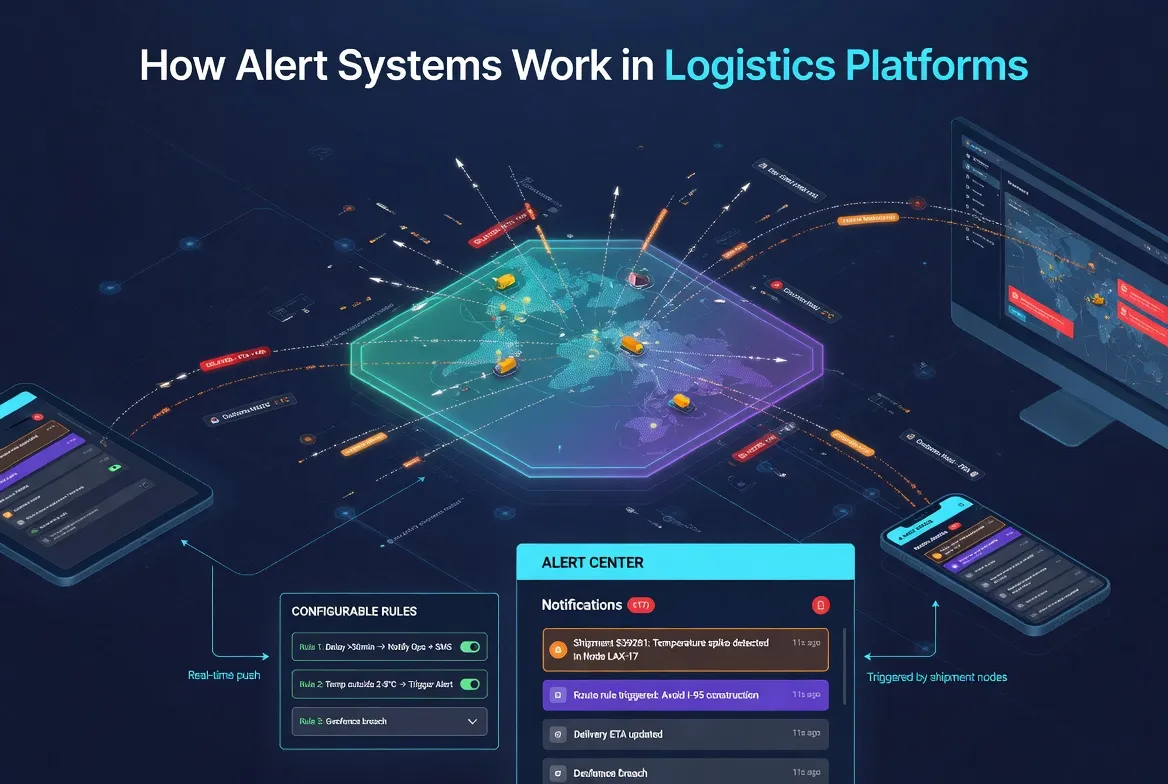
Identify and resolve issues proactively
7. Integration with External Systems
Modern platforms integrate with:
Customs systems
Carrier networks
ERP and financial systems
This ensures smooth data flow and eliminates manual handoffs.
Key Features / Key Capabilities
End-to-End Visibility
Unified timeline for shipments and compliance milestones
Real-time tracking of customs status
Centralized dashboards
Workflow Automation
Automated compliance checks
Task assignment and alerts
SOP-based process execution
AI Data Recognition
OCR-based document processing
Reduced manual input
Improved data consistency
Multi-Role Coordination
Role-based access control
Seamless collaboration across partners
Improved communication efficiency
Financial Integration
Automated duty and tax calculation
Billing and reconciliation integration
Alignment between operations and finance
System Integration
API/EDI connectivity with customs and partners
Data synchronization across platforms
Benefits for Logistics Companies
Reduced Compliance Risk
Automated validation and structured workflows minimize errors and regulatory violations.
Faster Customs Clearance
Accurate and timely submissions improve clearance speed and reduce delays.
Increased Operational Efficiency
Automation reduces manual workload and streamlines processes.
Enhanced Visibility
Real-time tracking provides better control over compliance status and potential risks.
Improved Collaboration
Unified systems enable seamless coordination between internal teams and external partners.
Scalability
Logistics software supports business growth by handling increased shipment volumes and expanding into new markets.
Best Practices / Use Cases
1. Freight Forwarders Managing Multi-Country Operations
Use centralized systems to standardize compliance processes across different regulatory environments.
2. Cross-Border eCommerce Logistics Providers
Automate high-volume declaration and documentation processes to handle large numbers of shipments efficiently.
3. 3PL Companies Coordinating Multiple Stakeholders
Enable seamless collaboration between warehouses, carriers, and customs brokers through shared platforms.
4. Companies Transitioning from Manual Compliance Processes
Replace spreadsheets and email-based workflows with structured systems to improve accuracy and efficiency.
Conclusion
Logistics software for cross-border compliance is essential for managing the complexity of international trade regulations.
By centralizing data, automating workflows, and enabling real-time visibility, these systems help logistics companies reduce risks, improve efficiency, and deliver more reliable services.
As global logistics continues to evolve, adopting digital compliance solutions is no longer optional—it is a critical step toward building scalable and resilient operations.
Frequently Asked Questions
What is cross-border compliance in logistics?
It refers to meeting all regulatory requirements for international shipping, including customs declarations, documentation, and trade rules.
How does logistics software support compliance?
It centralizes data, automates validation, generates documents, and provides real-time visibility into compliance processes.
Why is compliance important in cross-border logistics?
Compliance ensures smooth customs clearance, avoids penalties, and maintains operational efficiency.
What are the benefits of compliance software?
Benefits include reduced errors, faster processing, improved visibility, and better collaboration.
Who needs logistics compliance software?
Freight forwarders, 3PL providers, and cross-border eCommerce logistics companies benefit from these systems.
About WallTech
WallTech provides digital logistics solutions that support cross-border operations through integrated workflows, real-time visibility, and seamless collaboration across global partners. Its platforms enable logistics companies to manage shipment milestones, automate compliance-related processes, and centralize documentation within a unified system. With capabilities such as AI-driven data recognition, workflow automation, and financial integration, WallTech helps organizations reduce compliance risks, improve operational efficiency, and scale their international logistics operations with greater control and transparency.
If you're exploring ways to improve your logistics operations, feel free to connect with us to learn more about our solutions and system capabilities.